 Yan Zhou
Let's cut to the chase. You're in Shanghai, you've seen the Bund and the skyscrapers, and now you're wondering if a trip to one of those famous water towns is worth your limited time. Specifically, Zhujiajiao. The short answer is yes, but with some very important caveats that most generic travel blogs gloss over. Having spent a full day there, wandering its lanes both crowded and quiet, I'll give you the real picture to help you decide.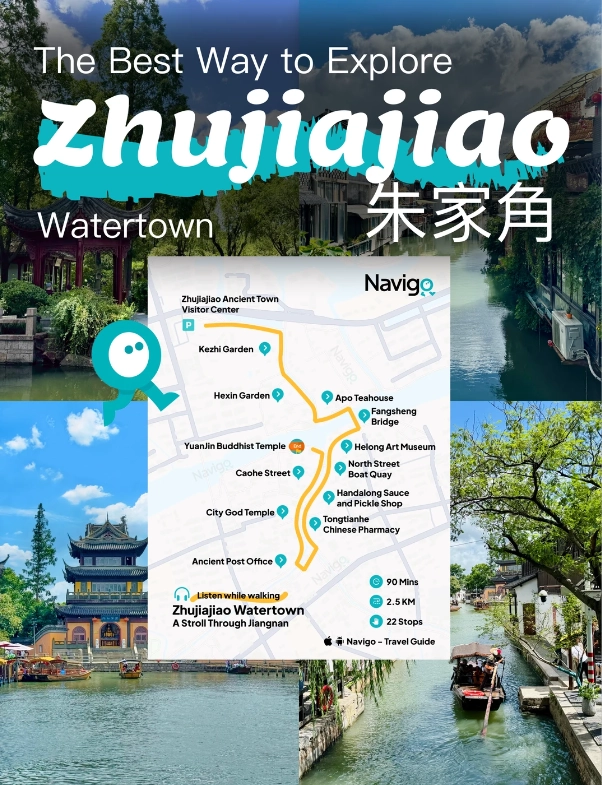
Zhujiajiao is worth visiting if you go with the right expectations. It's not a hidden gem—it's a popular, well-developed tourist site. But within that framework, it offers genuine charm: ancient stone bridges arching over sluggish canals, Ming and Qing dynasty architecture housing teahouses and shops, and a pace of life that feels a world away from downtown Shanghai. The value lies in how you approach it.
What’s Inside This Guide
- The Zhujiajiao Experience: What You Actually Get
- How to Get to Zhujiajiao from Shanghai
- The Best Time to Visit for Fewer Crowds
- Top Things to Do in Zhujiajiao (Beyond Just Walking)
- Food and Drink: What to Eat and Where
- A Smart One-Day Itinerary
- The Real Pros and Cons
- Your Questions, Answered Honestly
The Zhujiajiao Experience: What You Actually Get
Think of Zhujiajiao as a living museum with a bustling market running through it. Founded around 1,700 years ago, it was a vital trading hub. Today, the core old town is preserved, crisscrossed by canals and connected by 36 ancient stone bridges. The main thoroughfares, like North Street, are packed with vendors selling souvenirs, snacks, and trinkets. It's commercial, no doubt.
But step onto a side alley or cross one of the smaller bridges, and the atmosphere shifts. You'll see locals playing cards, washing vegetables by the water, and going about their day. The contrast is the key to enjoying it. You have to actively seek out the quieter moments.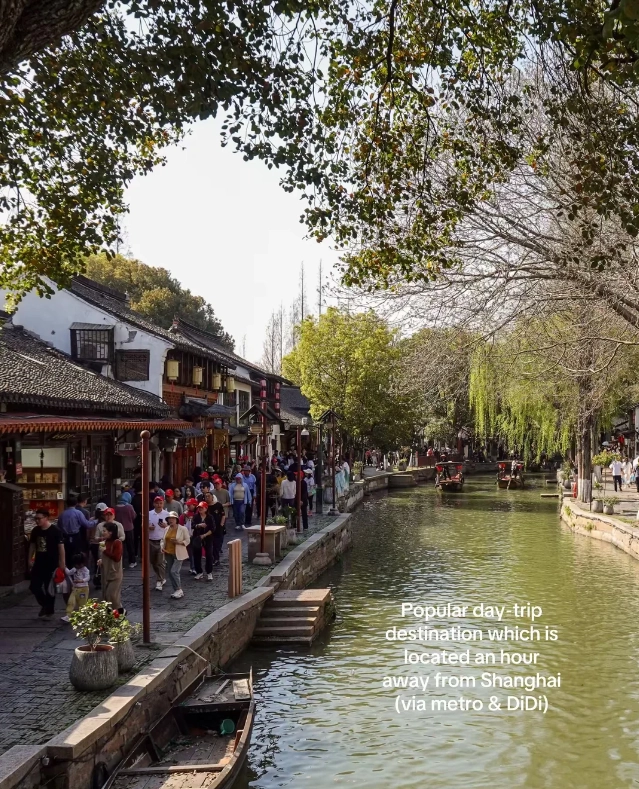
How to Get to Zhujiajiao from Shanghai
It's straightforward. The most efficient way is by metro and bus. Take Shanghai Metro Line 17 (the pink line) directly to Zhujiajiao Station. The ride from central hubs like People's Square takes about 1 hour and 20 minutes. From Exit 1, it's a 15-20 minute walk to the old town's main entrance, or you can grab a taxi for a short ride.
Tour buses and private drivers are options, but the metro is cheap, reliable, and drops you right there. Buy a single-journey ticket or use the Shanghai Public Transportation Card.
| Transport Method | Approx. Time | Approx. Cost (One Way) | Notes |
|---|---|---|---|
| Metro Line 17 | 70-90 mins | RMB 6-10 | Most recommended. Walk from Zhujiajiao Station. |
| Taxi / Ride-hail | 60 mins | RMB 150-250 | Convenient for groups, subject to traffic. |
| Tour Bus | 60 mins | RMB 30-50 | Departs from Shanghai Stadium or People's Square. |
The Best Time to Visit for Fewer Crowds
Timing is everything. Weekends and Chinese public holidays are a zoo—shoulder-to-shoulder crowds that can ruin the ambiance. Aim for a weekday. Mornings, especially right after opening at 8:30 AM, are significantly quieter. The tour groups usually arrive between 10 AM and 2 PM.
Late afternoon is another sweet spot. Many day-trippers start leaving around 4 PM. Staying until dusk lets you see the lanterns begin to glow, which is a completely different, more atmospheric experience. Weather-wise, spring and autumn are ideal. Summer is hot and humid, and while the water town looks beautiful in light rain, a downpour isn't fun.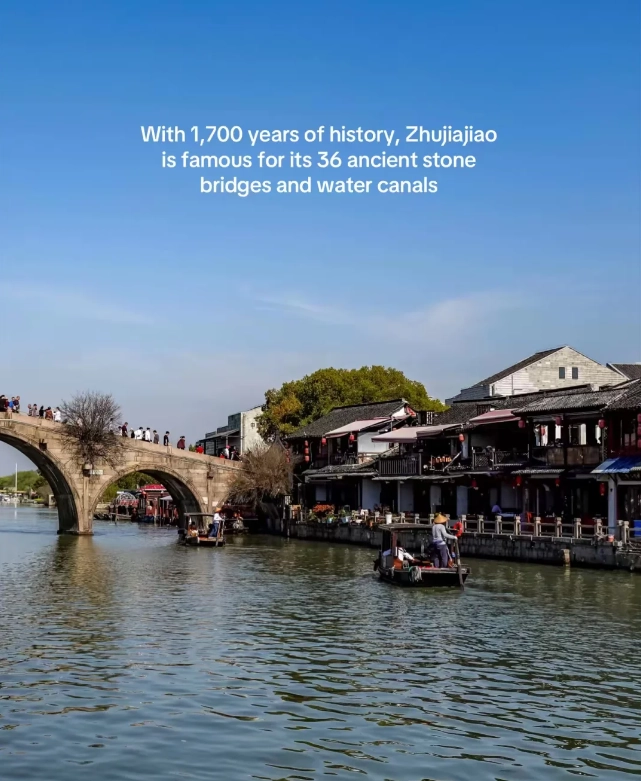
Top Things to Do in Zhujiajiao (Beyond Just Walking)
Simply wandering is the main activity, but a few spots warrant entry fees. You can buy a combo ticket for several attractions or pay individually.
Take a Boat Ride
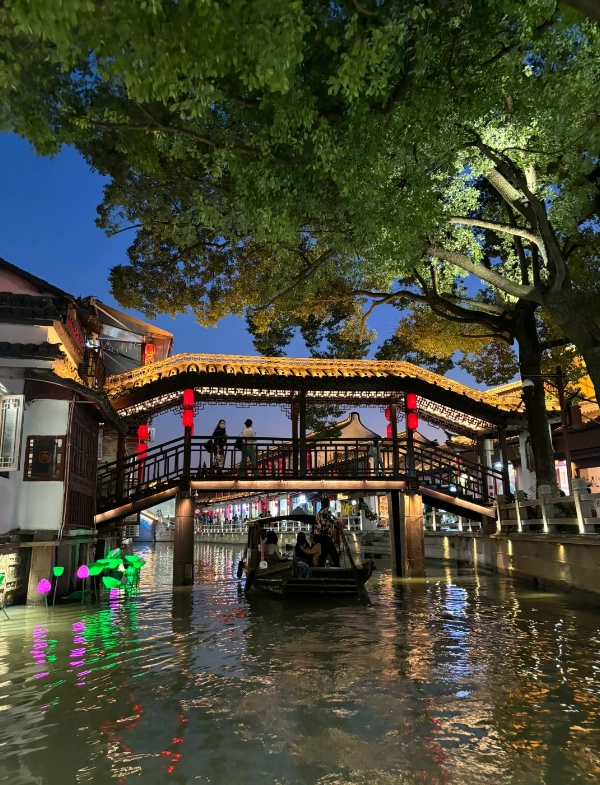
This is non-negotiable for the full experience. The view from the water is different. Short rides (about 20 minutes) operate on set routes. You can hire a whole boat or share. I found the section near Kezhi Garden less congested. It's touristy, yes, but it gives you that classic water town photo and a moment of peace as you glide under bridges.
Visit Kezhi Garden
This is the largest classical garden in Zhujiajiao. It's not Suzhou-level, but it's a lovely, serene escape from the market streets. There's a five-story pavilion that offers the best aerial view of the tiled rooftops and canals. The ticket is around RMB 20.
Cross Fangsheng Bridge
The largest stone arch bridge in town. It's always busy, but walk across it once for the view down the main canal. The best photos are actually taken from the smaller bridges looking *at* Fangsheng Bridge.
Peek into the Yuanjin Buddhist Temple
Located at the end of North Street, it's an active temple. The entrance fee is minimal. It's calm and offers another perspective on local life.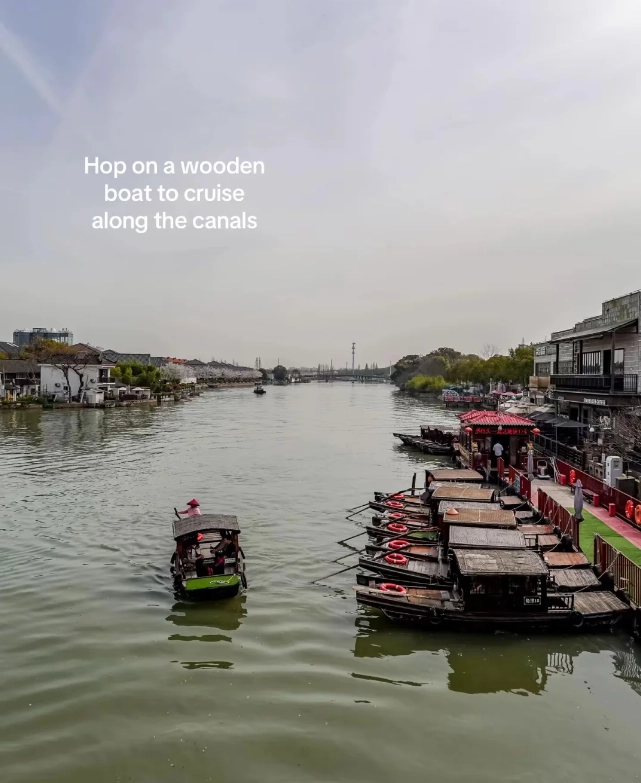
A tip most miss: Skip the crowded main boat pier near the entrance. Walk further in towards Kezhi Garden. The boat queues there are often shorter, and the canal scenery is more varied.
Food and Drink: What to Eat and Where
The food scene is a mix of tourist traps and genuine local treats. You have to know what to look for.
- Zongzi (Sticky Rice Dumplings): Zhujiajiao is famous for these. They are pyramid-shaped, wrapped in bamboo leaves, and stuffed with pork or beans. A Gu Ta Yuan on North Street is a well-known, often-packed shop. Try the pork version. It's savory, filling, and costs about RMB 8-12.
- Braised Pork Hock (Zhu Ti Bang): A classic Shanghainese dish, slow-braised in soy sauce. It's rich and gelatinous. Many restaurants along the canals serve it. Look for places with locals eating, not just tourists.
- Freshwater Shrimp: From the local lakes. They are often simply stir-fried or boiled. Very fresh.
- Tea in a Riverside Teahouse: This is the experience worth paying for. Find a second-floor teahouse overlooking a canal (not the main one). Order a pot of Biluochun or Longjing tea (around RMB 40-60 per person), sit by the window, and watch the boats go by for an hour. It’s the perfect antidote to the street hustle.
I wandered into a small family-run place off an alley for lunch. The braised pork was falling off the bone, and the stir-fried water spinach was fresh. The total was about RMB 80 for two people. It felt more authentic than the places with loud touts out front.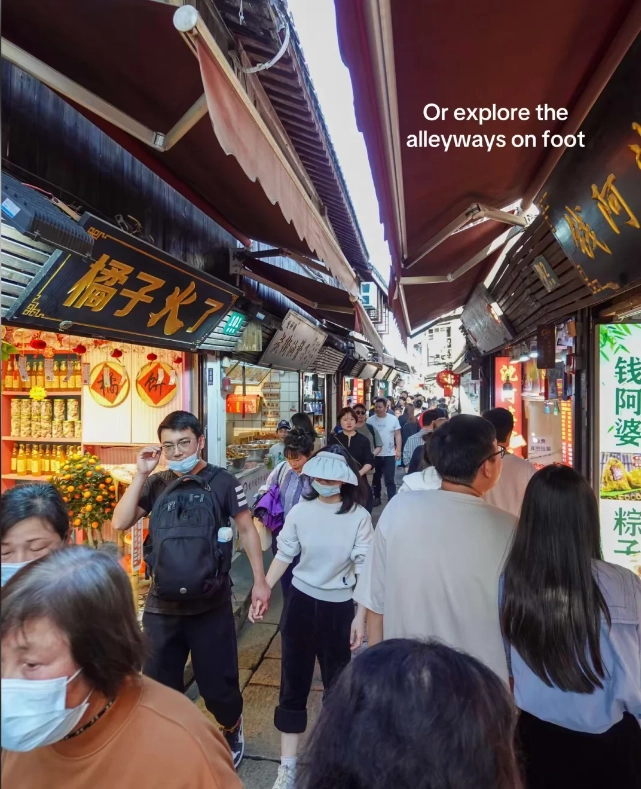
A Smart One-Day Itinerary
Here’s how to structure your day to maximize enjoyment and avoid the worst crowds.
Morning (8:30 AM - 12:00 PM): Arrive early. Enter from the main tourist center. Walk briskly through the initial crowded part of North Street. Head straight to Kezhi Garden when it opens. Enjoy the quiet garden and climb the pavilion for photos. Then, explore the quieter lanes in that eastern section.
Lunch (12:00 PM - 1:30 PM): Eat before the peak lunch rush. Find a smaller restaurant on a side street for braised pork or freshwater shrimp.
Afternoon (1:30 PM - 4:30 PM): This is when the crowds are thickest. Embrace the bustle on the main streets. Buy a zongzi as a snack. Do your souvenir shopping if you must. Then, queue for the boat ride—it's a good seated break. After the ride, visit the Yuanjin Temple for a calm interlude.
Late Afternoon (4:30 PM onwards): As crowds thin, revisit your favorite spots. Find a teahouse for a relaxing drink. Stay for the early evening lights if you can. Then head back to the metro station.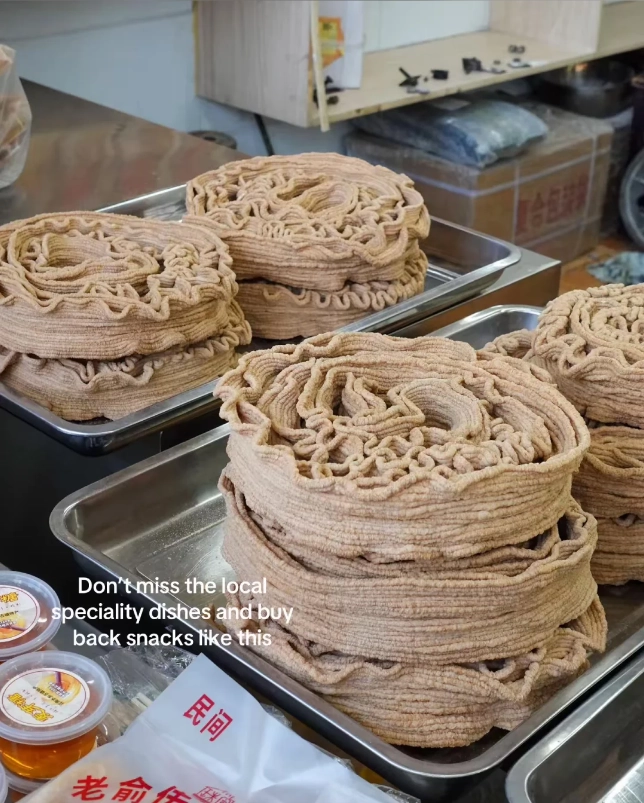
The Real Pros and Cons
Let's be balanced.
Pros: Easy access from Shanghai. Offers a tangible sense of history and traditional canal-town architecture. The boat ride is a charming experience. Good local food specialties. Opportunities for beautiful photography, especially in the early morning or late afternoon. It's a full, manageable day trip.
Cons: Can be extremely crowded and commercial, especially on weekends. The main streets are a gauntlet of souvenir shops. Some areas feel staged for tourists. It's not "undiscovered" in the slightest. The ticket system for individual attractions can be confusing.
Your enjoyment hinges on managing these cons. Go on a weekday, seek out the side alleys, and budget for a teahouse respite.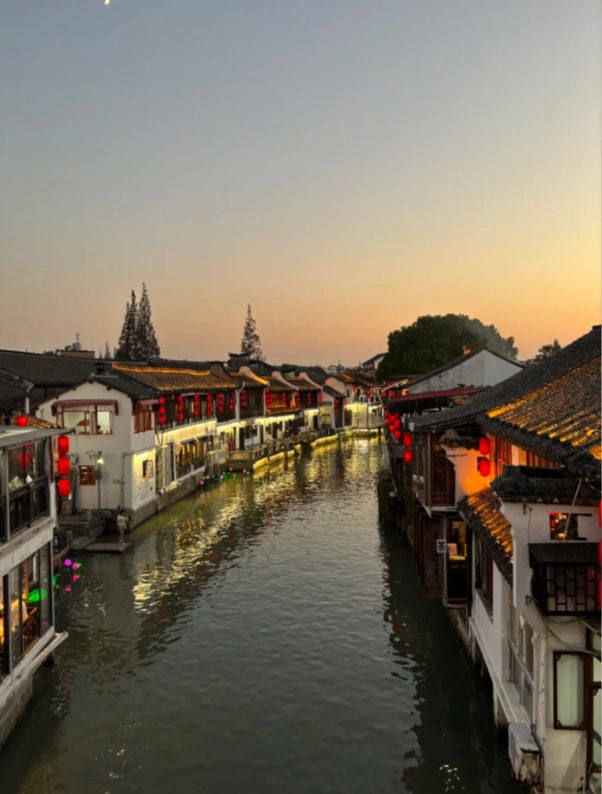
Your Questions, Answered Honestly
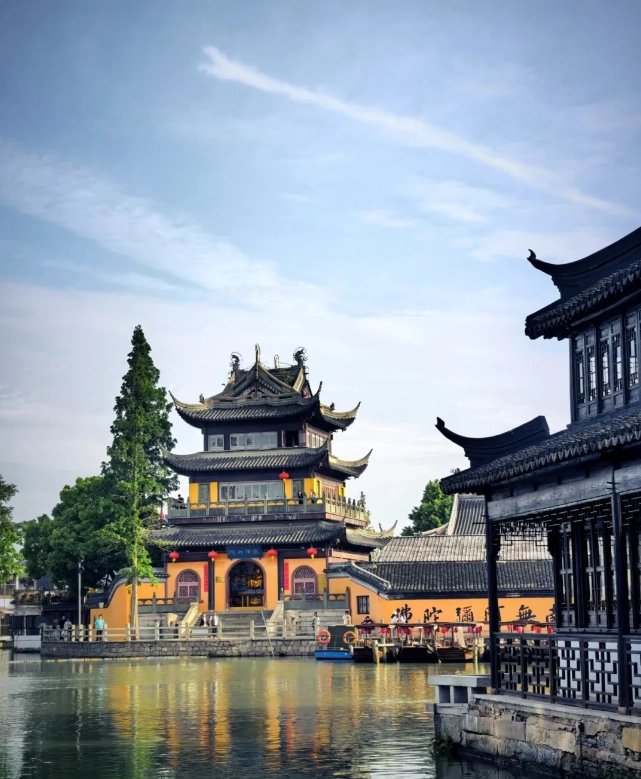 So, is Zhujiajiao water town worth visiting? For most travelers to Shanghai wanting a taste of ancient canal culture without a major expedition, the answer is a qualified yes. It’s not a pristine time capsule; it’s a living, working, and yes, vending, piece of history. Go on a weekday, manage your expectations, seek out the quiet corners, take the boat ride, and savor the tea. Do that, and you'll leave with a satisfying glimpse into a different rhythm of life, just an hour from the global metropolis.
This guide is based on personal experience and observations. Information like transport details and opening hours is regularly verified with local sources.





Hands down the best water town near Shanghai. I've been to Zhouzhuang and Wuzhen, and Zhujiajiao has a more laid-back, authentic vibe (at least the parts away from the main tourist drag). We hired a private boat for an hour and it was totally worth it – our boatman even sang a folk song. The old post office and the rice wine museum were quirky and fun. Everything is walkable, and there are plenty of affordable local eats. If you only have time for one water town, make it this one.
Zhujiajiao exceeded every expectation! I was worried it would be too touristy, but the charm is undeniable. The moment I stepped onto Fangsheng Bridge and looked down the canal lined with willow trees, I felt like I'd stepped into a painting. We spent hours exploring the narrow lanes, finding cute tea houses and artisan workshops. The sticky rice cake with red bean paste from a street vendor was divine. Honestly one of the most enchanting places I've visited in China. Already planning to come back.
Absolutely loved this place! Zhujiajiao is the perfect escape from Shanghai's concrete jungle. The canals are postcard-perfect, the breeze off the water is refreshing, and I had the best xiaolongbao of my life at a tiny hole-in-the-wall shop. We wandered the back alleys away from the main commercial street and found locals playing mahjong by the river – that's the real magic. Taking a gondola ride at sunset was pure bliss. Can't recommend this enough, just go on a weekday if possible.
Zhujiajiao has some really beautiful photo spots, especially early in the morning before the crowds arrive. The old bridges and traditional houses are charming. That said, the main streets are a nightmare of hawkers and selfie sticks by 10am. We took a boat ride which was pleasant but short for the price. I'd say it's worth a half-day trip if you manage your expectations – just don't expect a peaceful getaway. Four stars from me because the architecture was genuinely lovely.
I really wanted to love Zhujiajiao, but it felt like every inch of the place was turned into a souvenir shop. The canals are pretty, sure, but you can barely enjoy them because you're constantly being hassled to buy stuff. We went on a Saturday and it was absolutely packed – not relaxing at all. The food was overpriced and mediocre. Honestly, there are better water towns to visit if you want an authentic experience. This one is too touristy for my taste.
I was pretty underwhelmed, honestly. Maybe I hyped it up too much after seeing photos, but it felt like a Disneyfied version of a water town – all glossy and fake. The canals were murky, and the crowds were insane even on a Tuesday. A few staff at the ticket booth were rude when I asked about the combo pass. The only nice moment was finding a quiet tea house where an old lady served me jasmine tea with no hard sell. Not a complete waste, but I wouldn't recommend it over other options like Xitang or Wuzhen.
Decent day trip from Shanghai, and the entry is free which is great. However, the boat ride is 150 yuan per person – a bit steep for a 20-minute loop. Food prices are typical tourist mark-up too. I still enjoyed strolling along the canals and watching the locals wash vegetables in the water. The Kezhi Garden was a highlight – beautiful rockeries and koi pond. Just bring your own snacks if you're on a tight budget.
Zhujiajiao is pretty, no doubt – the classic waterways and white-walled houses with dark wood beams are nice to look at. But it's incredibly commercialized now. Every other shop sells the same tourist trinkets and you're constantly being hassled by restaurant touts. Still, if you wander off the main strip into the less crowded back alleys, you get a better sense of the old village charm. Worth a half-day trip but don't expect a quiet escape.
As a food lover, Zhujiajiao was paradise. The stinky tofu is dangerously addictive – crispy outside, soft inside, and the fermented bean curd sauce is perfection. Also tried the zha gao (fried sticky rice cake) from a street stall near the main temple – still warm and slightly sweet. The water town itself is very photogenic, but honestly the food alone makes it worth the trip. Just go on a weekday to avoid the worst crowds.
Absolutely loved Zhujiajiao! The canals are gorgeous, especially in the late afternoon light. I took a gondola ride and our boatman even sang a traditional folk song. The old bridges and narrow alleyways feel so authentic. Had some amazing xiaolongbao at a tiny family-run spot near the Fangsheng Bridge. Definitely a must-see if you're in Shanghai and want a break from the city buzz. 10/10 would go again!
Zhujiajiao exceeded every expectation! I went with my mom and we spent the whole day just getting lost in the narrow lanes. We found a tiny workshop where an elderly woman was making hand-painted kites — bought one as a souvenir and it's now my favorite thing on the wall. The sunset boat ride with the red lanterns reflecting on the water was pure poetry. The entrance is free (only pay for specific attractions), and the local food is incredibly cheap. A perfect water town experience!
I really enjoyed my afternoon here! The rice wine and pickled vegetables were a fun local snack, and I loved wandering off the main tourist path into the residential alleys — that's where you get the real vibe. Only giving it 4 stars because public restrooms were hard to find and the one I used wasn't very clean. Also, some of the 'ancient' houses have clearly been renovated with cheap materials. But for a half-day escape from city life, it totally delivers.
Honestly, I was a bit let down. Maybe my expectations were too high from all the Instagram photos. The water in the canals is murky and smells in spots, and the main street was absolutely packed even on a Tuesday. It felt like a theme park version of a water town rather than a real one. We queued 40 minutes for the boat ride — and it was nice, but not 40-minutes-wait nice. If you’ve been to Wuzhen or Suzhou’s Pingjiang Road, you can skip this.
Overall a pleasant day trip, but I have mixed feelings. The scenery is undeniably charming with all the waterways and ancient architecture. However, it's way too commercialized now — souvenir shops and food stalls line every corner, and some vendors are aggressively pushy. We paid 150 RMB for a gondola ride that lasted barely 20 minutes, which felt overpriced. Still, the fried river shrimp and sticky rice cakes were delicious. Worth seeing once, but not a must-repeat.
Zhujiajiao is hands down the most authentic water town I've visited near Shanghai. The canals are lined with old stone bridges and traditional houses that feel untouched by time. I went on a weekday morning and it was blissfully quiet — no crowds, just locals going about their day. The boat ride through the narrow waterways was magical, and the little alleyways hide some great tea houses. Absolutely worth the trip from Shanghai. Will come back in autumn!