 Hui Lin
What You'll Find in This Guide
I still remember the first time I walked through the south gate of the Temple of Heaven. The morning sun was casting long shadows across the vast courtyard, and the air had that crisp Beijing feel—a mix of ancient dust and modern city buzz. As a travel writer who's visited countless historical sites, I can say the Temple of Heaven isn't just another stop on the tourist trail. It's a place where you can almost hear the whispers of emperors praying for good harvests. If you're planning a trip here, this guide will give you the real scoop, not just the textbook facts.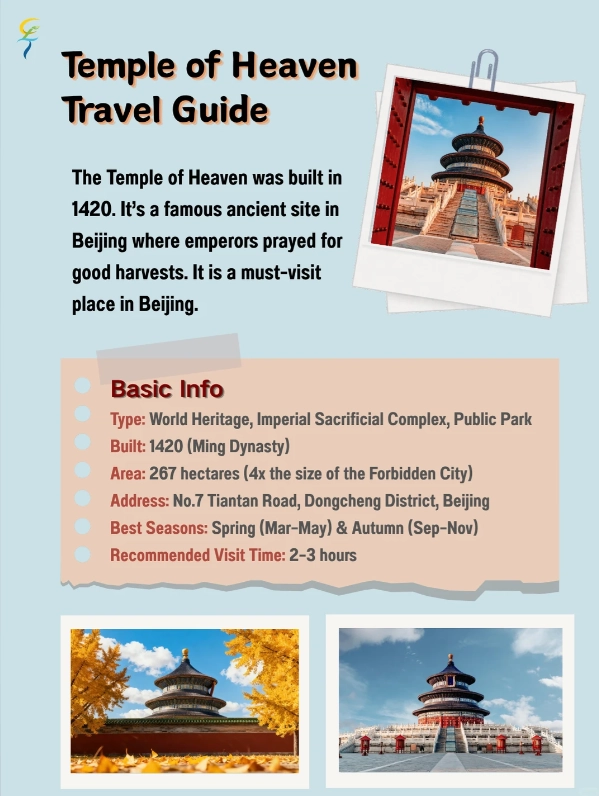
Why Visit the Temple of Heaven?
Let's cut to the chase. The Temple of Heaven, or Tian Tan, is a UNESCO World Heritage site for a reason. Built in the early 15th century during the Ming Dynasty, it served as a sacred altar where emperors performed rituals to ensure bountiful harvests. But here's something most guides don't emphasize enough: the architecture isn't just pretty; it's a masterpiece of symbolic design. The entire complex is laid out to represent the connection between heaven and earth, with circular shapes for heaven and square ones for earth.
The Hall of Prayer for Good Harvests
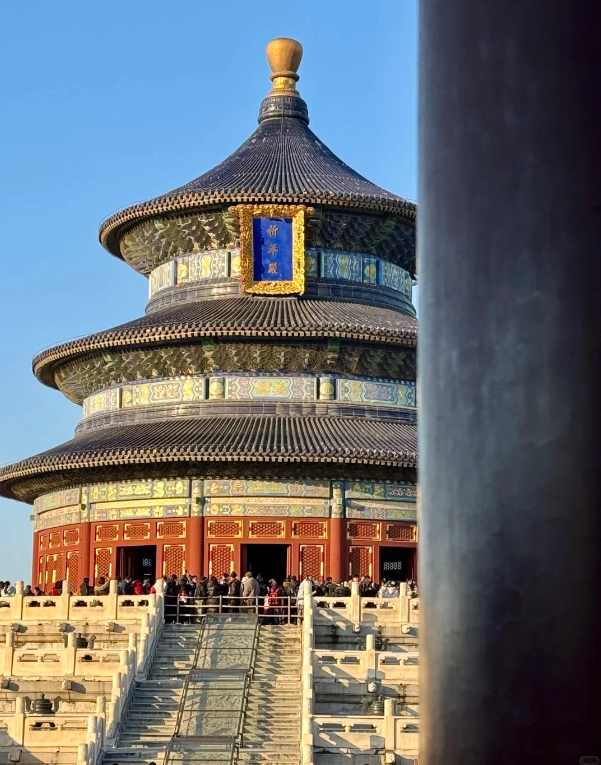
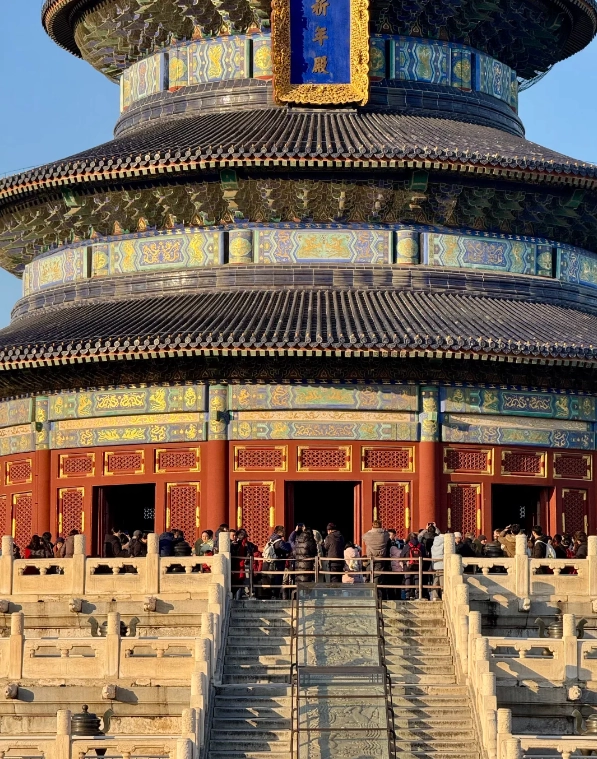
This is the iconic building you've seen in photos. Three tiers of blue-tiled roofs, all wooden without a single nail. When I stood inside, the intricate painted beams overhead felt overwhelming—in a good way. The hall is smaller than you might expect, but that intimacy makes it more powerful. Pro tip: most visitors crowd around the front. Walk to the side for a clearer view and better photos.
The Echo Wall and Circular Mound Altar
The Echo Wall is fun, but honestly, it's often too noisy to work properly. I tried whispering to a friend across the way, and all we heard were kids laughing. The Circular Mound Altar, though, is where you get a sense of scale. Standing on the central stone, I felt tiny against the open sky. It's a spot that makes you pause, especially if you visit early before the tour buses arrive.
Practical Information for Your Visit
Alright, let's get down to brass tacks. You need concrete details to plan your day, so here they are.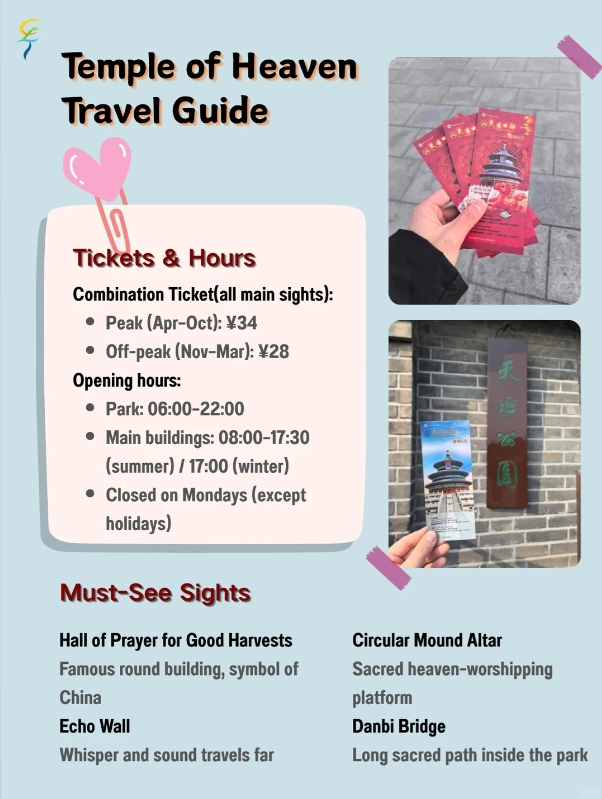
Ticket Prices and Opening Hours
The Temple of Heaven has a tiered ticket system. Buying the combo ticket is a no-brainer—it saves money and covers all main areas. Here's a breakdown based on my last visit:
| Ticket Type | Price (approx. in USD) | What It Includes |
|---|---|---|
| Park Entrance Only | $4 | Access to the outer park and gardens |
| Combo Ticket | $10 | Park entrance plus all major structures like Hall of Prayer and Echo Wall |
| Discounted (students/seniors) | $5 | Combo ticket with valid ID |
Opening hours vary by season. From April to October, it's 6:00 AM to 10:00 PM for the park, with inner structures open 8:00 AM to 6:00 PM. November to March, the park closes at 8:00 PM, and inner structures at 5:30 PM. I made the mistake of arriving at 5 PM in winter once—the gates to the hall were already shut. Learn from my blunder.
How to Get There: Transportation Options
The Temple of Heaven is in the Dongcheng District, south of central Beijing. Address: 1 Tiantan Dong Lu, Dongcheng Qu. Don't rely on taxis during rush hour; the traffic is brutal. Instead, take the subway. Line 5 to Tiantan Dongmen Station (East Gate) is the most convenient. Exit A and you're right there. Buses like 36 or 120 also stop nearby, but the subway is faster and cheaper. If you're coming from Tiananmen Square, it's a 30-minute walk south—pleasant if the weather's nice.
Insider note: The east gate is less crowded than the south gate. I always use it to avoid the initial bottleneck.
Best Time to Visit
Early morning, right when it opens. I'm talking 6 AM for the park or 8 AM for the halls. Why? The light is soft for photography, and you'll have the place almost to yourself until around 9:30 AM when groups pour in. Avoid weekends if you can—Saturdays are packed with local families. Spring and autumn are ideal seasons; summer is hot and humid, winter can be chilly but less crowded.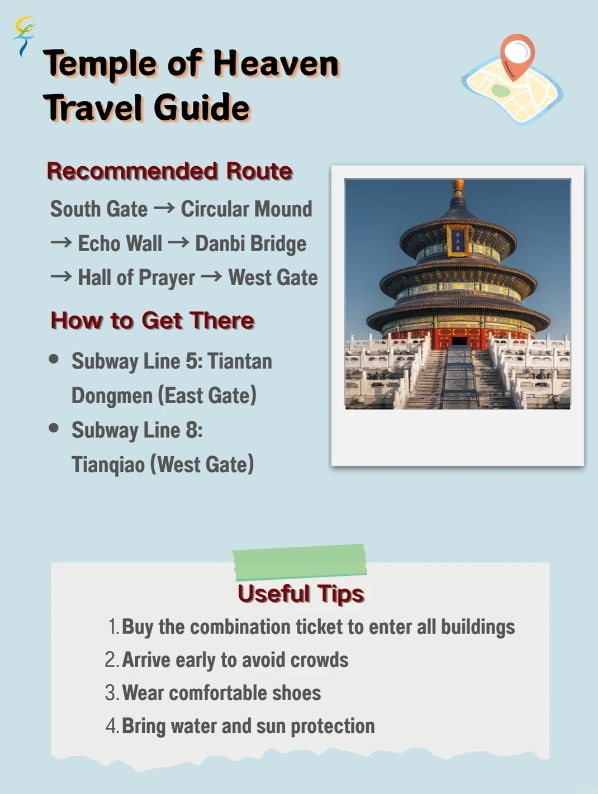
My Personal Experience at the Temple of Heaven
Let me paint a picture from my last visit. I entered at 7:30 AM on a Tuesday in October. The air was cool, and the maple trees in the park were starting to turn red. I headed straight to the Hall of Prayer for Good Harvests. There were maybe ten other people there, all quietly admiring the structure. I spent a good 20 minutes just sitting on a bench nearby, watching the sun hit the blue tiles. It felt peaceful, almost meditative.
Then I walked to the Imperial Vault of Heaven. This is where most tourists rush through, but I lingered. The courtyard has a few old cypress trees—one is over 500 years old. I touched its bark, imagining all it has witnessed. By 10 AM, the crowds thickened. The Echo Wall area became a cacophony of voices and selfie sticks. I ducked into a side path and found a quiet garden where locals practice tai chi. That's the thing about the Temple of Heaven; if you wander off the main route, you discover pockets of serenity.
Lunch? There's a basic cafeteria inside, but the food is mediocre. I usually pack a snack or head to a nearby hutong for authentic noodles. One time, I tried the roasted sweet potatoes from a street vendor outside the north gate—simple, cheap, and delicious.
How to Avoid Common Tourist Mistakes
After multiple visits, I've seen people make the same errors. Here's how to sidestep them.
Don't skip the outer park. Many visitors bolt to the main halls and leave. The park is massive—273 hectares—and it's where locals come to exercise, play chess, or socialize. Walking through it gives you a fuller sense of the site's role in daily life. I've joined impromptu badminton games here.
Wear comfortable shoes. This sounds obvious, but the grounds are expansive. I clocked over 3 miles just exploring the key spots. Cobblestone paths can be uneven, so avoid flimsy sandals.
Bring water and cash. While there are vendors, prices inside are higher. ATMs are scarce near the gates. I always carry a reusable bottle—there are drinking fountains by the restrooms.
Respect the rules. No smoking in the halls, and don't climb on the altars. I've seen guards scold tourists for sitting on the sacred stones. It's not worth the embarrassment.
Use a map or app. The site is well-signposted in English, but a digital map helps. I downloaded the official Beijing tourism app, which has an offline map of the Temple of Heaven. Saved me from getting turned around near the Seven-Star Rocks.
Frequently Asked Questions
 Can I visit the Temple of Heaven with young children?
 Wrapping up, the Temple of Heaven is more than a checklist item. It's a living piece of history that rewards slow exploration. From the intricate carvings to the quiet moments under ancient trees, every visit reveals something new. Use this guide to plan smart, and you'll leave with memories, not just photos. If you have more questions, drop a comment—I'm happy to share more from my on-the-ground experiences.
This article is based on personal visits and cross-checked with sources like the UNESCO World Heritage Centre and Beijing Municipal Administration of Cultural Heritage for accuracy.





Honestly, I was a bit underwhelmed. The ticket is quite expensive for what you get—35 RMB for the park, then another 20 for the main buildings. Yes, the Hall of Prayer is beautiful, but the whole place was under renovation when I visited (scaffolding everywhere), which they didn’t mention on the website. The park itself is nice but feels more like a regular city park with old buildings. If you're short on time or money, I'd skip this and go to the Forbidden City instead. The best part was watching the old men playing Chinese chess under the trees.
Great family day out! My kids (ages 8 and 12) really enjoyed running around the huge park and trying the echo wall. The history is fascinating and the architecture is gorgeous. I’d give it a 4 because the queue for the audio guide was very long (30+ minutes) and the souvenir shops inside are overpriced. Also, there are a lot of stairs around the main hall, so it’s not super stroller-friendly. But overall a memorable experience and a must-see in Beijing.
Incredible insight into Ming and Qing dynasty rituals. I hired a private guide near the ticket booth (about 150 RMB) and it was worth every yuan. He explained how the emperor would fast and pray here for good harvests, and pointed out the symbolic numbers—9 being imperial, 12 for months, etc. The acoustics at the Circular Mound Altar are genius; stand on the center stone and whisper, it echoes back. Only reason not a 5 for some might be the crowds by mid-morning, but that's any major site. I loved every second.
If you're a photographer or just love peaceful mornings, this is the place. I arrived at 6:30 AM and had the main compound almost to myself for the first hour. The light hitting the golden roof was magical, and I got incredible shots of the Echo Wall without a single tourist in frame. The long walk from the south gate through the cypress trees is meditative. Only minor thing: the audio guide rental was a bit clunky, but the experience itself is pure 10/10.
Absolutely stunning! The Temple of Heaven exceeded every expectation. The Hall of Prayer for Good Harvests is even more breathtaking in person, with its intricate wooden structure and blue tiles. I went early in the morning and watched locals practicing tai chi and playing traditional instruments in the surrounding park—it felt like stepping into a living painting. The layout and symmetry are genius. Definitely one of the best historical sites I've visited in China. Bring water and a hat because the grounds are huge!
The architecture is photogenic, no doubt. The best part was the Circular Mound Altar – the marble layers are stunning. However, the audio guide was boring and not very informative. Overall a solid 4-star experience.
Honestly, I was a bit underwhelmed. The entrance fee is high compared to other parks, and many of the buildings were under renovation when I visited. The site is large but the main structures are very similar. Not bad, but not amazing.
As a solo traveler, I found the Temple of Heaven incredibly peaceful. I spent hours just sitting on a bench watching the locals play cards and dance. The energy there is special. Highly recommend for a calm escape from the city.
Beautiful park and stunning architecture, but it was way too crowded on a Sunday afternoon. The queues for the main hall were long. Still worth visiting, just go early.
Absolutely incredible! I went at sunrise and watched locals practicing tai chi in the shadow of the Hall of Prayer for Good Harvests. The acoustics at the Echo Wall were mind-blowing. A must-see in Beijing!
A decent attraction but way too crowded even on a Tuesday afternoon. The queue for the main temple was 40 minutes, and once inside you're just shuffled along. The garden areas were nice but you can't really enjoy them with so many people. I found the ticket price a bit high for what you get — especially compared to other parks in Beijing. Just average experience overall.
I've been to many historical sites in China, and the Temple of Heaven stands out for its sheer harmony with nature. The circular architecture symbolizing heaven and the square base representing earth is a genius design. I spent nearly three hours just wandering through the ancient cypress trees. The audio guide was helpful but a bit dry. Definitely worth the trip from central Beijing.
What a stunning spot for a sunset walk! I came here after reading about the Echo Wall and the sound effects — they actually work! My friend and I had fun whispering from opposite ends. The park is huge and very clean, with plenty of benches to just sit and people-watch. A perfect escape from the city hustle. Would give it 4.5 stars if I could!
Honestly, I was a bit underwhelmed. The architecture is impressive, sure, but the whole place felt overly commercialized with souvenir stalls everywhere. The main building was under renovation when I went, so we couldn't get close. For the entrance fee, I expected a bit more maintenance and fewer pushy vendors. It's okay, but not a must-see in my book.
I visited the Temple of Heaven early on a weekday morning and it was absolutely magical. The park was filled with locals practicing tai chi and playing traditional instruments. The Hall of Prayer for Good Harvests is breathtaking in person — the blue tiles against the clear sky are something photos can't capture. Highly recommend going before 8am to avoid crowds and see the morning rituals.