 Lei Li
You're standing at the south entrance of Nanluoguxiang, the buzz of the crowd already hitting you. Your mission: find good souvenirs. Not the cheap, mass-produced trinkets, but something that whispers "Beijing" and "hutong". The short answer is yes, Nanluoguxiang can be excellent for souvenirs, but only if you know what to look for and, crucially, what to avoid. Having navigated its alleys more times than I can count, I can tell you it's a mix of genuine artisan gems and overpriced tourist traps. This guide isn't a generic list; it's a filter to help you find the good stuff.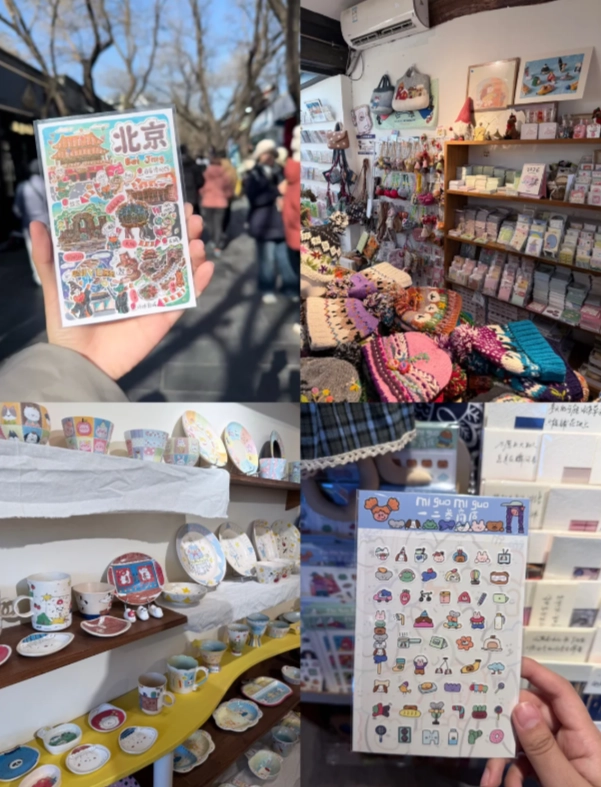
What You'll Find in This Guide
The Souvenir Scene: What’s Actually for Sale?
Let's cut to the chase. The main alley is a river of people, and the shops reflect that. You'll see the same five items repeated every few meters: Mao Zedong watches, "I ❤ BJ" t-shirts, plastic opera masks, jade bracelets (of dubious authenticity), and painted fans. If that's your target, you're set. But for most, that's the disappointment zone.
The real shopping begins when you look beyond the obvious. The value of Nanluoguxiang isn't in its main street homogeneity, but in the pockets of individuality tucked away in side alleys and smaller shops. The souvenir landscape here breaks down into clear tiers.
| Type of Souvenir | Description & Where to Glimpse It | Price Range (Approx.) | My Take |
|---|---|---|---|
| Mass-Market Trinkets | Keychains, generic magnets, printed scarves, plastic toys. Ubiquitous on main alley storefronts. | ¥10 - ¥50 | Skip it. You can find these anywhere. Low quality, zero uniqueness. |
| "Traditional" But Generic | Cloisonné earrings, silk pajama sets, calligraphy sets, painted porcelain. Many main alley shops. | ¥50 - ¥300 | Be skeptical. Quality varies wildly. Silk might be synthetic; cloisonné might be resin. Ask questions. |
| Artisan & Niche Crafts | Hand-bound notebooks, custom name chops, indie ceramic jewelry, vintage poster reproductions. Look in smaller side-street shops. | ¥80 - ¥500+ | The sweet spot. This is where you find character and craftsmanship. Worth the hunt. |
| Local Food & Drink | Wen Yu Cheese (a local chain), fruit candies, packaged sesame cakes. Scattered throughout. | ¥15 - ¥80 | Great for consumable gifts. Wen Yu cheese sticks are a quirky, genuinely local buy. |
I made the mistake early on of buying a "silk" scarf from a bustling main alley shop. It felt rough and pilled after one wash. The vendor had been so convincing. Later, in a quieter courtyard, I found a woman selling scarves made from off-cuts of real designer silk, each with a tiny flaw that made it unique. The difference was night and day.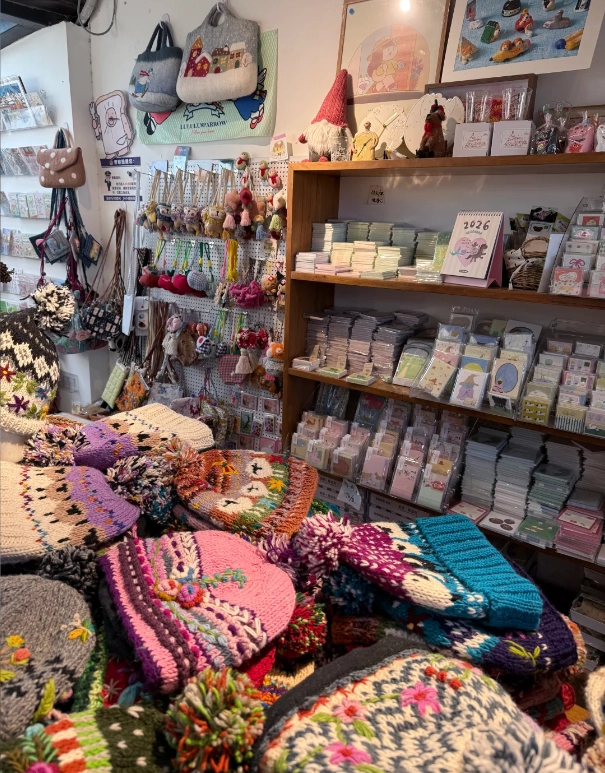
Where to Find the Best Souvenirs in Nanluoguxiang
Your strategy should be to use the main alley as a thoroughfare, not a shopping destination. The moment you peel off into the smaller alleys branching east and west—the hutong that give the area its real structure—the game changes.
Focus on the Side Alleys (The *Hutong*)
Mao'er Hutong and Ju'er Hutong, running parallel to the main strip, are infinitely more interesting. The shops here have lower rents, which often translates to more interesting owners and products. I found a tiny shop in Mao'er Hutong that only sells handmade leather goods—wallets, notebook covers, key fobs—crafted by the owner on-site. You can watch him work. That's a souvenir with a story.
Specific Shops Worth Seeking Out
I won't list twenty, because most won't stick around forever. But based on my last visits, these types of places consistently deliver:
The Independent Stationery Shop: Look for shops selling washi tape, local artist postcards, and hand-bound journals. They often collaborate with Beijing-based illustrators. A postcard set of Beijing's hutongs from here is a far better memory than a glossy photo book.
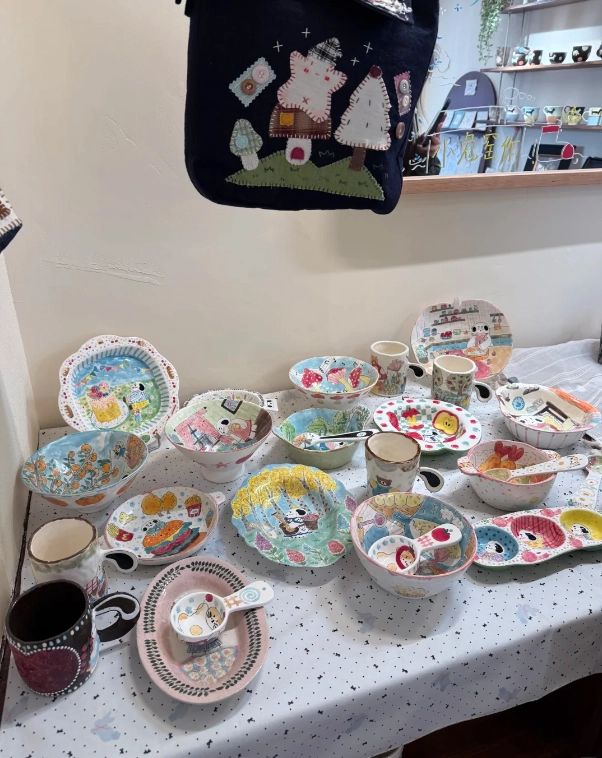
The Modern Ceramics Studio: Several small studios sell contemporary ceramic cups, bowls, and jewelry. The designs are minimalist, often playing with traditional shapes in new ways. A delicate tea cup from one of these feels modern and timeless.
The Name Chop Carver: This is a classic, but you need the right one. Avoid the pushy stalls. Find a small, seated carver who takes time. You pick the stone (ask for soapstone if you want a cheaper but good option), choose the script, and get your name carved in Chinese characters. It takes 20-30 minutes. A functional, personal seal.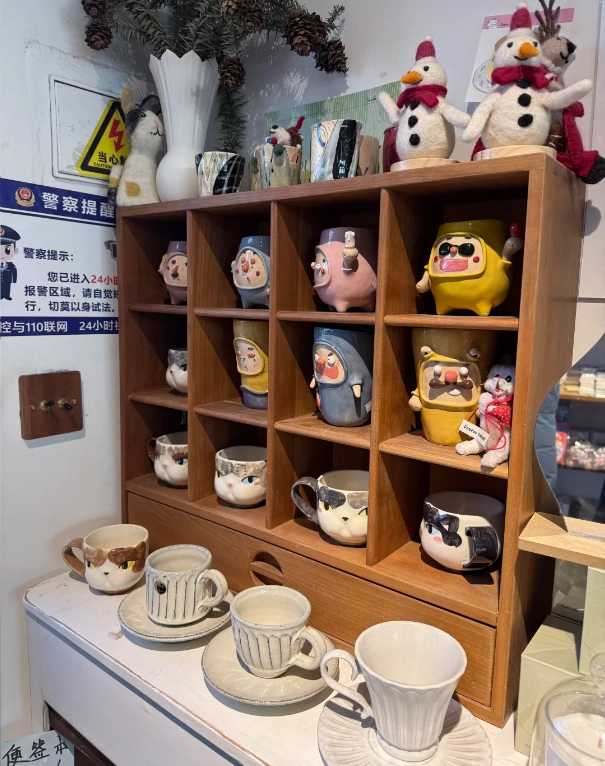
Getting There & Basics: Nanluoguxiang is open-air and free to enter, with shops typically open from around 10:00 AM to 10:00 PM. The nearest subway station is Nanluoguxiang Station on Line 6 (Exit E). Come on a weekday morning if you hate crowds; weekend afternoons are a packed, slow-moving river of people. There are no tickets, just your patience and wallet.
Smart Shopping Tips for Nanluoguxiang
This is where experience pays off. These aren't rules, just hard-earned observations.
Go early or go late. 10 AM is golden. Shop owners are rested, crowds are thin, and you can actually browse. After 4 PM, it's a festival of elbows.
Price tags are a good sign. Shops with clear, marked prices are often more legitimate and less likely to engage in aggressive haggling for simple items. The places where you have to ask are where you're more likely to get a "tourist price" initially.
Haggle on the generic, not the artisan. Trying to knock 50% off a mass-produced scarf is expected. Trying to haggle aggressively with a potter over a cup they threw and glazed themselves is rude and won't work. For handmade items, I might ask politely if there's any flexibility, but I respect their pricing.
Carry cash (small bills). While Alipay and WeChat Pay are ubiquitous, some smaller vendors or older shopkeepers prefer cash, especially for smaller purchases. Having ¥20 and ¥50 notes makes life easier.
Look up. Literally. The best shops are sometimes on the second floor of a building, marked by a small sign. You'll miss them if you're just looking at eye-level storefronts.
My biggest tip? If something feels special, buy it. I once hesitated on a small print of a Beijing courtyard door, thought "I'll see if it's cheaper elsewhere," and never found it again. In a sea of repetition, the unique items don't get replicated.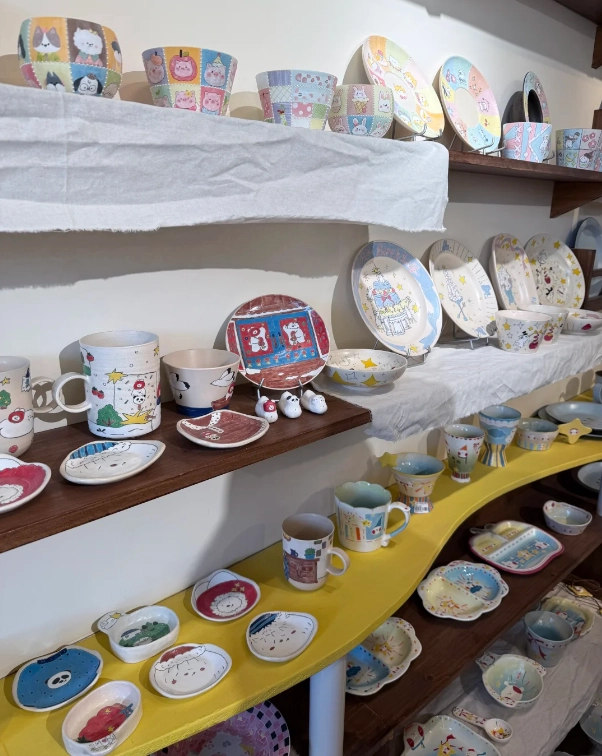
Your Nanluoguxiang Souvenir Questions Answered
Is Nanluoguxiang too crowded for comfortable shopping?
Are prices in Nanluoguxiang higher than elsewhere in Beijing?
 What's one souvenir most tourists overlook but is actually great?
How do I know if something is genuinely handmade or just pretending?
Is it worth going to Nanluoguxiang just for souvenirs, or should I combine it with something else?





Honestly, I was a bit let down. The store looks promising from outside with all those lanterns, but inside it's mostly the same stuff you see in every tourist trap in Beijing – plastic toys, mass-produced fans, and cheap magnetic bookmarks. I was hoping for more local handmade items. Prices are also on the higher side compared to shops a few blocks away. The clerk was on her phone the whole time. Left empty-handed. Maybe it's fine for a quick look, but don't expect anything special.
Decent selection of souvenirs – from Mao badges to embroidered pouches – but the service was a bit cold. The cashier didn't greet me and seemed annoyed when I asked to see more designs of the silk scarves. However, the quality is solid, and the prices are average for this area. Ended up buying a nice blue-and-white porcelain hair clip. Not bad, but I've had friendlier experiences at other shops on the same street. 4 stars.
What a find! The window display caught my eye with these adorable fabric rabbits in traditional Chinese opera costumes. Inside I discovered hand-painted folding fans and quirky enamel pins of hutong scenes. The owner spoke decent English and explained the symbolism behind the patterns. Felt more like a mini museum than a souvenir shop. Bought three fans as gifts – they're already a hit with my friends. Highly recommend if you want something with soul.
This place is a gem for souvenir hunters who don't want the same cheap keychains. They have a huge selection of vintage-style Beijing postcards, silk bookmarks, and even mini cloisonné vases that actually look elegant. I grabbed a dozen postcards for less than 30 kuai. The lady at the counter wrapped everything carefully with tissue paper. Only minor issue: the shop is tiny, so it gets cramped when there are more than 5 people. Still, 5 stars for value and variety.
Spent a good hour browsing this little shop tucked away on a side alley off Nanluoguxiang. The owner was super patient and even showed me how some of the handmade ceramic magnets were made. Picked up a set of panda playing erhu – absolutely unique! Prices felt fair for the craftsmanship, and I loved that they had a small traditional Chinese knotting demo going on. Definitely coming back next trip.
Good guide for first-timers—helped me avoid the cheap mass-produced keychains everyone complains about. I found a decent jade bracelet from one of the listed vendors. However, the prices weren’t as low as the article suggested; haggling was still necessary, and some shopkeepers were pretty pushy. Worth a read but keep your guard up. 4 stars for the genuine effort.
My daughter and I used this guide as our shopping checklist during our afternoon stroll. It made the experience so much fun—we turned it into a little treasure hunt. The recommendation for the tiny calligraphy shop with the old master was pure gold; he even wrote our names in Chinese. Such a personal touch. Will definitely share this with friends visiting Beijing!
I was expecting more after all the hype. The guide is nicely written but felt a bit shallow—only covered about a dozen shops while Nanluoguxiang has dozens more. Also, the price ranges listed were way off; I saw ‘affordable’ items that cost double what the guide said. Not a total waste, but I ended up relying more on instinct than this article.
Solid advice overall, and I really appreciate the ‘honest’ angle. The best buys section pointed me to some nice silk pillow covers I wouldn’t have noticed otherwise. But a few of the shops mentioned seemed to have closed or changed stock since the guide was written—the little stationery store on the east end was gone. Still very helpful, just check dates.
Honestly, this guide saved my trip to Nanluoguxiang! I’d been overwhelmed by all the identical souvenir shops until I read about the hidden courtyard stores. The tip about the hand-painted lacquerware from the old lady near Exit E was spot on—I snagged a beautiful set that wasn’t overpriced. My only regret is not buying more. 5 stars for saving me from tourist traps!
Look, this guide is okay if you're a total first-timer, but for seasoned travelers it's a bit basic. I followed the 'hidden gem' recommendation for a pottery studio but found the prices were way higher than similar shops just one block over. Also, the claim that 'all shopkeepers speak English' is a stretch – I had to use Google Translate twice. The positive side: the map layout is clear and the tips on distinguishing handmade from machine-made fans were accurate. Solid 3 stars – good starting point, just double-check everything.
Just got back from Beijing and used this guide on my last day – wish I'd read it sooner! The author's tip about visiting early morning to avoid crowds was golden. I ended up buying a gorgeous hand-embroidered silk bookmark from a tiny shop near the Bell Tower that wasn't even on the main strip. The description of the shopkeeper's cat and the smell of incense was so accurate I felt like I'd been there before. Only minor gripe: a couple of the WeChat QR codes didn't scan.
Decent overview but nothing groundbreaking. I was hoping for more budget-friendly options under 20 yuan; most of the 'best buys' they recommend start at 80-100 yuan. The writing feels a bit like a paid promotion for those pricier stores. Also, the section on edible souvenirs (like candied hawthorn) didn't mention that the ones sold on the main alley are often stale. Better off going to a local bakery outside the hutong. Still, some useful tips on avoiding mass-produced keychains.
This article is a total game-changer! As someone who hates aggressive haggling, I loved the list of fixed-price souvenir shops. Followed the recommendation for the 'Mao-era propaganda poster' store – the owner even explained the history behind each print. Scored a vintage-style enamel mug for 35 yuan. The guide also warned about fake jade, which saved me from a costly mistake. 5/5 – would print and laminate if I could!
Honestly, this guide saved me from buying another fridge magnet. I've been to Nanluoguxiang three times before and always ended up with overpriced junk. The tips on which shops sell authentic hand-painted snuff bottles and where to find that hidden courtyard for hand-carved stamps are spot-on. Bought a beautiful cloisonné bracelet from the stall near Exit E – exactly what I wanted. Only gave 4 stars because a couple of the stores mentioned have already closed, so some info feels a bit dated.