 Fang Wang
Let's cut to the chase. If you're looking for a genuine escape from Shanghai's concrete jungle, Chenshan Botanical Garden isn't just an option—it's the best one. I've spent countless afternoons here, from crowded spring weekends to quiet, misty winter mornings. It's more than a collection of plants; it's 207 hectares of meticulously designed landscape, world-class conservatories, and surprising pockets of serenity that most visitors walk right past.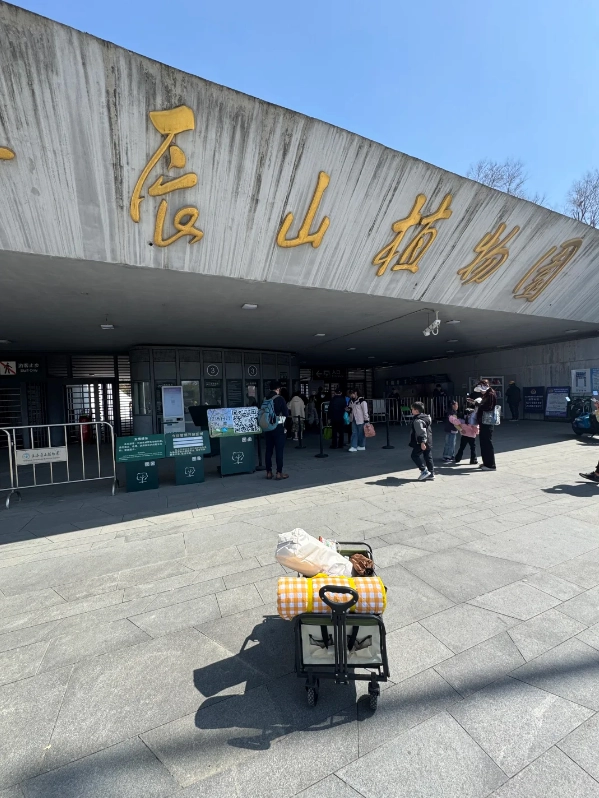
Quick Navigation: What's in This Guide
- What Makes Chenshan Botanical Garden Special?
- Planning Your Visit: Tickets, Hours, and Getting There
- Navigating the Gardens: Must-See Zones and Hidden Gems
- A Deep Dive into the Iconic Conservatories
- Beyond the Blooms: Activities and Seasonal Events
- Making the Most of Your Day: Practical Tips and Strategies
- Your Chenshan Botanical Garden Questions Answered (FAQ)
What Makes Chenshan Botanical Garden Special?
Most big cities have a botanical garden. Shanghai has several. So why does Chenshan stand out? It's the scale and the drama. The garden is built around an old quarry, which they transformed into its stunning centerpiece—the Quarry Garden. You have this massive, deep pit with a waterfall cascading down mossy rock faces, surrounded by lush vegetation. You don't just look at flowers; you feel immersed in a landscape.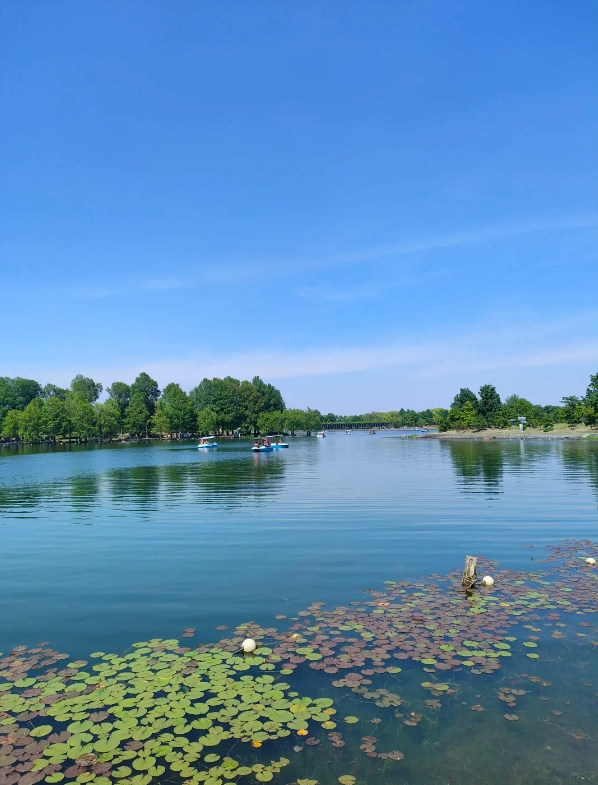
The conservatory complex, often called the "Greenhouse," is an architectural marvel. Three separate, giant glass domes house completely different worlds: tropical rainforest, desert succulents, and rare flowers. Walking from the humid, dense rainforest into the dry, open desert biome within minutes is an experience you won't forget.
But you know what? The real magic often lies off the main paths. The sheer size means you can find quiet corners by the lakes, hidden benches in the rose garden, or the incredibly peaceful Bamboo Garden where the only sound is the wind rustling through the canes. It's a place designed for both grand spectacle and quiet contemplation.
Planning Your Visit: Tickets, Hours, and Getting There
Getting this right saves you a headache at the gate. Here’s the actionable info you need to lock down first.
Ticket Prices and Discounts
As of my last visit, the standard ticket is 60 RMB. That's for full garden access, including all outdoor areas and the three main conservatories. It's excellent value. Students and seniors (60-69 years old) get a 50% discount with valid ID. Seniors over 70 and children under 1.3 meters (or under 6 years old) enter free. They sometimes offer slightly cheaper online prices through platforms like Ctrip or Meituan, but the difference is minimal—often just 5 RMB. I usually just buy at the gate to avoid app hassle.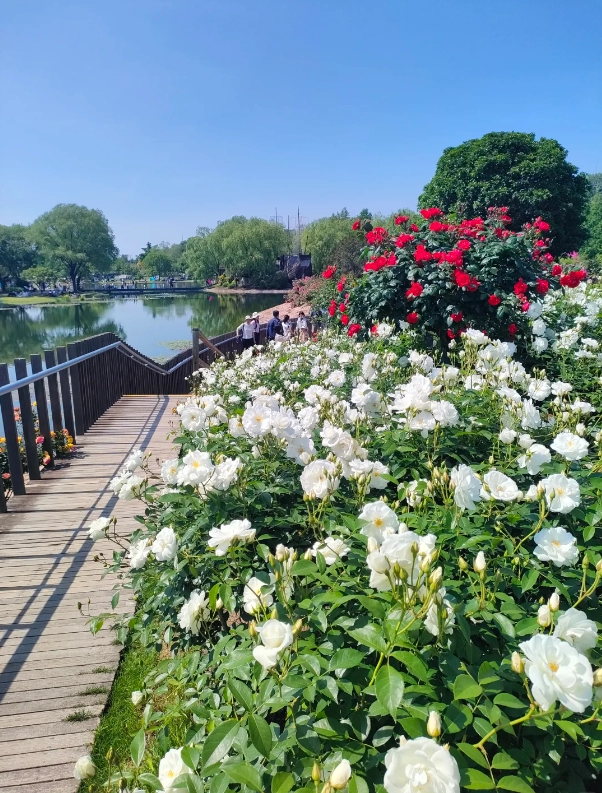
Opening Hours and Best Time to Visit
The garden is open from 8:00 AM to 5:30 PM. Last entry is at 5:00 PM. The conservatories close slightly earlier, at 5:00 PM. They stop letting people into the greenhouses around 4:45 PM. Mark that. Nothing's worse than rushing to the domes only to find the doors closed.
When to go? Weekdays, always. Tuesday or Wednesday mornings are golden. If you must go on a weekend, aim to be at the gate by 8:30 AM. You'll have an hour of relative peace before the crowds swell around 10 AM. Seasons: Spring (April-May) is obviously famous for tulips, cherry blossoms, and peonies. Autumn (October-November) is my personal favorite—the weather is perfect, the crowds thinner, and the foliage colors are stunning. Summer is hot and crowded. Winter is quiet, and the conservatories are a warm, wonderful escape.
How to Get to Chenshan Botanical Garden
The address is No. 3888 Chenhua Road, Songjiang District, Shanghai. It's not in the city center, but it's very manageable.
- By Metro (Recommended): Take Line 9 to Dongjing Station. This is the easiest way. From Exit 3, you'll see the bus terminal. Hop on the free shuttle bus (look for the "Chenshan Botanical Garden" sign) or take bus Songjiang 19路 for one stop. The shuttle is direct and drops you at the main gate. The whole metro ride from central areas like Xujiahui takes about 45-50 minutes.
- By Taxi/Ride-Hailing: A taxi from People's Square will cost around 150-180 RMB and take 45-70 minutes depending on traffic. From Hongqiao Airport or Railway Station, it's a shorter, 30-minute ride.
- By Car: There's a large paid parking lot near the main gate. It fills up by 10:30 AM on weekends.
Navigating the Gardens: Must-See Zones and Hidden Gems
The park is huge. You can't see everything in one day without marathon training. You need a strategy. I break it down into three core exhibition zones, plus my personal quiet spots.
| Zone Name | What You'll Find | Time Needed | My Take |
|---|---|---|---|
| The Conservatory Complex (Greenhouses) | Three massive biomes: Tropical Rainforest, Desert Plants, Rare Flowers & Plants. The architectural highlight. | 60-90 mins | Non-negotiable. Go early to avoid the worst crowds inside. The desert greenhouse is my least favorite—it can feel like an oven. |
| The Quarry Garden | The iconic deep quarry with waterfall, lakes, and cliffside walkways. Most dramatic scenery. | 45-60 mins | The star of the show. Walk down into the pit for the best views up. The waterfall is man-made but beautiful. |
| Specialized Plant Gardens | Dispersed areas: Rose Garden, Japanese Garden, Maple Garden, Bamboo Garden, Children's Garden, etc. | 90-120+ mins | Pick 2-3 based on season. Spring: Rose & Japanese Garden. Autumn: Maple Garden. For peace: Bamboo Garden. |
My Personal Favorite Hidden Spots
Don't just follow the main path from the gate to the greenhouse. After you see the conservatories, veer left towards the lakes.
The Lakeside Walkway behind the conservatories is often empty. You get a fantastic reflection shot of the glass domes in the water.
The Bamboo Garden is rarely crowded. It's a maze of different bamboo species, and the sound is incredibly soothing. There's a small wooden pavilion in the middle that's perfect for a rest.
Near the Quarry Garden's exit (the upper level), there's a path that leads to a small hill with a pagoda. It's a bit of a climb, but you get a panoramic view of the entire quarry and the garden's western sections. Maybe 1 in 50 visitors bothers going up there.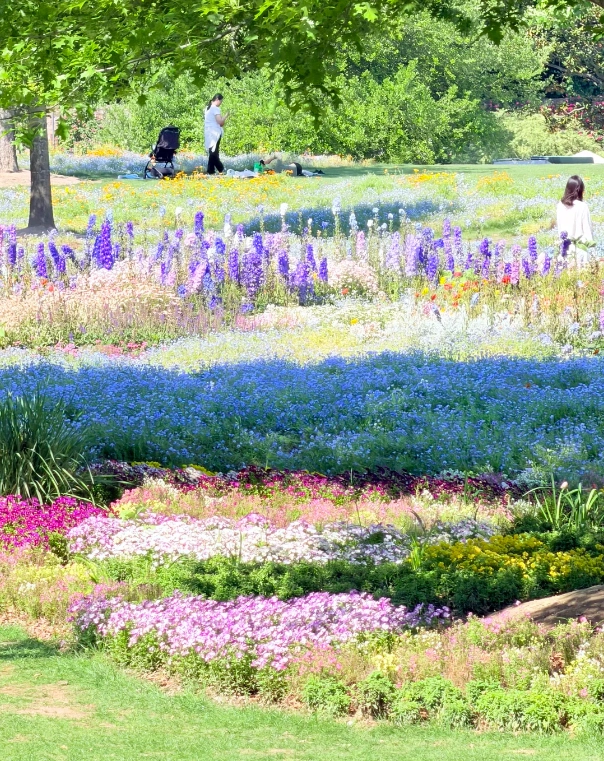
A Deep Dive into the Iconic Conservatories
These glass pyramids are the heart of the garden. Each has a distinct personality.
1. The Tropical Rainforest Greenhouse: This is the largest one. You walk in and the humidity hits you immediately. It's packed with palm trees, giant philodendrons, a canopy walkway, and even a small waterfall inside. Look for the cocoa trees and the vanilla orchids climbing up trunks. It feels genuinely immersive. On my last visit, I noticed they've added more signage in English explaining the plants' ecological roles.
2. The Desert Plant Greenhouse: A complete contrast. It's dry, bright, and filled with cacti and succulents from Africa and the Americas. The giant saguaro-style cacti are impressive, but the layout feels a bit more like a display case than a landscape. It gets extremely hot inside on sunny days. If you're with elderly visitors or young kids, they might find this one taxing.
3. The Rare Flowers and Plants Greenhouse: This one is cooler in temperature and often has rotating exhibitions. I've seen stunning orchid displays here, collections of carnivorous plants (pitcher plants, Venus flytraps), and delicate ferns. The Alpine Plant House section, which mimics a cool mountain environment, is a fascinating and often overlooked part of this dome.
Beyond the Blooms: Activities and Seasonal Events
Chenshan is active year-round. They host major floral exhibitions that are worth planning around.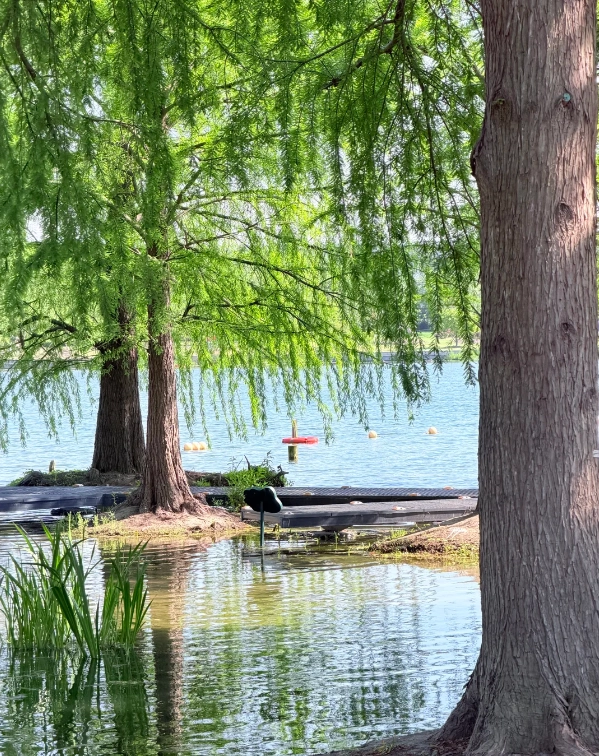
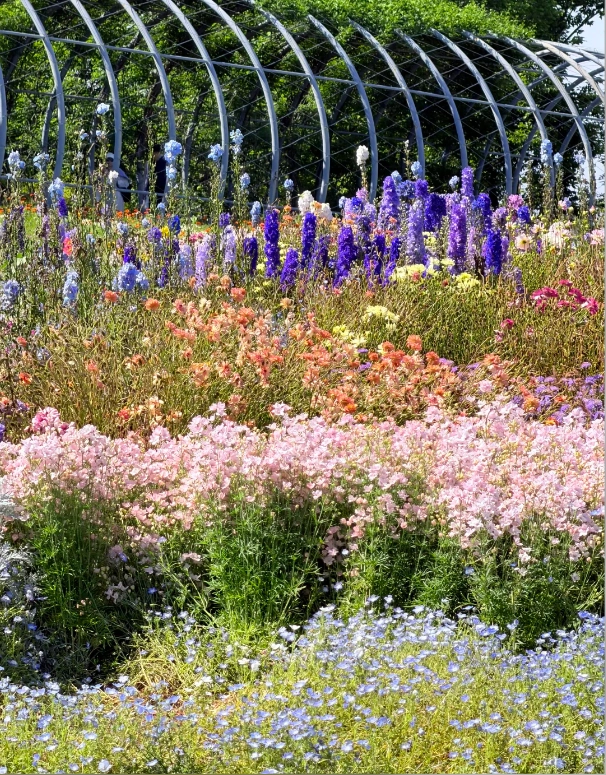
- Spring Tulip Festival (Late March - April): Massive, colorful displays near the main gate and lakeside. It's breathtaking but also the most crowded time of year.
- Autumn Chrysanthemum Show (October - November): Intricate displays, bonsai chrysanthemums, and themed sculptures. More subdued and elegant than the spring frenzy.
- Shakespeare Garden & Rose Festival (May): The Rose Garden is designed with plants mentioned in Shakespeare's plays. It's a nice literary touch.
For families, the Children's Garden has interactive plant displays and play areas. You can also rent bicycles (2-seater and 4-seater) near the entrance to cover more ground, though I prefer walking to really see the plants.
Making the Most of Your Day: Practical Tips and Strategies
Here’s the distilled wisdom from my visits.
Wear comfortable shoes. This is not a suggestion; it's a requirement. You will walk 8-10 kilometers on a full visit.
Bring water and snacks. There are a couple of cafes and kiosks (one near the conservatories, one near the quarry), but choices are limited and pricey. Packing some fruit, nuts, and a refillable water bottle is a smart move. There are drinking water refill stations near the restrooms.
Start at the back. My ideal itinerary: Enter, walk briskly past the initial flower beds (you'll see them on the way out), and head straight for the Conservatories. Explore them first thing in the morning. Then, walk to the Quarry Garden. Have a packed lunch by the lakes near the quarry exit. Spend the afternoon leisurely exploring 2-3 specialized gardens (e.g., Japanese Garden, Maple Garden) on your way back towards the entrance.
Use the map. Grab the free paper map at the entrance. It's decent. The signage within the garden is good, but having an overview helps.
Bathrooms are clean and plentiful, marked clearly on the map.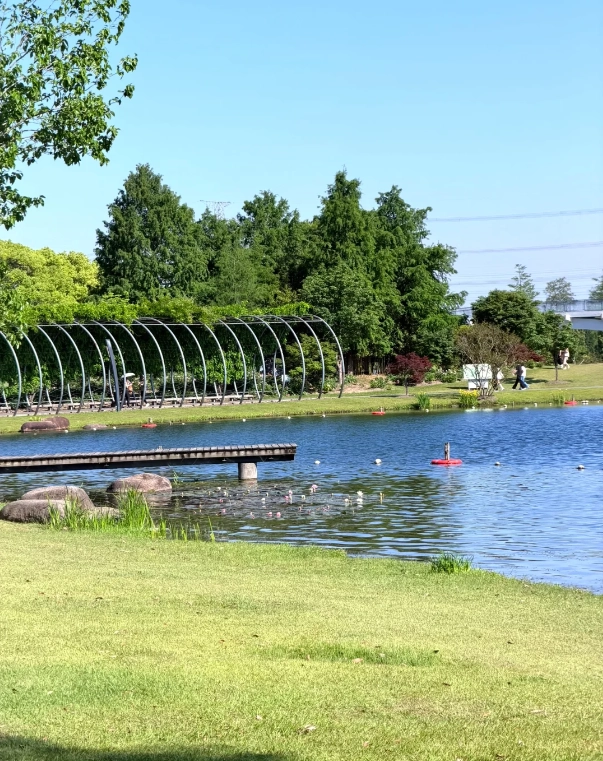
Your Chenshan Botanical Garden Questions Answered (FAQ)
Absolutely, and here's why. It's a landscape park first. The Quarry Garden feels like a natural canyon, the lakes are serene, and the architecture of the greenhouses is impressive even if you don't care about the species inside. It's a place for a long walk in a beautiful, manicured environment. Think of it as a massive, thematic park that happens to have amazing plants.
Spending too much time and energy in the first beautiful area they see—usually the flower beds near the entrance—and then being too tired to properly enjoy the conservatories and quarry, which are the real highlights. They're also the farthest points from the gate. Conserve your energy and go deep first.
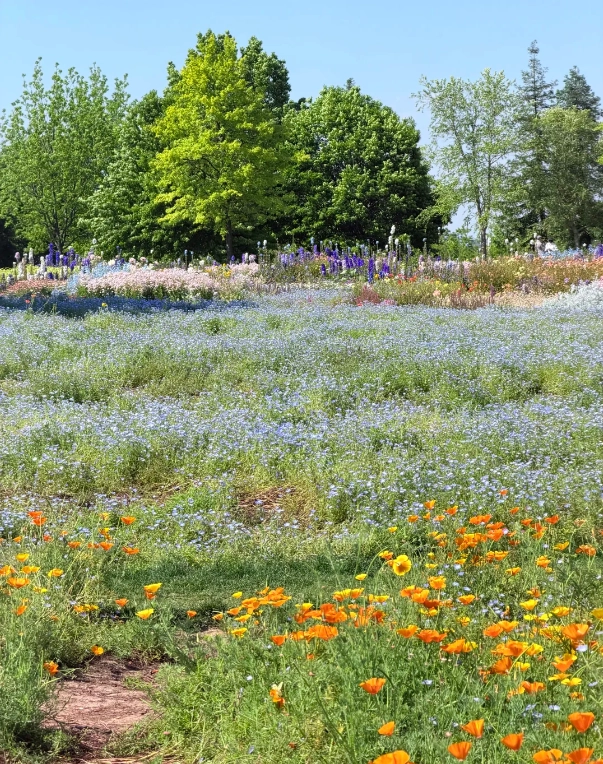 Can I bring food for a picnic?
Yes, and I highly recommend it. There are plenty of grassy areas, benches, and scenic spots by the lakes perfect for a picnic. Just be responsible—take all your trash with you. There aren't many great sit-down restaurant options inside, so a picnic improves the experience and saves money.
They serve different purposes. Shanghai Botanical Garden (in Xuhui) is older, smaller, more traditional, and easier to get to if you're in central Shanghai. Chenshan is larger, more modern, more dramatic in its landscaping, and has the superior conservatory complex. If you have time for only one and want a "wow" experience, choose Chenshan. If you want a quick, convenient green fix, the older garden is fine.
Still go. The conservatories are all-weather attractions, and the Quarry Garden in the misty rain is actually quite atmospheric—the rocks get darker, and the waterfall looks more dramatic. The paths are paved, so mud isn't a major issue. You'll have the place almost to yourself. Just pack a raincoat or umbrella.
Chenshan Botanical Garden is a destination that rewards a little planning. It's not just a checklist of plants; it's an experience of scale, design, and quiet discovery. Use this guide to navigate past the crowds and find your own perfect corner of this green oasis. Trust me, your feet will be tired, but your camera roll and your sense of calm will be full.
 This guide is based on multiple personal visits and cross-checked with current official visitor information. Details like ticket prices and shuttle bus operations are subject to change; checking the garden's official WeChat channel before your visit is always a good final step.





I wanted to love Chenshan, but I left feeling let down. For the entry price (¥60), I expected more curated displays – instead, many sections felt overgrown and neglected. The map was confusing and signage in English was sparse. Also, the café had very limited options and was overpriced. Maybe I caught it on an off day, but I've been to better botanical gardens for less. Disappointed.
A lovely botanical garden overall, but it didn't quite blow me away. The main greenhouse is impressive, but on a weekend it gets incredibly crowded – hard to enjoy the exhibits without bumping into people. Parking was also a bit of a hassle (arrive before 10am!). On the plus side, the cacti collection is fantastic and the lake views are relaxing. Worth a visit, but manage expectations for peak times.
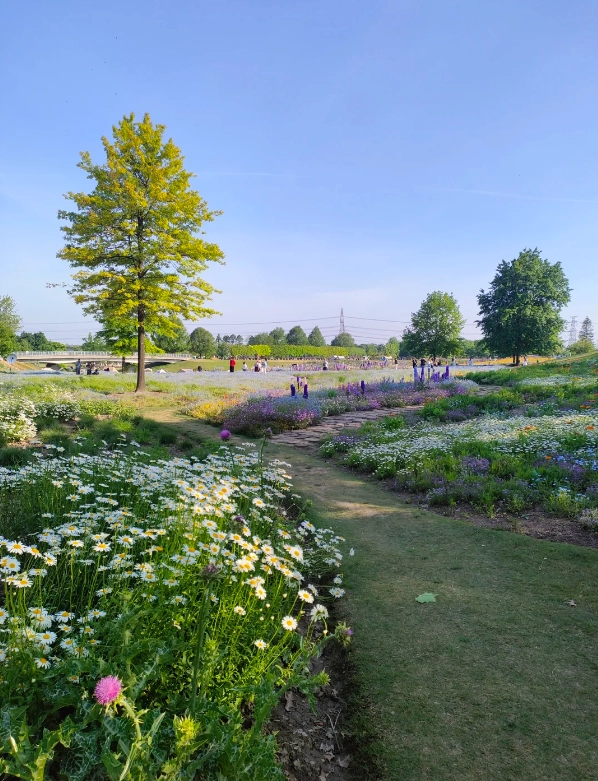
Chenshan is a photographer's paradise. Every corner offers a new composition – from the futuristic greenhouse domes to the wildflower meadows. The 'hidden gem' for me was the alpine rock garden with its tiny crevices and miniature landscapes. I went early morning and had the place almost to myself. The only downside? I wish they had more detailed plant labels. Still, 5 stars without hesitation.
We took our two kids (ages 5 and 8) and they had a blast. The children's garden is well-designed with interactive water features and a natural playground. Plenty of benches and shaded areas for parents to rest. The tram tour was a hit – our guide was knowledgeable and funny. Clean restrooms and several snack kiosks made it easy. Already planning a return trip!
Absolutely loved my day at Chenshan! The sheer variety of plants is mind-blowing – I spent hours in the tropical greenhouse just admiring the orchids and giant ferns. The hidden bamboo grove near the east gate was a serene escape from the crowds. Don't miss the rock garden at sunset – the light filtering through the mossy stones is magical. Highly recommend bringing a picnic and a good camera!
Great for photography – the light in the early morning hits the greenhouses perfectly and the reflections in the lake are surreal. I got some amazing shots of the metallic bridge and the lavender field in the back. Downside: the only food options were a single overpriced kiosk selling instant noodles and lukewarm tea. We ended up eating snacks from our backpack. Bathrooms were clean though. Good for a half-day outing, just bring your own lunch. 4 stars overall.
This is a paradise for plant nerds like me! The aquatic plant zone had blooming lotus and water lilies in every shade, and I spotted a rare carnivorous pitcher plant in the temperate greenhouse. The staff were knowledgeable and helped me identify a fern I'd been trying to name for months. The whole layout feels like a living textbook – educational signs are in Chinese and English. I spent 5 hours and still missed the rock garden. Will definitely return with my sketchbook.
Mixed feelings. Came specifically for the tropical greenhouse but found it closed for renovations – no warning on the website beforehand. The rest of the garden is decent but the signage is terrible; we ended up walking in circles trying to find the exit. On the bright side, the cherry blossom trees near the east gate were stunning, and the air smelled amazing. But for the price and planning, I expected better. Would only give it a 3.
A solid four stars. The variety of plants is impressive – I particularly loved the cactus collection and the butterfly house. However, it was a Saturday and the place was packed. We waited 20 minutes just to get into the parking lot, and the main paths felt like a crowd. The entrance fee is also on the higher side for a botanical garden (¥60 per adult). Still, the Chinese rose garden was blooming beautifully and well worth the trip. Just go on a weekday if you can.
Absolutely loved our day at Chenshan! The sunken garden (the quarry) was breathtaking – you can hear the waterfall before you see it, and the mist coming off the water feels magical. We stumbled upon a hidden bamboo grove behind the main greenhouse that barely anyone was visiting – pure serenity. The kids ran wild on the massive lawn near the entrance. If you have time, don't skip the little hilltop pagoda; the view over the whole garden is worth the climb. 5/5, will come back in every season.
Went on a cloudy weekday and practically had the whole place to myself. The rock garden near the east gate is seriously underrated — the combination of sculpted pines, grey stones, and a tiny waterfall felt like a Chinese ink painting come to life. I spent a whole hour just sitting on a bench watching koi fish. The only reason I'm not giving a perfect score is that the restroom near the tropical greenhouse was out of soap and paper. But if you love quiet, contemplative walks, this is heaven.
A paradise for plant lovers. I'm a hobbyist gardener and I was blown away by the collection of rare cacti in the desert greenhouse — some of them are over 100 years old! The hidden gem for me was the medicinal herb section tucked away behind the main path; not many people go there, but the scents of lavender, rosemary, and mint were incredible. My only small complaint: the map app drained my battery fast, and there weren't enough charging stations.
Great family day out! Our kids (ages 4 and 7) loved the children's garden with the little water play area and the maze. We discovered a quiet picnic spot near the lily pond — it felt like our own secret hideaway. The only downside was the cafeteria: overpriced noodles and the ice cream machine was broken. Still, the vast green spaces and the lake views made it worthwhile. We'll come back in autumn for the maple leaves!
Honestly, a bit disappointed for the price. The garden itself is huge and well-maintained, but the signage is terrible — I wandered around for 20 minutes trying to find the bamboo grove. Also, the shuttle bus drivers were rude and barely stopped at the designated spots. The cherry blossom area was pretty, but the crowds made it hard to enjoy. Would be a 4-star if they fixed the management issues.
Absolutely stunning! I spent a whole day here and still felt like I missed half of it. The sunken garden (hidden gem alert!) is like walking into a fairy tale — the layered rock walls and the turquoise water are breathtaking. The air smelled of damp earth and blooming wisteria. I could hear bees buzzing and birds chirping from every corner. Best botanical garden I've visited in Shanghai. Don't skip the greenhouse domes either!