 Yan Zhou
What You'll Find in This Guide
I've lost count of how many times I've wandered through Qibao Ancient Town. Nestled in Shanghai's Minhang District, this water town offers a slice of history that feels worlds away from the city's skyscrapers. If you're searching for an easy escape without leaving Shanghai, Qibao delivers canals, cobblestone lanes, and food stalls that buzz with local life. But here's the thing—most guides skim the surface. After dozens of visits, I've pieced together what really works, from avoiding crowds to finding the best pork buns. Let's dive in.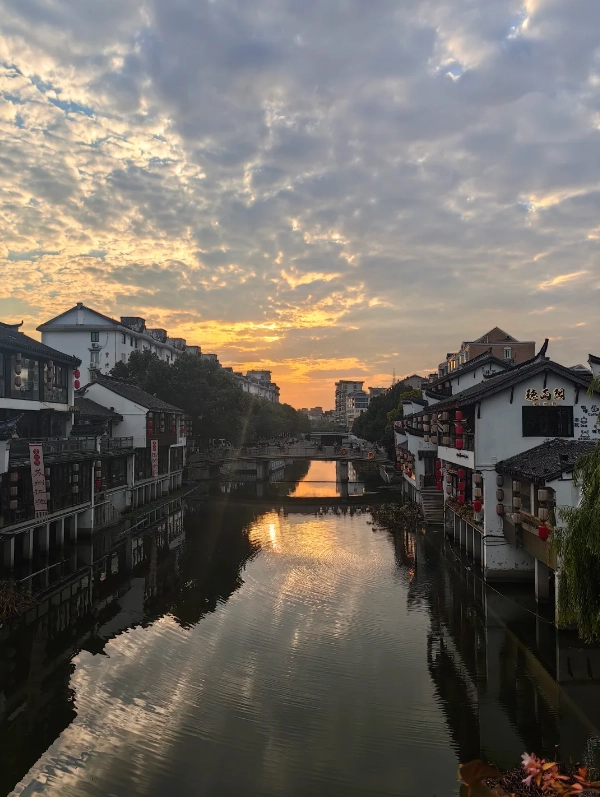
Why Qibao Should Be on Your Shanghai Itinerary
Shanghai can overwhelm with its pace. Qibao Ancient Town cuts through that. It's compact, accessible, and packs centuries of culture into a few square kilometers. Think of it as a miniature version of Suzhou's water towns, but with a gritty, lived-in vibe. The canals aren't just for photos; they're part of the daily rhythm. I've seen locals washing vegetables by the water, a detail most tourists miss. For a half-day trip, it's unbeatable. You get history, food, and that slow-down feeling without the long journey to places like Zhujiajiao.
But don't expect pristine perfection. Some corners are touristy, with souvenir shops lining the main street. That's okay. The charm lies in the mix. On my last visit, I stumbled into a shadow play performance in a tucked-away courtyard—free, unadvertised, and mesmerizing. It's these moments that make Qibao worth it.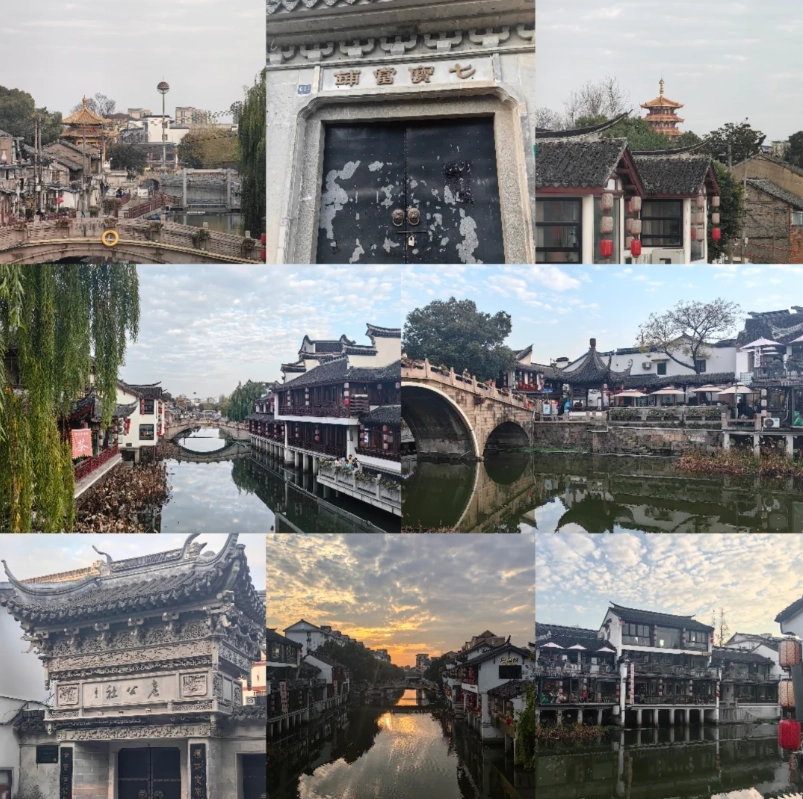
How to Get to Qibao Ancient Town
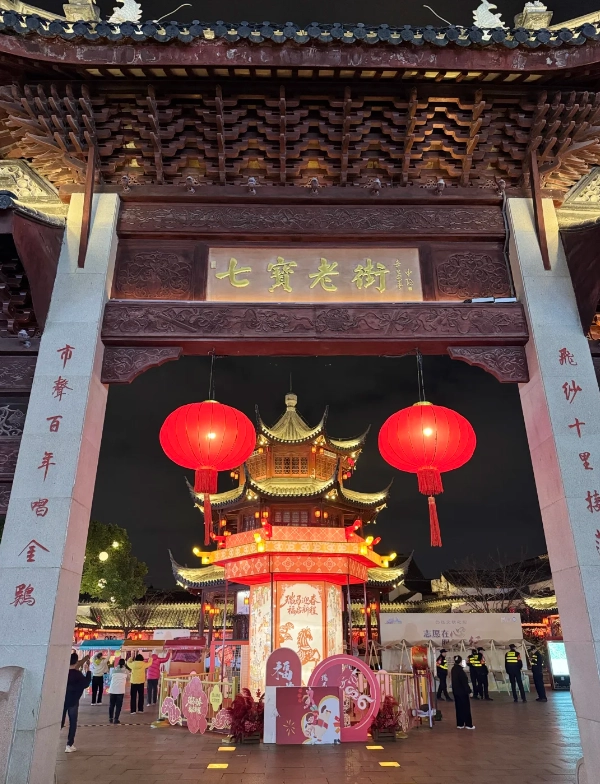
Transportation is straightforward. The easiest way is Shanghai Metro Line 9. Get off at Qibao Station, take Exit 2, and walk south for about 10 minutes. You'll see the ancient town's entrance arch. Signs are in English, so you won't get lost. If you're coming from People's Square, the ride takes roughly 40 minutes.
Buses work too. Routes like 91 or 92 stop near Qibao Old Street. Taxis are affordable; from central Shanghai, it costs around 50 RMB. I prefer the metro—it's reliable and drops you close. Avoid driving. Parking is limited and chaotic on weekends.
Pro tip: Visit on a weekday morning. Weekends bring crowds, especially after 11 AM. I made the mistake of going on a Saturday afternoon once; the main bridge was so packed I could barely move.
Exploring Qibao: Key Attractions and Activities
Qibao isn't huge, but it's dense with things to do. Most sites are along the central canal and Old Street. Here's a breakdown of the highlights, based on my multiple visits.
| Attraction | What to Expect | Ticket Price | Address | Opening Hours |
|---|---|---|---|---|
| Qibao Old Street | The main thoroughfare with shops, snacks, and canal views. Free to walk, but crowded. | Free | Along Beizha Road, Minhang | 24/7, shops 9 AM-10 PM |
| Qibao Temple | A Buddhist temple dating back to the Song Dynasty. Peaceful with incense aroma. | 10 RMB | 1 Qibao Street, Minhang | 8 AM-5 PM |
| Shadow Play Museum | Small museum showcasing traditional puppet shows. Interactive displays. | 5 RMB | 35 Nandajie, Minhang | 9 AM-4:30 PM, closed Mondays |
| Qibao Winery Exhibition | Exhibit on local rice wine history. Free tasting included—don't miss it. | Free | 28 Beizha Road, Minhang | 10 AM-6 PM |
| Canal Boat Ride | Short boat trips along the water. Great for photos, but queues can be long. | 30 RMB per person | Dock near Main Bridge | 9 AM-5 PM, weather permitting |
Beyond these, just wander. The back alleys near the temple have less foot traffic. I found a tiny calligraphy shop there where the owner let me try writing characters. No charge, just curiosity.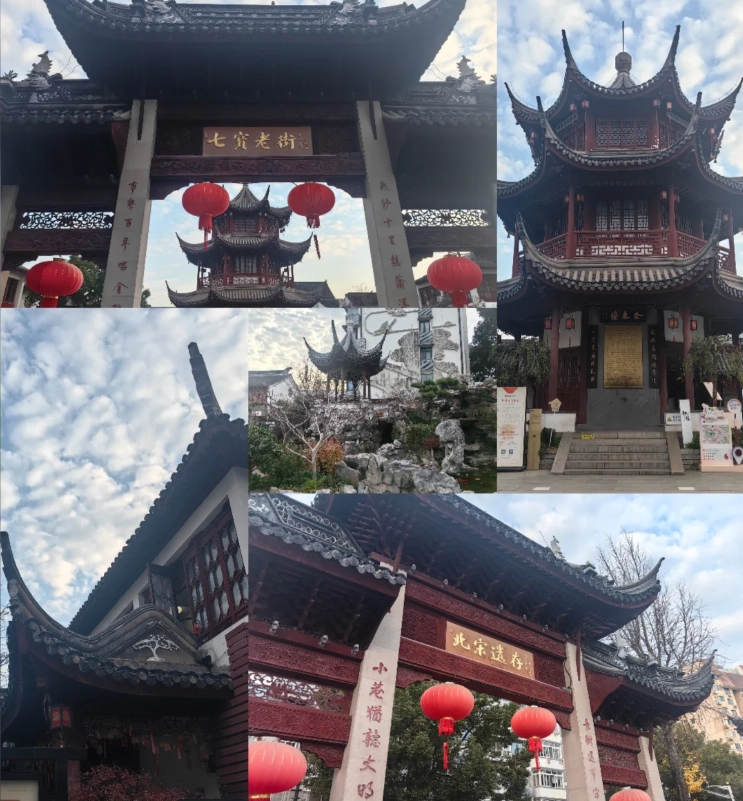
What Most Guides Miss
The real magic isn't in ticking off sites. It's in the details. Listen for the clatter of mahjong tiles from upstairs windows. Notice how the stone bridges have worn smooth from centuries of use. And if you visit in spring, the willow trees along the canal droop with a green that feels almost unreal. Bring a camera, but also just sit on a bench and watch life go by.
Foodie's Paradise: Must-Eat Snacks and Where to Find Them
Food is Qibao's heartbeat. The air smells of frying oil and sugar. I've tried nearly every stall, and here are the standouts.
Qibao Glutinous Rice Balls (Tangyuan): These sweet dumplings are iconic. The best spot is a stall called "Old Qibao Tangyuan" at 12 Beizha Road. They serve both sesame and peanut fillings. A bowl costs 15 RMB. I prefer the sesame—it's richer, with a hint of ginger. They're open from 8 AM to 8 PM.
Stinky Tofu: Love it or hate it, it's a must-try. The vendor near the shadow play museum has a crispier version. 10 RMB for six pieces. It's pungent, but the sauce balances it. I once saw a local buy three servings in a row.
Crab Shell Cakes (Xie Ke Huang): Flaky pastries shaped like crab shells. Find them at "Qibao Bakery" on Nandajie. 5 RMB each. They're best warm, with a slight savory sweetness. The shop opens at 7 AM and sells out by afternoon.
Rice Wine: Don't leave without tasting the local rice wine. The Winery Exhibition offers free sips, but for a fuller experience, head to "Family Rice Wine Shop" at 20 Beizha Road. A small cup is 8 RMB. It's sweet and mild, perfect for sipping by the water.
For a sit-down meal, "Qibao Teahouse" at 5 Qibao Street serves simple noodles and tea. A meal costs around 30 RMB. Nothing fancy, but the view of the canal is worth it.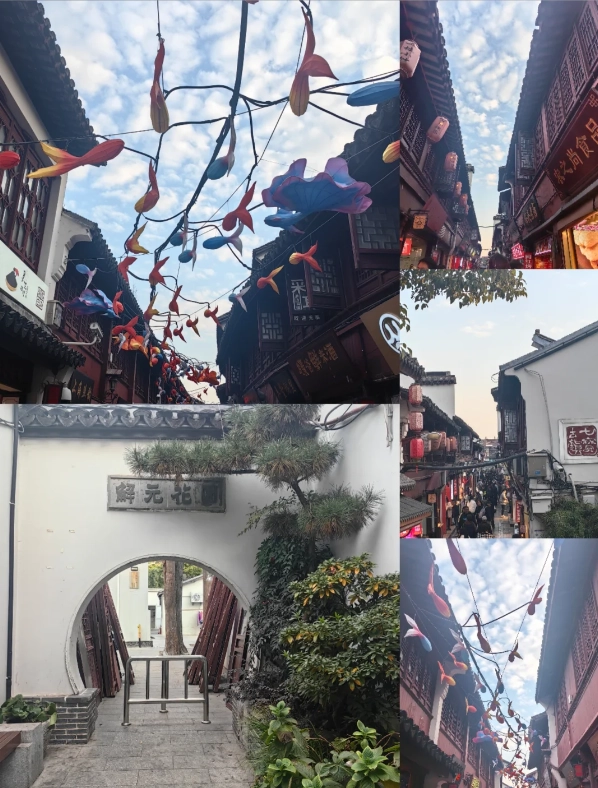
Practical Tips for Your Visit
Let's get down to brass tacks. Here’s what you need to plan your trip.
- Best Time to Visit: Weekday mornings, ideally between 9 AM and 11 AM. Evenings are quieter too, but some shops close early.
- Tickets: Entry to the ancient town is free. Individual attractions charge small fees, as shown in the table above. You can buy tickets at each site; no need for advance booking.
- Duration: A half-day (3-4 hours) is sufficient. If you're a foodie or want to linger, stretch it to 5 hours.
- What to Bring: Comfortable shoes for walking on uneven stones. Cash—many small vendors don't accept cards. A reusable water bottle; there are refill stations near public restrooms.
- Accessibility: The main streets are paved, but bridges and alleys have steps. Not ideal for wheelchairs or strollers.
According to the Shanghai Municipal Tourism Administration, Qibao sees over a million visitors annually, but most cluster on weekends. Time your visit right, and you'll have space to breathe.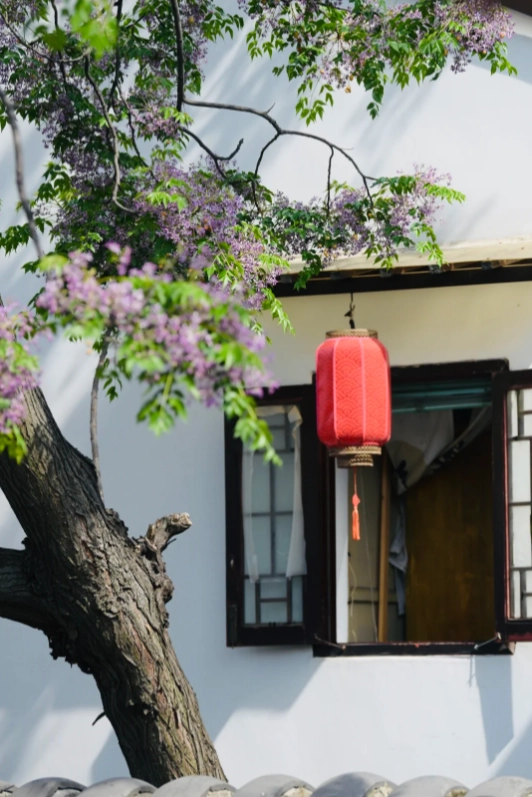
My Personal Experience and Hidden Gems
I've been visiting Qibao for years, and my favorite memory is from a rainy Tuesday. The crowds vanished, and the canals turned misty. I ducked into a tiny paper-cutting workshop off Beizha Road. The artist, Mr. Li, showed me how he crafts intricate designs. No English, just gestures and smiles. He sold me a small piece for 20 RMB—a bargain for the experience.
Another gem: the second-floor balcony of the Qibao Temple. Most people stay on the ground level, but climb the stairs for a panoramic view of the rooftops and canals. It's free with the temple ticket. I sat there for twenty minutes, watching boats glide by.
On the downside, some parts feel commercialized. The souvenir shops sell mass-produced trinkets. I skip them. Instead, look for handmade items like bamboo baskets in the side lanes. They're pricier but authentic.
One mistake I made early on: rushing. Qibao rewards slow exploration. Last month, I spent an hour just watching a fisherman mend his net by the water. It's these slices of life that stick with you.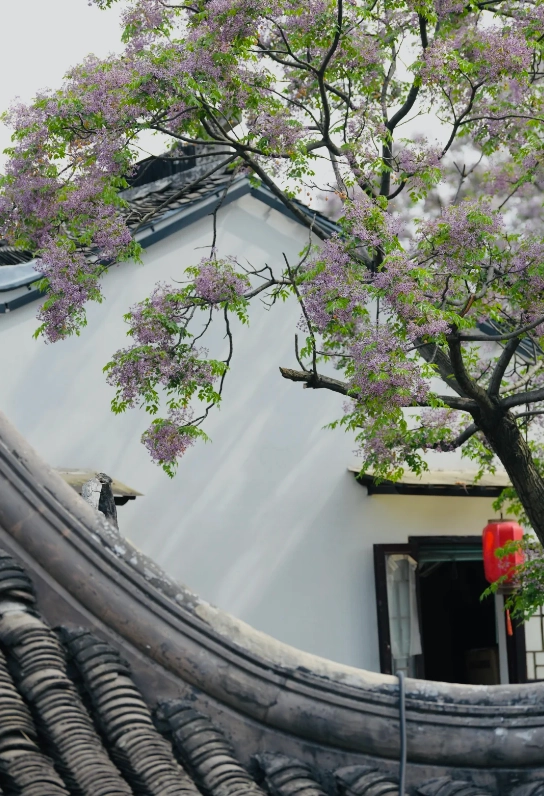
Frequently Asked Questions (FAQs)
 What's the biggest mistake tourists make in Qibao?
 This guide is based on multiple visits and local insights. Facts have been cross-checked with official sources like the Shanghai Culture and Tourism Bureau. Qibao Ancient Town isn't perfect, but it's a genuine piece of Shanghai's fabric. Go with an open mind, and you'll find more than just postcard views.





Honestly, I don't get the hype. It's basically a narrow alley packed with tourists shuffling shoulder-to-shoulder, with loud music blasting from multiple shops. The 'traditional' vibe is killed by selfie sticks and vape smoke. Food was overpriced compared to outside the town—a skewer of lamb that cost 20 RMB was just okay. The only highlight was the old bridge view, but you can't even enjoy it because people are queuing for photos. Way too crowded for what it is. Would not return.
A nice half-day trip from central Shanghai. The canals are picturesque and the old buildings are charming. I enjoyed the boat ride (30 RMB) and the peanut candy being made fresh. My main complaint is that it's pretty commercialized now—every third shop sells the same keychains and preserved plums. Also, the public restroom near the south entrance was filthy. Worth a visit if you're in the area, but manage expectations. Solid 4 stars.
What a gem for anyone interested in Ming/Qing dynasty architecture. The old cotton textile workshop and the cricket museum are tiny but full of character. I loved the restored theater where they sometimes play local opera—unfortunately the performance schedule wasn't posted well. Still, walking the main street felt like stepping back in time. The ticket to the few paid attractions is cheap (10 yuan each). Very authentic, not overly Disneyfied like some other water towns.
Came here mainly for the food and left completely stuffed. The braised pork trotters at the old lady's stall near the north gate are melt-in-your-mouth good. Also tried the stinky tofu (way better than the touristy version in Yuyuan) and the hand-pulled soup dumplings. Everything was super fresh and cheap—most snacks under 15 RMB. The only downside? It gets insanely crowded by noon, so go hungry and early. Five stars for the eats!
Arrived at 8am before the crowds hit and it was absolutely magical. The mist rising off the canal, the creaking of wooden boats, and the smell of freshly baked green tea cakes from a tiny stall near the bridge. This is the real old Shanghai—no tacky souvenir shops, just narrow alleys, stone bridges, and locals washing clothes by the water. Spent two hours just wandering and taking photos. If you want peace, come early. Highly recommend.
For a quick, cheap day trip from Shanghai, this place is a steal. Metro was easy, entrance was free, and I spent less than ¥100 on snacks and a tiny souvenir. Yes it's touristy, but the canal scenery is genuinely pretty. I went on a weekday and had whole sections to myself. Highly recommend if you keep expectations real.
Came for the photography and was not disappointed. Early morning light filtering through the willow trees, reflections in the water, and hardly any tourists at 8am. The old tea house near the east gate is a hidden gem—quiet, cheap tea, and great people‑watching. A peaceful escape from Shanghai's chaos.
The food scene here is legit—I tried eight different snacks in two hours. The green bean cake and the fried shrimp rolls were standouts. Crowded on a Saturday, but the narrow alleys keep it charming. Only downside: some vendors were pretty pushy. Worth a half‑day trip just for the eats.
Honestly, it felt like every other tourist trap after a while. Same mass‑produced souvenirs, same loudspeaker music. The stinky tofu was good, but I waited 20 minutes for it. If you've seen one water town, you've seen them all. Not terrible, but I wouldn't go out of my way again.
I absolutely loved the old canal vibe—especially in the late afternoon when the sun hits the wooden bridges just right. The locals doing calligraphy by the water made it feel like a living postcard. Snack stalls are fun too, though I wish there were more benches to sit and soak it all in. Definitely coming back.
Good value for a quick trip. The entrance fee is reasonable and you can spend a few hours wandering around. The 'traditional' performances feel a bit staged. Snacks like stinky tofu and soup dumplings are cheap and tasty. However, some of the paid attractions like the art gallery are not worth the extra money. Overall, a solid 4 for the atmosphere and food.
I arrived at 7am and had the place almost to myself. That made all the difference. Walking along the canals as the mist rose, hearing only the birds and the occasional bicycle bell - magical. Found a tiny teahouse run by an elderly couple and had the best jasmine tea. Later it got busy, but that early morning silence is unbeatable. A true local's secret.
Honestly, I was a bit disappointed. It's very touristy and crowded even on a weekday. The food was overpriced compared to other places in Shanghai. The alleys are narrow and it felt like a theme park rather than an authentic water town. Maybe if you go early morning it's better, but for me it was just okay. Not sure I'd recommend it over other options.
A nice escape from the city, but it's becoming more commercialized. The main street is packed with souvenir shops and food stalls that all seem similar. Still, the canal area is picturesque and the bridge views are great for photos. I enjoyed the local pancake and tea. Worth a visit, but manage expectations - it's not a hidden gem anymore.
Absolutely loved Qibao! I went on a weekday morning and it was wonderfully uncrowded. The old streets are charming, with lots of traditional architecture and canals. The food stalls are amazing - must try the fried crab and the sticky rice balls. It feels like stepping back in time, but with modern conveniences. Highly recommend for a half-day trip from downtown Shanghai.