 Hui Lin
What's inside
- Why a Badaling Great Wall map matters more than you think
- The two main routes: North vs South
- Ticket tricks that save you money and time
- How to actually get to Badaling (with exact directions)
- Best time to visit – and when to run away
- My walking strategy for a stress-free day
- FAQ: Your top Badaling map questions answered
I've lost count of how many times I've stood at the Badaling ticket gate with a first-time visitor staring at the crowd, confused. They all ask the same thing: “Which way should I go?” That's where a real Badaling Great Wall map comes in — not the official brochure (which is useless), but the kind of mental map I carry after 200+ tours.
Here is the catch: most tourists blindly follow the crowd to the north side and end up in a human traffic jam. I'll show you the smarter path.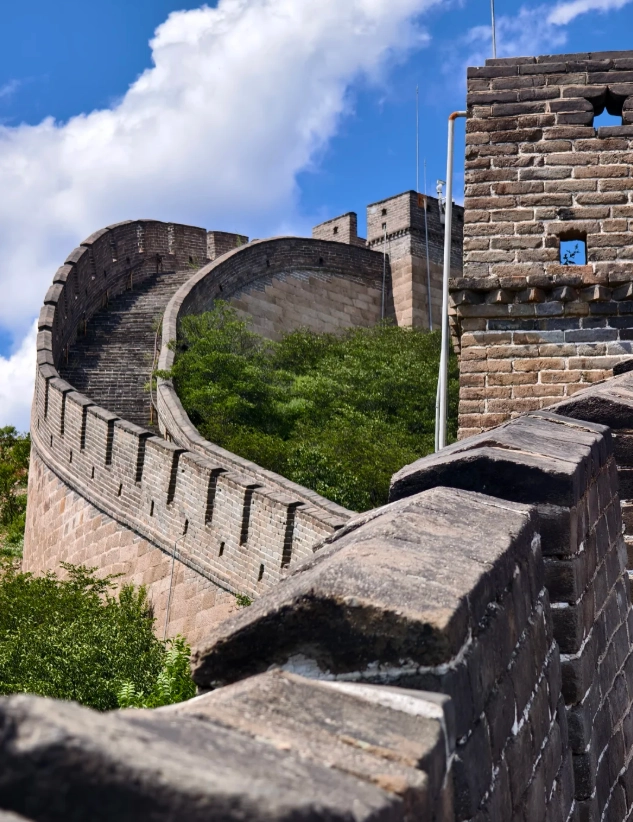
Why a Badaling Great Wall map matters more than you think
Badaling is the most restored and visited section of the Great Wall. It's also the most crowded. Without a clear map in your head, you'll waste time on overcrowded steps and miss the quieter, photogenic spots. The official map at the entrance is just a line drawing — it doesn't tell you which side has steeper slopes, where the shade is, or which tower gives the best photo without 50 people in frame.
Let me break it down like I do for my groups.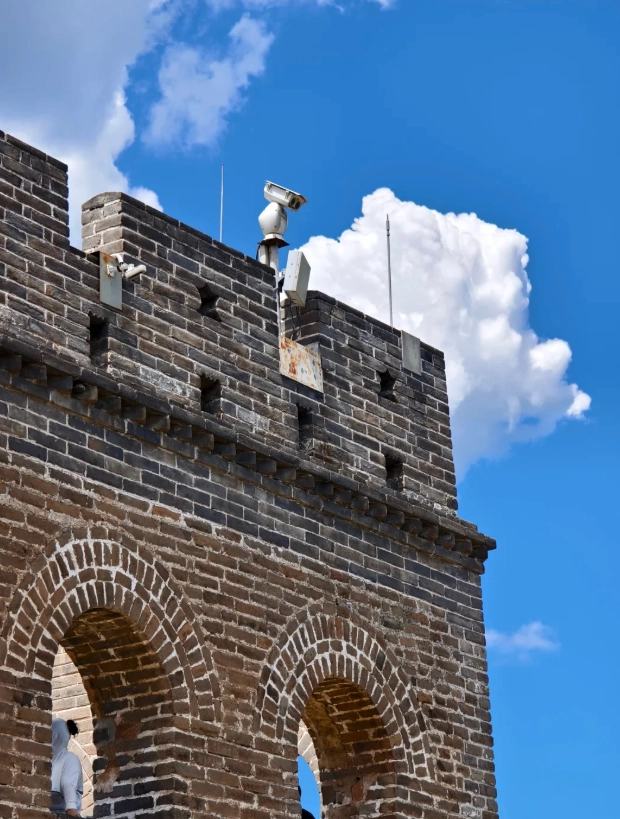
The two main routes: North vs South
Badaling has two arms: the North Route and the South Route. Both start from the same entrance gate but diverge immediately.
North Route (the tourist jam)
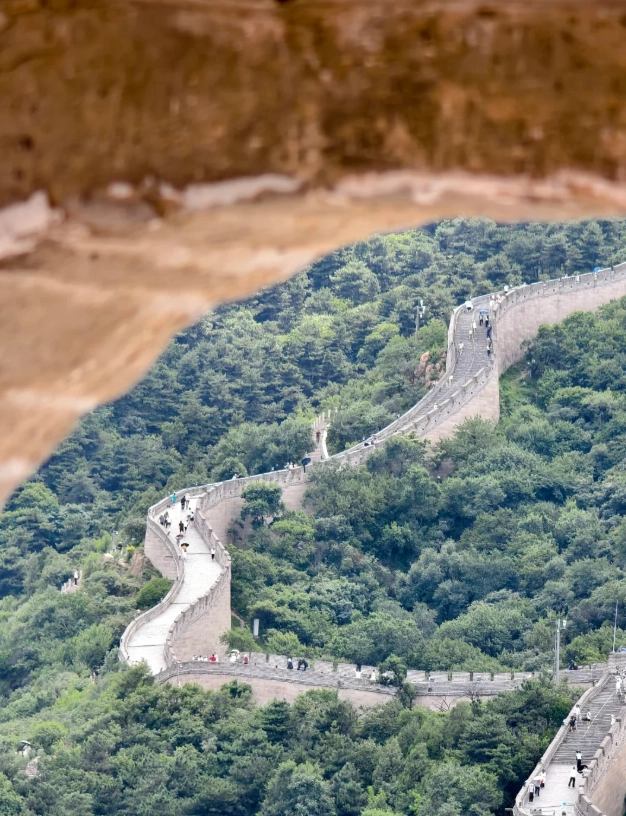
This is the longer route, stretching about 2.5 km (1.5 miles) to the highest point — the Beacon Tower No. 8. It's the one you see in all the Instagram photos. But here's the problem: every bus tour drops people here. Between 10 am and 2 pm, you'll be wedged between selfie sticks. I always tell my clients: “If you want to feel like you're in a sardine can, go north at noon.”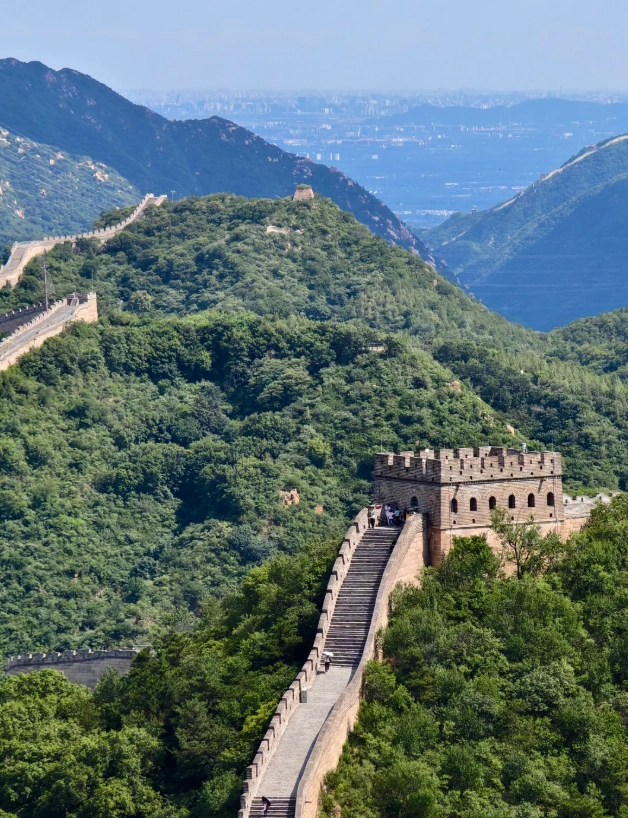
South Route (the hidden gem)
The south route is shorter (about 1.5 km to the last tower) but offers equally stunning views — and significantly fewer people. I always start my private groups on the south side. You'll find the famous “no crowd” photo spots here, especially around the second watchtower. The path is slightly less steep, and the wind is more bearable.
Fact: The south route has a cable car too, but it drops you near the middle. If you're short on time, take the cable car up, walk 10 minutes to the end, then turn back — you'll still beat the north crowd.
Ticket tricks that save you money and time
| Item | Details |
|---|---|
| Adult ticket (Apr–Oct) | 45 CNY (about $6.5) – book online only |
| Child (6–18) | 25 CNY – need proof of age |
| Senior (60+ with ID) | Free – but still need a reservation |
| Online booking | WeChat mini-program “八达岭长城” or Trip.com – no tickets sold at the gate |
| Cable car one-way | 100 CNY / round-trip 140 CNY – can be bought on-site (but long queues) |
How to actually get to Badaling (with exact directions)
You have three main options. I'll rank them from best to worst.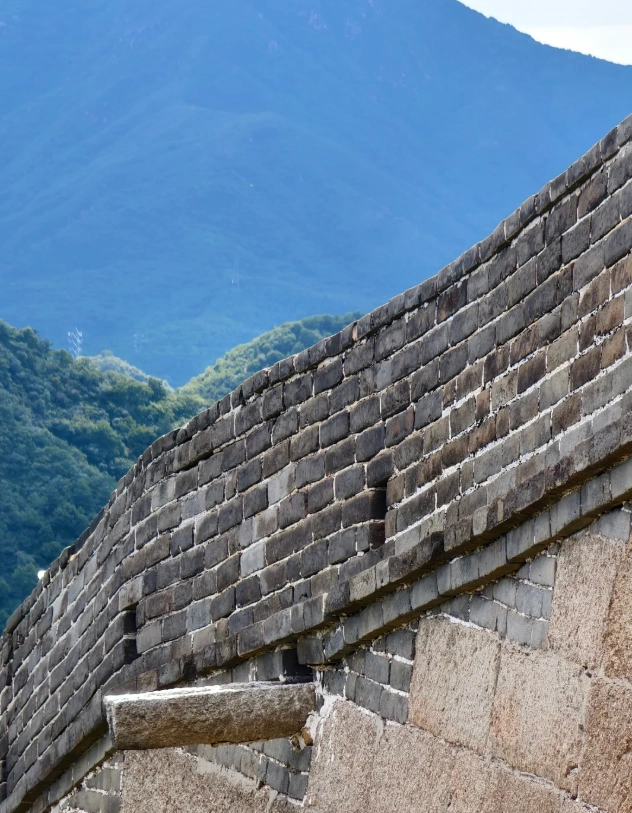
1. High-speed train (best)
From Beijing North Railway Station (Beijing Zhan) to Badaling Great Wall Station. The train runs every 30–60 minutes and takes about 22 minutes. Cost: 27 CNY. Once you exit, it's a 10-minute walk to the ticket gate. Book tickets on 12306.cn or Trip.com at least 3 days in advance — they sell out fast.
2. Tour bus (convenient but crowded)
Many hostels and hotels offer direct buses for around 80–120 CNY round trip. They leave early morning (7 am) and return around 3 pm. The downside: you're locked into a schedule, and the bus drops you at the south parking lot, which adds a 15-minute walk.
3. Taxi / Didi (expensive)
From central Beijing, a taxi costs about 400–600 CNY one way. The drive takes 1.5 hours without traffic. On weekends, you might sit in traffic for an extra hour. I only recommend this if you're a group of 4+ people and split the cost.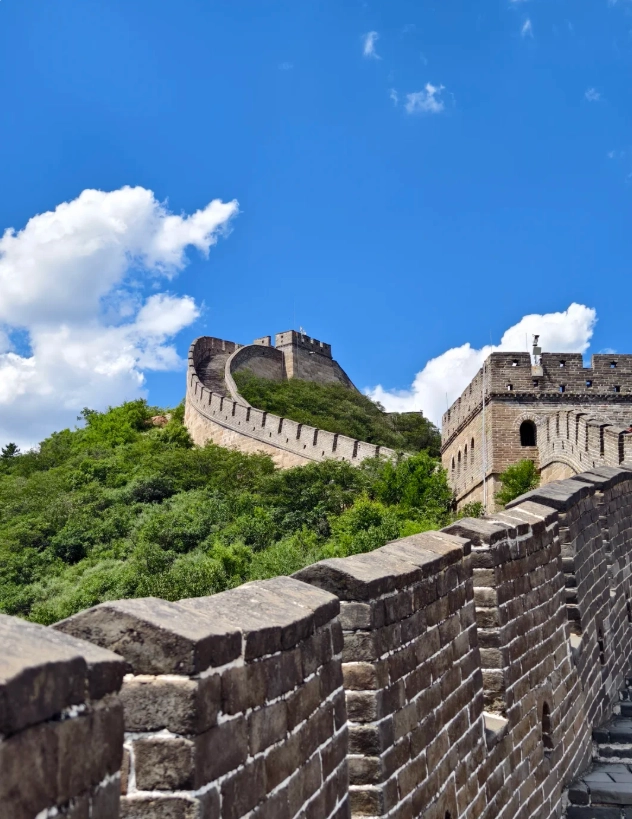
Best time to visit – and when to run away
I've been to Badaling in every season, and here's the honest truth:
- Best season: Late October (clear skies, fewer leaves, less humidity).
- Worst season: May Day week and National Holiday week (Oct 1–7) — the wall is literally packed shoulder to shoulder.
- Best time of day: Arrive at 7:30 am (gate opens at 7:30 in summer, 8:00 in winter). By 9 am, the tour groups start pouring in.
- Worst time: 11 am–2 pm — sun overhead, no shade on the wall, and maximum crowd density.
My walking strategy for a stress-free day
Assume you take the high-speed train and arrive at 8 am. Here's the exact plan I give my clients:
Scenario: You have 4 hours (most common)
- 8:00–8:15: Walk from station to entrance. Use the toilet near the station (the ones inside the ticket area are usually dirtier).
- 8:15–8:30: Scan your QR code ticket at the gate. Bypass the cable car line — walk up the south route on foot.
- 8:30–9:30: Climb to the 4th watchtower on the south side. Take photos here (best morning light, no crowds).
- 9:30–10:00: Descend back to the junction area. Have a light snack from the small kiosk (the noodles are overpriced, bring your own).
- 10:00–11:00: Walk a short section of the north route (just up to Tower 3) for a different perspective. Then head back down.
- 11:00–11:30: Exit and walk back to the train station. Catch a train before noon to avoid the afternoon rush.
What if it rains? (Plan B)
Badaling is slippery when wet. The wall has no cover. If the forecast shows heavy rain, I recommend skipping Badaling and visiting the China Great Wall Museum (located right at the Badaling entrance — free entry with your wall ticket). It's small but gives a solid history lesson without getting soaked. Also, the indoor section of the Great Wall “Bear Garden” (yes, a bear pit with rescued black bears) is nearby — my clients find it amusing.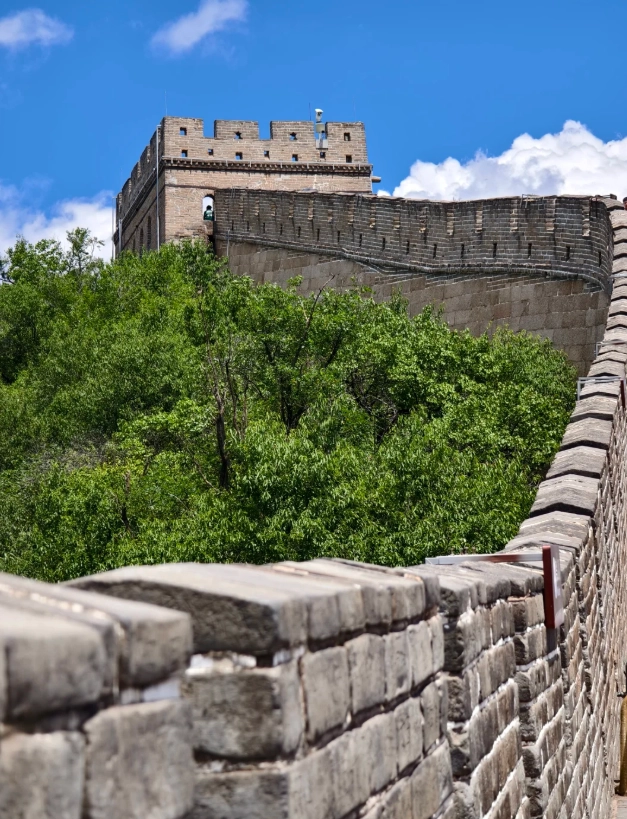
FAQ: Your top Badaling map questions answered
Verified and fact-checked by the editorial team.







Honestly felt a bit overhyped. Paid a decent amount for this map thinking I'd discover hidden gems, but the 'off the beaten path' spots were still pretty packed when we went (maybe because everyone else bought the same map?). The painted arrows on some paths were also faded and hard to follow. Ended up just using Google Maps and asking locals, which worked fine. Not a total waste, but I wouldn't buy it again for the price.
Loved the concept and it did help us find some quieter spots. However, I noticed a few of the 'secret photo spots' marked on the map were actually closed off for renovation when we went last week, so we had to backtrack. Still, the map gave us a good general layout and saved us time figuring out where to go. Just wish it was updated more recently. 4 stars because it's still way better than the official one.
Picked this up at a hostel before heading to Badaling and it turned out to be my most useful travel item that day. The map is laminated so it survived rain and sweat, the trails are clearly marked with distances and elevation changes, and there are even restroom symbols that were accurate (which is rare in China). It helped me plan a 4-hour loop that avoided the main tourist bottleneck completely. Five stars.
Best few bucks I spent in Beijing. The official map you get at the ticket booth is useless — just shows the main tourist route. This one highlights the old watchtowers that most people miss and even points out a couple of local food stalls hidden in the village below. Followed the 'hidden path' recommended on the map and ended up having a whole section of the wall to myself. Highly recommend for anyone who wants the real Great Wall experience without the crowds.
Was honestly skeptical at first, but this map saved our trip. We got to the Badaling entrance and saw the insane crowd going up the main stairs. The map showed a less known side path that was almost empty — we walked straight through and had the wall almost to ourselves for the first hour. The photo spots marked on it were way better than the packed ones. Totally worth every penny if you want a non-frustrating experience.