 Peng Gao
What’s Inside
I’ve guided over 200 groups around Qinghai Lake. The first question everyone asks: “How bad is the altitude?” Here is the blunt truth — Qinghai Lake sits at 3,200 meters (10,500 feet). That’s higher than Lhasa’s old town. And yes, altitude sickness hits most first-timers. But you can totally avoid it ruining your trip if you follow the right steps.
Most online guides just say “drink water, take it easy.” That’s useless. I’ll give you the real dirt — what meds actually work, where to buy oxygen in Xining, and the exact mistake that sent one of my clients to the hospital (spoiler: he ran to catch a bus). Let’s dive in.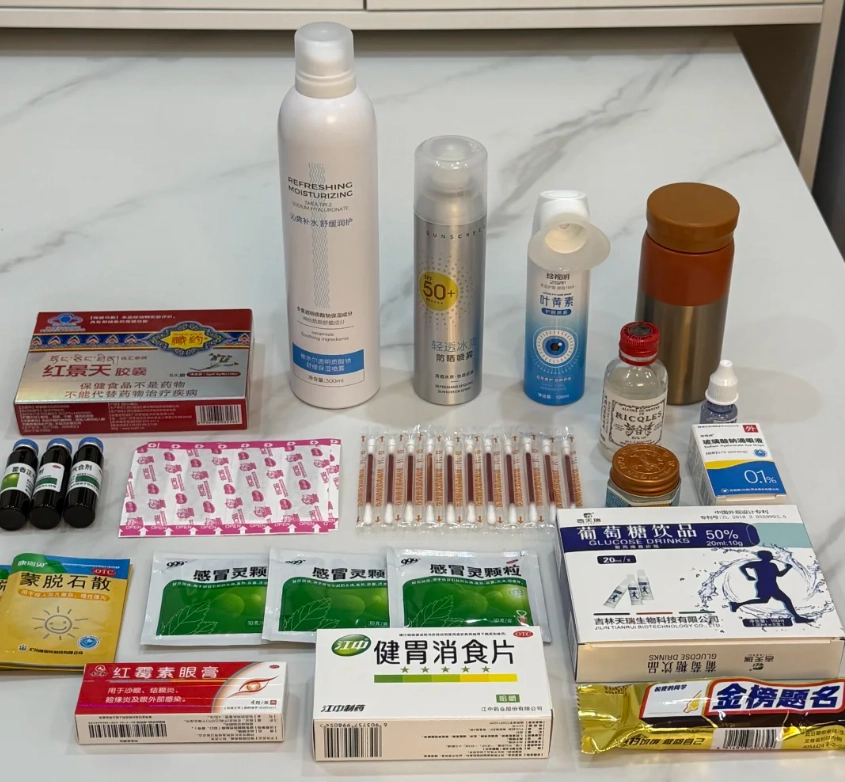
Why Qinghai Lake Hits Hard
Unlike gradual climbs, you fly into Xining (2,200m) and then drive 2.5 hours straight up to the lake. That rapid ascent is brutal. Common symptoms: headache, nausea, dizziness, loss of appetite. Rare but possible: fluid in lungs (HAPE) or brain (HACE). Sounds scary, but with smart prep, you’ll be fine.
My rule: Acclimate in Xining for at least one night before heading to the lake. If you land and rush straight there, you’re asking for trouble.
Must-Know Before You Go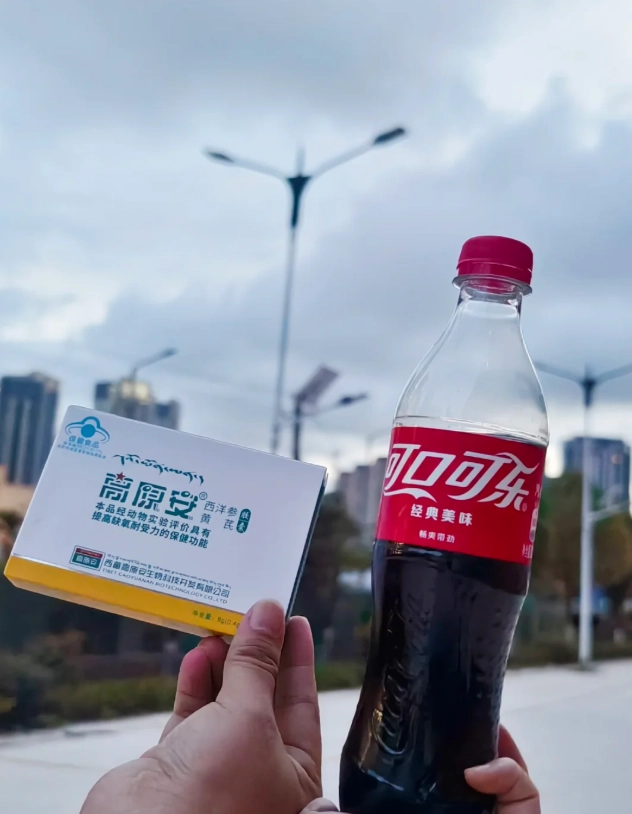
Medication That Works
Forget the herbal pills locals push at the airport. The real deal is acetazolamide (Diamox). Get a prescription from your doctor. I take 125mg twice a day starting 24 hours before ascent. It makes your fingers tingle a bit, but it works. For pain, ibuprofen beats paracetamol for altitude headaches.
Where to buy oxygen: Skip the expensive cans at scenic spots. Go to any pharmacy in Xining (ask “yang qi ping” — oxygen bottle). Costs about 30 RMB. The small portable cans are okay for emergencies, but the 1-liter bottle with a mask is much better. Carry it on the bus.
The Two-Day Rule
I always tell my clients: give yourself two full days around the lake without pushing hard. Day 1: just walk slowly, take photos from the shore, don’t rent a bike. Day 2: if you feel good, try a short 2-hour hike. If not, keep resting.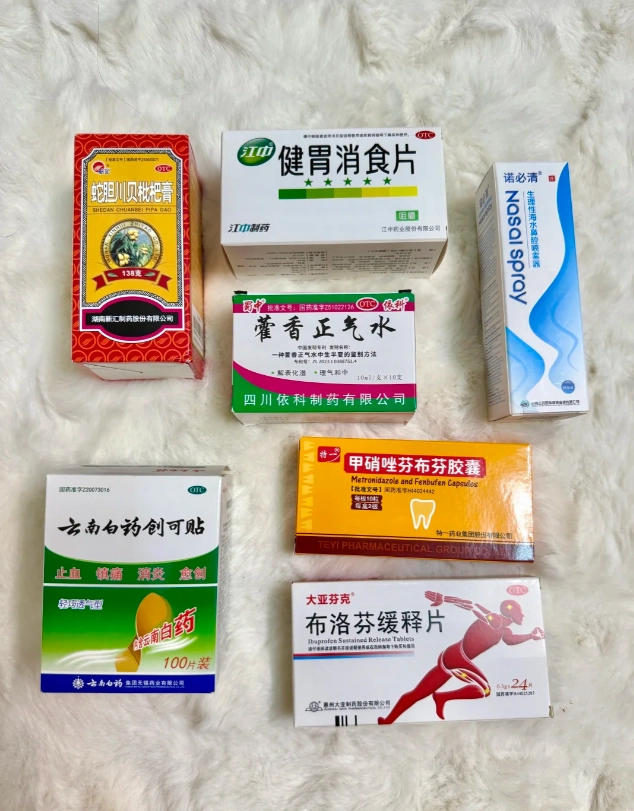
Daily Schedule for Acclimation
Let’s say you have 3 days. Here’s the plan I’ve refined over years:
| Day | Activity | Key Tips |
|---|---|---|
| 1 | Arrive Xining, rest in city | Eat light (skip spicy food). No alcohol! Walk slowly to hotel. |
| 2 | Drive to Qinghai Lake (south side) | Stop every hour for 5 min walk. At lake, only stroll 30 min. Go to bed by 9pm. |
| 3 | Explore lake area | Morning is best for photos (calm water). No running, no heavy backpacks. |
If you only have 24 hours (some people do this), here is the no-bullshit version: Skip the sunrise at the lake — it’s cold and the oxygen level is lowest at dawn. Sleep in Xining, leave at 9am, arrive by 11:30am. Walk along the boardwalk for 45 min. Eat lunch (soup, no meat). Drive back by 3pm. You’ll see the lake, avoid the worst altitude drop, and not collapse on your flight home.
What to Pack for Altitude
Beyond the obvious (layers, sunscreen, sunglasses), here are altitude-specific items:
- Portable pulse oximeter (20 USD on Amazon) — if your oxygen saturation drops below 90%, lie down and use oxygen immediately.
- Electrolyte powder — dehydration sneaks up fast. Add one packet to your water.
- Lip balm with SPF — the wind and sun crack lips in hours.
- Earplugs — the guesthouse walls are thin, and you need quality sleep.
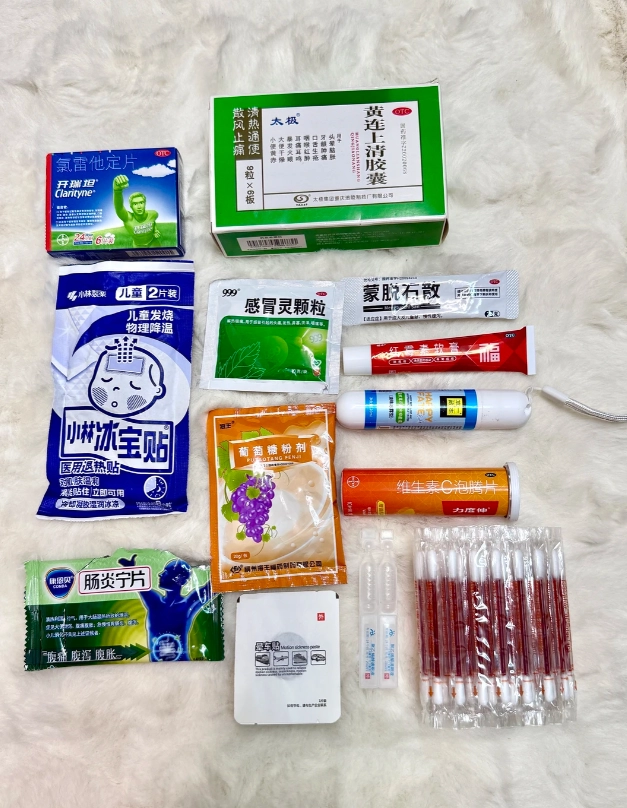
Honest complaint: Most guesthouses near the lake don’t have heating that works well at night. It gets freezing after sunset. Bring a thermal base layer to sleep in. Also, the Wi-Fi is spotty — download your maps and shows beforehand.
Emergency Plan If It Hits
Despite best efforts, symptoms can explode. Here’s my real-world protocol:
- Stop ascending. Even moving to a higher hotel room could worsen it.
- Use oxygen. Breathe from the bottle for 20 minutes. If no improvement after 2 hours, move to step 3.
- Descend. The only real cure is losing elevation. Drive back toward Xining (drop to 2,200m). Usually, you’ll feel better within an hour.
- Medical help. If someone has confusion, blue lips, or can’t walk straight, that’s HACE/HAPE. Rush to the People’s Hospital in Xining. I’ve done it twice with clients. The emergency team there knows altitude sickness better than most.
One thing I see tourists do wrong: they try to “tough it out.” Bad move. Altitude sickness hits harder after dark. If you feel bad at noon, don’t wait until night. Act.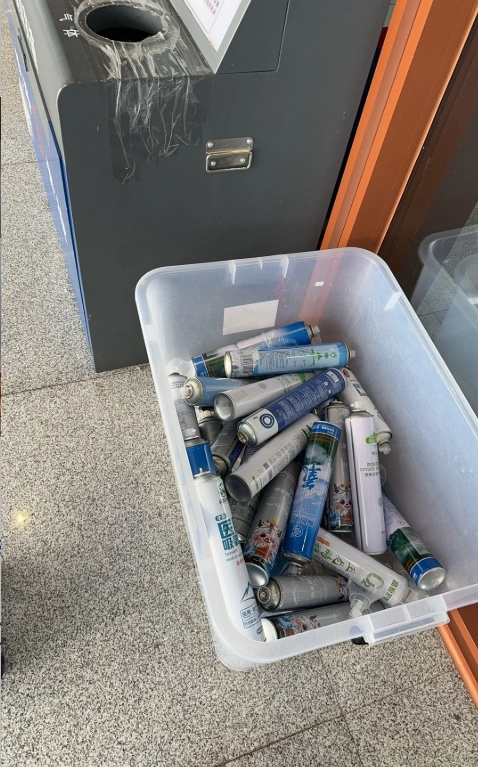
Verified and fact-checked by the editorial team.






I'm usually skeptical of 'life-saving tips' clickbait, but this article delivered. The author clearly knows the area and the real struggles of adjusting to high altitude. My favorite part was the suggestion to carry glucose tablets and ginger candy – that worked wonders for me. Even my mom (who never reads travel stuff) found it useful. Excellent writing.
Finally, a guide that actually sounds like it's written by someone who's been there! The local perspective is invaluable – I love that they mentioned avoiding alcohol and getting enough carbs. The bit about watching for symptoms in kids is something most generic articles skip. I shared this with my whole trekking group. 10/10 recommend.
This article literally saved my trip! I'm not a big hiker and was terrified of altitude sickness before going to Qinghai Lake. The 7 tips are so clear and practical – especially the one about ascending slowly and drinking local butter tea. I followed them step by step and felt great the whole time. A must-read for anyone planning to visit!
Decent read, but nothing groundbreaking. The altitude sickness tips are solid for first-timers, but as someone who's been to high places before, I wanted more nuance – like how altitude affects sleep specifically or what to eat. Still, the personal story about the guide's uncle was a nice touch. Worth a quick skim.
I read this article before my trip to Qinghai Lake and honestly, it didn't help much. The tips are pretty generic – drink water, rest, don't rush – stuff you can find in any travel blog. The local guide perspective felt missing. I was hoping for insider advice on where to find oxygen cans or which local remedies actually work. Disappointed.