 Peng Gao
Quick Navigation
Most people show up in July, sweat under the sun, and fight selfie sticks. I’ve been guiding trips to Kumbum Monastery for six years—and trust me, the best time to visit has nothing to do with peak season brochures.
You want clear skies, fewer tour groups, and a chance to actually hear the monks chanting. So here’s the deal: late April to early June and mid-September to late October are your golden windows. The crowds thin, the light turns soft, and the air smells like juniper incense instead of sunscreen.
But don’t just take my word for it—let’s break down every month, hour, and hidden trick so you can plan a visit that doesn’t feel like a cattle call.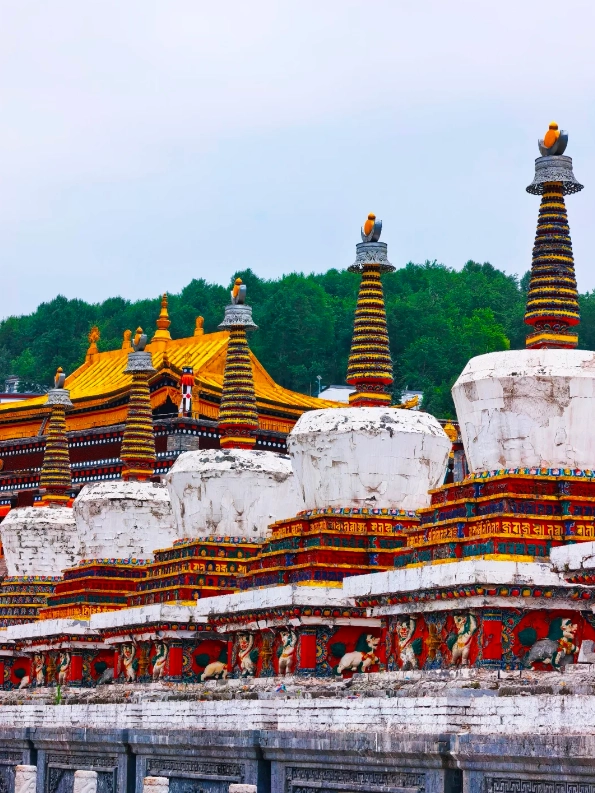
Season at a Glance
| Season | Months | Pros | Cons |
|---|---|---|---|
| Spring | Apr–May | Mild temps (10–18°C), blooming trees, low crowds | Occasional wind, some exhibits still winter-limited |
| Summer (peak) | Jun–Aug | All halls open, lively atmosphere | Rain in July–Aug, massive crowds, ticket lines up to 1.5 hours |
| Autumn | Sep–Oct | Crisp air (5–15°C), golden leaves, fewest tourists | Shorter days (closes at 17:00 in Oct) |
| Winter | Nov–Mar | Snow-capped roofs, almost empty, half-price ticket (¥40) | Freezing (-10°C), some halls closed, limited transport |
Monthly Breakdown – What to Expect
April–May: The Sweet Spot
Spring hits Qilian mountains later than you’d think. In late April, daytime temps hover around 12°C—perfect for walking the temple complex without sweating. The courtyard trees start budding. I’ve had mornings where I was the only foreigner inside the great hall. Ticket and shuttle are easy; you can pay at the counter with WeChat or cash. Pro tip: Bring a light down jacket—the wind from the plateau cuts through cotton.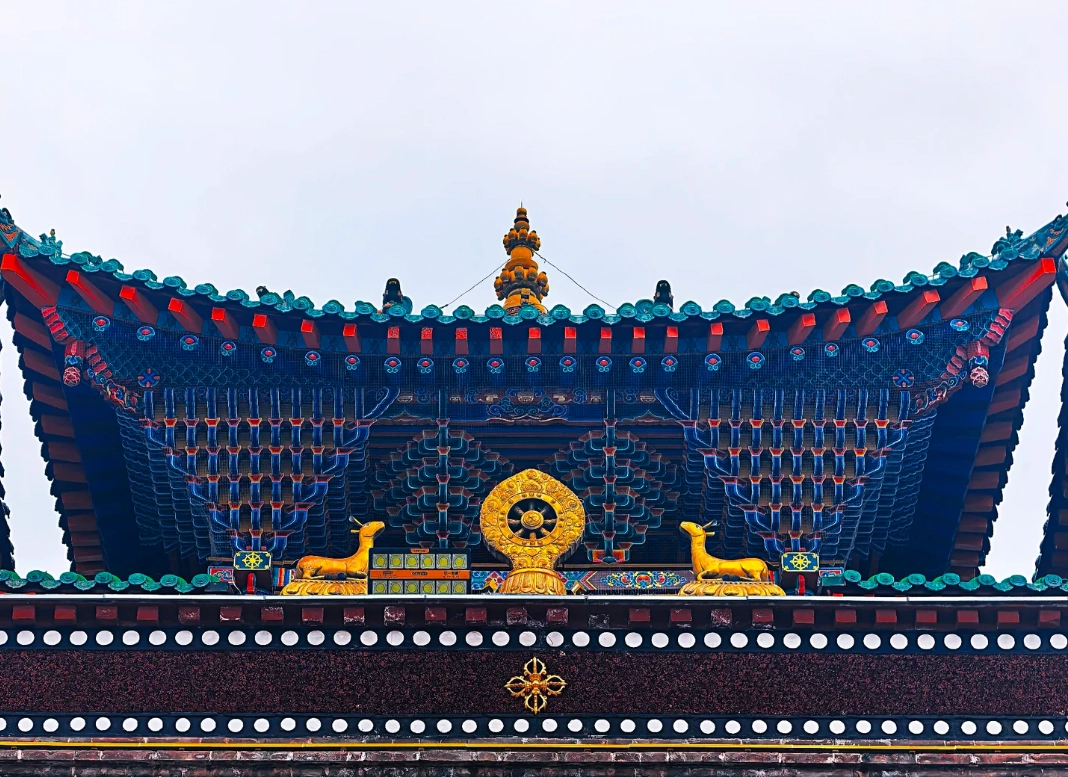
June–August: Peak but Manageable
June is okay—crowds start building. July and August? Let’s be honest: it’s a zoo. I always tell my clients to arrive before 08:00 or after 16:00 (last entry is 17:00 in summer). At 09:00, the queue for the butter sculpture hall wraps around two buildings. Also, July monsoon brings sudden downpours—the dirt path to the pagoda turns into mud soup. Carry a raincoat, not an umbrella (wind will break it).
September–October: Photographer’s Dream
Mid-September is my favorite. The summer rain clears, the sky is a piercing blue, and the poplar trees along the walkway turn yellow. October still has good weather until the 20th; after that it gets chilly. Crowds drop by 70% after National Holiday (Oct 1–7). So if you can, target the second half of October. The monastery grounds feel like your private retreat.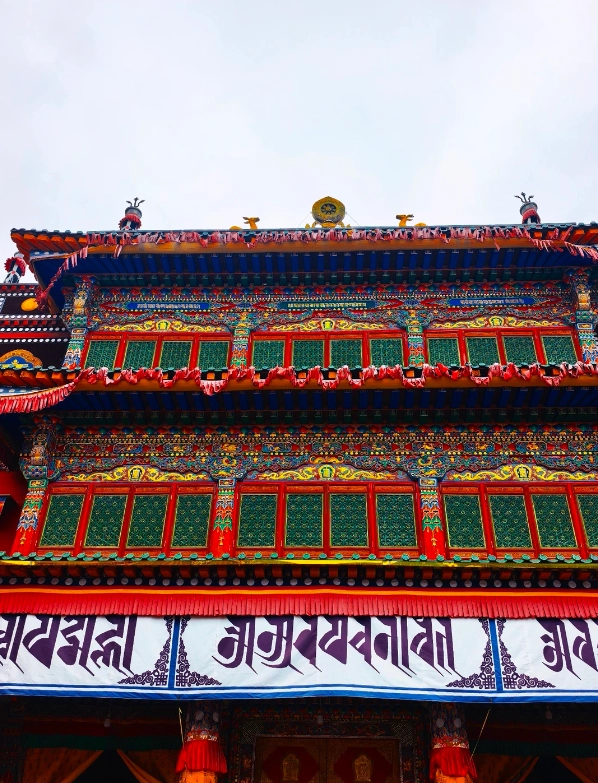
November–March: For the Brave
Winter is brutal but magical. Temperature plunges to -15°C at night, and the heating in the halls is minimal—you’ll see monks bundled in thick robes. But the upside? You’ll have the entire place to yourself. Ticket drops to ¥40 (vs. ¥80 summer). Some side chapels are closed, but the main golden roof and stupas are still accessible. Warning: Xining–Kumbum shuttle buses run on reduced schedule (every 2 hours). Book a private car through your hotel if you don’t want to freeze waiting.
Time of Day: When to Enter for Best Light & Fewer People
Here’s a non-obvious tip: go in the morning, but not at 08:00 sharp. At 08:00, tour groups are already lining up at the main entrance. Instead, aim for 07:30 (opens at 07:40 in summer, 08:00 in winter). You’ll be among the first to slip through the side gate near the parking lot—I always guide my group there. The golden roof of the Grand Hall gets direct sunlight at 08:30–09:00, perfect for photos without selfie sticks in frame.
Afternoon is tricky. From 14:00 to 16:00, the sun is directly overhead, casting harsh shadows. Plus, the incense smoke from the main temple gets blown toward the courtyard—great for atmosphere, terrible for your eyes. I usually take my groups to the nearby Tang-style street around 12:30 for lunch and return after 15:00, when the light softens and the crowd shrinks.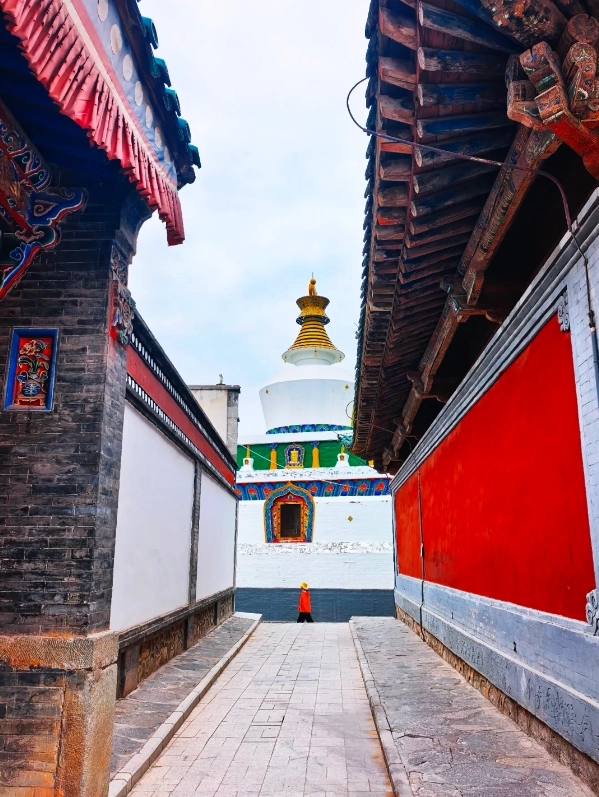
For sunset lovers: the monastery closes at 18:00 (summer) and 17:00 (winter). But you can stay near the outer wall behind the prayer wheel hall until 18:30—the fading light on the white pagodas is stunning.
Festivals and Crowds – What to Know
Kumbum Monastery hosts several major religious events. The biggest is the Sutra Debate Festival (around the 15th day of the 4th lunar month, usually May–June). Hundreds of monks gather in the courtyard—it's an incredible spectacle, but also the most crowded day of the year. If you want authentic culture without the crush, attend the smaller Morning Chanting at 06:30 (any season, but you need to get permission from the monastery office).
Another tip: avoid Chinese public holidays—especially Labour Day (May 1–5), National Day (Oct 1–7), and summer school break (July–August). During these times, the parking lot overflows and you’ll share the butter sculptures with hundreds of elbows. I once counted 8 tour buses unloading at 09:00 on Labour Day. Nightmare.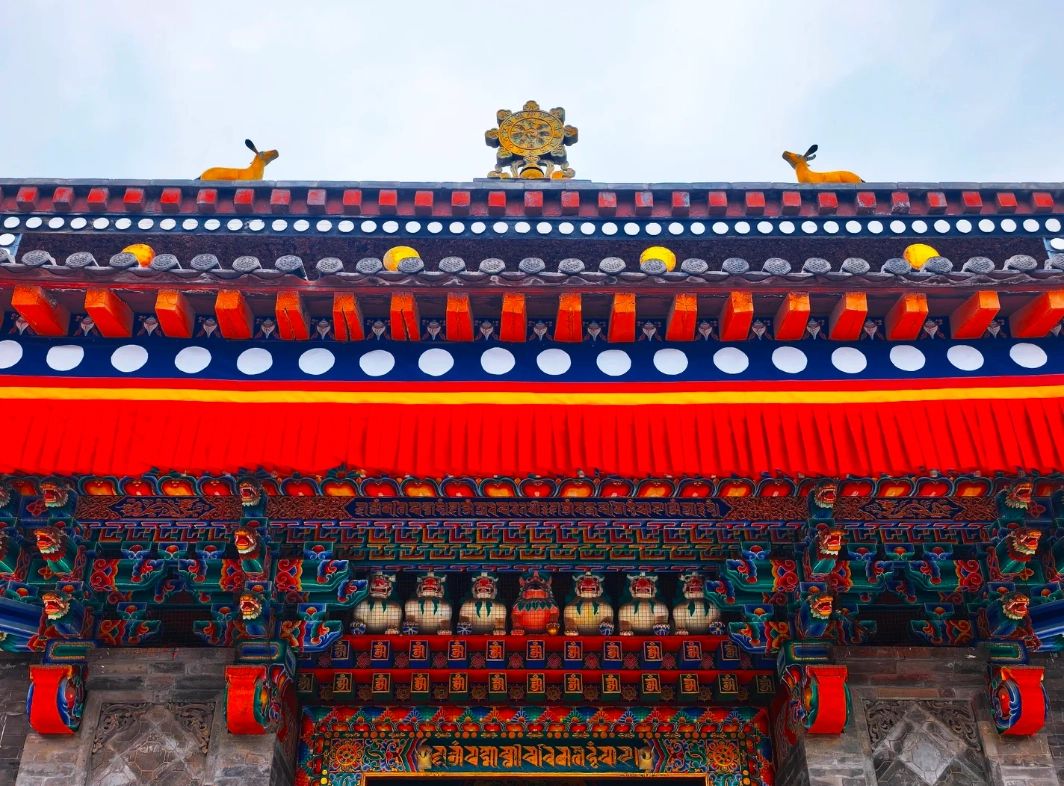
Practical Tips for Booking & Entry
Tickets: You can buy at the gate (cash, WeChat, Alipay) or online via the official mini-program in WeChat (Chinese only). Credit cards are rarely accepted—bring enough cash or set up WeChat Pay before your trip. Pro tip: if you have a student card (ISIC), you get half off. Seniors over 65 also get free entry, but you need to show a passport at the counter.
Getting there: From Xining city center, take bus 909 (direct from Xining Railway Station, ¥4, 1.5 hours) or drive (30 km, toll about ¥15). Taxi costs around ¥100–120 one way. The bus stop is literally at the monastery gate—you can’t miss the nine-tier pagoda.
What to wear: No shorts or sleeveless tops—this is an active monastery. Shoulders and knees should be covered. And please remove hats before entering halls. I keep a scarf in my bag to quickly cover up if needed.
Now, let me save you a headache: the ticket office often asks you to scan a QR code and fill in your passport number for real-name registration. It’s in Chinese only. If you don't have a Chinese assistant, just ask a local student near the entrance—they’re usually happy to help.
FAQ – Real Questions from Travelers
This content has been fact-checked to ensure informational precision. Prices and schedules may change; always verify with the official Kumbum Monastery website or local tourism board.





My girlfriend and I visited in late September right after National Day golden week ended. The article's weather advice was perfect – sunny and crisp, around 15°C. We arrived at 7:30am and were among the first 20 people inside. The silence during morning prayers was incredible. The only reason I'm giving it a 5 instead of 4 is because we also saw the sunset from the hill behind the monastery – the article didn't mention that viewpoint, but it's a hidden gem. Definitely a 5-star day.
I can't recommend this place enough, especially if you follow the advice from this article. I came in early December – yes it was freezing (around -5°C) but the snow-covered roofs and the quiet chanting from inside made me feel like I stepped into another world. I had the entire prayer hall almost to myself. The article warned about the cold but said it's worth it – they were 100% right. Bring thermal underwear and hand warmers, and you'll have a 5-star spiritual experience.
Absolutely worth the 5am wake up! I went in mid-October and the morning light hit the white pagodas perfectly – zero tourists, just a few monks sweeping the courtyard. The air smelled of incense and cold stone, and I could hear prayer wheels spinning. This article's tip about visiting on a weekday in shoulder season is pure gold. If you want that serene, authentic vibe, come before the crowds flood in. Best monastery visit I've ever had.
Made the trip in late October and followed the advice from this article – arrived right at 8am opening. It was foggy and chilly but the golden roofs emerging from the mist were magical. Only a handful of pilgrims and monks around, so I got to quietly observe the butter sculpture workshop. The only downside? By noon the fog lifted and a sudden wind kicked up dust, making it less pleasant. Still, a solid 4-star experience if you time it right. Bring layers!
I visited Kumbum Monastery last August and honestly, it was way too crowded. The article about beating the crowds is spot on – I wish I had read it before. Even at 9am, tour groups were blocking every hallway. The weather was humid and sticky, and the constant shuffle of people made it hard to appreciate the stunning thangka paintings. If you can't stand elbow-to-elbow crowds like me, pick off-season or go at dawn. The monastery itself is beautiful, but the experience was ruined by the sheer number of visitors.