 Yan Zhou
I almost walked right past it. Tucked away on a side street, behind an unassuming white wall, the entrance to Qiuxiapu Garden doesn't shout for attention. That's the first lesson this place teaches you: the best things are often hidden. Stepping through that moon gate was like entering another world. The city's noise vanished, replaced by the trickle of water over rocks and the rustle of bamboo. This isn't just another tourist stop; it's a masterclass in classical Chinese garden design, and it feels like a secret you've been let in on.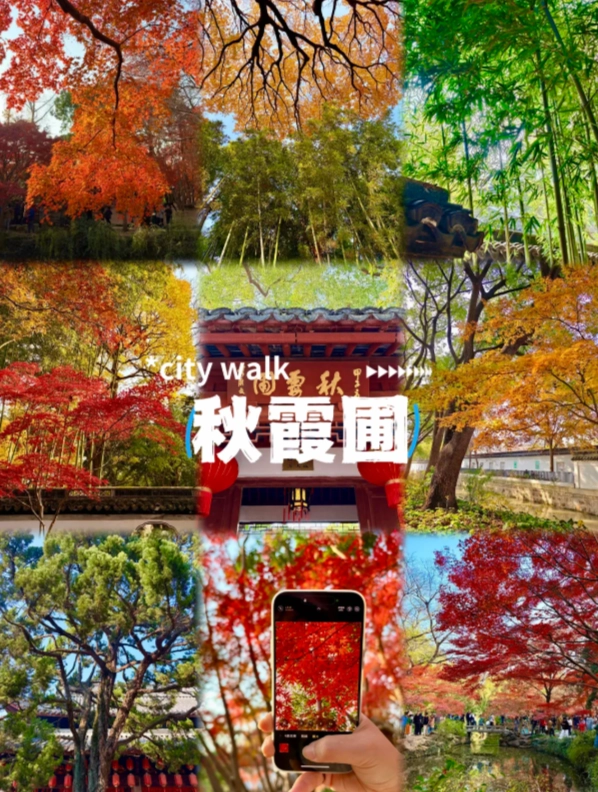
What's Inside This Guide?
- What Makes Qiuxiapu Garden Special?
- How to Get to Qiuxiapu Garden: A Simple Route
- Qiuxiapu Garden Ticket Price and Opening Hours
- Exploring the Garden Layout and Key Spots
- The Absolute Best Time to Visit (And When to Avoid)
- Photography Tips for Qiuxiapu Garden
- Who Will Love Qiuxiapu Garden (And Who Might Not)
- Your Questions About Visiting Qiuxiapu Garden
What Makes Qiuxiapu Garden Special?
Most big-name classical gardens in China are packed. You're shuffling along with a crowd, trying to see past someone's selfie stick. Qiuxiapu is different. Built during the late Qing dynasty, it wasn't designed for public spectacle but for private contemplation. The garden's name itself hints at its purpose—often interpreted as "Autumn Rosy Cloud Abode," evoking a poetic, secluded feeling.
The genius is in its use of limited space. It's not huge, maybe a couple of acres. But through clever design—winding paths, strategically placed windows framing a lone pine tree, artificial hills that block then reveal vistas—it feels expansive. You're meant to wander slowly. I spent twenty minutes just sitting by the central pond watching koi, and no one disturbed me. That's the real luxury here.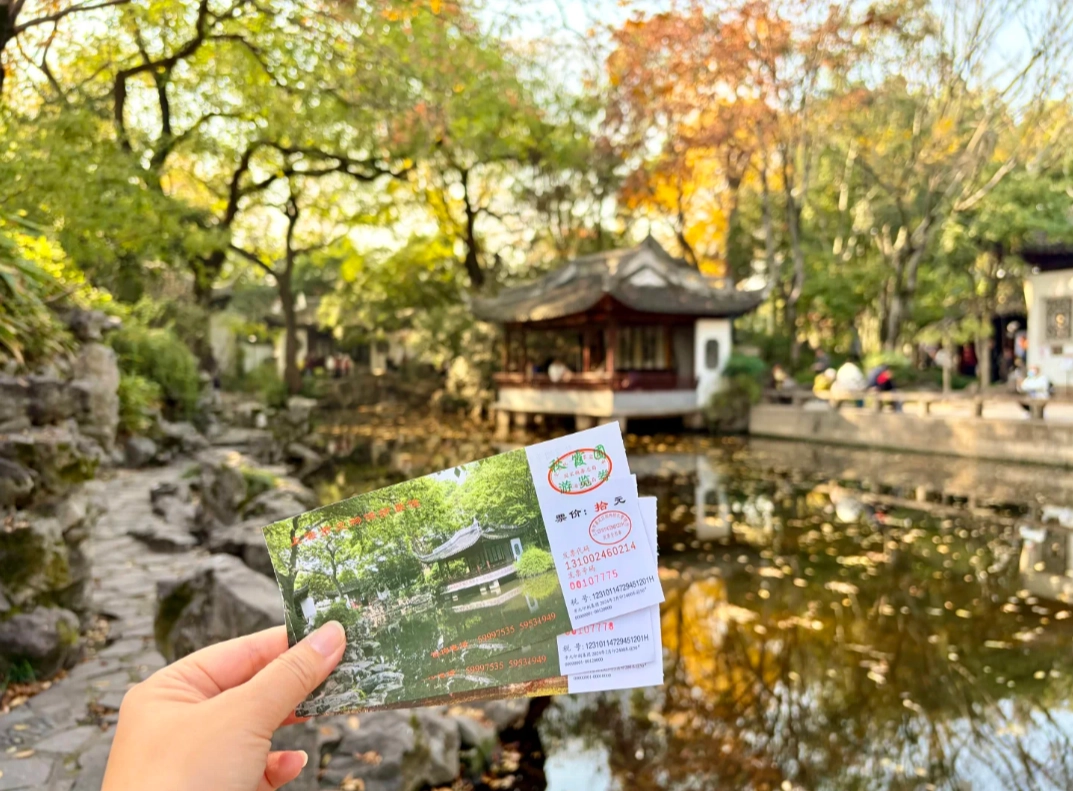
Address: No. 18, Qiuxiapu Lane, Gulou District, Fuzhou City, Fujian Province. Don't rely solely on maps; look for the traditional grey-brick wall and a small, elegant plaque. The lane is easy to miss if you're walking too fast.
How to Get to Qiuxiapu Garden: A Simple Route
Let's get practical. The garden is in central Fuzhou. If you're relying on public transport, it's straightforward but requires a short walk, which is part of the charm.
By Metro (The Easiest Way)
Take Metro Line 1 to Nanmendou Station. Get out at Exit D. From here, it's a 12-15 minute walk. Head north on Gutian Road, then turn left into the smaller network of streets around Fuxin Road. Use a map app, but expect it to get slightly confused in the alleys. Look for signs pointing to "Qiuxiapu." The walk takes you through local neighborhoods—you'll pass tea shops, people playing xiangqi (Chinese chess), and the smell of breakfast noodles. It's a nice preamble.
By Taxi or Ride-Hailing
Simply tell the driver "Qiuxiapu" (秋霞圃). Most local drivers will know it. If there's confusion, show them the Chinese characters or the address. The drop-off point is right at the lane entrance. Cost from major hotels or the train station is usually under 30 RMB.
A common mistake visitors make is trying to combine it with a distant attraction in one rushed morning. Don't. Qiuxiapu deserves its own slot. Pair it with a visit to the nearby Fuzhou National Forest Park or the Three Lanes and Seven Alleys historic district for a full day of contrasting scenery.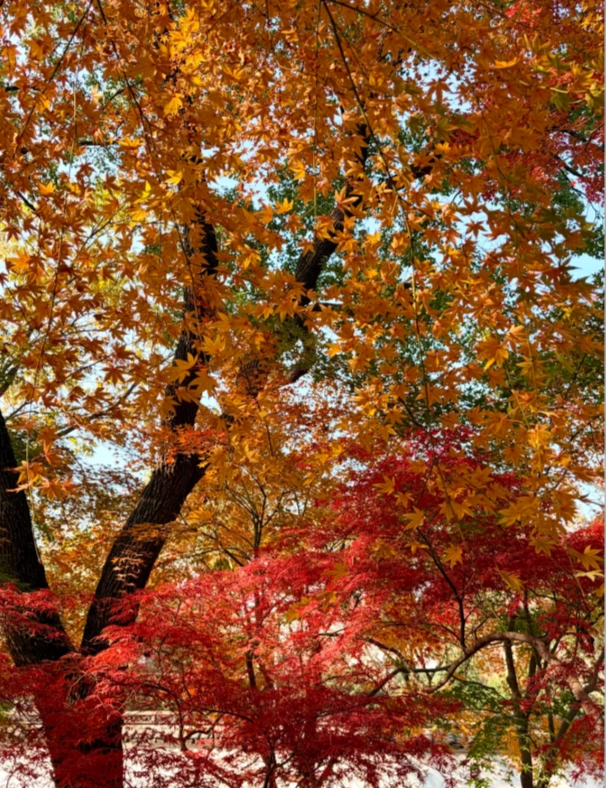
Qiuxiapu Garden Ticket Price and Opening Hours
Here are the exact, up-to-date details as of my last visit. This information is notoriously fluid on third-party travel sites, so trust this.
| Item | Details |
|---|---|
| Standard Ticket Price | 40 RMB per adult. This is the on-site price. No price hike on weekends. |
| Concession Ticket | 20 RMB for seniors (60-69 with ID), full-time students (with valid student card). Children under 1.2m and seniors over 70 are free. |
| Opening Hours | 8:30 AM to 5:00 PM daily. Last admission is at 4:30 PM. They are quite strict about this. |
| Purchase Method | Buy directly at the ticket booth by the entrance. I didn't see online ticketing options, and you don't need to book ahead except maybe during Golden Week. |
Carry cash. While they likely accept mobile payments now, the signal at the old ticket booth can be spotty. I saw a flustered tourist struggling with a loading QR code. Have 100 RMB in notes ready to avoid delay.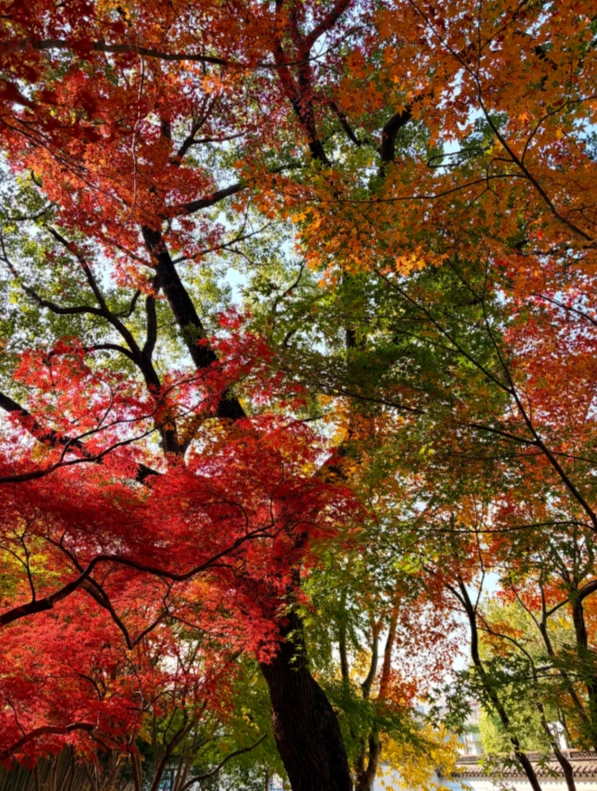
Exploring the Garden Layout and Key Spots
Once inside, forget the map for a bit. The intended experience is one of discovery. But knowing a few focal points helps.
- The Central Pond (Zhao He Tang): The heart of the garden. All major halls and pavilions face it. The best light for photos here is mid-morning, before the sun gets directly overhead. Look for the zigzag bridge—it's not just decorative; it slows your pace and changes your viewpoint with every turn.
- The Artificial Hill (Jia Shan): A compact masterpiece of Taihu rocks. There's a tiny path leading up and through it. It feels like a mountain pass in miniature. Watch your step; the stones can be slippery when damp.
- The Late-Blooming Osmanthus: In the northwest corner. If you visit in early autumn, the fragrance here is incredible. It's a specific cultivar that blooms later than most, a detail the gardener pointed out to me with pride.
- The Study (Shufang): A quiet room in the eastern sector. The lattice windows are each a different intricate pattern. This is where you feel the scholar-garden spirit most strongly. It's cool and dark inside, a respite on a hot day.
My personal favorite spot is a simple stone bench tucked behind a weeping willow near the pond's edge. It's not marked. You only find it by venturing off the main circuit. That's where I had my moment of perfect quiet.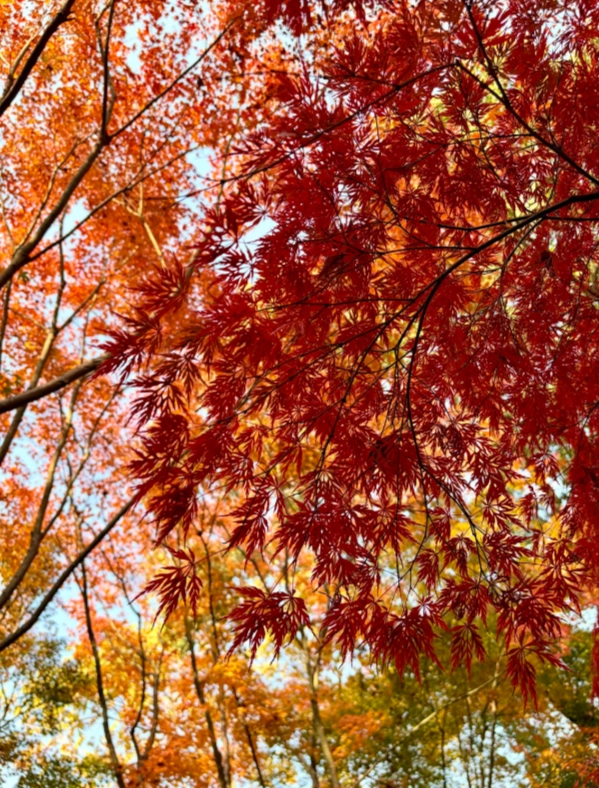
The Absolute Best Time to Visit (And When to Avoid)
Timing is everything for the right experience.
The Best Time of Day: Right at 8:30 AM opening. For the first hour, you'll likely have the garden mostly to yourself. The light is soft, the air is fresh, and the staff are still sweeping dew off the paths. It's magical. The second-best slot is after 3:30 PM. The day-tripper crowds thin out.
The Worst Time: Weekends between 10 AM and 2 PM. It's still not "Forbidden City" crowded, but the narrow corridors and pavilions feel congested. The tranquility is gone.
Seasonal Advice:
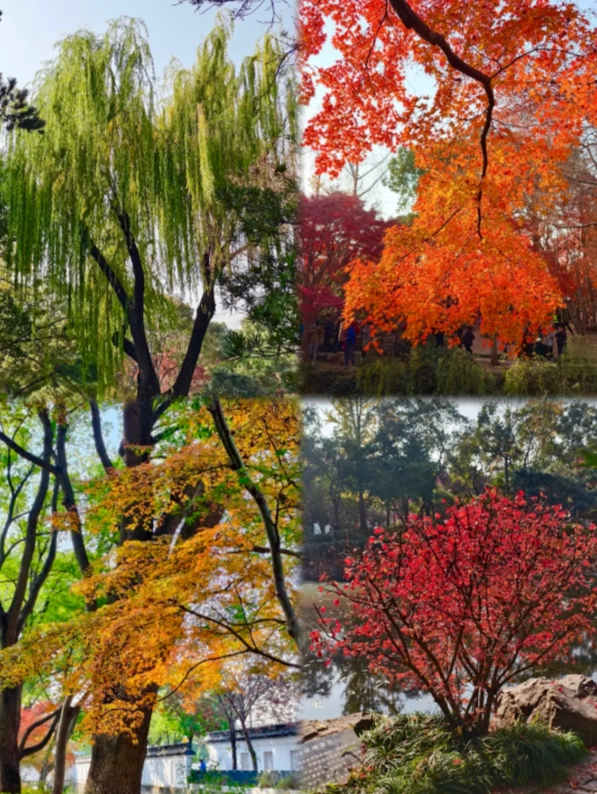
Spring (April-May): Azaleas and wisteria are in bloom. Vibrant but can be damp.
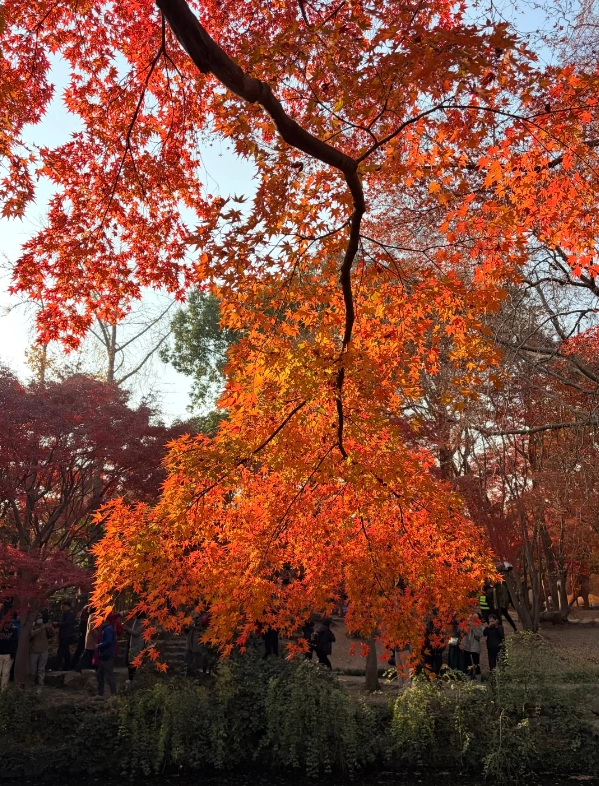
Autumn (October-November): The namesake season. Maple leaves turn red, osmanthus scents the air. This is the classic, postcard time.
Summer: Hot and humid. The garden is lush but mosquito-prone. Go early.
Winter: Stark, beautiful in a different way. The architecture's lines stand out. You'll be virtually alone.
Photography Tips for Qiuxiapu Garden
Everyone takes the same shot of the pavilion reflected in the pond. Here’s how to get something unique.
- Forget the Wide Angle: A 50mm or 85mm prime lens is better. Focus on details: the texture of a mossy rock, raindrops on a lotus leaf, the shadow pattern of a window lattice on the floor.
- Use the Frames: Every doorway, window, and vine-covered arch is a natural frame. Compose your shot so the subject—a distant bridge, a solitary tree—sits within it.
- Overcast is Your Friend: Bright sun creates harsh shadows. A cloudy day provides soft, even light perfect for capturing the garden's muted greens and greys.
- The One Shot Not to Miss: Stand at the "Fragrance-Afar Hall" looking back towards the entrance moon gate. In late afternoon, the sun slants through, illuminating the dust motes and creating a literal path of light. It lasts about ten minutes.
Who Will Love Qiuxiapu Garden (And Who Might Not)
Be honest about your travel style.
You'll love it if: You appreciate quiet, subtle beauty over grand spectacle. You enjoy gardens, architecture, or photography. You're tired of overcrowded attractions and want a place to think. You're interested in Chinese philosophy and how it shapes space.
You might be disappointed if: You need constant stimulation, interactive exhibits, or English signage (there's minimal). You're traveling with young, energetic kids who need to run around. You're on a tight schedule and can only spare 30 minutes. You prefer brightly colored, perfectly manicured flower beds.
It's a niche experience. And that's its strength.
Your Questions About Visiting Qiuxiapu Garden
 Can I bring food and drink into the garden?
Qiuxiapu Garden doesn't try to impress you. It invites you to slow down. In a world of over-tourism, that's a rare gift. It's a place where you can hear yourself think, where every turn offers not a thrill, but a moment of quiet recognition. That's the real souvenir you take home.
This guide is based on multiple personal visits and conversations with local gardeners. Details like ticket prices and hours are subject to change; consider verifying with the Fuzhou tourism information center before your final trip planning.






Found this place through a friend’s recommendation and it exceeded every expectation. The guided audio tour (free with ticket) actually added a lot of depth — I learned about the Ming dynasty origins and the symbolism behind the lotus pond. Clean restrooms, affordable snacks at the little kiosk, and zero tourist crowds. If you’re in the area, do yourself a favor and skip the bigger gardens for this one. Perfect 5.
Hands down the most peaceful afternoon I’ve had in China. I came just before closing time and caught the golden hour light filtering through the wisteria trellis. The sound of water trickling and birds singing made me forget I was in a city. There’s a tiny bridge in the back that locals call the ‘whisper bridge’ — I sat there for twenty minutes just soaking it in. Magical place. 5/5.
Absolute paradise for plant lovers. Every corner has a different microclimate — mossy grottos, bamboo thickets, even a miniature orchard I didn’t expect. I spent three hours here just photographing the camellias and ancient bonsai. The staff at the entrance were friendly and even pointed me to a less crowded pavilion. Can’t recommend it enough for anyone who appreciates thoughtful landscape design. Five stars without hesitation.
Visited on a weekday morning and had most of the place to myself. The rockeries and koi pond are stunning, and I loved how the whole garden tells a story as you walk through it. My only complaint: the signage is almost entirely in Chinese, so I had to rely on a downloaded map. Not a dealbreaker, but worth noting if you don’t speak the language. Still, a solid 4-star experience for the serenity alone.
I really wanted to love this garden after reading all the hype, but it fell a bit short for me. The layout is beautiful in theory, but some pathways were blocked off and there was construction noise from a nearby building. For the entrance fee — 80 RMB — I expected a more polished experience. The tea house was nice, but the service was slow and the tea was lukewarm. It’s still a pretty spot, just not the hidden gem I was hoping for.
Hands down the best hidden gem I've found in China. No tourist buses, just locals playing chess under the wisteria. The koi fish are practically pets—they follow you along the edge! I came back twice in one trip. If you appreciate quiet beauty, this is your spot. 5 stars, no hesitation.
I really wanted to love it because the concept is charming, but the upkeep felt a bit neglected. Weeds were creeping onto the pathways and one pavilion had a leaky roof. For the entrance fee I expected more. It’s okay if you’re a die-hard garden fan, but I’d give it a 3.
We popped in on a whim and were pleasantly surprised. The layout is clever, with hidden corridors that make it feel bigger than it is. The only letdown was that several plaques had no English translation, so I missed the historical context. Great for a quick stroll, though. Worth a 4.
A lovely escape from the city crowds, though not flawless. The garden itself is beautifully preserved—loved the zigzag bridge and the miniature mountain. But the cafe ran out of tea by 3 PM and the staff seemed a bit overwhelmed. Still, a solid 4 if you go early.
Honestly, this place blew my mind. I've been to Suzhou gardens before, but Qiuxiapu feels like a secret sanctuary. The way moss clings to the ancient rocks and the light filters through the bamboo—it's pure poetry. Spent two hours just sitting by the lotus pond. Absolute 5/5 for serenity and craftsmanship.
Honestly, I wanted to like it more than I did. The garden is charming but quite small – I finished walking through it in 20 minutes. The tea house was closed for renovation, and the restroom smelled bad. For the hype, I expected a bit more maintenance and upkeep.
I visited on a rainy Tuesday morning, and the whole garden was almost empty. The raindrops on the lotus leaves and the wet stone paths made it feel mystical. Had a lovely chat with the gatekeeper who shared stories about the garden's restoration. A perfect slow travel moment.
What a hidden gem! I stumbled upon this garden while looking for a quiet place to read, and it did not disappoint. The moss-covered rocks and centuries-old wisteria gave it such a serene, timeless vibe. Best of all, the entrance fee was only 20 RMB – incredible value for such beauty.
A nice spot overall, but I was a bit disappointed by the lack of English signage. Some of the historical plaques were only in Chinese, and the guided tour we booked was canceled last minute due to 'staff shortage'. The garden itself is pretty, but the experience felt incomplete.
Absolutely loved this place! The winding paths and hidden bamboo groves felt like stepping into a living painting. I spent a whole afternoon just sitting by the koi pond, and the staff even offered me a cup of jasmine tea without asking. Truly a peaceful escape from the city crowds.
I visited Qiuxiapu on a rainy afternoon, and somehow the drizzle made it even more poetic. The sound of rain on the roof tiles, the wet stone pathways, the subtle fragrance of damp earth and pine—it felt like a classical poem come alive. The garden is small but every detail matters. My only tiny gripe: the hand-drawn map at the entrance was cute but not very accurate for navigation. Still, a solid 4 out of 5 for atmosphere.
Absolutely fell in love with this place! As a photographer, I'm always chasing authentic spots without the tourist herds. Qiuxiapu is a dream—every corner is a photo op: the reflection in the koi pond, the twisted wisteria vines, the delicate window lattices. I went early on a weekday and had the whole garden almost to myself. The caretaker even smiled and pointed out a hidden orchid nook. Highly recommend for a serene escape!
Honestly, I was a little let down. Maybe I built it up too much from the online descriptions. The garden is pretty but quite small, and on a Saturday afternoon it was surprisingly crowded—hard to find a quiet moment. Some pathways are narrow and you're constantly stepping aside for others. Also, one of the pavilions had a leaking roof and was roped off. Not terrible, but for the price I'd rather visit the bigger gardens.
Qiuxiapu is charming, no doubt, but honestly the entrance fee felt a bit steep for the size of the garden. It's well-maintained and peaceful, but I finished the whole loop in under 40 minutes. There's a lovely tea house inside, but they only serve pre-bottled drinks. If you're a seasoned garden enthusiast, you might find it lovely but not extraordinary. Worth a quick stop if you're nearby.
I stumbled upon Qiuxiapu Garden while looking for something off the beaten path in Suzhou, and it totally exceeded my expectations. The layout is intimate but feels carefully curated—like stepping into a living painting. The moss on the ancient rocks, the way the light filters through the bamboo grove... absolutely magical. I spent two hours just sitting by the lotus pond. A true hidden gem!