 Qiang Huang
Let's be honest. When you think of Shanghai, you picture skyscrapers, neon lights, and bustling crowds. The idea of a sprawling, quiet forest park feels almost out of place. That's exactly what makes Sheshan National Forest Park such a brilliant surprise. It's not just a park; it's a proper escape, a lungful of fresh air less than an hour from the city center. I've spent countless weekends here, from lazy strolls to serious hikes, and I'm convinced it's Shanghai's best-kept secret for anyone craving greenery and a touch of history.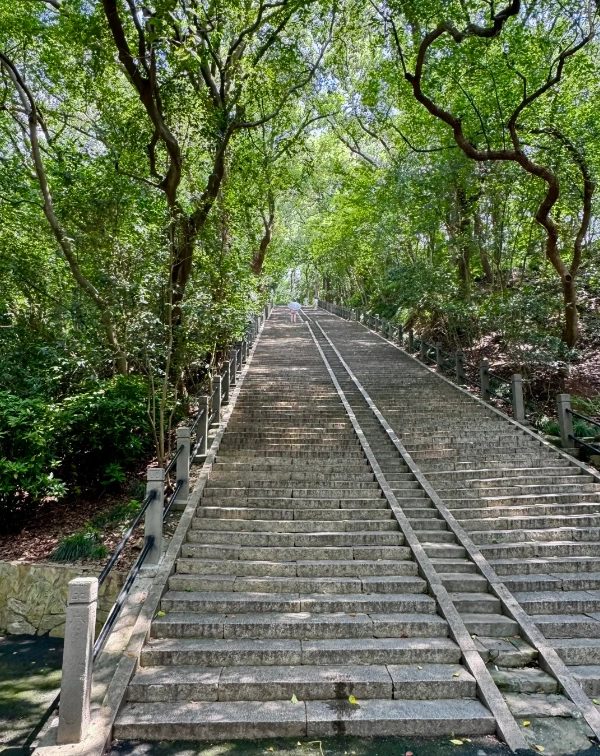
What You'll Find in This Guide
Essential Info: Tickets, Hours & Getting There
First things first, let's get the logistics out of the way. Sheshan is surprisingly accessible, but knowing a few key details saves you time and hassle.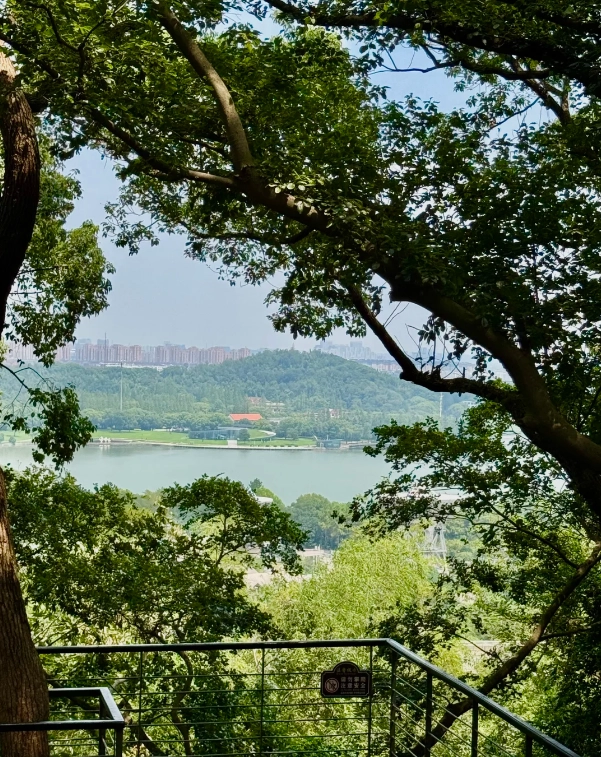
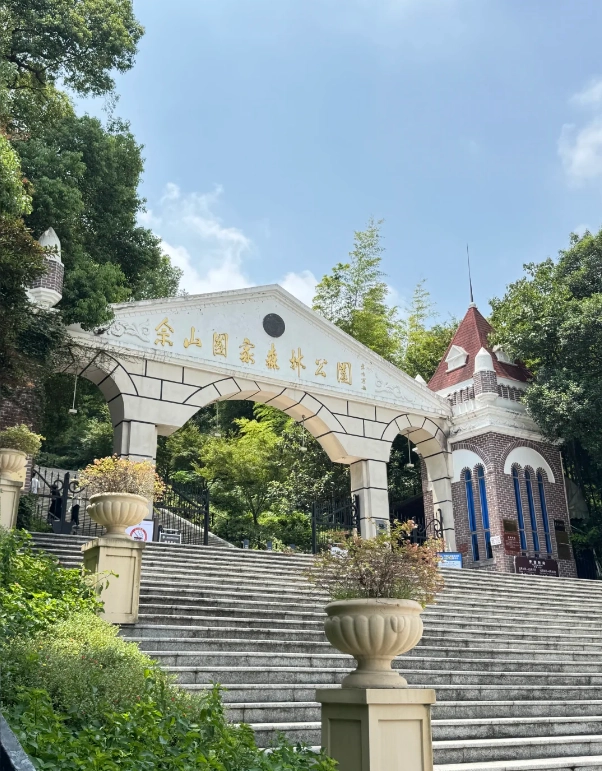
Address: Sheshan National Forest Park, Songjiang District, Shanghai. The park has multiple entrances, but the main one is on Waixianqing Road.
Opening Hours: The park is open daily from 8:00 AM to 5:00 PM. Last entry is usually around 4:30 PM. Individual attractions inside, like the observatory or bamboo forest, may have slightly shorter hours.
| Item | Details & Cost (Approx.) | Notes |
|---|---|---|
| Park Entrance Ticket | Free for the general forest park area. | This is the biggest win. You can wander the main paths, lawns, and forests without paying. |
| East Hill (Dong Sheshan) Combo Ticket | Around ¥40-50 (covers Bamboo Forest, Buddhist sites). | Required if you want to visit the main cultural attractions on the East Hill. Worth it. |
| West Hill (Xi Sheshan) Observatory Ticket | Around ¥12 separately. | You pay this at the observatory gate itself if you hike up. |
| Shanghai Metro + Bus | Metro fare (¥3-7) + Bus fare (¥2). | The most common and economical way. Takes 60-75 mins from central stations. |
| Taxi / Ride-hailing | ¥100-¥150 from downtown. | Best for groups of 3-4 or if you're short on time. Direct to the entrance. |
How to Get to Sheshan National Forest Park
The most straightforward route is by metro and bus. Take Shanghai Metro Line 9 to Sheshan Station (not Sheshan South). From Exit 2, you'll see a bus terminal. Look for bus Songjiang 92路 or the dedicated Sheshan Holiday Resort Bus 1. Both will take you directly to the park's main entrance in about 15 minutes. The bus ride itself is a nice preview, winding through quieter parts of Songjiang.
Driving? There's parking available near the main entrance, but it fills up quickly on weekends and holidays after 10 AM. The fee is reasonable, around ¥10-20 for the day.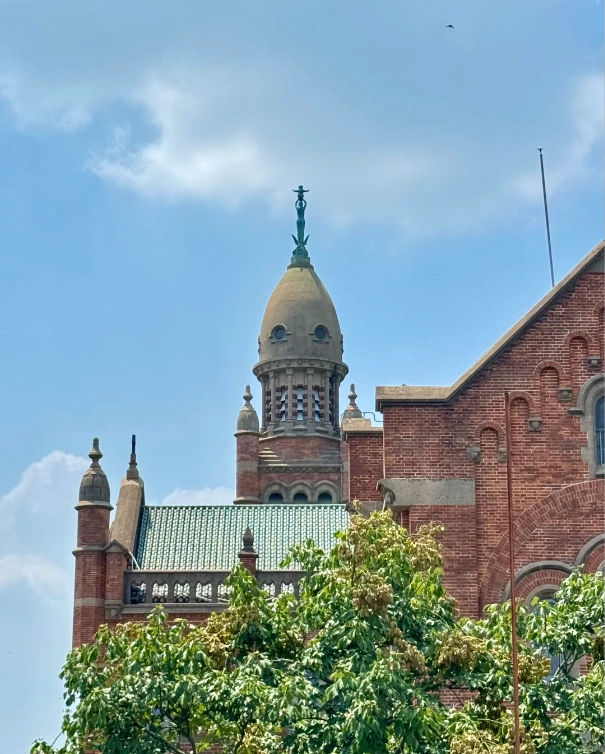
What to See and Do: From East to West Hill
Sheshan is split into two main areas: the gentler, culturally-focused East Hill (Dong Sheshan) and the steeper, more natural West Hill (Xi Sheshan). Most visitors make the mistake of trying to do both in a rushed half-day. I recommend picking one per visit for a more enjoyable experience.
East Hill (Dong Sheshan): Temples, Bamboo, and Serenity
This is where you buy the combo ticket. The vibe here is peaceful and contemplative.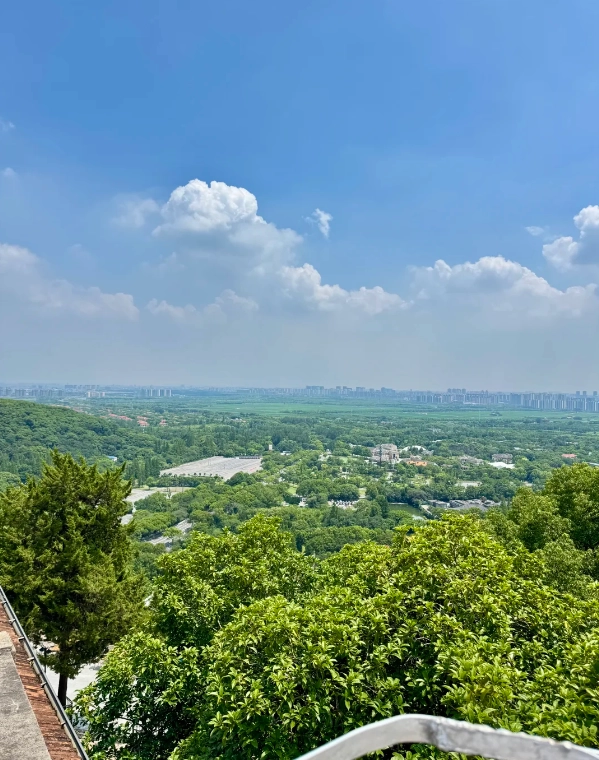
- The Bamboo Forest (Zhu Hai): This isn't just a few bamboo plants. It's a dense, shaded grove where the sunlight filters through in beautiful patterns. The path is paved and easy. It's always a few degrees cooler here, perfect for a summer walk. Listen for the wind rustling the leaves – it's incredibly calming.
- Sheshan Basilica (Sheshan Cathedral): Officially the Cathedral of St. Ignatius, this is the real gem. A stunning Romanesque-style Catholic church built in the 1930s, perched on the hillside. The architecture is striking against the green backdrop. You can go inside; it's quiet and solemn. The view of the surrounding forest from its steps is fantastic.
- Buddhist Complex: Nearby, you'll find the Sheshan Buddhist Temple and the impressive Huzhu Pagoda. The pagoda is a landmark you can see from various points in the park. The mix of Catholic and Buddhist sites so close together is uniquely Sheshan.
West Hill (Xi Sheshan): The Hike and the Observatory
This is the side for those wanting a bit of a workout and iconic views. The main draw is the hike up to the Shanghai Astronomical Museum (Sheshan Observatory). The path is a mix of stone steps and sloping roads. It's not a Himalayan trek, but it's a sustained climb – wear proper shoes, not flip-flops.
The observatory itself is a historic building, one of the oldest modern observatories in China. The museum inside is a bit dated, but the real reward is the 360-degree viewing platform at the top. On a clear day, you can see the sprawling cityscape of Shanghai in the distance, contrasted with the forested hills all around you. It puts the city's scale into perspective. The ticket is cheap, and the view is worth every step.
A tip most miss: On the West Hill, look for the quieter secondary trails that branch off from the main stairway. They're less crowded and often lead to small, secluded clearings with benches.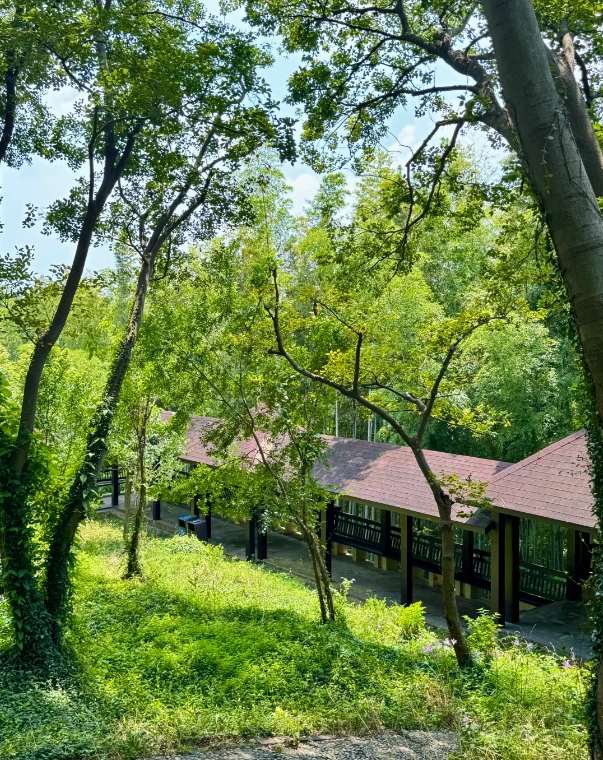
Hiking the Trails: Routes and Practical Tips
Beyond the main attractions, Sheshan is a network of walking and hiking trails. Here’s a breakdown based on your energy level.
The Leisurely Loop (1-1.5 hours): Enter the main gate, wander around the Moon Lake area, then meander through the forests on the paved paths near the base of the hills. You'll see locals practicing tai chi, families picnicking, and maybe even some birdwatchers. No hills, all flat and relaxing.
The Classic Summit Hike (2-2.5 hours): This is the West Hill observatory climb. Start at the West Hill entrance, take the stone steps all the way up, visit the observatory, and then descend via the winding road path for a different perspective. The descent is easier on the knees.
The East Hill Cultural Walk (2 hours): Focus entirely on the East Hill combo ticket area. Explore the bamboo forest thoroughly, visit the cathedral and the pagoda, and enjoy the landscaped gardens. It's more about cultural sights than wilderness.
What to Bring: Water is essential. There are vendors at the entrances and base, but fewer once you're on the trails. Snacks are a good idea. Mosquito repellent is non-negotiable in the warmer months – the forest is beautiful, but the mosquitoes are enthusiastic. A hat and sunscreen are needed for the exposed sections, especially near the observatory.
Planning Your Visit: A Realistic Itinerary
Based on my visits, here's how I'd structure a perfect day trip to Sheshan.
Morning (9:30 AM - 12:30 PM): Arrive via Metro Line 9 and bus. Aim to get to the park by 9:30 to beat the biggest crowds. Head straight to the East Hill ticket office. Spend the morning immersed in the Bamboo Forest and exploring the Sheshan Basilica and pagoda complex. The light in the bamboo grove is lovely in the late morning.
Lunch (12:30 PM - 1:30 PM): Have a picnic! This is my strongest recommendation. Bring your own food (there's a supermarket near Sheshan Metro station) and find a spot on the lawns near Moon Lake. The alternative is the simple restaurants or noodle shops just outside the main gate – functional but not memorable.
Afternoon (1:30 PM - 4:00 PM): Choose your adventure. If you still have energy, tackle the West Hill hike to the observatory. The afternoon sun lights up the cityscape view nicely. If you prefer to stay relaxed, skip the big climb. Instead, walk the perimeter trails around the base of the hills. Look for the quieter paths leading to the Bird Watching Forest area – it's often overlooked.
Heading Back (4:00 PM): Start making your way back to the bus stop. Lines for the bus back to the metro can get longer after 4:30 PM as people leave.
The biggest mistake is trying to cram both hills into one short visit. You'll just be rushing and exhausted. Pick one focus area.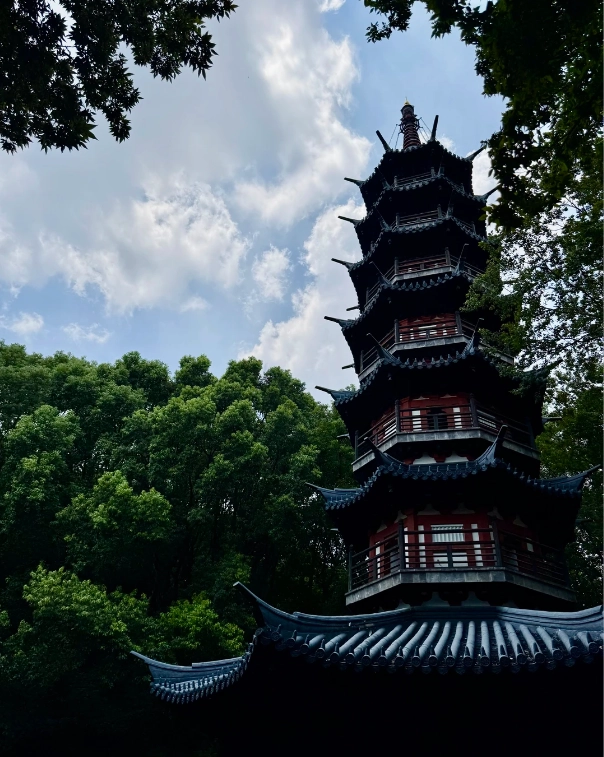
Your Questions, Answered
Is Sheshan National Forest Park suitable for families with young children?
Absolutely, especially the East Hill area and the flat parkland around Moon Lake. The paths are stroller-friendly. The Bamboo Forest is like a natural playground. For the West Hill hike, consider a child carrier for toddlers, as the stairs are steep and numerous for little legs. There's plenty of open space for kids to run around safely.
What’s the best way to avoid crowds at Sheshan?
Go on a weekday. It's transformative. If you can only go on a weekend, arrive right at 8:00 AM when the park opens. Most crowds, especially tour groups, arrive between 10:00 AM and 2:00 PM. Head to the West Hill first if you're an early bird, as the tour groups tend to focus on the East Hill cultural sites in the morning.
 Can I visit Sheshan in the rain?
You can, but it changes the experience. The stone steps on the West Hill become very slippery and potentially hazardous. The Bamboo Forest in a light drizzle, however, is magical – the sounds and smells are amplified. If it's raining, stick to the paved, flat paths of the East Hill and the covered areas of the cathedral. Bring non-slip footwear.
Are there any good food options inside the park?
The honest answer is no, not really. There are small kiosks selling water, ice cream, and instant noodles. For actual food, your best bet is to bring a picnic (the most enjoyable option) or eat at the local restaurants clustered outside the main entrance. They serve standard Chinese fare – think noodles, fried rice, simple dishes. Don't expect gourmet dining.
What's one thing most first-time visitors miss?
The quiet corners. Everyone follows the main signs to the big attractions. After you see the observatory or cathedral, take five minutes to walk down any of the smaller, unmarked trails that seem to go "nowhere." You'll often find a solitary bench under a huge tree, a tiny stream, or a patch of wildflowers. These moments of quiet, away from the main flow, are what make Sheshan feel like a true escape.
Ultimately, Sheshan National Forest Park works because it offers a genuine contrast to Shanghai. It's not a manicured city garden. It has wildness, history, and space. You can challenge yourself with a hike or just find a quiet spot to read a book. Knowing how to navigate it—when to come, what to bring, and where to find those moments of peace—turns a good trip into a great one. It's the dose of nature you didn't know you needed in the middle of one of the world's biggest cities.






Hmm, I was a bit let down honestly. Maybe I set my expectations too high from the reviews. The park is decent but pretty small for a 'national forest park'—I finished all the trails in under 2 hours. The signage is poor, and the 'observatory' tower was closed for renovation when I visited. Not much to do besides walk and take photos of the church. Okay for a quick trip, but not worth a long commute.
A solid 4 stars for me. The park itself is lovely—lots of green, fresh air, and nice walking paths. But on a sunny Saturday afternoon it got really crowded, and the main staircase near the basilica was bottlenecked. Also, a couple of the trail markers were confusing. Still a nice outing, just go early if you can.
I bring out-of-town friends here all the time, and they're always blown away. The mix of nature, history, and the little temple near the top gives it a unique vibe. Yes, it's a bit of a climb, but the benches and shade make it manageable. Clean restrooms and decent snack stalls too. Five stars without hesitation.
Best escape from the Shanghai chaos without leaving the city. I went early on a weekday and basically had the summit to myself. The old Catholic basilica is stunning, and the way the light filters through the trees makes every photo look like a painting. Easy to reach by metro + bus. 10/10 would recommend.
Absolutely loved my day at Sheshan! The bamboo forest trail is a hidden gem—so quiet and peaceful, it felt like a different world. The view from the observatory tower was worth every step. Pack a picnic and take the less crowded path behind the basilica; you'll thank me later!
Meh. I had high expectations after reading all the hype but it's basically a small hill with a few old buildings. The forest is nice but not very dense, and the hike took me only 30 minutes. Some trails were closed for maintenance without any warning. The view from the top is okay but nothing spectacular. Overpriced for what it is – wouldn't go again.
Honestly one of the best things to do in Shanghai if you need a nature fix. I walked from the West gate up to the basilica – that path is gorgeous with all the old trees. Sat on a bench for an hour just reading and listening to birds. Felt like I was miles away from work emails. Only reason it's not a 5 is because the restrooms were pretty gross.
Brought my two kids (ages 6 and 9) and they had a blast. The climb is gentle enough for little legs, and they loved spotting squirrels and birds along the way. The top has a nice flat area where they could run around. No crazy entrance fee either. Only wish there were more signposts in English. A solid family day out.
Nice place to get away from the concrete jungle, but honestly a bit let down by the crowds. We went on a Sunday afternoon and the paths were packed. The bamboo forest is pretty but trash bins were overflowing. Also, the coffee stand near the entrance was closed. Still had a decent walk and the air felt fresh. Would try again on a weekday.
Absolutely loved my Saturday morning here! Got up early and ran up to the top of East Sheshan — the trail is well-maintained and the views of Shanghai in the distance were stunning. So quiet compared to the city. Saw the little church and the astronomy museum too. Definitely coming back for a picnic next time. Best escape I've had all year.
Went here with a group of friends for a weekend hike. The main trail to the observatory is steep but short—great leg workout! The observation deck was packed, but we found a quieter spot on the back side of the hill with a gorgeous view of the TV tower. The only reason I’m not giving 5 stars is the overpriced water at the vending machines (¥8 for a small bottle). Bring your own drinks and you’ll have a solid day out.
Perfect spot to recharge after a long week. I found a quiet bench near the reservoir, sipped my coffee, and watched dragonflies skim the water. The staff at the ticket booth were friendly and let me store my backpack at the info counter for free. No huge wow factor—just clean air, birdsong, and a lovely view of the city skyline in the distance. Exactly what I needed. Highly recommend for solo travelers.
Honestly quite disappointed. I came expecting a real forest experience but most of the “park” feels more like a paved suburban garden with a few trees. The chapel on the hill is cute but not worth the steep entrance fee (¥30 felt excessive). The paths are crowded even on a weekday, and I heard loud music from a wedding photoshoot for almost an hour. Maybe okay for a short morning stroll if you live nearby, but not a destination.
Brought my kids here on a Saturday and we had a lovely afternoon picnic by the lake. The playground near the entrance is small but kept my 4-year-old entertained for an hour. My only complaint is the lack of clear signposts—we accidentally walked 20 minutes toward the golf course before realizing we were going the wrong way. Otherwise, it’s a peaceful escape from the city noise. Would come again if they fixed the signage.
Finally made it out here for a morning trail run before the heat got unbearable. The paths are well-maintained, and the bamboo grove section is absolutely serene—felt like I had the whole forest to myself. Only downside: the public restroom near the east gate was locked, so plan ahead if you're not local. Still, for a quick nature fix inside Shanghai, this place delivers. Five stars for the fresh air alone.