 Jian Zhao
Quick Look—What You’ll Find Below
I’ve lost count of how many times I’ve walked through Kumbum Monastery’s gates with first‑time visitors. Every single trip, someone asks the same question: “What time does it open—and close?” The answer isn’t as simple as a single line on a website. Seasons shift, ticket counters get slammed, and if you show up at the wrong hour, you’ll be staring at a locked gate or fighting a wave of tour groups.
This guide gives you the real‑world hours, the booking tricks, and the quiet moments that make Kumbum unforgettable. No fluff, just what I tell my own clients.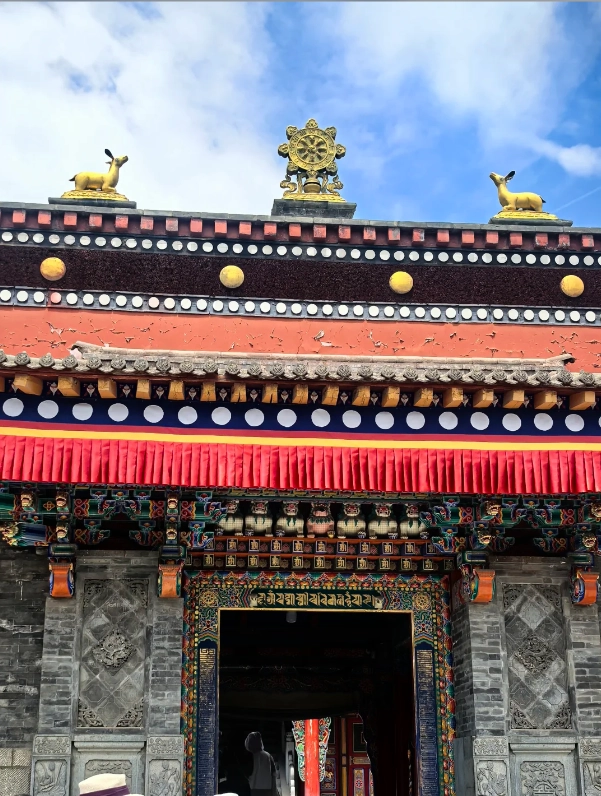
When Is Kumbum Monastery Open?
Kumbum Monastery (also called Ta’er Temple) follows two distinct schedules. The summer season stretches from April 1 to October 31, and the winter season runs November 1 to March 31.
| Season | Opening Hours | Last Entry |
|---|---|---|
| Summer (Apr–Oct) | 7:00 AM – 6:00 PM | 5:30 PM |
| Winter (Nov–Mar) | 8:30 AM – 5:00 PM | 4:30 PM |
Why the hours matter more than you think
I once brought a group during Golden Week (first week of October). We arrived at 10 AM—big mistake. The queue for tickets snaked around the courtyard, and the sun was already brutal. By noon, the main assembly hall felt like a packed subway car. If you have flexibility, aim for the first hour after opening (7 AM–8 AM in summer, 8:30 AM–9:30 AM in winter). The air is cool, the light is soft, and you’ll have the Butter Sculpture Hall almost to yourself.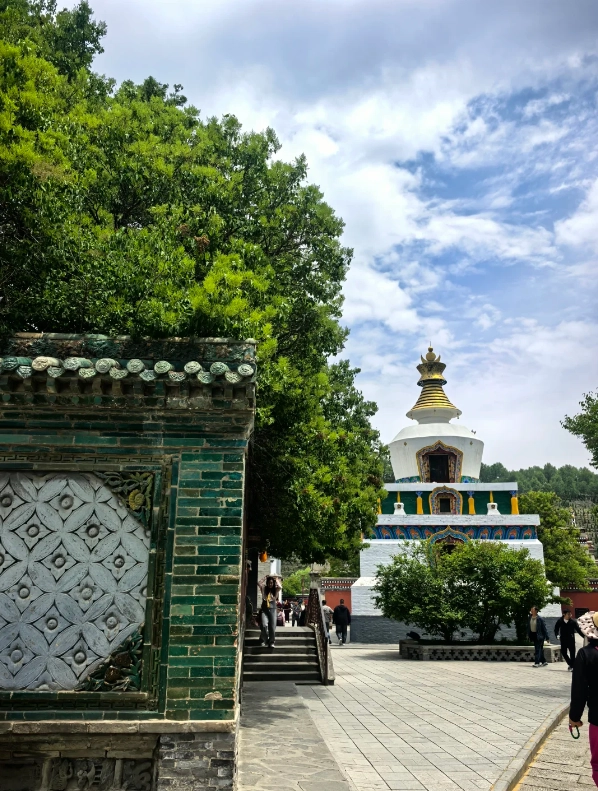
Ticket Prices & Booking (Yes, You Need to Pre-Book)
Ticket prices are fixed, but the payment process can trip up foreigners.
| Category | Price (CNY) | Notes |
|---|---|---|
| Adult (Standard) | 80 | Includes all main halls |
| Student (with valid ID) | 40 | International student cards often accepted |
| Child (1.2–1.4 m) | 40 | Under 1.2 m free |
| Senior (60+ with passport) | 40 | Must show age proof |
Best Time to Visit—When the Light Hits Just Right
Golden hour for photographers
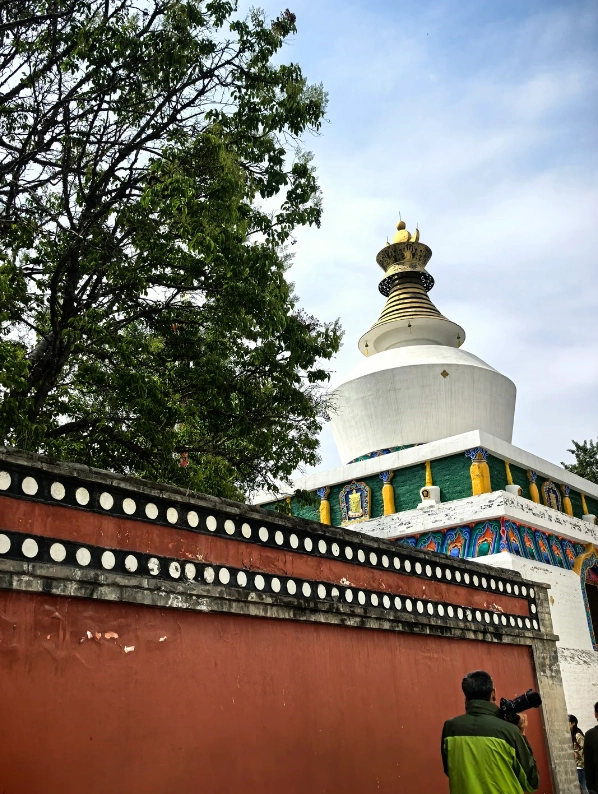
For the iconic white dagoba and the golden roofs, aim for 3:30 PM to 5:00 PM in summer. The sunlight comes from the west, lighting up the gilded tiles. In winter, the window shifts to 2:00 PM–3:30 PM. I always tell my photo‑obsessed clients: skip the morning—it’s backlit and you’ll get silhouettes instead of details.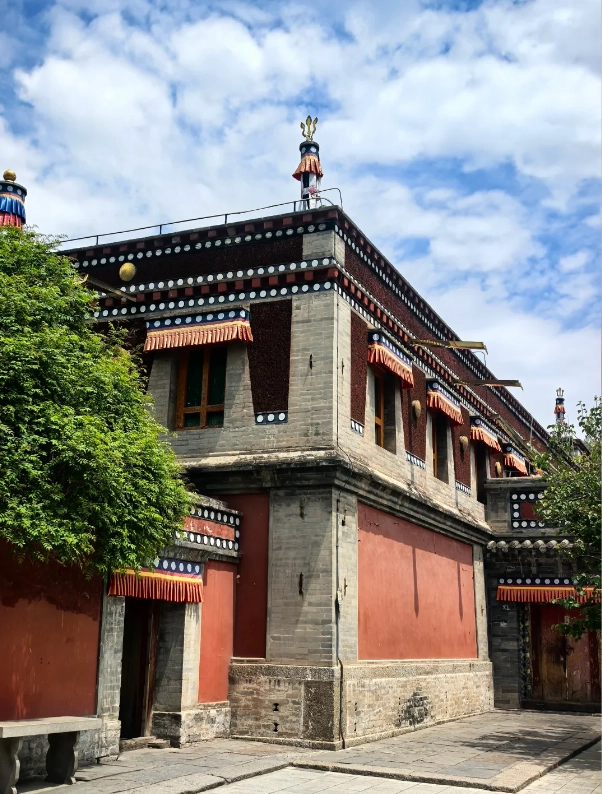
Crowd avoidance strategy
Tour groups roll in from 9 AM to 11 AM and again from 1:30 PM to 3 PM. The absolute quietest slot is the first 90 minutes after opening. If you’re not a morning person, your next best bet is the last 90 minutes before closing—but remember, chapels start shutting down 30 minutes early, so you’ll have to prioritize.
Getting to Kumbum Monastery from Xining
Kumbum sits in Huangzhong County, about 25 km southwest of downtown Xining.
Option 1: Public bus (cheapest)
Take bus 909 from Xining Railway Station (the main bus hub, Platform 4). The ride takes about 1 hour and costs 4 CNY. Get off at the “塔尔寺” stop—it’s right at the monastery’s south gate. Buses run every 15 minutes from 6:30 AM to 7:30 PM.
Here’s the catch: the bus can get packed during holidays. If you can’t find a seat, it’s a long, bumpy stand. I recommend taking a Didi or taxi for comfort, especially if you’re lugging bags.
Option 2: Taxi / Didi (comfortable, moderate cost)
A one‑way taxi from the city center (e.g., near Dongguan Mosque) costs about 50–70 CNY and takes 35–45 minutes. Enter “塔尔寺” as your destination in the Didi app. Make sure the driver actually drops you at the main entrance (山门)—some will drop you at the parking lot a 5‑minute walk away.
Option 3: Join a half‑day tour (easiest)
Many local agencies offer tours that include pickup from your hotel, transport, and a guide. Prices start around 200 CNY per person. I’ve had good experiences with Trip.com and Klook for these packages. They handle the ticket haggling, which is a relief if you’re not confident with WeChat.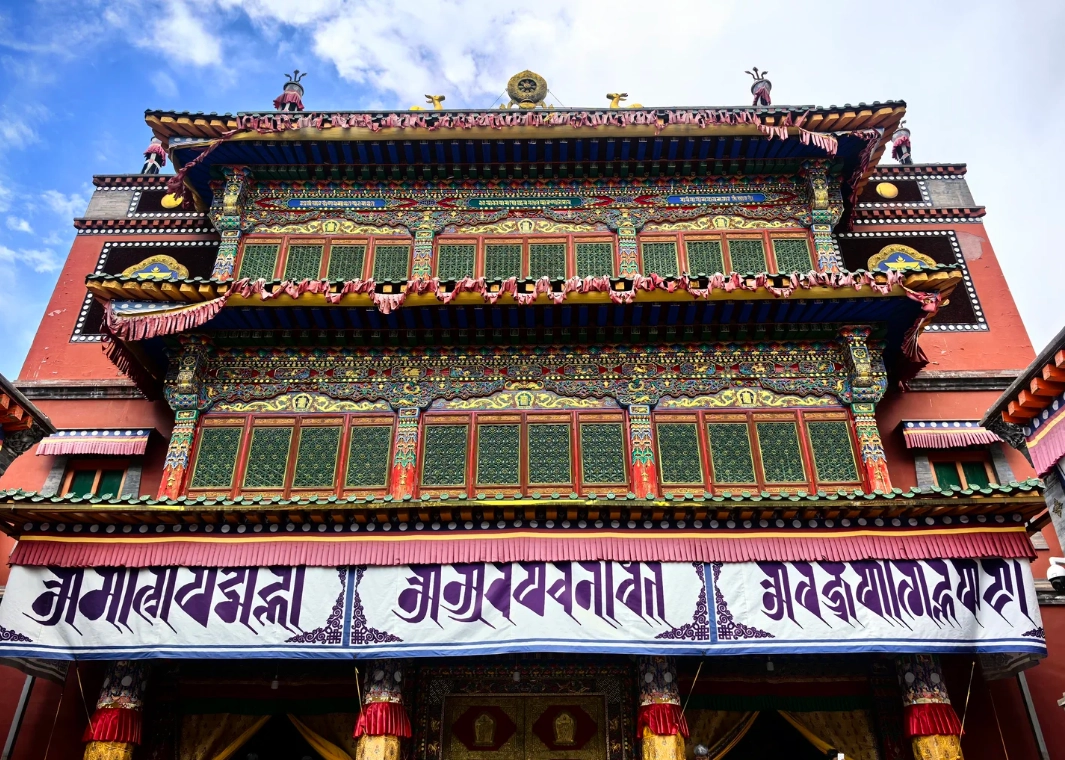
What to See Inside—Don’t Miss These
The monastery complex is huge—over 40 buildings spread across a hillside. You can’t see it all in one visit, but these are the non‑negotiable spots:
- Grand Golden Roof Hall (大金瓦殿) – The heart of Kumbum. Inside lies the silver pagoda containing the remains of the great teacher Tsongkhapa. The golden roof is made of 360 kg of gold. Tip: Remove your hat and sunglasses before entering; photography is not allowed inside.
- Butter Sculpture Hall (酥油花馆) – These intricate sculptures made from yak butter are a marvel. They’re kept in a refrigerated room because butter melts—so don’t linger too long if you’re cold‑sensitive.
- Sutra Debate Square (辩经场) – If you visit during the summer around 4:30 PM, monks gather here for animated debates. It’s a fascinating spectacle, but keep a respectful distance and don’t use flash.
- Eight White Dagobas (八宝如意塔) – The iconic row of stupas at the entrance. Best photographed in the late afternoon when they cast long shadows.





No comments yet.