 Fang Wang
Let's be honest. When you think of a wildlife park, you might picture animals behind fences, a quick loop on a bus, and overpriced snacks. I thought the same before my first visit. But Shanghai Wild Animal Park is a different beast entirely. It's a sprawling, immersive experience where the line between observer and participant gets deliciously blurred. Forget the cramped city zoo; this is a safari adventure on the outskirts of Shanghai, and it demands a proper strategy. Having navigated its vast grounds multiple times, with and without kids in tow, I've compiled everything you need to know—from avoiding the biggest rookie mistakes to finding those magical, crowd-free moments with the animals.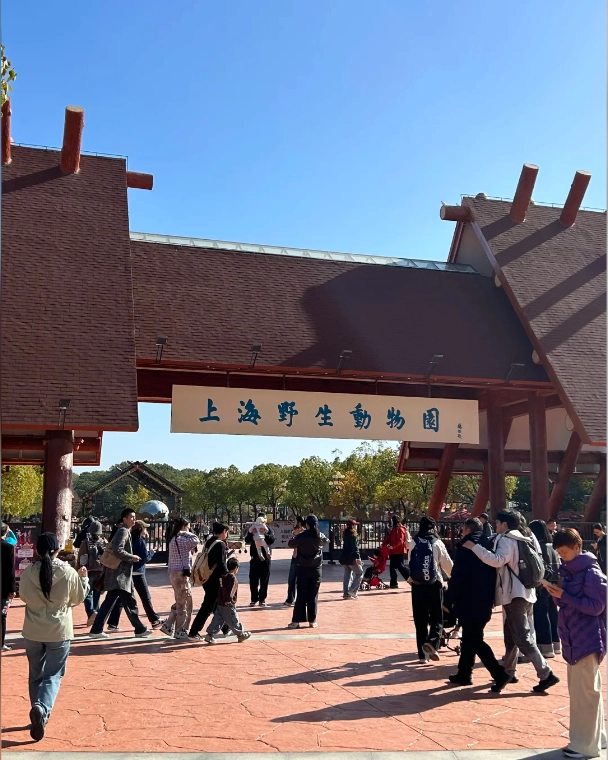
Quick Navigation
Planning Your Visit: The Non-Negotiables
Before you get lost in dreams of feeding giraffes, get the logistics sorted. This park is huge, and a failed plan means a lot of walking and missed opportunities.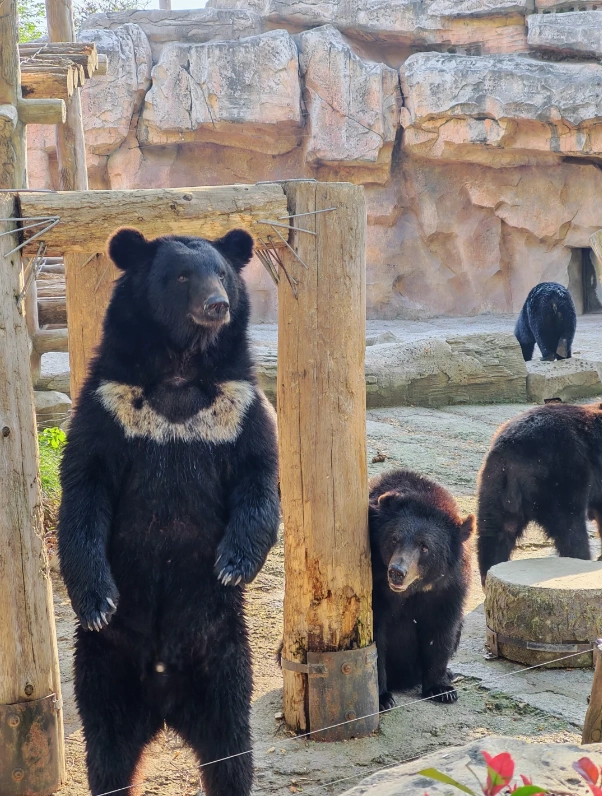
Address: 178 Nanliu Highway, Pudong New Area, Shanghai. Don't confuse it with the Shanghai Zoo in Changning District; this is the one with the safari buses.
Operating Hours: Typically 9:00 AM to 5:00 PM, with last entry around 4:00 PM. However, the safari bus zone stops running earlier, usually by 4:30 PM. I made the mistake of saving it for last once and almost missed it. Always do the bus ride first.
Best Time to Visit: Weekdays, obviously. If you must go on a weekend, aim to be at the gate before opening. The animal feeding sessions are also more relaxed in the morning. Spring and autumn are ideal; summer is hot and humid, and some animals might be less active.
Shanghai Wild Animal Park Ticket Options & Prices
Ticket pricing is straightforward, but there's a key decision: standard entry or the package that includes the safari bus. Trust me, the bus is not optional.
| Ticket Type | Price (Approx.) | What's Included | Best For |
|---|---|---|---|
| Standard Adult Ticket | ¥130 | Entry to the walking zone only. | Visitors on a tight budget who don't mind missing the core safari experience. Not recommended. |
| Adult Ticket + Safari Bus | ¥165 | Full park entry + one ride on the guided safari bus through the animal drive-through zones. | First-time visitors. This is the ticket you should buy. |
| Child/ Senior Ticket (1.3m-1.5m height / over 65) | ¥82.5 | Walking zone entry. Safari bus usually requires an additional fee (~¥35). | Children and seniors. Check height requirements carefully. |
A common pitfall is buying tickets at the gate. Lines can be long, especially for payment processing. I always use the official WeChat mini-program or a reliable travel platform like Trip.com to book in advance. You scan a QR code and walk right in.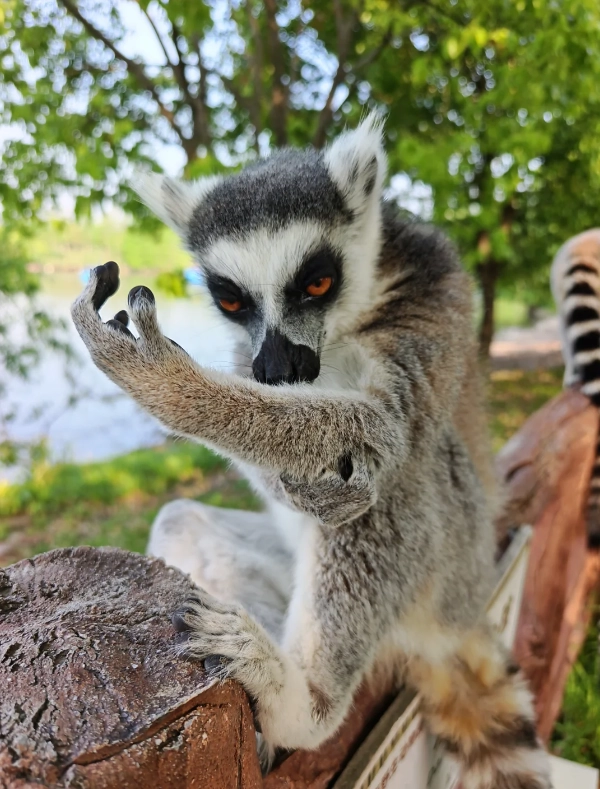
Navigating the Two Zones: Safari Bus vs. Walking
The park is cleverly divided into two distinct sections, and understanding this geography is half the battle.
The Safari Bus Zone: This is the headline act. You board a large, caged bus with a guide. The bus drives through massive, open-range enclosures where animals roam freely. You'll see herds of antelope, zebras, and camels wandering past. Then you enter the predator sections—bears, lions, tigers, and wolves. The bus windows are secure, but seeing a tiger stroll a few feet away is a genuine thrill. The guide provides commentary (mostly in Chinese, but you get the gist). Pro Tip: Sit on the right-hand side of the bus for better views of most predator areas.
The Walking Zone: After the bus drops you off, you explore on foot. This area is massive and houses everything else: pandas, giraffes, elephants, primates, birds, and countless other species. The enclosures here are more traditional but generally spacious and well-designed. This is where the paid animal interaction experiences are located.
Most visitors rush through the walking zone after the bus. My advice? Slow down. The walking zone has hidden gems, like the lemur island and the various bird aviaries, that are easy to miss if you're just following the main crowd.
Top Animal Encounters You Shouldn't Miss
Beyond passive viewing, the park offers interactive feeding sessions. These cost extra (usually ¥10-¥40) but are worth it for the memory. Here are my top picks, ranked by experience.
1. Giraffe Feeding Platform: This is the park's signature moment. You climb a platform to be at eye level with these gentle giants. For about ¥20, you get a handful of branches. The feeling of a giraffe's long, dexterous tongue wrapping around the leaves from your hand is surreal. Go early or late to avoid the biggest crowds.
2. Elephant Interaction: Located near the main performance arena, you can buy fruit baskets to feed the elephants. You get surprisingly close, and the elephants are very gentle. It's a great photo op, especially for kids.
3. Kangaroo Walkthrough: In a designated area, you can walk among wallabies and kangaroos. You can purchase feed for them. They are mostly relaxed, and it's a unique chance for close observation without bars.
4. Bird Aviaries: Don't skip these. For a small fee, you can enter large netted areas filled with colorful lorikeets or other birds. They will land on your arms and shoulders if you hold the provided nectar cup. It's chaotic and wonderful.
A word on the animal shows (Sea Lion and Elephant). They are entertaining, especially for families, but feel a bit commercial. If your time is limited, I'd prioritize the feeding encounters over sitting through a full show.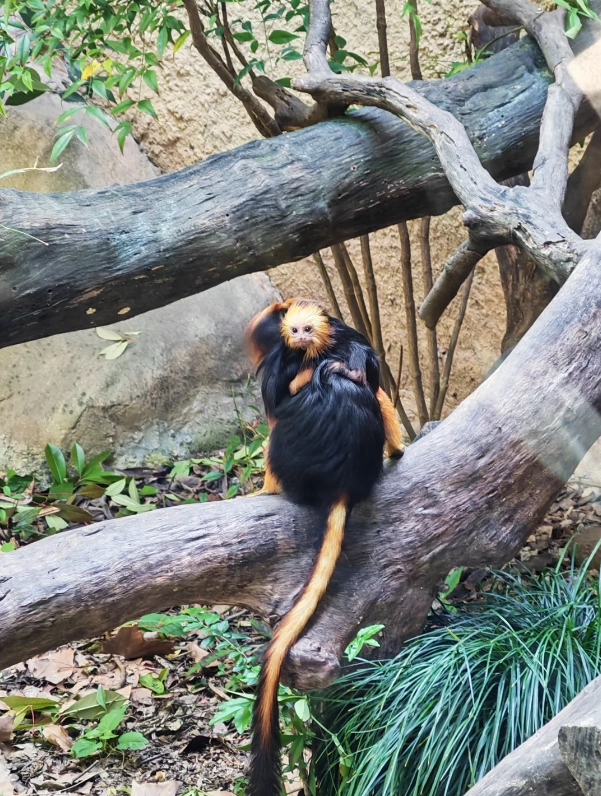
Maximizing Your Day: A Sample Itinerary
Here’s how I would structure a perfect day to see the highlights without burnout.
9:00 AM - Arrive: Be at the gate before opening. Head straight for the Safari Bus boarding area. The lines are shortest now, and the animals are most active in the cooler morning.
10:30 AM - Explore Walking Zone West: After the bus, you'll be in the north-west part of the walking zone. Visit the panda enclosure first (they're often napping later). Then work your way towards the giraffe platform.
12:00 PM - Lunch Break: Grab a bite at one of the food courts. Manage expectations—it's standard theme park fare. Bringing some snacks is a good idea.
1:00 PM - Focused Encounters: Hit your chosen paid interactions: elephant feeding, then the kangaroo walkthrough. The crowds thin slightly post-lunch.
2:30 PM - Leisurely Stroll: Visit the lemur island, the bird aviaries, and the primate sections. This is the time to wander without a strict schedule.
4:00 PM - Final Loop: Make your way back towards the entrance, catching any missed exhibits. The gift shops near the exit have your last chance for souvenirs.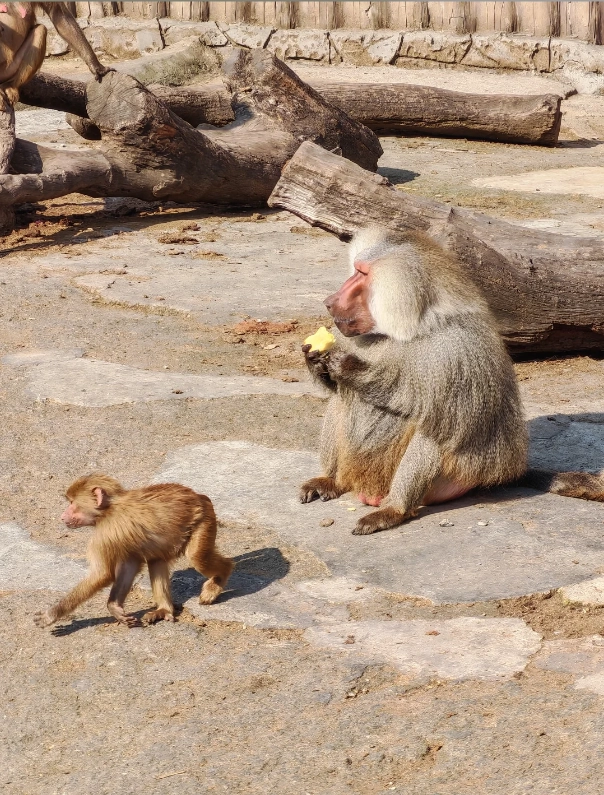
On-Site Food & Shopping: What to Expect
You won't find gourmet dining here. There are several large, cafeteria-style food halls serving Chinese fast food, noodles, fried rice, and some Western options like burgers and fries. A meal will cost roughly ¥40-¥70 per person. The quality is okay—fuel, not a culinary experience. I usually bring a water bottle (refill stations are available) and some energy bars.
Souvenir shops are scattered throughout, with a large one near the exit. You'll find the usual array of plush toys, keychains, and t-shirts. The plush pandas and tigers are popular. Bargaining is not expected.
Getting There: Transportation Options
The park is in southern Pudong, so it requires some travel from central Shanghai.
By Metro & Bus (Budget-Friendly): Take Shanghai Metro Line 16 to Wild Animal Park Station (yes, the line has a station named after it!). From Exit 1 or 2, you can either take a short taxi ride (about 10 minutes) or hop on bus Hui Nan Line for one stop to the park gate. The metro ride from central areas like People's Square takes about 60-75 minutes.
By Taxi/Didi (Most Convenient): A direct taxi from Lujiazui or People's Square will take 45-60 minutes and cost approximately ¥120-¥180, depending on traffic. This is the best option for families or groups, as it drops you right at the entrance.
By Driving: The park has a large paid parking lot. Parking fees are reasonable for the day. Follow signs for Nanliu Highway.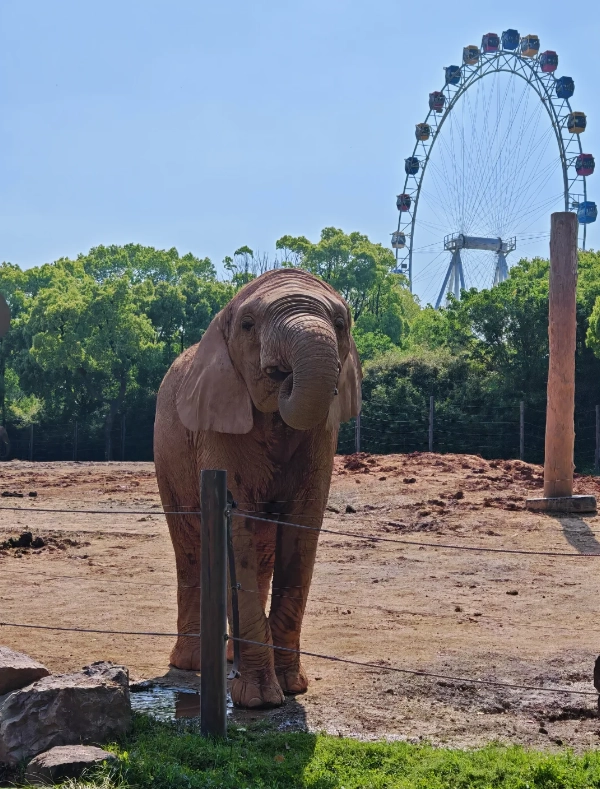
Visitor FAQs: Your Questions Answered
Shanghai Wild Animal Park succeeds because it balances spectacle with genuine moments of connection. It's not a perfect, pristine wilderness—it's a managed, large-scale attraction. But when you lock eyes with a giraffe or watch a tiger pad alongside your bus, the managed part fades away. You're left with a raw, simple wonder that's hard to find in a metropolis like Shanghai. Plan smart, wear comfortable shoes, and let yourself be surprised.







Honestly, a bit disappointed considering the hype. The animals seemed lethargic—the lions were just sleeping the whole time, and the tigers too. The so-called 'free-range' area felt more like a small paddock. The walking route is confusing and poorly signposted; we ended up backtracking a lot. The tiger show felt more like a circus act than education. Maybe my expectations were too high after visiting other zoos in Asia. Not bad, but not amazing either.
Solid 4 stars. The park is huge and well-maintained, but we went on a sunny Saturday and the queues for the safari bus were over an hour long. That was frustrating with a toddler. The animal interactions (like the camel ride) cost extra, which adds up quickly if you're with a group. However, the flamingo pond and the lush greenery made up for it. We loved watching the elephants bathe. Just go on a weekday if you can, and bring your own lunch.
What sets this park apart is the attention to animal welfare and the naturalistic habitats. I was impressed by the spacious enclosures for the pandas and the red pandas. The 'walk on the wild side' path lets you see lemurs and kangaroos without fences—just you and them a few meters apart. The conservation signs are informative too. Only minor complaint: some exhibits closed for renovation (the reptile house), but that's understandable. A must-visit for animal enthusiasts.
Took my two kids (ages 5 and 8) here last weekend and they're still talking about it. The children's petting zoo area is fantastic—they got to hold a baby rabbit and feed goats. The dolphin show was a hit; my daughter clapped so hard her hands were red. Only downside is the food options inside are overpriced and mediocre, but we packed our own snacks. Parking was easy and the staff were friendly. Highly recommend for a family day out!
Absolutely blown away by this place! The sheer size of the park is incredible—we spent the whole day and still didn't see everything. The walk-through aviary was a highlight, with birds literally flying inches above your head. Feeding the giraffes was surreal; their tongues feel like rough sandpaper. The safari bus tour gave us a real close-up of the lions and tigers. Hands down the best zoo experience in Shanghai. Worth every penny!
Decent park but nothing extraordinary. The cable car ride over the safari zone was pretty cool and gave a nice aerial view of the lions. But the 'sea lion show' felt very short and scripted — lasted maybe 10 minutes with a lot of audience cheering. Food options are overpriced and mediocre; I'd suggest eating outside before coming. If you've been to other zoos around the world, this one is average. Worth it if you have extra time in Shanghai.
This place is a hidden gem for wildlife enthusiasts! I spent nearly the whole day walking the quieter paths and found so many species I hadn't seen before, including red pandas and white tigers. The walk-in aviary was magical — birds flying freely around you. I appreciated the educational signs about conservation efforts. Only minor thing: the restrooms near the main entrance were a bit dirty. Still, a five-star experience in my book.
Took my two kids (ages 6 and 9) and they had a blast! The highlight was the petting zoo area where they could feed goats and llamas — the kids couldn't stop giggling. The tram ride gave a great overview of the park, and we spotted the pandas munching on bamboo. A few food stalls were closed, which was annoying, but the hot dog we got was decent. Would recommend bringing your own snacks. Overall a fun family day out!
Honestly, I was a bit disappointed. The park is huge and there's a lot of walking, but the animals seemed lethargic — most just lay around sleeping under the afternoon sun. The walking path layout felt confusing and poorly signposted. Paid extra for the 'VIP' feeding experience but the staff rushed us through in under 3 minutes. For the price, I expected more interaction and better organization. It's okay for a one-time visit, but wouldn't go back.
Absolutely loved my day at Shanghai Wild Animal Park! The safari bus ride through the tiger and lion zones was thrilling — one lioness actually came right up to the window and yawned, showing off her teeth. The bird show was also a highlight, with parrots flying just inches over our heads. Highly recommend the early morning feeding session for the giraffes, so cute! Will definitely come back next time I'm in Shanghai.
Three stars because the main attraction – the giant panda exhibit – was disappointing. Only one panda was visible, lying face-down asleep in a corner. The rest of the park? Mixed bag. The cape penguin area is fun and the cheetah run demonstration was cool, but the 'animal performance' show felt dated with loud music and forced tricks. Bathrooms were reasonably clean but the drinking fountains were out of order. Not terrible, but there are better options in Shanghai for the price.
Great family outing! We spent 6 hours here and still didn't see everything. The giant pandas were active (munching bamboo right by the glass) and the red pandas in the climbing area were adorable. I appreciated the recycling bins and eco-friendly messaging throughout the park. The only gripe: the map app kept crashing, and finding the exit took us an extra 20 minutes. Otherwise, excellent value for a full day of wildlife encounters. Will bring sunscreen next time!
Feeling a bit let down after reading so many rave reviews. The park is okay but not exceptional. We waited 40 minutes for the safari bus, and the driver rushed through the carnivore zone – the lions were just sleeping in the shade. The walking areas are nice, but many enclosures felt small for big animals like bears. The highlight was the flamingo pond. For the entrance fee (over 200 RMB per adult), I expected better value. Pack your own lunch – the food courts are overpriced and crowded.
A solid 4-star experience. The park is huge and clean, with plenty of shade on hot days. Highlights were the giraffe feeding platform (20 RMB for a branch of leaves) and watching the elephant show. The staff were friendly but some signs were only in Chinese, making it tricky to find restrooms. Also, the restaurant near the entrance served mediocre noodles at inflated prices. Still, the animals seemed well-cared for, and we saw a baby rhino nursing. Recommend going early to avoid peak crowds.
Absolutely loved our day at Shanghai Wild Animal Park! The walk-through aviary was magical – parrots swooped right over our heads. We caught the 11am lion feeding and saw the trainers toss raw meat from a truck. Kids were thrilled with the petting zoo where they could touch baby goats. Only downside was the long queue for the safari bus, but once onboard you get so close to bears and tigers. Worth every penny – would go again in a heartbeat!