 Qiang Huang
Let's be honest. After days surrounded by Shanghai's skyscrapers and endless traffic, your soul starts craving something green and quiet. I felt that exact itch last spring. A friend mentioned Dongping National Forest Park, and honestly, I was skeptical. A "national forest park" so close to a megacity? I pictured a manicured lawn with a few trees. I was wrong. What I found on Chongming Island was a sprawling, genuinely wild-feeling oasis that completely reset my mental state. The air smelled different—clean and earthy. The only sounds were birds, wind in the leaves, and the soft crunch of my own footsteps. This isn't just a park; it's a proper nature immersion, and it's shockingly accessible.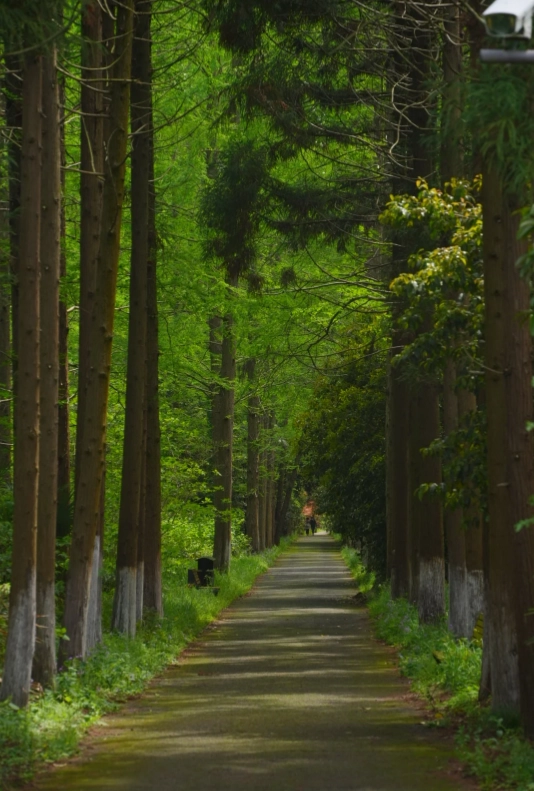
What You'll Find in This Guide
Planning Your Visit: Tickets, Hours & Getting There
First things first, let's get the logistics out of the way so you can focus on the fun part. Dongping National Forest Park is located on Chongming Island, which is technically part of Shanghai but feels worlds apart. The official address is No. 218 Beiyan Highway, Chongming District, Shanghai.
Opening Hours: The park is open daily from 8:00 AM to 4:30 PM. The ticket booths stop selling tickets at 4:00 PM. My advice? Get there by 9:00 AM. You'll beat the smaller crowds that trickle in later, and you'll have the best light for photos in the morning forests.
Here’s the current ticket breakdown. It's straightforward, but note the seasonal pricing.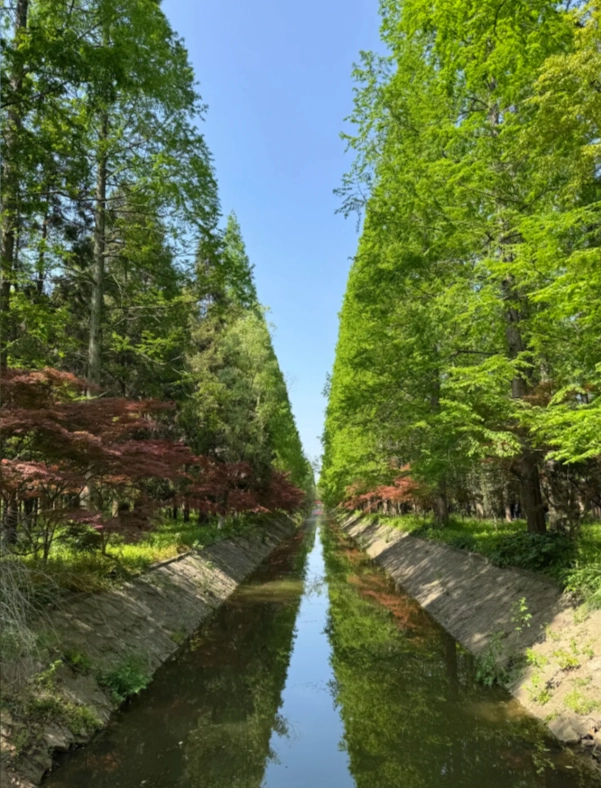
| Ticket Type | Price (Peak Season: Mar-Nov) | Price (Off-Season: Dec-Feb) | Notes |
|---|---|---|---|
| Adult Ticket | 70 RMB | 50 RMB | Standard entry. |
| Student/Senior Ticket | 35 RMB | 25 RMB | Valid student ID or senior citizen proof required. |
| Children (1.3m-1.4m or 6-18 yrs) | 35 RMB | 25 RMB | Children under 1.3m or below 6 years enter free. |
You can buy tickets at the gate. I didn't see a significant queue for online tickets, so just showing up works fine. They accept cash and all major Chinese mobile payment apps.
How to Get to Dongping National Forest Park from Shanghai
This is the most common question. You have two main options: self-drive or public transport. Having done both, I can give you the real picture.
By Car/Self-Drive: This is the most flexible option. Take the Shanghai-Chongming Expressway (G40) across the Shanghai Yangtze River Bridge and Tunnel. The drive is an experience itself—suddenly you're on a long bridge over the water, leaving the city behind. Take the "Chenjia Zhen" exit and follow signs to the park. The trip takes about 1.5 to 2 hours from central Shanghai, depending on traffic at the tunnel. Parking is abundant and costs around 10-20 RMB for the day.
By Public Transport: It's totally doable and cheaper, but requires a bit more planning.
- Bus: Take the Shendu Line 3 bus from the "Pujiang Town" station on Shanghai Metro Line 8. The bus ride to Chongming's "Nanmen" station takes roughly 90 minutes. From Nanmen, transfer to local bus Nanjiang Line or Dongnan Line which goes directly to the park entrance. Total travel time: ~2.5 hours.
- Ferry + Bus (The Scenic Route): For a more old-school adventure, take a ferry from Shidongkou or Wusongkou ferry terminal in Shanghai to Chongming's Nanmen or Baozhen port. The ferry ride is about 40-60 minutes. From the port, catch the Nanjiang Line bus to the park. This method is slower but offers beautiful river views.
My Take: If you're in a group of 3-4, hiring a private car or using a ride-hailing app for the day can be cost-effective and saves a lot of time and hassle. For solo travelers or couples, the public bus is a solid, affordable choice. Just check the return bus schedules from the park—the last bus usually leaves around 5:30 PM.
Exploring the Park: Top Areas and Hidden Gems
The park is massive—over 3.55 square kilometers. You cannot see it all on foot in one day without exhausting yourself. The key is to pick a couple of zones that match your interest. The map you get at the entrance is decent, but here's how I'd break it down based on my walks.
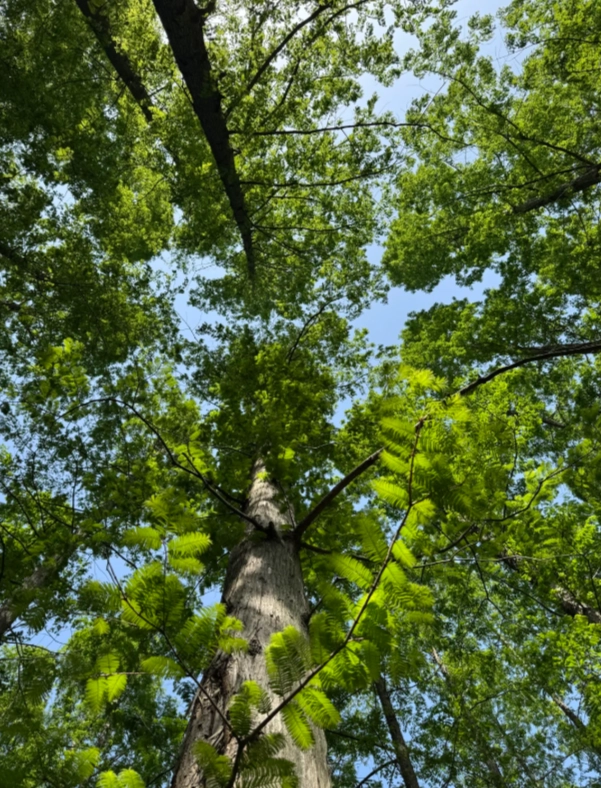
The Cedar Forest Area: This is the iconic heart of the park. Rows upon rows of towering, straight Metasequoia trees create a cathedral-like atmosphere. The light filtering through in the late afternoon is magical. It's the most photographed spot, and for good reason. It can get a bit crowded near the main paths around midday. My trick? Wander off the main trail onto the smaller dirt paths between the tree lines. You'll find complete solitude in minutes.
The Lakes and Wetlands: Several serene lakes are scattered throughout. Look for egrets and herons stalking the shallows. There's a quiet wooden boardwalk that snakes through one of the wetland areas—it's perfect for birdwatching. I spent a good hour there just watching the water striders skate across the surface. It's incredibly peaceful.
The "Forest Bathing" Trails (Shinrin-yoku): The park actively promotes the concept of forest bathing. These are specifically marked trails designed for slow, mindful walking. They lead you through denser, mixed forests with aromatic camphor and pine trees. The signage encourages you to breathe deeply, touch the bark, and listen. It sounds cheesy until you try it. It works. I felt noticeably more relaxed after one of these walks.
The Campsite and Lawn Areas: Near the central part of the park, you'll find large, open grassy fields. On weekends, they're dotted with families having picnics, flying kites, and playing frisbee. You can rent a picnic mat from small kiosks. There's also a designated camping area if you want to stay overnight (you need to bring your own tent or book a campsite in advance through their management).
A Hidden Spot Most Miss: In the northeastern section, past the main lawns, there's a less-maintained path that leads to a smaller, secluded pond surrounded by willow trees. I stumbled upon it by accident. There were no other people, just the sound of frogs. It felt like my own private discovery. Look for a small, unmarked trail branching off near the "Oriental Oak Garden" sign.
The Cycling Adventure: Routes and Rental Tips
This is, hands down, the best way to experience the scale of Dongping. The park has over 8 kilometers of dedicated cycling paths that weave through forests, around lakes, and across open fields. You cover more ground, feel the breeze, and it's just pure fun.
Bicycle Rentals: You'll find several rental stations inside the park, the main one being near the entrance. They offer different types:
- Single Bikes: Standard mountain bikes. ~10-15 RMB per hour.
- Tandem Bikes (2-seater): Great for couples. ~20-30 RMB per hour.
- Family Bikes (4-seater): These are the big, multi-seat carts. They're slow and a bit cumbersome on hills but a blast for a group. ~40-50 RMB per hour.
My Cycling Route Recommendation: Start from the rental station, head towards the Cedar Forest, but take the outer cycling path that loops around it. Then, follow signs for the "Lakeside Cycling Route." This will take you on a long, gentle ride past the major water bodies. Finally, cut through the central area on the paths that go through the pine forests. The whole loop, at a leisurely pace with stops, takes about 2 hours.
A Warning: The bikes are well-used. Check the brakes and tire pressure before you set off. I rented a tandem once where one brake was quite soft. They swapped it out when I pointed it out, but it's worth a quick test.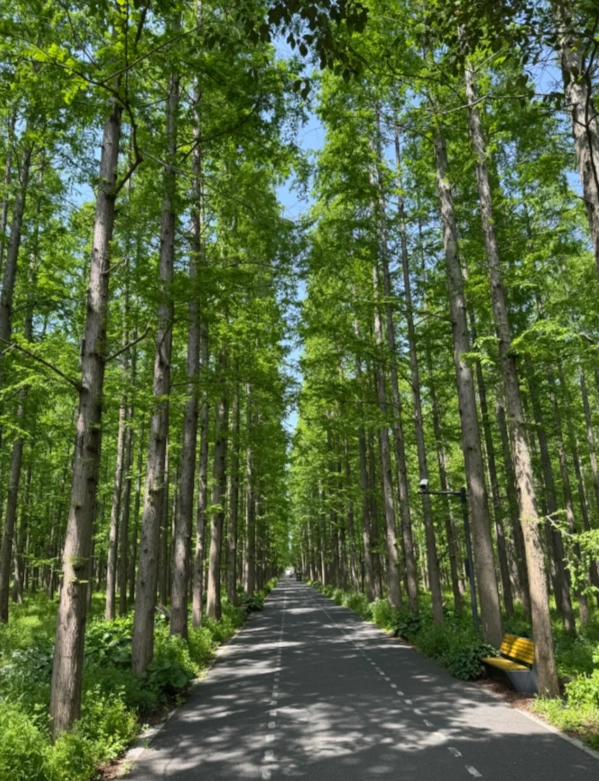
Practical Tips for a Perfect Day Trip
Here’s the stuff I learned the hard way, so you don't have to.
Food and Drink: The dining options inside are basic. There are a few small restaurants and snack stalls near the entrance and central area serving simple Chinese noodles, rice bowls, and snacks. The quality is okay for a quick bite, but it's not a culinary highlight. My strong advice: Pack a picnic. Bring your own water, sandwiches, fruit, and snacks. Finding a quiet spot under a tree for your own lunch is one of the day's great pleasures. There are small shops selling water and ice cream, but prices are marked up.
What to Bring:
Comfortable walking shoes – you'll be on your feet a lot.
Sun protection – hat, sunscreen. Many paths are shaded, but the open areas are exposed.
Insect repellent – especially in the warmer months near the wetlands.
Cash – for small vendors, bike deposits (they often require a 100-200 RMB cash deposit).
A power bank – you'll be taking photos and maybe using maps all day.
A light rain jacket – weather on the island can change quickly.
Bathrooms: They are available at the entrance and in the central visitor areas. They are generally clean but can get busy. Plan accordingly before you head deep into the forest trails.
The Best Time to Visit: Spring (April-May) and Autumn (October-November) are ideal. The weather is mild, and the foliage is beautiful. Summer is lush but can be hot and humid with more mosquitoes. Winter is quiet and starkly beautiful, but some facilities might have shorter hours.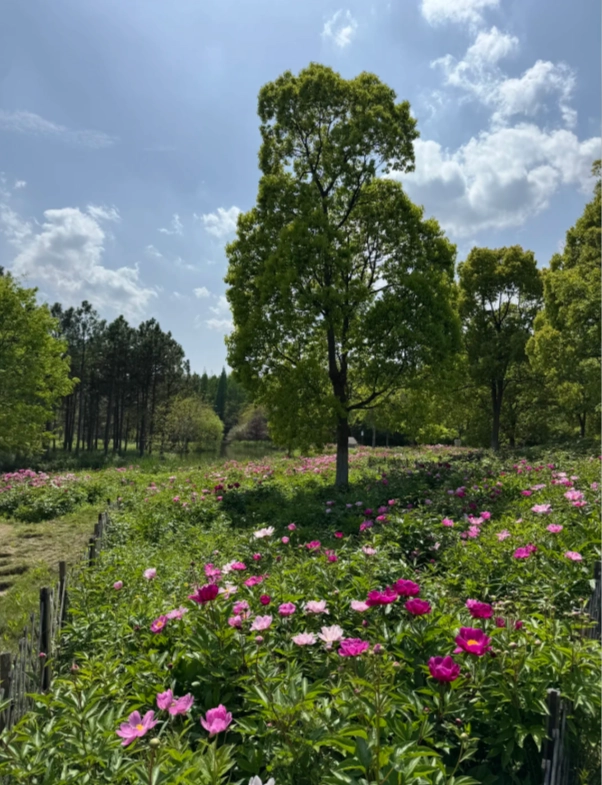
Answering Your Questions About Dongping
 Can I see wildlife in the park?
 Wrapping up, Dongping National Forest Park is the real deal. It's not a tourist trap; it's a legitimate, well-maintained natural sanctuary that serves a vital purpose for Shanghai dwellers. It requires a bit of effort to get to, but that's part of what keeps it special. You leave the noise behind, spend a day among trees and water, and return to the city feeling like you've actually been somewhere. That's a feeling you can't put a price on.
Based on my multiple visits and observations, the information here is accurate and reflects the on-ground experience.





I came here specifically for sunrise photography and was blown away. The mist rising over the treetops, the golden light filtering through the leaves—it was a dream for any photographer. The boardwalk through the wetland area is perfect for nature shots. Only wish there were more benches to sit and soak it in. Hands down the most serene place near Shanghai.
One of the best day trips I've done from Shanghai. The park is massive, so it never feels crowded. I rented a tandem bike with my partner and we explored the entire loop—the cherry blossom path was in full bloom and smelled incredible. Bring a picnic and find a quiet spot under a pine tree. It's pure bliss. Will definitely come back in autumn for the colors.
Absolutely stunning! This place is a hidden gem. We spent the whole day cycling through the towering trees and breathing in the cleanest air I've had in months. The bamboo grove was magical, and we even spotted a family of wild ducks by the lake. The staff at the bike rental were super friendly too. 100% recommend for anyone needing an escape from the city chaos.
Decent spot for a quick getaway from Shanghai, but nothing extraordinary. The forest paths are nice for a jog, though you'll have to dodge some puddles after rain. The bird-watching tower was closed when I visited, which was a bummer. It's okay if you're nearby, but I wouldn't make a special trip just for this park.
I really wanted to love this place, but it felt a bit neglected. The trails were muddy and poorly marked in some sections, and the restroom near the entrance was out of order. On the plus side, the air was fresh and we saw a couple of deer, so it wasn't a total waste. But for the entrance fee, I expected better maintenance.
A decent escape if you manage expectations. The forest walkways are lovely and shaded, perfect for a hot day. We did the tree-top adventure course which was fun but a bit pricey for what it was (¥50 extra). The on-site café had overpriced instant noodles and stale pastries—definitely bring your own snacks. The real star is the quiet and the birdsong. Would rate higher if food options improved.
The overnight camping experience here is a hidden gem! We pitched our tent near the central lake and watched the sunset paint the sky orange and pink. No city lights meant incredible stargazing—saw the Milky Way faintly. The staff at the rental kiosk were super friendly and helped us start a campfire. Only minor gripe: the midnight bathroom walk is long and dark. Bring a headlamp!
Honestly a bit let down. For the entrance fee (¥70 per person) I expected more. Many of the 'attractions' inside felt neglected—the little zoo had sad-looking animals, and the rental bikes were rusty. The forest itself is nice, but you can get that for free in other parks. Plus, getting here from downtown took nearly two hours by bus. Would only recommend if you're already on Chongming Island.
Pretty good overall, but a few things kept it from being perfect. The forest itself is stunning—huge, well-maintained trails, and the canopy walk is a must-do. However, the restroom facilities were a bit run-down and there weren't enough trash bins around the BBQ area. Also got a bit crowded on Saturday afternoon. Still, if you go early, it's a solid 4-star nature fix.
Absolutely loved our day trip here! The air is so fresh, and the towering metasequoia trees make you feel like you're in a different world. We rented bikes and cycled along the quiet paths—perfect for escaping the city chaos. The birdwatching spot near the lake was a highlight; saw a heron up close! Highly recommend packing a picnic and spending the whole day. Will definitely come back in autumn for the colors.
Not bad for a quick nature getaway, but I was a bit disappointed by the 'forest' part — many sections felt more like a manicured city park than a wild forest. The best part was the treetop walkway, which gave a nice canopy view, but the whole place could use more native plants and less concrete paths. Okay for a half-day trip, but don’t expect wilderness.
I came here after a stressful week in the office, and the moment I stepped under the canopy of old oaks, I felt my shoulders drop. The peace and quiet were exactly what I needed. I sat on a bench by the lotus pond for an hour just watching dragonflies. No crowds, no noise — pure nature therapy. Highly recommend for solo soul-searching.
Honestly, for a national forest park this close to Shanghai, the entry fee is a steal. We rented bikes near the east gate and cycled through the pine groves — absolutely serene. The only downside: the rental bikes were a bit rusty, but the staff swapped them with a smile. Great value for a day trip!
We went on a rainy Tuesday, so it was almost empty — which was actually lovely for a quiet walk. But the signposts are really confusing in the bamboo forest section, and we ended up walking an extra 2 km to find the exit. The café near the south gate was closed too, so bring your own water. Nice park, but needs better signage and amenities.
Absolutely loved this place! The trails are well-maintained and the lake views are breathtaking. I spent a whole afternoon just wandering around, and the birdwatching tower gave me an incredible sighting of a kingfisher. It’s a perfect escape from Shanghai’s concrete jungle. Will definitely come back with my hiking group!