 Peng Gao
Quick Overview
Three hours. That's how long my Australian clients waited in line at the South Gate ticket booth before I told them they could've used the metro and walked right in. Xi'an's public transport isn't complicated—but if you don't know the tricks, you'll waste time and money. Here's exactly how to move like a local.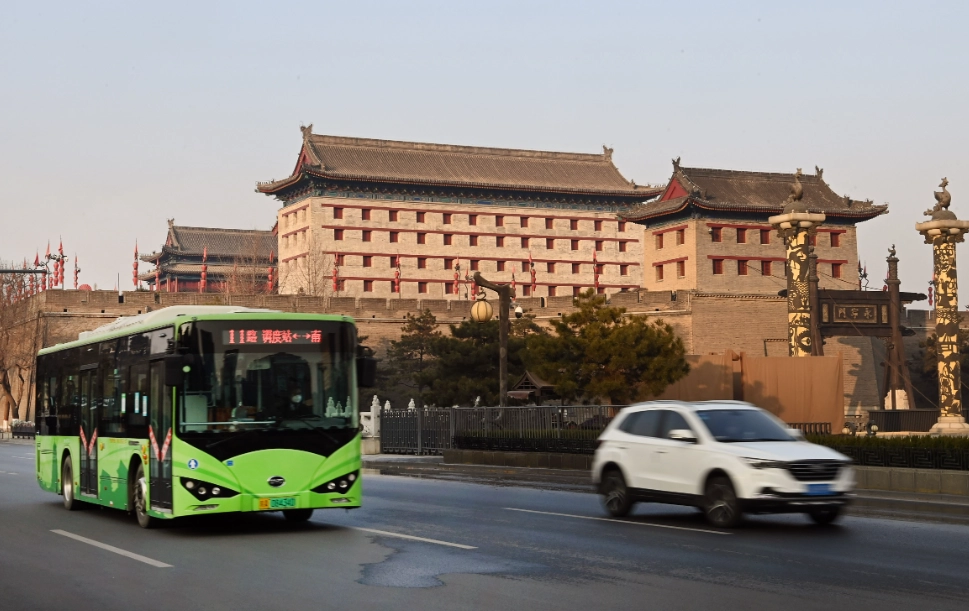
Xi'an Metro: The Fastest Way to Get Around
The metro system is clean, air-conditioned, and covers almost all major attractions. As of 2024, there are 8 lines (1, 2, 3, 4, 5, 6, 9, 14). Line 2 is your lifeline—it runs north-south and stops at the Bell Tower, Ancient City Wall, and the Yongning Gate station for the South Gate entrance.
Buying Tickets
You have three options: 1) Use the ticket vending machines—they accept cash (up to 20 RMB notes) and give change. 2) Download Alipay and activate the Xi'an metro QR code (available in English). 3) Get a physical transport card from any station window (deposit 18 RMB, refundable). Pro tip: Alipay's QR code is the fastest—no cash hassle, and you don't need a SIM card to scan it if you have data.
Navigating the System
Each line has a distinct color. Signs are bilingual (Chinese and English). Announcements are in Mandarin and English. But here's the catch: exits are numbered (A, B, C, D)—and the wrong exit can mean a 10-minute walk. For the Bell Tower, use Exit C of Line 2. For the Muslim Quarter, get off at Zhonglou station and exit D.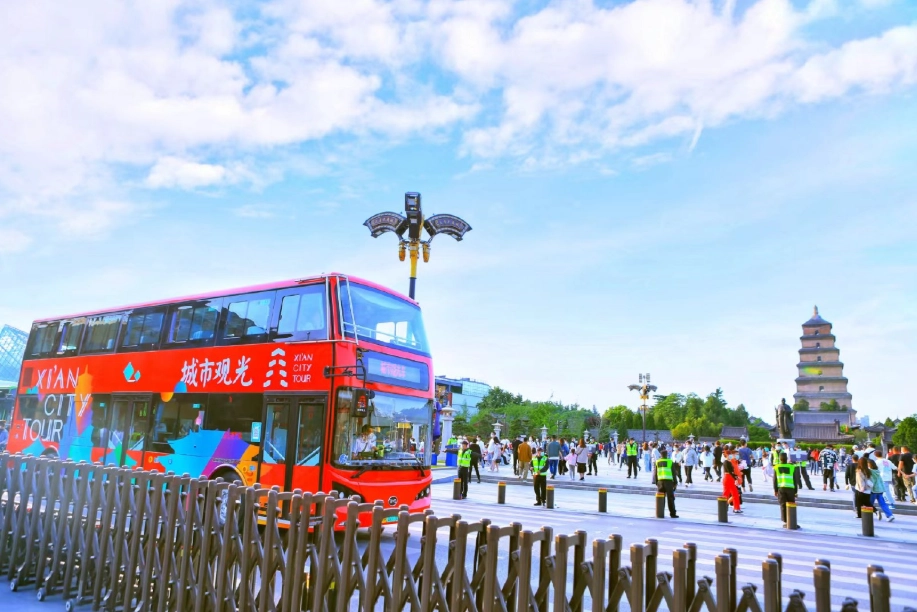
Metro Tips from a Guide
Avoid Line 2 between 8:00-9:00 AM and 6:00-7:00 PM—it's packed. If you're going to the Terracotta Warriors, take Line 9 to Huaqingchi station, then transfer to bus 306 or 914. Total travel time about 1 hour from city center.
Buses: Cheap but Tricky
Buses cost 1-2 RMB and go everywhere, but the system is a maze for foreigners. Only a few routes have English maps. My advice: use buses only for direct routes like the Tourist Bus 306 (to Terracotta Warriors) or Airport Shuttle. For everything else, stick to metro or taxi.
How to Pay on Buses
You need a transport card or Alipay transit QR code. Cash works but sometimes drivers don't give change. The QR code is the same as the metro one—once you set it up, it works on both.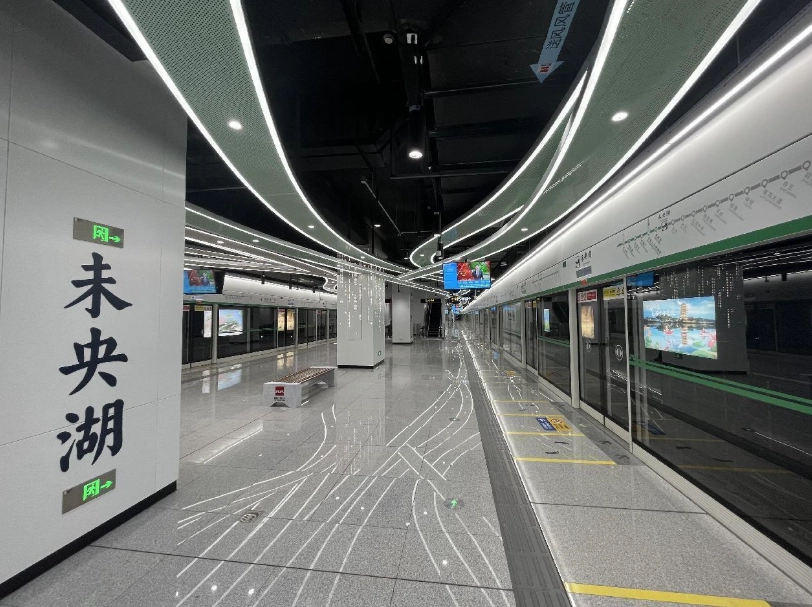
Taxis & Ride-Hailing: Didi is Your Friend
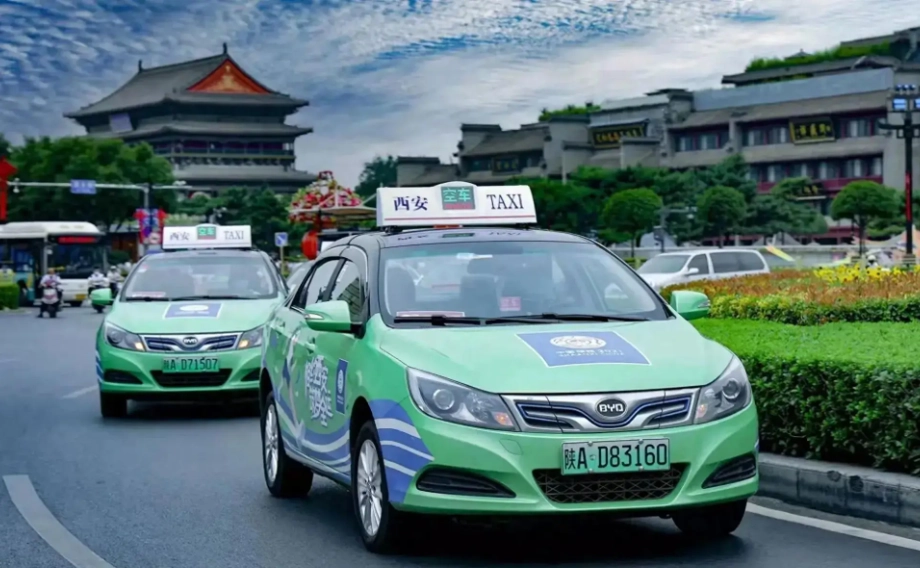
Taxis are abundant and cheap—starting fare 8.5 RMB (10 RMB after 10 PM). But drivers rarely speak English. Always have your destination written in Chinese (I recommend showing a photo or using a translation app). Ride-hailing apps like Didi (available in English) save the hassle. You can pay with Alipay linked to a foreign credit card.
Taxi Scams to Avoid
At the train station and airport, some drivers refuse to use the meter. Insist on "da biao" (use the meter) or walk to the official taxi queue. Also, during rain or rush hour, it's nearly impossible to get a taxi—book a Didi in advance.
Getting from Xi'an Xianyang International Airport (XIY) to City Center
Option 1: Metro Line 14 (Best Value)
Line 14 connects the airport to Xi'an North Railway Station. From there, transfer to Line 2 or 4 to reach downtown. Total cost: around 8 RMB. Travel time: about 50 minutes to the North Station, then another 20 minutes to the city center. The metro runs from 6:00 to 23:00.
Option 2: Airport Shuttle Bus
Buses run every 30 minutes to several stops: Bell Tower, Xi'an Railway Station, and High-Tech Zone. Cost: 25 RMB. Buy tickets at the counter near exit. The bus drops you at the Bell Tower (Muslim Quarter area) in about 70 minutes. I often recommend this if you have heavy luggage—no transfers.
Option 3: Taxi / Didi
About 120-150 RMB to the city center. Takes 40 minutes without traffic. But traffic jams around 5-7 PM can double the time. Use the app to get a fixed price.
Common Pitfalls and How to Avoid Them
- QR code reliance: Alipay and WeChat Pay are everywhere. If you don't have them, getting metro tickets with cash is possible but slow. Download Alipay before you arrive—it accepts Visa/Mastercard.
- Wrong exit at metro stations: Always check the station map before leaving the platform. I've seen tourists walk 15 minutes only to realize they exited on the wrong side of a 10-lane road.
- Bus black holes: Some bus stops have multiple platforms 100 meters apart. Look for the shelter with the route number you need.
- Taxi language barrier: Carry a card with your hotel address in Chinese. Even better, ask your hotel to write down a few common destinations.








I wanted to like this guide, but it felt too generic for my needs. It kept mentioning 'popular routes' but didn't give clear transfer instructions between bus lines—I ended up taking a taxi because I got lost twice. The section on night buses was almost useless since most of the routes listed weren't running after 10pm. Could use more practical details for first-timers.
I grabbed this guide hoping to cut costs, and it delivered. I used the full-day metro pass tip and visited six different sites in one day for under ¥20. The part about avoiding taxi scams near the train station was gold. If you're backpacking or just want to travel like a local, don't miss this thing.
Using this guide made me feel like a local! The route to the Giant Wild Goose Pagoda using bus 609 was exactly as described—quick, cheap, and no tourist swarm. I especially appreciated the note about sitting on the left side of the bus for the best views of the city wall. Highly recommended, especially if you're on a budget.
Honestly, I was skeptical at first but this guide is incredibly detailed. I loved the step-by-step screenshots for the metro ticket machines and the explanation of the QR code payment system. The only reason I'm giving 4 stars instead of 5 is that the bus stop locations for line 306 were a bit outdated—I had to ask a local to find the right platform. Still, it saved me a ton of time overall.
This guide was an absolute game-changer for my Xi'an trip. I followed the bus routes to get from the Muslim Quarter to the Terracotta Warriors and it saved me at least an hour compared to the tour bus crowds. The tips on avoiding rush hour and using the subway for long distances were spot-on. A must-have for any independent traveler!