 Lei Li
Quick Look
Three hours. That’s how long my client from Toronto waited in the immigration line last month. At 2 PM. On a Tuesday. The glossy airport maps never show you that. If you’re transiting through Beijing — whether at the old Capital (PEK) or the shiny new Daxing (PKX) — the difference between a smooth connection and a missed flight comes down to a handful of things the official websites won’t say.
Here’s the brutal truth: most transit guides are written by people who never actually did it. I’ve done it dozens of times with groups. I know exactly which counter to avoid and which WeChat mini-program actually works for the 24-hour visa-free transit. Skip the generic advice — let’s get real.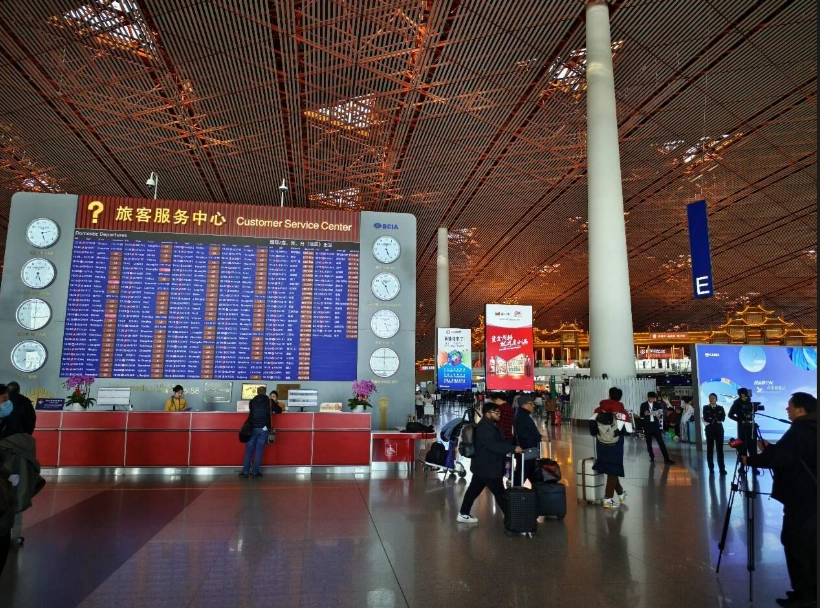
Which Airport Are You At? (No, They’re Not the Same)
First thing: Beijing has two international airports. If your ticket says PEK (Capital) or PKX (Daxing), your entire plan changes. Here’s the cheat sheet:
| Feature | Beijing Capital (PEK) | Beijing Daxing (PKX) |
|---|---|---|
| Distance from city center | ~25 km north-east | ~46 km south |
| Terminals | 3 (T1/T2/T3) – T3 is huge | 2 (but very compact) |
| International connections | Mostly Star Alliance + some others | SkyTeam + many Chinese carriers |
| Transit experience | Old, can be crowded | New, very photogenic |
| WiFi | Free but requires Chinese phone number | Same headache |
I’ve spent countless hours in both. PEK’s T3 is a maze — if you land at a remote gate, you might need 20 minutes just to reach the main transfer area. PKX is easier to navigate but the food options are still limited. If you have a choice, pick PKX for comfort, but PEK for faster ground transport into the city.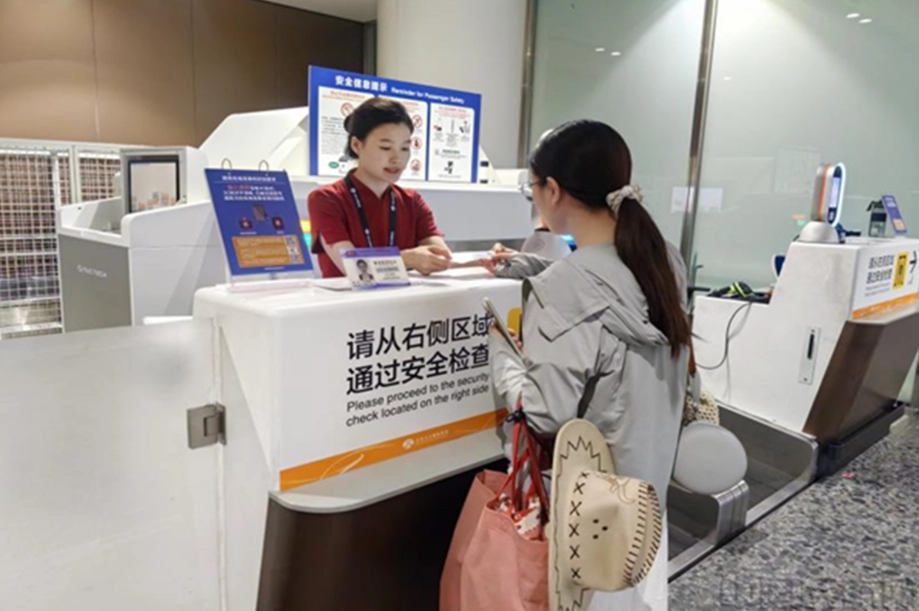
Do You Need a Transit Visa? (The 24-Hour Rule That Everyone Misunderstands)
Most people quote the 24-hour visa-free transit policy. Yes, it exists. But the catch is in the detail.
Let me break it down:
- 24-hour visa-free transit (for connecting flights): You stay airside. No visa needed. But you cannot leave the transit area.
- 24-hour visa-free entry (for layover): You can exit the airport, but only if you hold a passport from one of the 54 eligible countries (US, UK, Canada, Australia, etc.). AND you must have a confirmed onward ticket to a third country (not back to your origin). No need to apply in advance — just go to the immigration desk and fill out a form.
Big gotcha: many immigration officers at PEK are not super familiar with this. I once had a client from the US who was denied exit even though she was eligible. The trick? Politely ask to speak to the supervisor, and have the printed policy ready on your phone. It’s a pain, but it works.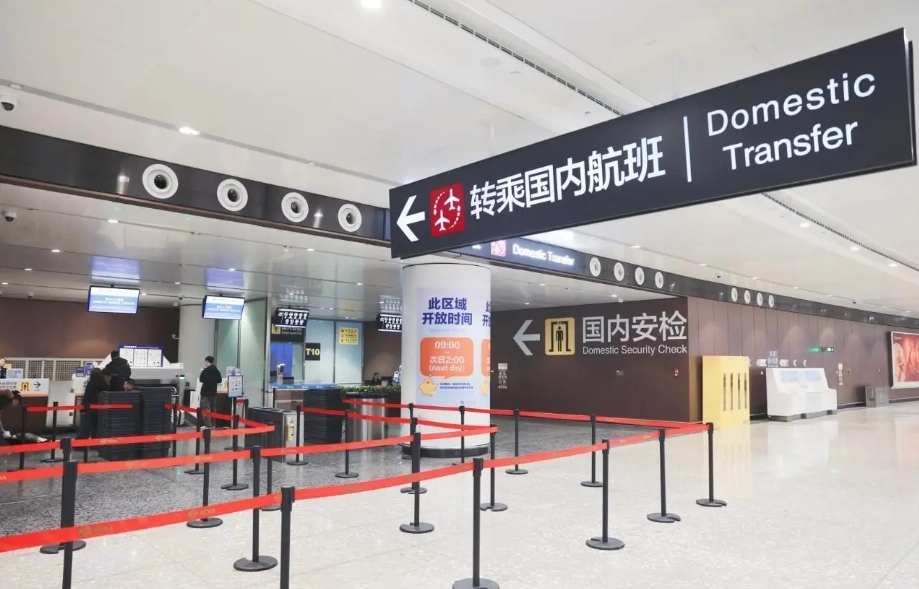
Minimum Connection Time – What the Airlines Won’t Show You
Official minimum connection time at PEK for international-to-international is 90 minutes. That’s a joke. In reality, if your first flight lands at T3 and your next departs from T2 (which happens often for different carriers), add 30 minutes just for the shuttle bus. Add immigration if you need to re-check baggage or change terminals, and you’re looking at 3 hours minimum if you want to relax.
My rule of thumb:
- Same terminal, no baggage claim: 2 hours is safe.
- Different terminal with baggage claim: 4 hours.
- Change airports (PEK to PKX): 6 hours minimum, and that’s rushing.
I always tell my clients: if the airline offers a connection under 3 hours at PEK, reject it. You’ll thank me later.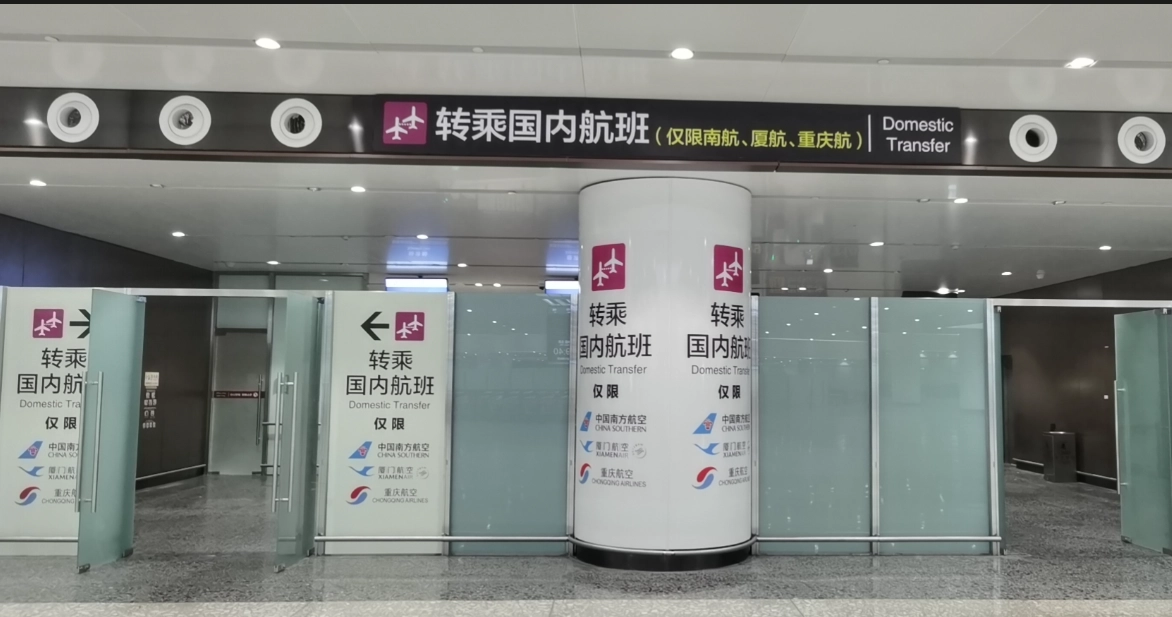
Switching Between PEK and PKX – The Nightmare Scenario
This is becoming more common as airlines use both airports. If you have a connection that forces you to switch airports, here’s your action plan:
- You need to go through immigration (with or without visa), claim your baggage, take ground transport, then check in again at the other airport.
- Ground transport options: taxi (40-60 minutes, around 300 RMB), the airport express line (but they don’t connect directly — you have to go into the city and switch), or the official shuttle bus (cheaper but slower).
- Private transfer: book through Trip.com or a hotel concierge — about 400 RMB and saves you the headache of WeChat payment.
Pro tip: when booking, avoid any connection that requires airport change if your layover is under 6 hours. The official airport website lists the shuttle timetable, but the buses can get caught in traffic. I once had a group miss their flight because the bus took 2.5 hours due to an accident on the 6th Ring Road.
Surviving the Wait: Lounges, Food, and Showers
Once you’re stuck airside, you need to know where to go. Here’s what I’ve found reliable:
At PEK (Terminal 3)
- Lounge: Air China First Class Lounge (near Gate E). Actually accepts Priority Pass. Has showers (ask for a towel), decent noodles, and a quiet zone with recliners. The WiFi is faster here.
- Food: avoid the food court near the center. Overpriced and bland. Instead, walk to the noodle bar near Gate E21 (the one with the red sign) — the beef noodle soup is actually good for airport food.
- Sleeping: there are some armchair-like seats at the ends of the gates. No real nap pods. Bring a travel pillow.
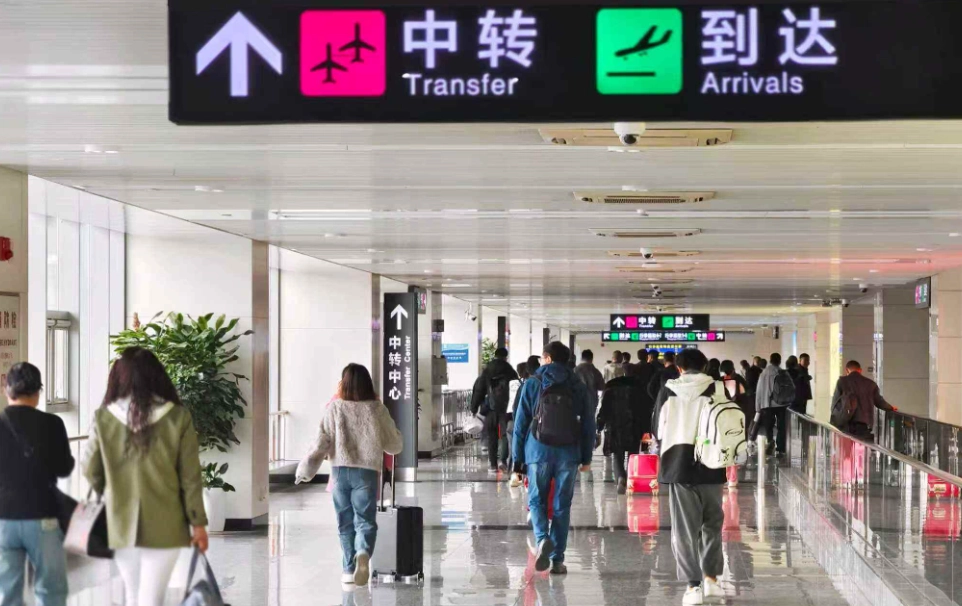
At PKX (Terminal 1, international area)
- Lounge: China Eastern Lounge (near Gate 13). Spacious, has hot meals and a noodle bar. Showers are clean. Priority Pass accepted.
- Food: the “Beijing Impression” restaurant (near the center) serves decent Peking duck in a box — not the real thing but better than a sandwich.
- WiFi: still a pain. You need a Chinese number to get the SMS code. Workaround: go to a lounge and ask the staff to use their phone — they often do it for a small tip (10 RMB).
The 24-Hour Layover: Can You Leave the Airport?
If you qualify for the 24-hour visa-free exit (see the visa section above), here’s a realistic mini-itinerary I’ve used with clients:
- Exit customs: 30 minutes (if no queue).
- Take the airport express to Dongzhimen (35 minutes, 25 RMB).
- Visit the Temple of Heaven (quick 90 minutes — skip the interior, walk the park).
- Eat at a local dumpling place near Qianmen (I recommend “Bao Yuan Dumpling” — No. 72 Qianmen Street).
- Head back: 2 hours before your next flight.
Total time outside: about 5-6 hours. Manageable. Just don’t get stuck in traffic — I always tell them to come back to the airport by subway, not taxi.
One more thing: leave your bags at the airport storage (left luggage service). At PEK T3, it’s near the arrivals hall on the west side. Costs about 30 RMB per piece per day.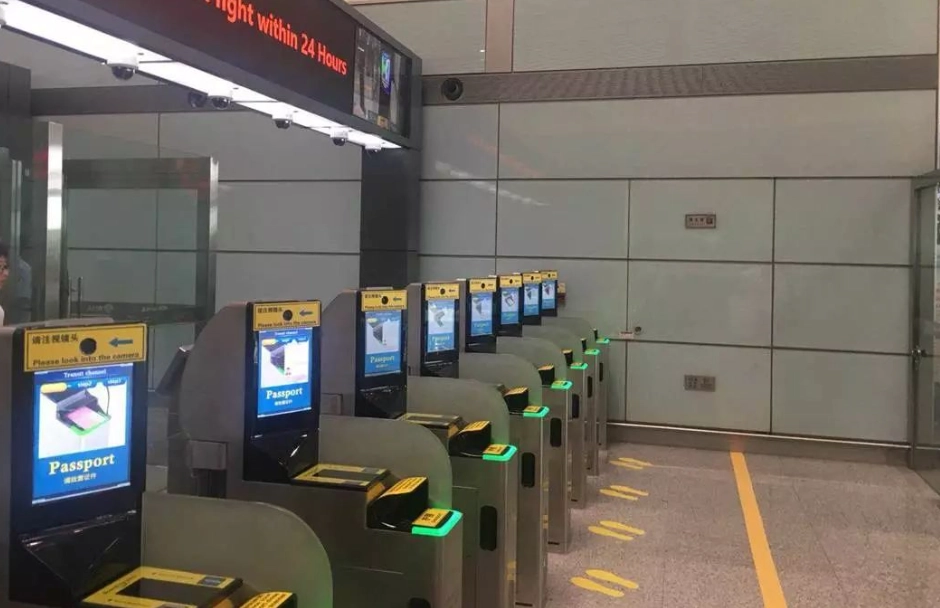
FAQ – The Stuff They Google
This content has been fact-checked to ensure informational precision.








I've been to Beijing multiple times and this article still taught me a few new tricks! The insider tip about using the Beijing Subway app for QR codes instead of buying a physical card cut my wait time to zero. The comparison between taxi and airport bus pricing was eye-opening. Absolute must-bookmark for any traveler!
Pretty helpful guide, though I wish there were more details about late-night transit options. My flight landed at 11 PM and some of the tips didn't apply. The money-saving advice for daytime travel is great, and the writing is easy to follow. I'd suggest adding a 'night arrival' section for future updates.
As a first-time solo traveler to Beijing, this article was my lifeline. The clear instructions on connecting to the subway and the comparison of transit card options made me feel prepared. I breezed through customs and followed the article's advice to avoid the touts at the exit. Saved a lot of money and time. Highly recommend!
Decent article overall, but I found a few of the suggested routes a bit outdated. The section on Didi rides mentions prices that don't match what I paid last month (higher surge fees). Still, the subway map and luggage tips were useful. If the author updates the numbers, it'd be a solid 5.
I read this article before my trip to Beijing and it really helped me dodge the chaos at airport arrivals. The tip about using the Airport Express instead of a taxi saved me nearly an hour of waiting. The step-by-step breakdown of the ticket machines was spot-on, and I loved the budget-friendly alternatives. A must-read for anyone wanting to skip the stress!