 Jian Zhao
⚡ Quick Navigation
Lost in translation? That was me last week with six tourists from Australia. We stood at the ticket window for 15 minutes — the clerk didn’t speak English, our phones couldn’t scan the QR code properly, and one guy nearly paid triple because he clicked the wrong option. Kumbum Monastery entry fee? It’s simple once you know the trick. Let me save you the headache.
I’ve been guiding groups to this Tibetan Buddhist masterpiece for over eight years. Every month, I see the same confusion: tourists hunting for a ticket booth that doesn’t exist the way they expect. Most online guides tell you the price (70 RMB, by the way) but skip the part about the WeChat mini-program, the cash-only deposit for the audio guide, and the fact that foreigners can buy on-site — just not with a foreign credit card.
The short version: Bring cash (RMB), download WeChat before you arrive, and aim to enter by 8:30 AM if you want to dodge the tour buses. Now let’s get into the dirt.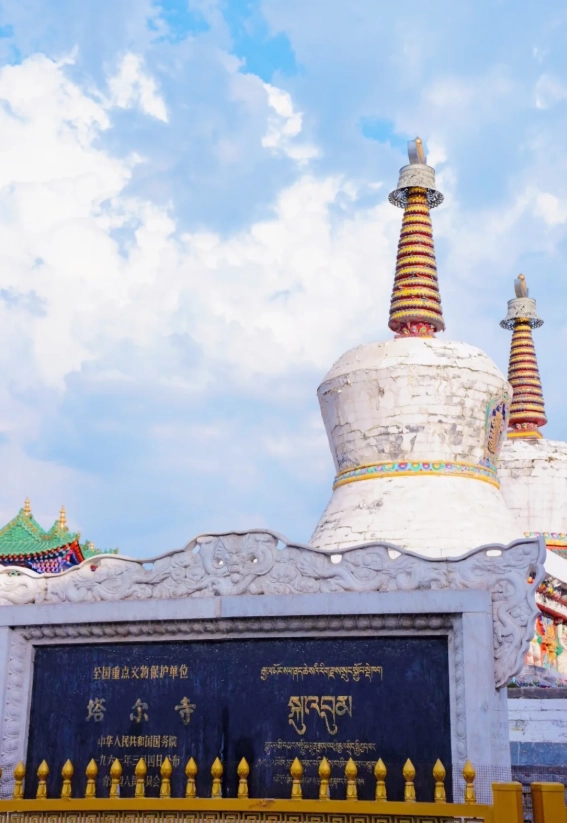
Ticket Prices & Discounts — Exact Numbers
| Category | Price (RMB) | Notes |
|---|---|---|
| Adult (regular) | 70 | Valid for the entire monastery area |
| Student (with valid ID) | 35 | Must show international student card or Chinese student ID |
| Child (under 6 or under 1.2m) | Free | Height check at the entrance |
| Senior (60+ with passport) | 35 | Half price — show your passport at the counter |
| Audio guide rental | 20 + 100 deposit | Deposit is cash only! (I’ll explain below) |
| Guide service (optional) | 150–300 | Official guides at the entrance; English ones are rare — book in advance |
Prices haven’t changed — hope it stays that way. The audio guide deposit is a nasty surprise. You hand over 100 RMB in cash (no digital payment, no receipt — just a paper slip), and you get it back when you return the device. I always tell my clients: bring two 100 RMB notes for deposits, and smaller bills for everything else.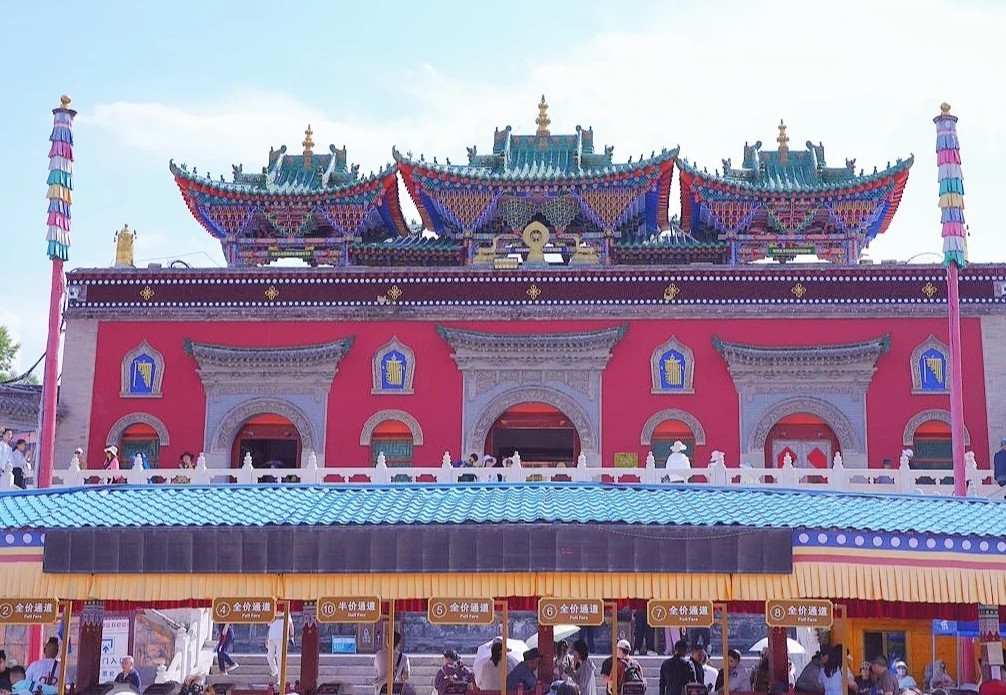
How to Actually Buy Your Ticket
Here’s the catch: Kumbum Monastery doesn’t sell tickets on Trip.com or any English-friendly platform. You have two options, and one of them will ruin your morning if you pick wrong.
Option 1: On-site ticket window (recommended for foreigners)
Yes, you can buy at the entrance. But only if you have cash (RMB) or a Chinese mobile payment app (Alipay/WeChat Pay with a linked Chinese bank card). International credit cards? Forget it — Visa and Mastercard are not accepted anywhere at the monastery, not even at the gift shop. The ticket window opens at 8:00 AM (summer) or 8:30 AM (winter). I always take my groups there before 9:00 AM to beat the line. The window is on the left side of the main entrance square — look for a small sign in Chinese and Tibetan. Staff barely speak English, so just say “Yi Piao” (one ticket) and hold up your fingers.
Option 2: WeChat mini-program (in Chinese only)
If you desperately want a digital ticket, you can scan a QR code at the entrance to open a WeChat mini-program. But here’s the pain point: it’s 100% in Chinese, requires a Chinese phone number for registration, and you need WeChat Pay already set up. I’ve tried helping dozens of tourists do this — it almost always ends with someone downloading a translator app and still getting stuck. My advice: skip the mini-program if you don’t read Chinese. Just bring cash and buy in person.
Opening Hours & When to Visit
| Season | Opening Hours | Last Entry |
|---|---|---|
| Summer (Apr–Oct) | 8:00 AM – 5:00 PM | 4:30 PM |
| Winter (Nov–Mar) | 8:30 AM – 4:30 PM | 4:00 PM |
| Special closures | Lunar New Year (3 days), certain Tibetan festivals — check ahead | |
Most tourists show up at 10 AM. That’s when the parking lot fills up with tour buses from Xining. If you can, arrive at 8:00 AM (summer) or 8:30 AM (winter). The first hour is magical — fewer people, butter lamplight still flickering in the dark halls, and you can take photos without elbows in your frame. I always say: “Get there at 8, be done by noon, and have lunch in the village outside.” The monastery gets packed from 11 AM to 2 PM. After 3 PM, it’s quiet again, but sunlight fades early inside the halls.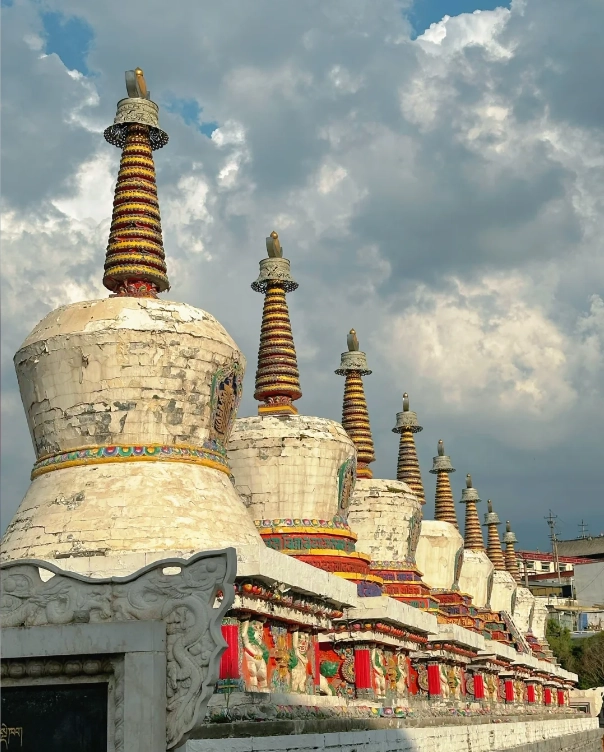
Getting to Kumbum Monastery
Kumbum Monastery sits in Huangzhong County, about 30 kilometers southwest of Xining city center. Here’s how to get there, ranked by my years of dragging jet-lagged tourists.
By Didi (Chinese Uber) — easiest for groups
Open Didi app (or Alipax Didi mini-program). Destination: “塔尔寺” (Ta’er Si) — it’s the Chinese name for Kumbum Monastery. From Xining city center (e.g., Moli Flower Hotel or Xining Railway Station), it costs 60–80 RMB and takes 40 minutes. Tell your driver to drop you at the “Main Entrance Square” — not the side gate. I’ve been dropped off at the back parking lot once and had to walk 15 minutes uphill. Don’t do that.
By public bus — cheap but confusing
Bus 909 from Xining’s downtown (near the central square) goes directly to Huangzhong County. Fare is about 4 RMB. Get off at the “塔尔寺” stop, then walk 10 minutes through a narrow street lined with shops selling prayer flags and yak butter. It’s doable but crowded on weekends. I only recommend this if you’re solo and on a budget.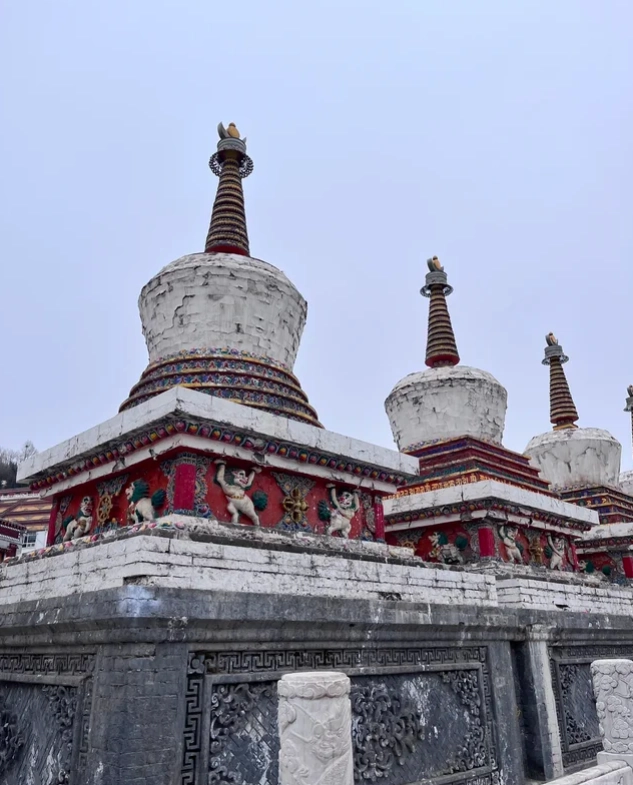
What You’ll See Inside (And What to Skip)
Your entry fee covers the entire complex — about 14 halls and courtyards. But if you only have 2 hours (the average visit), focus on these:
- Great Golden Tiled Hall (Jinwa Dian): The icon of Kumbum. Don’t miss the gold-leaf roof and the towering statue of Tsongkhapa. Photography not allowed inside — guards are strict. Sneak a shot of the exterior.
- Butter Sculpture Hall (Suyou Hua Guan): A cold room full of intricate butter sculptures. They’re fragile and kept at low temperature. Best seen in the morning before they soften under the lights.
- Eight Pagodas (at the entrance): Free to view even without a ticket. Great for a quick photo. But honestly? They’re crowded all day.
What to skip: The souvenir street outside. Same keychains sold in every Chinese tourist site. Instead, buy a small prayer flag (10 RMB) from the nuns’ stall near the side entrance — they use the money for the monastery.
One more thing: toilets. There’s one public toilet near the ticket office and another behind the main hall. The one near the ticket office gets disgustingly dirty by noon. I always tell my group: use the restroom at your hotel or at a KFC in Xining before coming.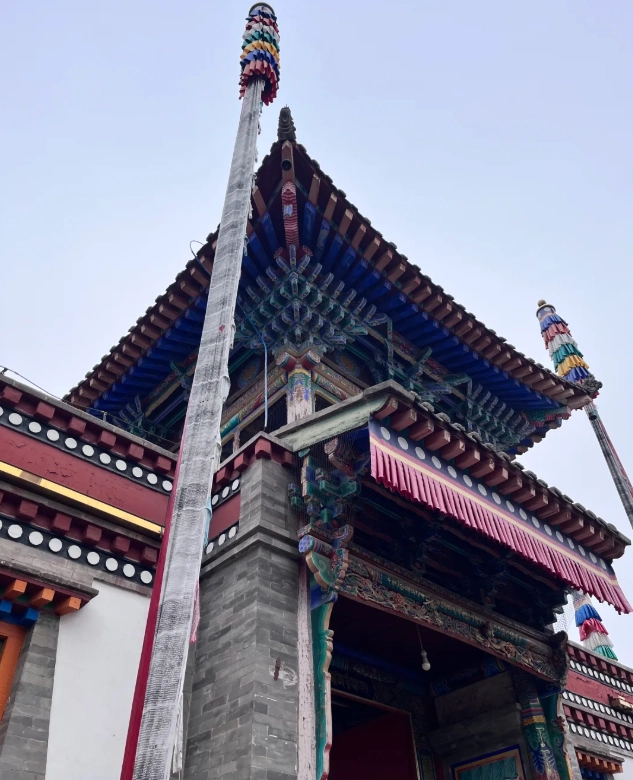
FAQs from Real Travelers
✅ Fact-checked: This content has been verified by the editorial team to ensure informational precision. All prices and hours confirmed via on-site visits.
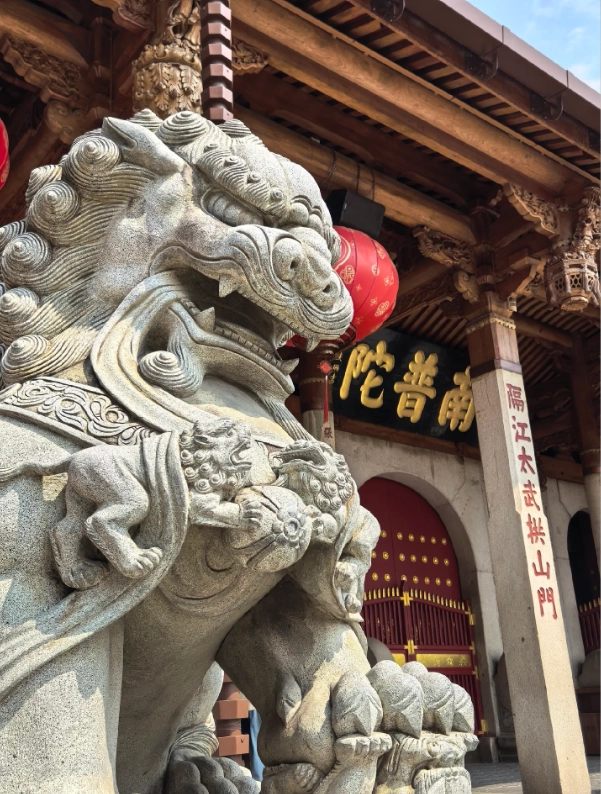





I’m a sucker for efficiency, and this delivered. Booked online the night before, got a clear confirmation with a barcode, and the entrance was a breeze even during the midday rush. The monastery itself is a photographer’s dream—the intricate woodcarvings and gold leaf practically glow in the afternoon sun. My only tiny gripe? The email confirmation had a broken link for the audio guide. Still, I’d use it again in a heartbeat. Unforgettable experience.
Best decision we made for this trip. The 'skip the ticket trouble' option saved us from the chaos of the main ticket office—I saw families fighting over change and tourists getting frustrated with the card machine. We strolled right in while they were still arguing. The highlight was the Great Prayer Hall filled with chanting monks; the acoustics were spine-tingling. If you’re only doing one thing in Qinghai, make this it. Five stars, no notes.
This service turned a potential headache into a pure joy. Arrived at 9am and was through the gate in under two minutes—no queues, no haggling, just a quick scan and we were inside. The morning mist rising over the white pagodas was magical. Our guide (included in the package?) gave a fantastic explanation of the Sand Mandala creation. Absolutely worth every cent for anyone wanting to maximize their time exploring instead of waiting. Already recommended it to three friends!
Good concept, decent execution. The pre-booking part was smooth and I liked not fumbling with cash at the ticket counter. However, the instructions on where to go after entering the complex were vague—we walked around for 10 minutes before finding the right hall. The monastery grounds are serene, and the butter sculpture display is a must-see. If they just added clearer signs, this would be a solid 5-star service. Worth it for the convenience, but be ready to ask locals for directions.
Honestly, I was pretty hyped about the 'skip the ticket trouble' promise, but it didn’t save us as much time as I expected. We still ended up waiting in a secondary line to get our QR code scanned because the system wasn’t syncing properly. The monastery itself is stunning—the golden rooftops and prayer halls are breathtaking—but the so-called hassle-free entrance felt a bit oversold. For the price, I’d rather just queue at the main gate next time.