 Ting Chen
Quick Look – What's Inside
I've been guiding groups across the Tibetan Plateau for years. The Lhasa to Xining train? It's not just a ride — it's a 21-hour adventure that tests your lungs and rewards you with views that look fake. But here's the thing: most foreign travelers screw up the planning. They book the wrong class, pay triple for tickets, or end up sick from the altitude. Let's fix that.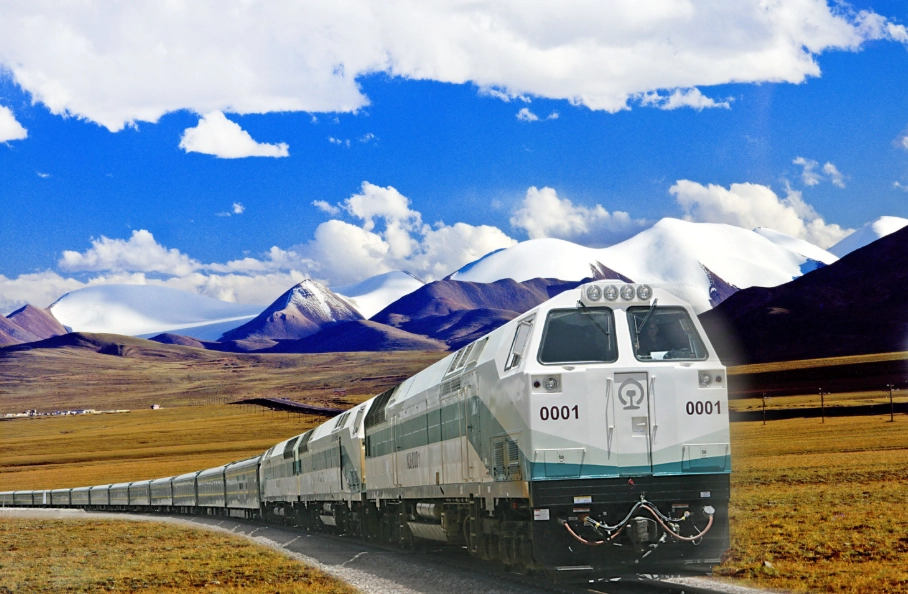
Why This Train? The Lhasa–Xining Route Matters
The Lhasa to Xining train is part of the legendary Qinghai-Tibet Railway, the world's highest railway. Unlike flying, the train gives you time to acclimatize slowly. You'll see frozen lakes, grazing yaks, and the Tanggula Pass at 5,072 meters. But it's not all glamorous — the oxygen supply on board can be patchy, and the toilets? Let's just say bring your own wipes.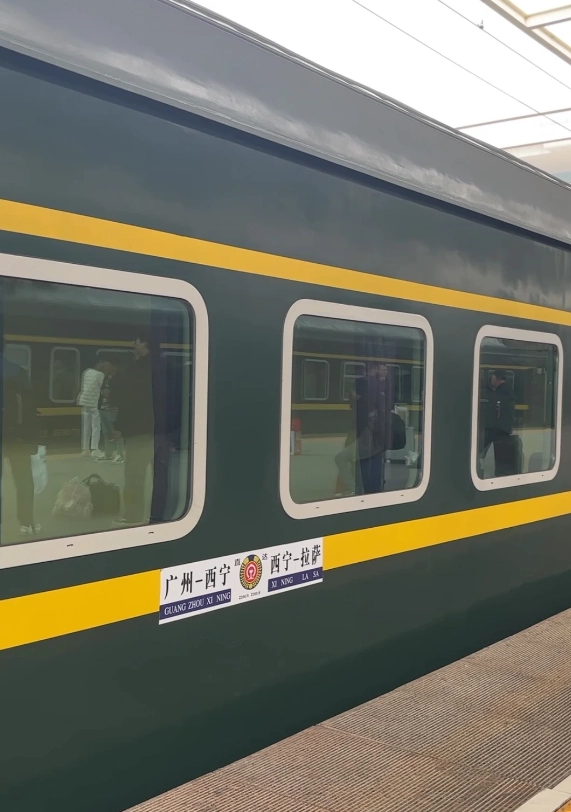
Train Options & Ticket Classes
Two direct trains run daily from Lhasa to Xining: Z266 and Z21. You can also take Z165 but it's less frequent. Here's a quick comparison:
| Train Number | Departure (Lhasa) | Arrival (Xining) | Duration | Classes Available |
|---|---|---|---|---|
| Z266 | 12:50 | 10:30+1 | 21h40m | Hard Sleeper (3-tier), Soft Sleeper (4-berth) |
| Z21 | 14:00 | 11:20+1 | 21h20m | Hard Sleeper, Soft Sleeper |
| Z165 | 13:00 | 10:45+1 | 21h45m | Hard Sleeper, Soft Sleeper |
Hard sleeper has 6 berths per compartment (no door), while soft sleeper has 4 with a door and slightly thicker mattresses. I always recommend soft sleeper for first-timers — the extra space and privacy are worth the extra 200–300 yuan (about $30–$45).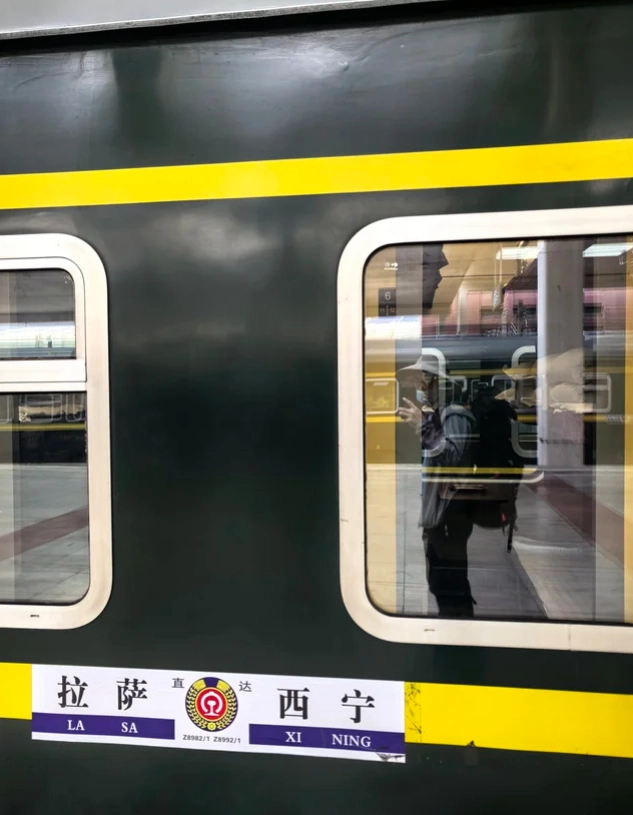
Booking Hacks That Save Time
Foreigners can't use the official 12306 app directly — it's in Chinese only and requires Chinese ID. Instead, use Trip.com or a local travel agent. Tickets open 15 days ahead and sell out fast, especially in summer (May–October). Pro tip: book at least a week in advance. Avoid third-party scalpers who charge 200% markup — stick to verified platforms.
One more thing: the Lhasa train station is 8 km southwest of the city. Arrive 1.5 hours early for security checks. No large oxygen tanks allowed, but you can bring a personal oxygen can (sold at any pharmacy in Lhasa for 30 yuan).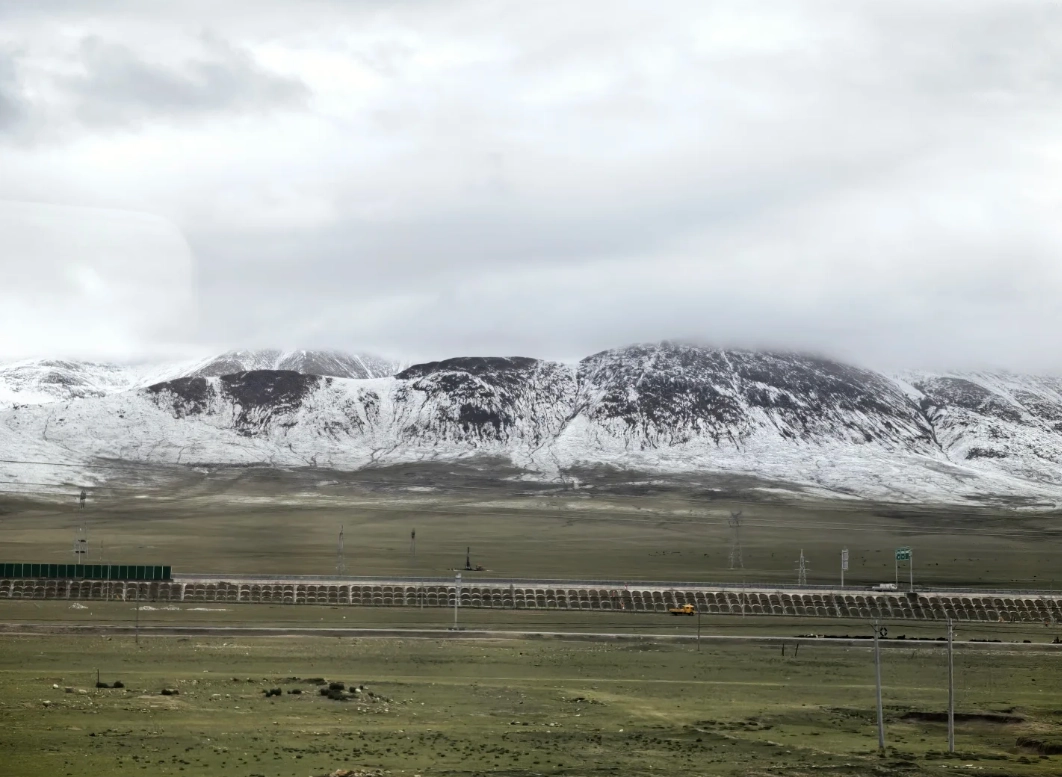
Onboard Experience: What You Need to Know
The train is clean, but not luxury. Soft sleeper compartments have a small table, reading light, and power sockets (Chinese two-prong, bring a universal adapter). The dining car serves bland noodle soup and rice dishes — I survived on instant noodles and snacks I packed in Lhasa. The scenery peaks after Golmud (around hour 12), with snow-capped mountains and the Qingshui River bridge. Keep your camera ready. The oxygen supply kicks in automatically above 3,000m, but some passengers still feel headaches. I always give my groups a pack of Tibetan herbal tea — it helps.
Here's a catch: the toilet situation. Western-style toilets are in soft sleeper cars, but they get rank by morning. Use the squat toilets if you can — they're cleaner. And bring hand sanitizer.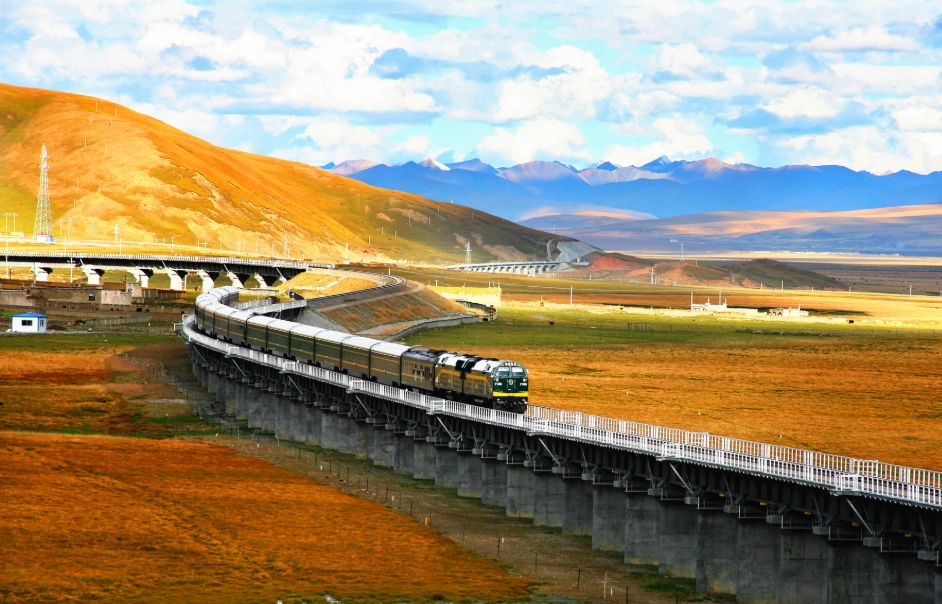
Altitude Survival Tips from a Guide
First, drink more water than you think. The dry air on the train dehydrates you fast. Second, avoid alcohol — I've seen tourists get hammered on one beer and spend the night vomiting. Third, take it easy: walk slowly, don't help with heavy luggage. If you feel dizzy, ask the attendant for an oxygen mask (free in soft sleeper, but limited in hard).
My personal routine: Diamox half a day before boarding, a warm scarf for the drafty windows, and melatonin to force sleep through the night. Works like a charm.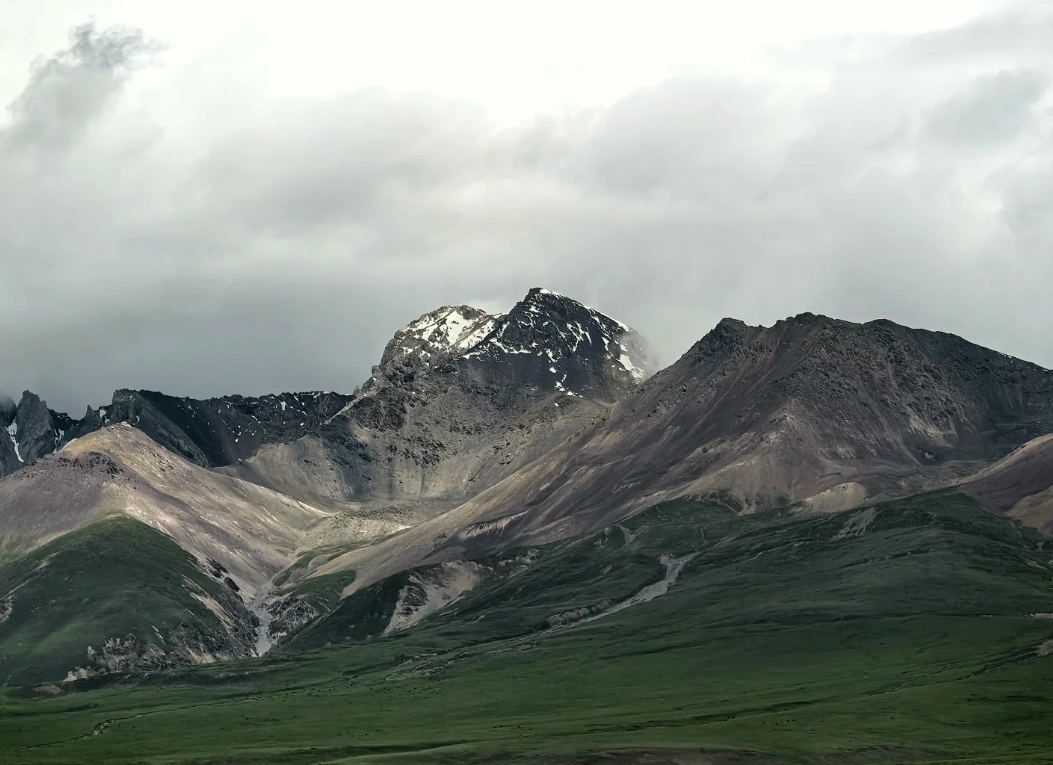
F.A.Q. – Things I Always Get Asked
Verified and fact-checked by the editorial team. Information based on personal guiding experience and current train schedules.





Honestly, I was a bit disappointed. I'd heard so much hype about this route, but the train felt dated — the carpets were worn, and the toilet situation was pretty rough by the second day. The windows had a lot of glare and dust, so my photos came out hazy. Food in the dining car was overpriced and bland (skip the beef noodle soup). Worst of all, I had a mild headache the whole way despite the oxygen vents. Next time I'll fly or bring my own snacks and a mask for the smell. Not worth the 20+ hours for me.
A solid 4-star experience. The landscape is absolutely gorgeous — the rolling plains and distant mountains are picture-perfect. However, the cabin temperature was impossible to regulate; it got quite chilly at night, and the oxygen outlet hummed loudly which made sleeping difficult. I'd advise bringing earplugs and an extra fleece. Service was okay but nothing special. The train itself is clean and punctual, just not as comfortable as I'd hoped. Still glad I did it though!
Incredible value for money. I splurged on a soft sleeper and it was totally worth it — comfy beds, thick blankets, and a small table for my snacks. The train runs like clockwork and the scenery is jaw-dropping the entire way. I ended up chatting with a local Tibetan family in my compartment and learned so much. Only minor downside: the dining car food is basic and a bit pricey, so stock up on instant noodles in Lhasa. But overall, an unforgettable trip that I'd recommend to anyone.
This train is a dream for photographers! Every hour brings a completely different landscape — from the turquoise lakes near Lhasa to the desolate beauty of the Hoh Xil region. I burned through two memory cards. Make sure to bring a telephoto lens if you want to catch wildlife, and keep your lens clean — there's some dust near the windows. The onboard oxygen kept me feeling fine, though the temperature dropped noticeably after dark. Bring layers! Unforgettable experience.
Absolutely stunning journey! The views from Lhasa to Xining are out of this world — snowcapped peaks, endless grasslands, and even a few Tibetan antelopes spotted near the tracks. The train was clean, the oxygen system worked perfectly (no altitude sickness for me), and the staff were friendly and helpful. Pro tip: book a window seat on the left side for the best views of the Qinghai-Tibet Plateau. One of the best train rides I've ever taken!