 Hong Ma
What's Inside (Skip Ahead)
- Why You Need This Guide
- Best Time to Visit Kumbum Monastery
- Tickets & How to Skip the Line
- Getting to Kumbum Monastery from Xining
- Must-See Spots Inside the Monastery
- The Legendary Butter Sculptures: What to Expect
- Avoid the Crowds: A Local's Timing Hack
- Where to Eat Near the Monastery
- Quick Answers to Your Top Questions
Let me paint you a picture. It's 10 AM. A busload of tourists pulls into the parking lot. Everyone rushes to the main hall, selfie sticks out. Meanwhile, I'm taking my group through a side gate, straight to the butter sculpture hall with zero queue. That's what knowing Kumbum Monastery (also called Tar Temple) really means.
I've been guiding here for years, and I've seen the same mistakes over and over. People come at the wrong time, buy overpriced souvenirs, and miss the hidden alleys where the real magic lives. This guide is everything I wish every traveler knew before visiting Kumbum Monastery.
Here's the bottom line: go in the afternoon (after 2 PM) and use the west entrance. More on that below.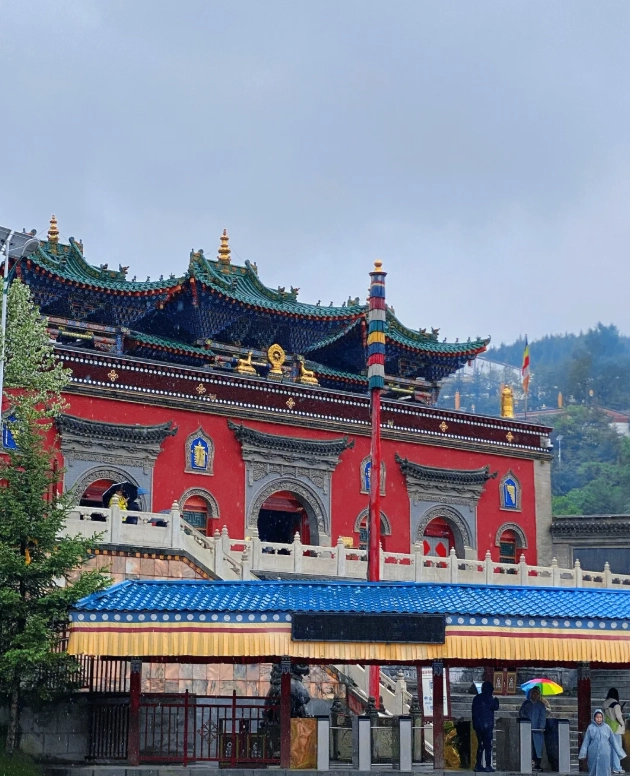
Why You Need This Guide (Even if You Have Lonely Planet)
Most travel guides tell you the same thing: "It's beautiful, go see it." But they don't tell you that the ticket booth can be a nightmare, or that the butter sculptures need specific lighting to look their best. I've watched countless visitors walk past the most fascinating details because they didn't know where to look.
Kumbum Monastery is one of the six great monasteries of Gelug (Yellow Hat) sect of Tibetan Buddhism. It's famous for its three artistic treasures: butter sculptures, murals, and appliqué thangkas. But unless you know the backstory, it's just a pretty building.
I'll also save you from the digital headache: many ticket booking systems are WeChat-only and in Chinese. I'll show you how to get in without downloading unfamiliar apps.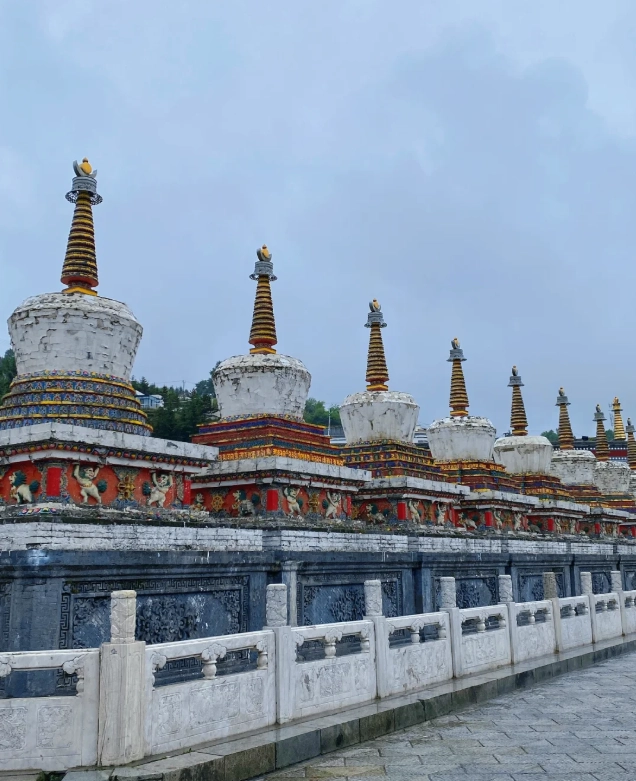
Best Time to Visit Kumbum Monastery (Season & Hour)
| Factor | Recommendation |
|---|---|
| Best months | May to October (mild weather, green surroundings) |
| Worst months | November to March (bitter cold, but fewer tourists) |
| Best time of day | 2:00 PM to 5:00 PM (afternoon light, crowds thin) |
| Worst time of day | 9:00 AM to 11:30 AM (peak tour groups) |
| Special event | Monlam Prayer Festival (February/March) — incredible but packed |
I always tell my clients: if you can only go once, choose a weekday in late September. The weather is perfect, the summer crowds are gone, and the autumn light paints the golden roofs beautifully.
Tickets & How to Skip the Line (Real Talk)
Ticket prices as of 2025: 70 RMB for adults (no separate children/ senior discounts at the gate). You can book online via WeChat mini-program "塔尔寺" but it's in Chinese only. Here's the workaround:
- Ask your hotel receptionist to book for you (they do this all the time).
- Buy at the west entrance — less crowded than the main gate.
- Bring cash — card machines sometimes don't work.
The monastery is open 7:30 AM to 6:30 PM (last entry 5:30 PM). Note that some halls close earlier (especially the butter sculpture hall — go before 4 PM).
Here's a tip most guides won't tell you: the ticket is a combo ticket that includes entry to all halls. Don't lose it — you'll need to show it at the smaller halls.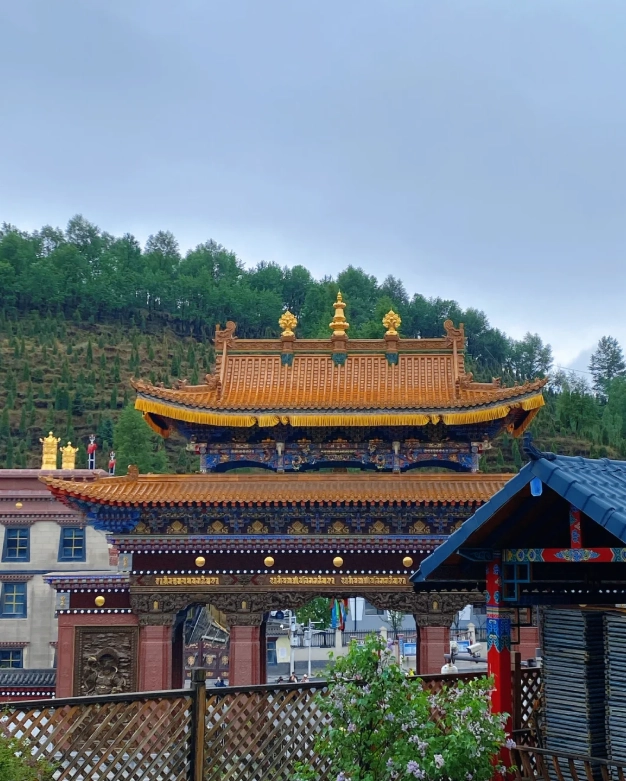
Getting to Kumbum Monastery from Xining
Kumbum Monastery is located in Lusha'er Town, Huangzhong District, about 30 km southwest of Xining city center.
| Transport | Details | Time | Cost |
|---|---|---|---|
| Bus | From Xining Bus Station, take bus no. 909 or tourist line to "塔尔寺" stop. Get off at the roundabout and walk 5 minutes uphill. | ~1 hour | 7 RMB |
| Taxi/Didi | From city center, input "塔尔寺" or "Kumbum Monastery". Driver may not speak English, so show Chinese characters. | ~40 min | 80-100 RMB |
| Private tour | Many include hotel pickup. I offer a half-day tour for around 300 RMB/person (includes guide). | flexible | varies |
My advice: take Didi (China's Uber) for convenience. The bus is fine but can be crowded. If you take the bus, sit on the left side — you'll see the monastery's golden roofs approaching.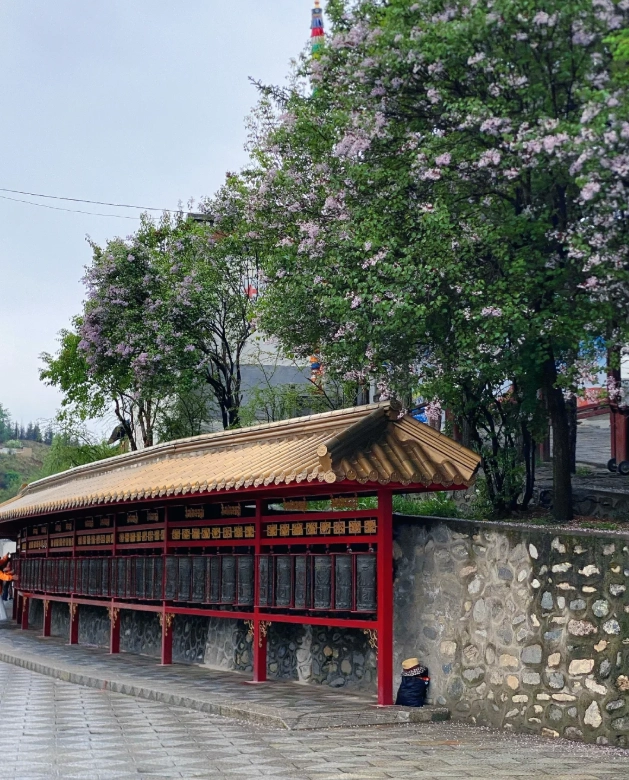
Must-See Spots Inside the Monastery (Don't Skip These)
The monastery complex is huge. You could wander for hours. But prioritise these:
Grand Golden Roof Hall (Dajinwa Hall)
This is the iconic building with the golden roof (actually gilded bronze). Inside is a 12-meter-high statue of Tsongkhapa, the founder of the Gelug school. The murals on the walls depict his life story — look for the scene where he cuts off his own head to prove his devotion (a famous legend).
Butter Sculpture Hall (Suyouhua Hall)
This is the star. The butter sculptures are made from yak butter mixed with mineral pigments. They're kept in glass cases in a cool, dark room to prevent melting. Best viewing: on a cloudy day or late afternoon — the lights inside highlight the details. Avoid taking flash photos (guards will yell at you).
Prayer Wheel Corridor
A long corridor with about 200 prayer wheels. Walk through slowly, spinning each one clockwise. Locals believe it brings good karma. It's also a great photo spot with the white pagodas in the background.
The Eight Stupas
Just outside the entrance. These eight white stupas symbolize the eight major events in the Buddha's life. Most tourists snap a selfie here and move on — but walk around them slowly and notice the carvings on each base.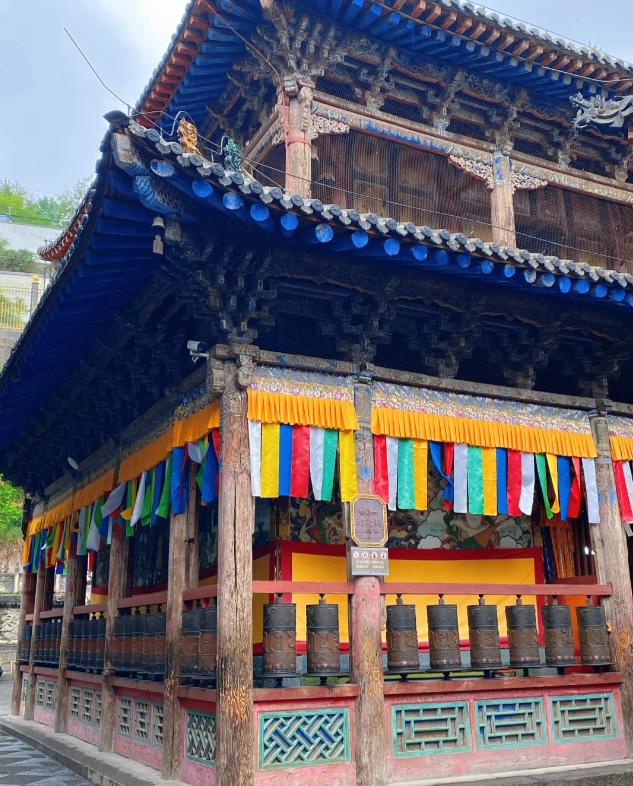
The Legendary Butter Sculptures: What to Expect
You've probably seen photos of these intricate sculptures. But in person, they are tiny — some are only 20 cm tall. The detail is mind-blowing: tiny flowers, faces of deities, even whole scenes from Buddhist scriptures.
There's a catch: they can't be exposed to heat or light for long, so the hall is dim and cold. In summer, the sculptures are replaced every year because they start to soften. The monks make new ones during the winter months. If you visit in late spring, you'll see the freshest ones.
I once brought a group in August, and one of the sculptures had a slight droop — the head of a deity was tilting. My tourists thought it was intentional, but I had to explain it's the heat. So if you see a droopy butter flower, now you know why.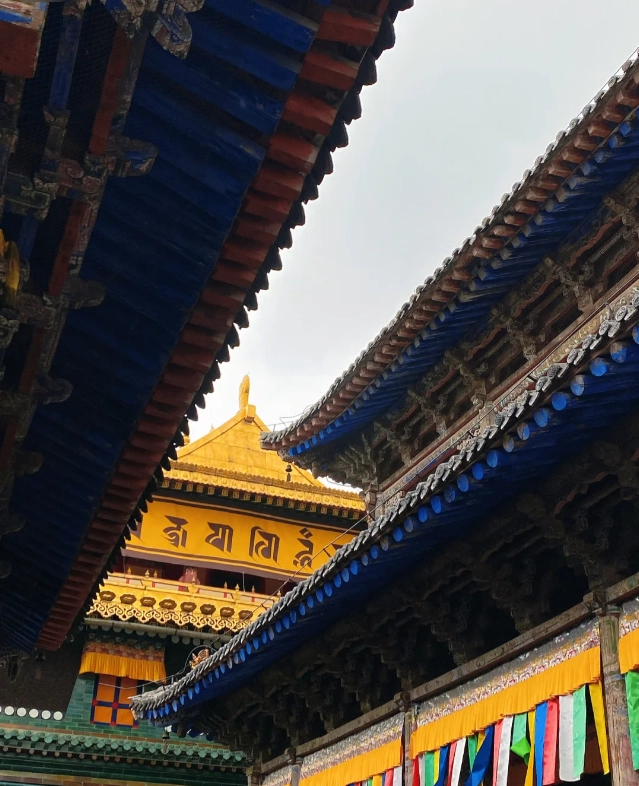
Avoid the Crowds: A Local's Timing Hack
Here's the secret most guidebooks don't mention: the monastery is on a slope, and the main gate faces east. In the morning, the sun illuminates the front facade, which is why tour groups come early. But that also means the entrance plaza is packed from 9 to 11 AM.
What I do: arrive at 2 PM. Park at the west side (the back of the monastery). Enter through a small gate near the butter sculpture hall. That hall is emptiest between 2:30 and 3:30 PM. Then work your way down towards the main hall — by 4 PM, the tour groups are leaving, and you'll have the grand hall almost to yourself.
Also, avoid Chinese public holidays (especially May Day, National Day in October, and Chinese New Year). The monastery gets flooded with domestic tourists.
Where to Eat Near the Monastery
After a few hours of walking, you'll need a break. The food street outside the main gate is touristy and overpriced. Walk 10 minutes southeast to Lusha'er Market.
| Restaurant | Must-try | Price per person | Note |
|---|---|---|---|
| Xining Noodle King | Hand-pulled noodles in yak meat broth (hand-pulled yourself!) | 25 RMB | Cash only, closed Mondays |
| Tsampa Cafe | Tibetan butter tea and sweet tsampa balls | 15 RMB | Has English menu, WiFi |
| Yak BBQ Stalls | Skewers of yak meat with cumin | 10-20 RMB | Spicy! Ask for "bu la" (not spicy) if needed |
I always take my groups to the hand-pulled noodle place. The owner lets you try pulling your own noodles — it's harder than it looks, but fun.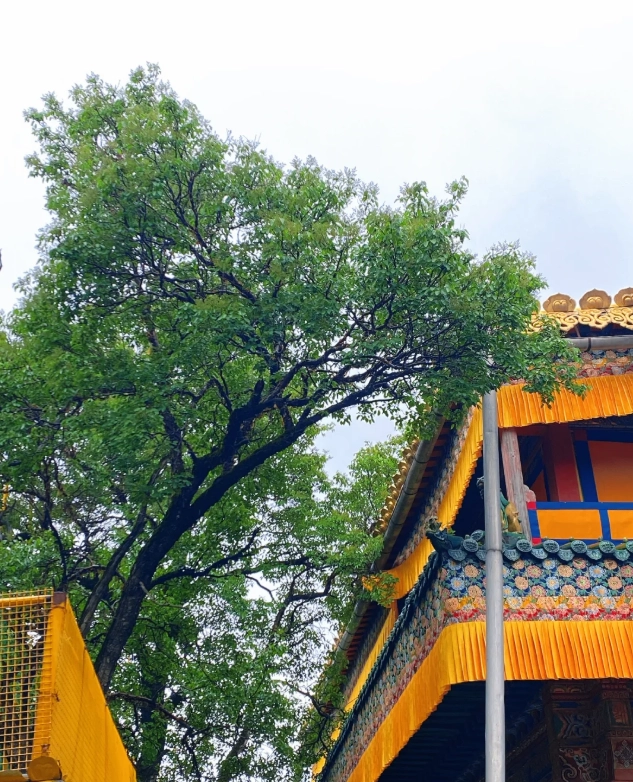





Kumbum was the highlight of my Qinghai trip. I managed to dodge the tour bus crowds by showing up at 8:30 am, and I spent a full hour admiring the butter sculptures from every angle. The way the colors shift in the natural light from the high windows is magical. Also, the local guide (a young monk) explained the symbolism behind each figure—made the experience so much richer. Highly recommend!
Finally got to see the famous butter sculptures after years of wanting to, and they didn't disappoint. The sheer detail—even the tiny folds in the robes—left me speechless. I followed the advice to go late afternoon on a weekday and had plenty of space. The monks were friendly, and the courtyard feels sacred. Absolutely five stars; just bring a small flashlight if you're serious about photographing the sculptures.
This place is a hidden gem if you plan right. I arrived right when it opened and had the butter sculpture hall almost to myself for a solid ten minutes. The level of craftsmanship is mind-blowing—each flower petal and tiny face is hand-painted. The whole monastery has this serene vibe, and the golden roofs are stunning. Don't skip the yak butter tea at the small stall near the exit!
Honestly, I was a bit let down. The hype around seeing the butter sculptures up close is real, but the lighting inside that hall is so dim you can barely see the colors. Plus, they let way too many people in at once, so it felt claustrophobic. For the entrance fee and the detour, I expected more. Go early if you must, but temper expectations.
I went on a weekday morning hoping to beat the crowds, and while it was quieter than I expected around the main prayer halls, the butter sculpture room was absolutely packed. Still, once I squeezed in, the detail on those sculptures was insane—completely worth the wait. Just wish there were better signs or a one-way system to keep things moving.