 Yan Zhou
Let's be honest. Major museums can be overwhelming. You walk in, see a map with a dozen galleries, and suddenly your two-hour plan feels hopeless. The Shanghai Museum, sitting right on People's Square, is no exception. Its iconic bronze ding-shaped building houses over a million artifacts. I've been there multiple times, gotten lost, found hidden gems, and learned the hard way how to make the most of a visit. This isn't a generic list of exhibits. It's a practical, step-by-step guide based on my own missteps and discoveries, designed to help you see the best of China's ancient art without the fatigue.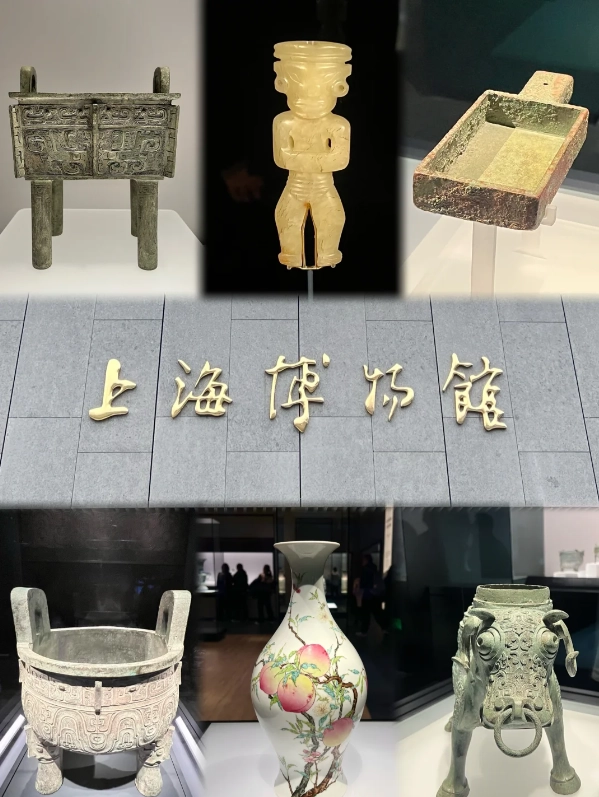
Quick Navigation
Essential Visitor Info: Tickets, Hours & Location
First things first. The good news is that admission to the Shanghai Museum's permanent collection is free. This is a fantastic policy, but it leads to the main challenge: managing demand. You must book a timed-entry slot in advance through their official website or WeChat mini-program. I've seen people turned away at the door because they didn't know this.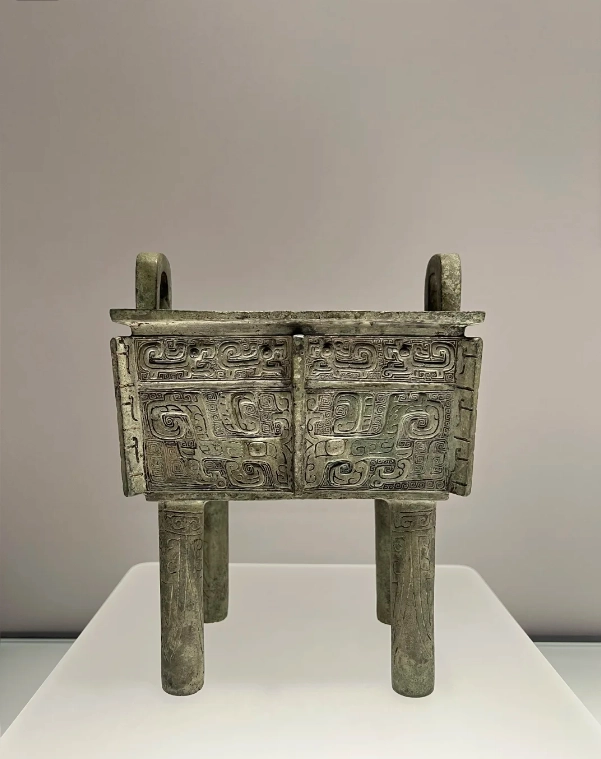
Pro Tip from Experience: Book your tickets as soon as your travel dates are firm, especially for weekends and Chinese public holidays. The 9:00 AM and 1:00 PM slots fill up fastest. If the official site is glitchy (it happens), try the WeChat channel—it's often more stable.
| Detail | Information |
|---|---|
| Address | No. 201, Renmin Avenue, Huangpu District, Shanghai. The building is unmistakable. |
| Opening Hours | 9:00 AM – 5:00 PM (Last entry at 4:00 PM). Closed on Mondays (except national holidays). |
| Ticket Price | Free for permanent exhibits. Special exhibitions may charge a separate fee. |
| How to Book | Mandatory online reservation via official website or "Shanghai Museum" WeChat mini-program. |
| Metro Access | People's Square Station (Lines 1, 2, 8). Exit 1 puts you almost at the front steps. |
| Time Needed | A thorough visit requires 4-5 hours. A highlights tour can be done in 2-3. |
The location is incredibly central. After your visit, you can easily walk to Nanjing Road Pedestrian Street, the Bund, or into the former French Concession. It's the perfect cultural anchor for a day of exploring.
The Must-See Collections (And What to Skip If Short on Time)
The museum is organized by artifact type across four main floors. This thematic layout is brilliant for deep dives but can feel repetitive if you're not a specialist. Based on the museum's global reputation and my personal impressions, here’s how I’d prioritize your time.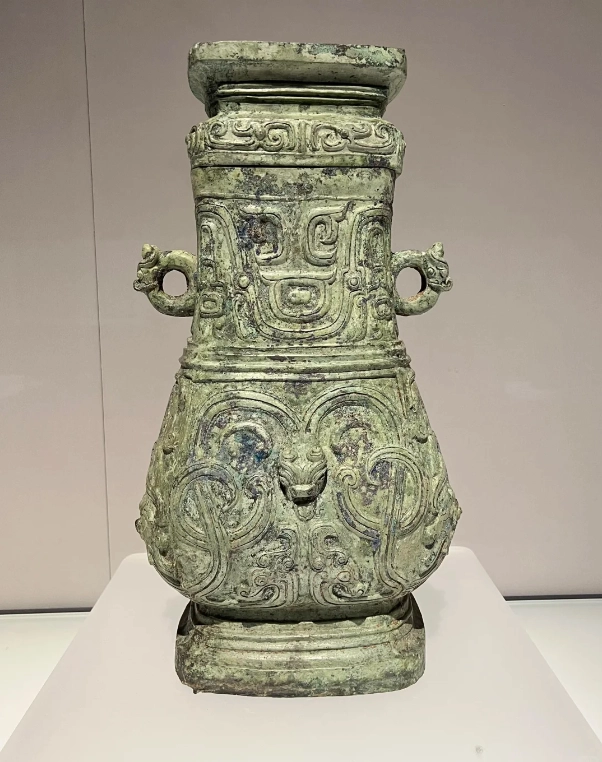
Top Tier: Don't Miss These
1. The Ancient Chinese Bronze Gallery (1st Floor): This is the Shanghai Museum's crown jewel, and for good reason. The collection of ritual vessels, weapons, and bells from the Shang and Zhou dynasties is arguably the best in the world. It's not just about age; it's about the artistry and the haunting presence of these objects. Look for the intricate taotie masks and the stunning inscriptions inside the Da Ke Ding. I spent nearly 90 minutes here on my first visit and didn't regret a second.
2. The Chinese Ceramics Gallery (2nd Floor): This is a breathtaking journey through fire and clay. The progression from simple Neolithic pottery to the sublime celadons of the Song dynasty and the vibrant overglaze enamels of the Qing is beautifully displayed. The section on Jingdezhen porcelain is particularly illuminating. The colors—the bluish-white of Qingbai, the ox-blood red—are more vivid up close than any photo can capture.
Second Tier: Highly Recommended
3. Chinese Painting & Calligraphy Galleries (3rd Floor): These galleries house fragile works on paper and silk, so lighting is low and the atmosphere is serene. The calligraphy section is a masterclass in the power of brushstrokes. Even if you can't read the characters, you can feel the energy—from the disciplined regularity of seal script to the wild abandon of cursive script. The painting gallery rotates its displays frequently to protect the works, so you never know what masterpiece you might see.
4. The Ancient Chinese Sculpture Gallery (1st Floor): Often overshadowed by the bronzes next door, this gallery is a quiet revelation. The Buddhist stone sculptures from the Northern Wei and Tang dynasties have a serene, spiritual beauty. The flowing lines of the drapery on a Bodhisattva statue are mesmerizing.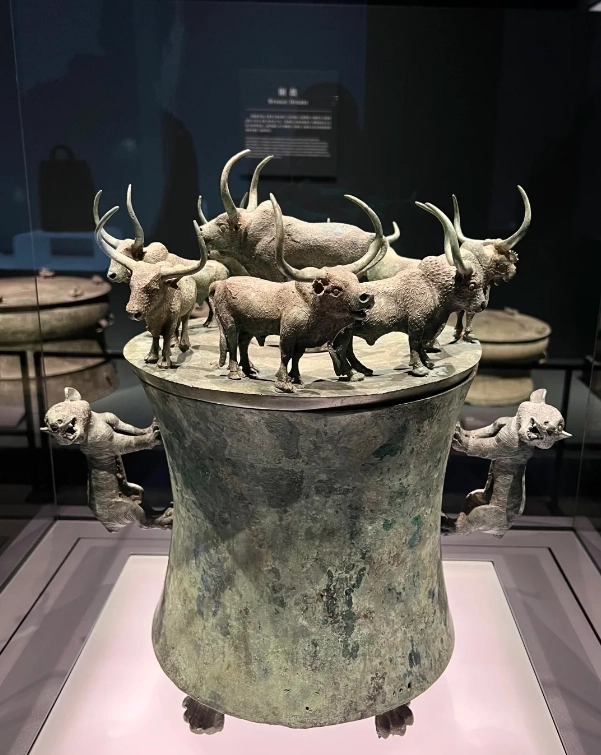
Consider Skipping If Pressed
The Minority Nationalities' Art Gallery and the Chinese Seal Gallery are fascinating for specialists but can feel niche for a general visitor on a tight schedule. The Coin Gallery is extensive but, unless you're a numismatist, a quick walk-through suffices.
Planning Your Route Inside the Museum
Everyone gets a free map at the entrance. Here’s the strategy that worked for me after a couple of inefficient visits.
The Anti-Crowd Route (My Preferred Method): Most tour groups head straight to the bronzes on the first floor. Instead, take the escalator up to the fourth floor first. Start with the Furniture and Jade galleries. They are often less crowded in the first hour, allowing you to appreciate them in peace. Then work your way down: Hit Painting & Calligraphy on the third, Ceramics on the second, and finally tackle the Bronze and Sculpture galleries on the first floor as the initial crowds have dispersed.
The Chronological Purist Route: If you want a historical narrative, start on the first floor with Sculpture and Bronzes (ancient times), move to Ceramics on the second (showcasing millennia of development), then to Painting & Calligraphy on the third (the pinnacle of scholar-artist culture), and finish with the decorative arts like Furniture and Jade on the fourth.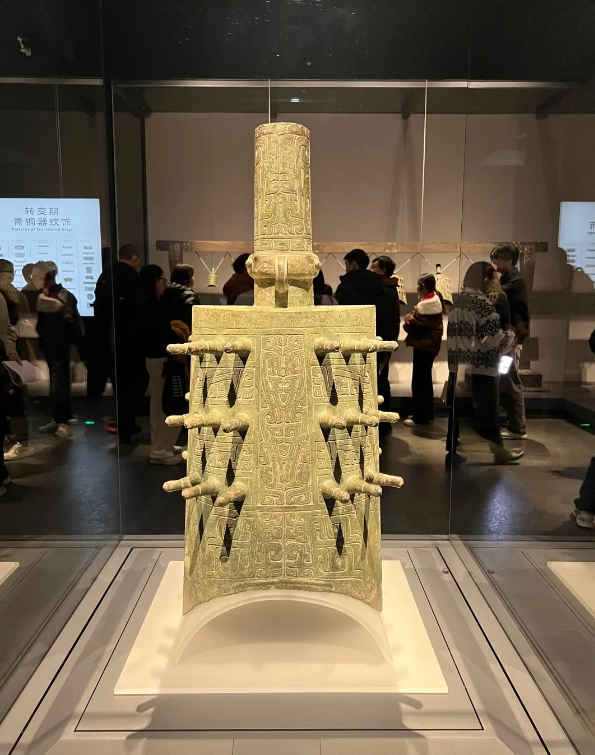
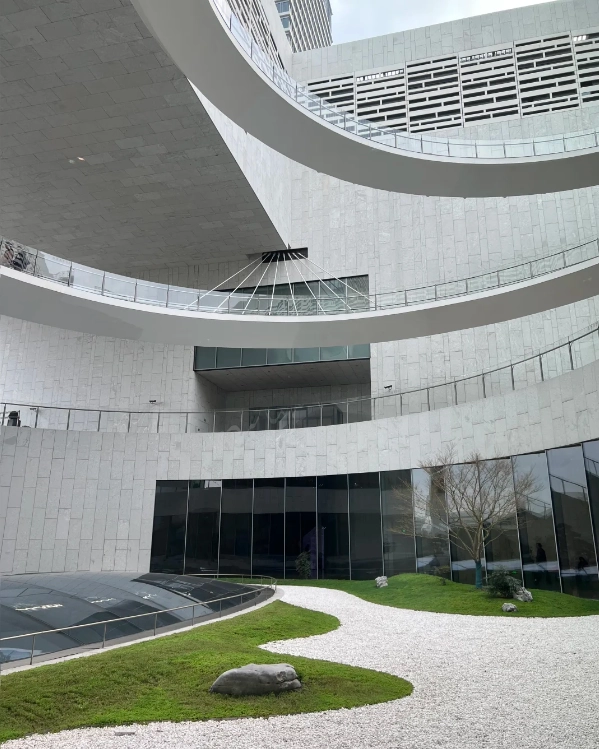
A Reality Check: The museum's layout is a loop around a central atrium. There are benches in the atrium—use them. Museum fatigue is real. Sit down every hour, look up at the impressive architecture, and drink some water. Your feet will thank you.
Tips Beyond the Exhibits: Crowds, Food, and Souvenirs
The experience isn't just about the artifacts.
Best Time to Visit: Weekdays, obviously, are better than weekends. Within the week, Wednesday and Thursday afternoons tend to be the quietest in my experience. The first hour after opening (9-10 AM) and the last hour before closing (4-5 PM) also see thinner crowds.
Food and Drink: There's a café on the first floor near the souvenir shop. It's fine for a coffee or a simple pastry, but it's overpriced and not particularly special. My advice? Have a solid breakfast, do your museum visit, then walk 10 minutes into the surrounding streets for a much better and more authentic lunch. The museum prohibits bringing in outside food and drinks, but water bottles are okay.
The Souvenir Shop: It's actually quite good. Beyond the typical postcards and magnets, you can find high-quality replicas of famous bronzes, beautiful books on Chinese art, and elegant stationery. The prices are fair for the quality. I picked up a small replica of a Tang dynasty horse that sits on my desk.
Photography: Non-flash photography is generally allowed for personal use in the permanent collection galleries. Look for the signs. Special exhibition rules may vary. Please be respectful and never use a flash—it damages the pigments over time.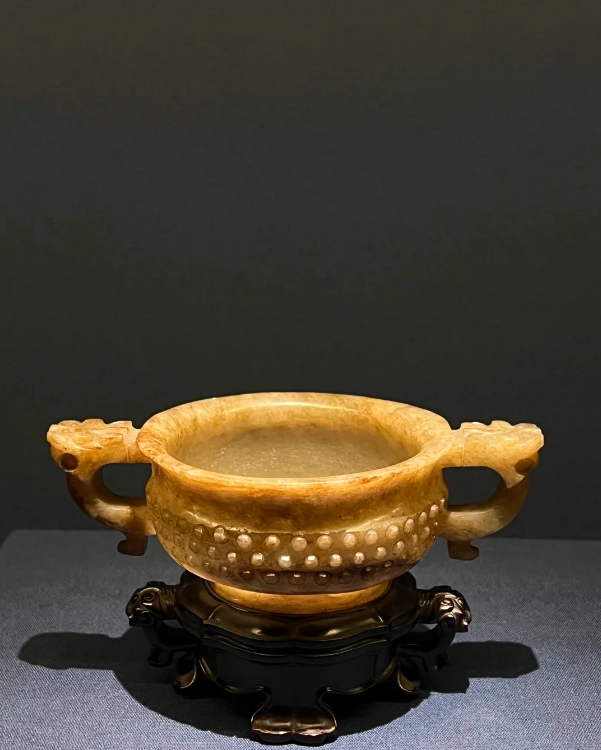
Frequently Asked Questions (Answered Honestly)
 What's the one thing most visitors miss at the Shanghai Museum?
Visiting the Shanghai Museum is more than checking off a tourist site. It's a direct conversation with five thousand years of artistic genius. With a little planning—booking that ticket early, heading to the top floor first, and giving yourself permission to sit down and just stare at a single vase—you transform a potentially overwhelming experience into a profound and personal one. That's the real treasure you take home.
This guide is based on multiple personal visits and cross-referenced with current official museum information.





This is one of the best museums I've visited anywhere in the world. The collection of Chinese ancient art is vast and incredibly well presented. I was particularly moved by the calligraphy and painting galleries – the artworks are so delicate and full of history. The building itself is modern and spacious. A perfect way to spend a rainy afternoon. Don't miss it!
Took my two kids here during our Shanghai trip and it was a hit! They loved the giant ancient bronze bells and the colorful porcelain. The museum is well-organized with elevators and stroller-friendly paths. We spent about 2.5 hours and didn't even see everything. Free entry and a nice break from the busy streets. Highly recommended for families.
Absolutely incredible. As a huge fan of ancient Chinese history, the Shanghai Museum blew me away. The bronze ritual vessels from the Shang and Zhou dynasties are breathtaking, and the ceramic gallery is a must-see. I spent over four hours and still felt I could have stayed longer. Very well curated, clear signage, and the staff were knowledgeable. A treasure trove!
Great collection of Chinese ancient art, really world-class. The jade and bronze sections are stunning. I'd give it a 5 if not for the fact that some of the English translations on the placards were awkward and occasionally missing. Also, the cafe could use better coffee. But overall a solid museum experience. Free entry is a big plus.
Honestly a bit disappointed. The museum itself is huge and has some amazing pieces, but the crowds were insane. Felt like I couldn't really enjoy the ancient treasures because I was constantly being jostled. Also, the lighting in some halls is terrible for photos. Would recommend going on a weekday early morning if you can. Not worth the hype if you're short on time.
Really enjoyed this museum, especially considering it's free to enter! The collection of Ming and Qing porcelain is breathtaking. My only complaint is that the online reservation system is clunky—I spent 15 minutes trying to get a QR code to work. But once inside, everything was smooth. Great value for a couple of hours of cultural immersion.
The ancient painting and calligraphy section alone is worth the trip. Seeing scrolls from the Tang Dynasty with my own eyes was surreal. The museum is spacious, the staff are helpful, and the audio guide (¥20) is well worth it. Only reason I'm not giving a 5 is that the gift shop is overpriced and the cafe options are limited. Otherwise, a brilliant afternoon.
Honestly felt a bit let down. Maybe I hyped it up too much, but the English descriptions were sparse and sometimes missing altogether. A few galleries were closed for renovation too, so the path felt disjointed. The pieces that were on display are stunning—no question—but the experience felt incomplete. Worth a visit if you have time, but temper expectations.
Solid museum with a fantastic range of ceramics and jade. The only downside was the crowd—even on a Tuesday morning there was a 20-minute wait to get in. Once inside, it's manageable, but you have to be patient. Still, the exhibits are top-notch and the free admission is a huge plus. Would recommend going right when it opens.
Absolutely blown away by the ancient bronze collection here. The details on those vessels are incredible—you can see the patina up close. The museum is well laid out, quiet, and the lighting really makes the artifacts pop. I spent three hours and still felt like I missed half of it. A must-see for any history buff.
One of the best museum experiences in China! The architecture itself is stunning – the round dome and square base symbolize ancient Chinese cosmology. I loved the Ming furniture gallery and the peaceful vibe. Took tons of photos of the intricate bronze vessels. The staff even let me bring a small tripod. Highly recommend for anyone into history or design.
Good museum but the queue outside was ridiculous – waited 40 min under the sun even with a pre-booked ticket. Once inside, the exhibits are well curated but some galleries felt crowded. The café is overpriced and the coffee tasted burnt. For the price of admission (which is cheap), it's worth a visit, but don't expect a serene experience.
What a gem! The ancient jade and calligraphy halls are my favorites. I went on a weekday morning and it was quiet – practically had the whole floor to myself. The staff at the entrance were polite and helped me store my backpack quickly. This museum is huge; plan at least half a day. A must-do in Shanghai.
Decent museum but a bit overwhelming layout-wise. I got lost trying to find the painting section. The collection is impressive but some display labels are only in Chinese, which made it harder for me to follow. Air conditioning was too cold for a summer visit. Nice building, but I expected a bit more interactive exhibits. Would still recommend for serious art lovers.
Absolutely blown away by the quality of the ancient bronzes and ceramics. The lighting in each gallery is perfectly calibrated to highlight the details without glare. Spent 3 hours just in the Bronze Hall. The audio guide was clear and not too verbose. If you love ancient art, this is a world-class stop. Only wish the gift shop had more postcards.