.jpeg) Mike Sun
Mike Sun
I've lost count of how many times I've brought groups to Nanluoguxiang. And every single time, someone says, "This is nothing but a tourist trap." Well, they're not entirely wrong — but they're also missing the point. Let me show you the real Nanluoguxiang.
Listen, if you only have two hours in this area, here's the perfect plan: arrive by 9am, grab a yogurt from Wen Yu Cheese, walk the main alley once, then dive into the side hutongs. That's where the charm lives. The main drag? It's crowded and commercial. But those narrow sidestreets — that's old Beijing breathing.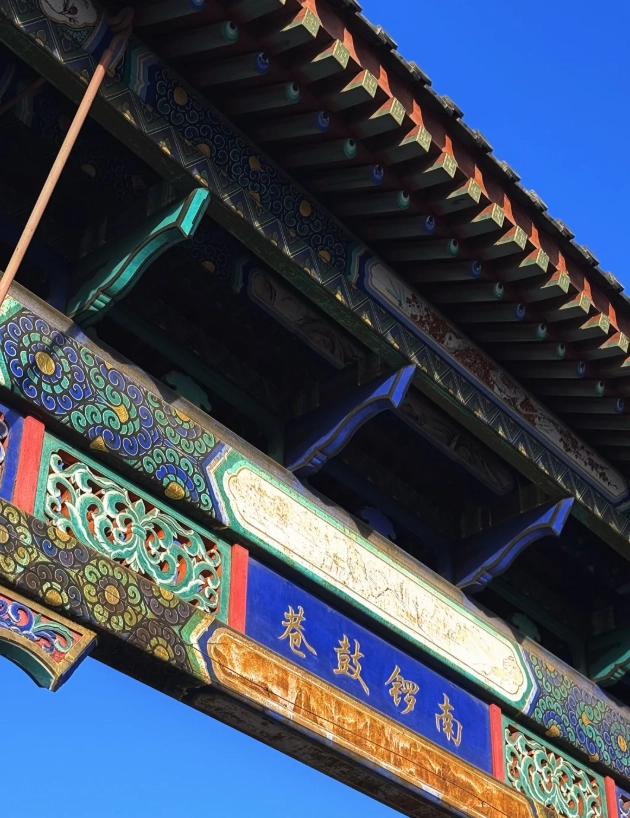
Why Nanluoguxiang Is Worth Your Time (But Not All of It)
Nanluoguxiang is a 786‑meter‑long hutong in central Beijing, first built in the Yuan Dynasty. Today it's a pedestrian street lined with shops, cafes, and snack stalls. Yes, it's touristy — but it's also a living museum of courtyard houses (siheyuans) and a great base for exploring the surrounding hutongs like Mao'er Hutong and Yuer Hutong.
Most visitors spend 1–2 hours here. That's enough to eat, shop, and snap photos. If you want a deeper cultural fix, book a rickshaw tour that goes into the less‑commercial hutongs. Expect to pay around ¥150–200 for a 30‑minute ride with a guide who speaks basic English. Bargaining is standard — start at half the quoted price.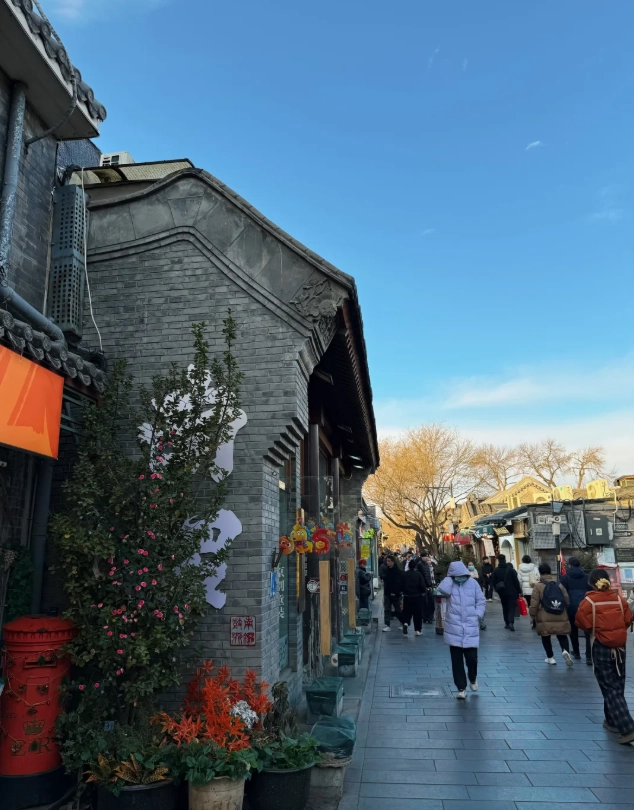
How to Get to Nanluoguxiang (The Smart Way)
Metro – Your Best Bet
Take Line 6 or Line 8 to Nanluoguxiang Station. Use Exit E — it drops you right at the southern entrance of the pedestrian street. Exit F leads to the north end but involves a longer walk through a less scenic block. Avoid Exit A (it's a trap — no direct connection).
Bus and Taxi Options
Buses 107, 124, 635, and 6 stop at Nanluoguxiang Stop (锣鼓巷). From there it's a 3‑minute walk. Taxis from the Forbidden City area cost around ¥20–30. Show the driver: 南锣鼓巷. But be warned — traffic on nearby Di'anmen Avenue is notoriously bad after 4pm. If you're in a hurry, take the metro.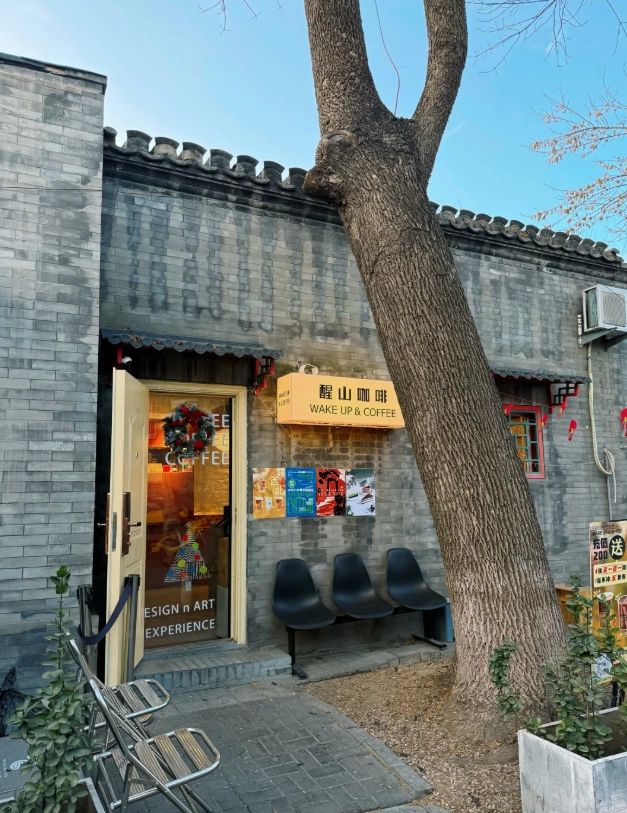
When to Visit Nanluoguxiang (Timing Is Everything)
Here's a truth many guides won't tell you: visit on a weekday morning. Tuesday through Thursday before 10am, the alley is practically empty. You'll see shopkeepers sweeping their doorsteps and elderly residents walking dogs. It's peaceful.
Weekends and public holidays are a zoo. I've seen the main street so packed that you can't move faster than a shuffle. If you must go on a weekend, arrive by 8am or after 8pm (most shops close around 9:30pm, but the atmosphere is still pleasant). Summer afternoons are brutally hot — the narrow hutongs trap heat.
| Season | Best Time | What to Expect |
|---|---|---|
| Spring (Apr–May) | 9am–11am | Mild weather, cherry blossoms in side hutongs |
| Summer (Jun–Aug) | 8am–10am or 7pm–9pm | Hot and crowded; evening breeze helps |
| Autumn (Sep–Nov) | Any time | Best season — crisp air, golden leaves |
| Winter (Dec–Feb) | 10am–3pm | Cold but few tourists; some shops close early |
What to See and Do (Beyond the Main Alley)
The Main Street – Shop and Eat
The main drag is 800 meters of pure commerce. You'll find souvenir shops selling Mao badges, calligraphy brushes, and endless fridge magnets. Prices are marked up 50–100% compared to nearby wholesale markets. Haggle if you buy multiple items. For example, a set of 5 fridge magnets quoted at ¥100 can often be had for ¥40.
Must‑try snacks:
- Wen Yu Cheese: 49 Nanluoguxiang. Their signature red bean yogurt (¥15) is thick, not too sweet, and refreshing. I always grab one on the way in. Cash only. Expect a line of 10–15 people even on weekdays, but it moves fast.
- Ghost-Style Chicken Wings : 52 Nanluoguxiang. Spicy grilled chicken wings with a numbing Sichuan pepper kick (¥8 per skewer). Worth the heat, but have a drink ready.
- Something to skip: The giant spiral potato on a stick. Overpriced (¥25) and bland. It's a photo prop, not food.
Side Hutongs – Where the Magic Happens
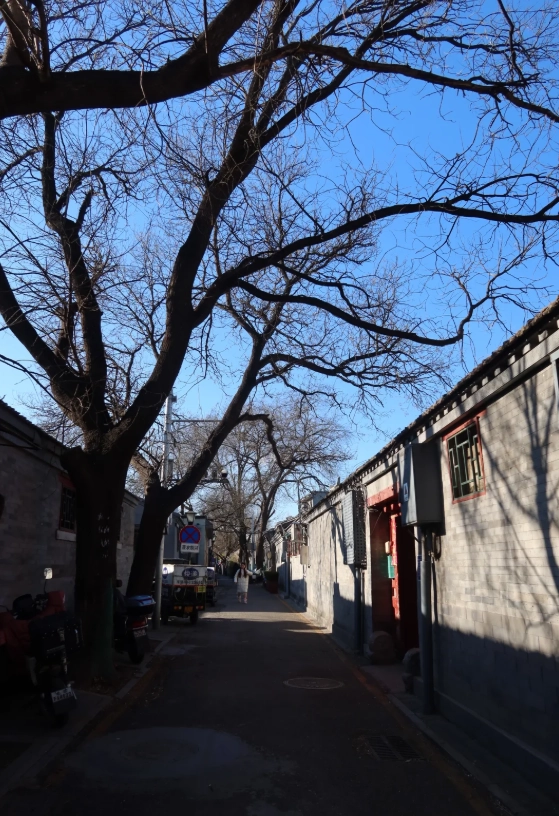
Branch off into Mao'er Hutong (帽儿胡同) — it's home to a former eunuch's residence and a quiet temple. Yuer Hutong has beautiful siheyuan gates and a small art gallery. Dongmianhua Hutong leads to the Central Academy of Drama — you might catch students performing on the street.
Where to Stay Near Nanluoguxiang
Staying in this area puts you within walking distance of many hutongs and the nearby Houhai Lake. Here are three solid options:
| Hotel | Address | Price Range (per night) | Best For | Notes |
|---|---|---|---|---|
| The Orchid Hotel | 65 Baochao Hutong (10 min walk) | ¥600–1,200 | Couples, boutique lovers | Rooftop terrace with hutong views; English-speaking staff; free Wi‑Fi |
| Zhostel | 35 Dongmianhua Hutong (5 min walk) | ¥150–300 (dorm); ¥400–600 (private) | Backpackers, solo travelers | Rooftop bar; luggage storage; no elevator — luggage up 3 floors |
| Beijing Double Happiness Courtyard Hotel | 37 Mao'er Hutong (2 min walk) | ¥800–1,500 | Families, luxury seekers | Traditional courtyard; breakfast included; limited soundproofing |
Payment warning: Many small hotels in hutongs don't accept international credit cards. Always confirm before booking. I recommend using a platform like Trip.com or Booking.com that handles payment upfront.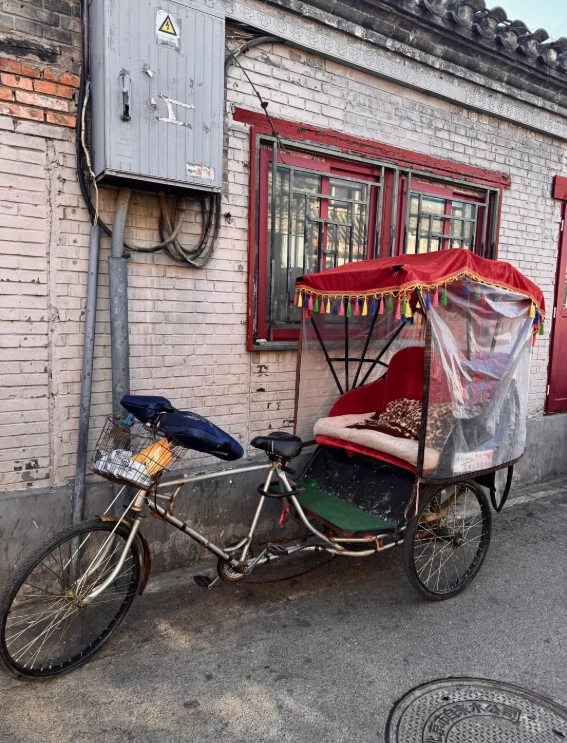
Common Mistakes Tourists Make (and How to Avoid Them)
1. Showing up at noon on Saturday. The crowd is suffocating. Do yourself a favor and go early or on a weekday.
2. Sticking only to the main street. You miss 90% of the experience. The side hutongs are where the history and daily life are.
3. Paying for a rickshaw tour without negotiating. Drivers often quote ¥300 for a 30‑minute ride. I've negotiated it down to ¥100 – but be respectful. The driver's income depends on this.
4. Expecting to use credit cards everywhere. Many snack stalls and small shops are cash or WeChat Pay only. Carry ¥200–300 in small bills. If you don't have WeChat Pay, find an ATM (there's one at the south entrance).
5. Thinking the toilet situation is fine. Public toilets in hutongs are squat toilets with no toilet paper. Carry tissue and hand sanitizer.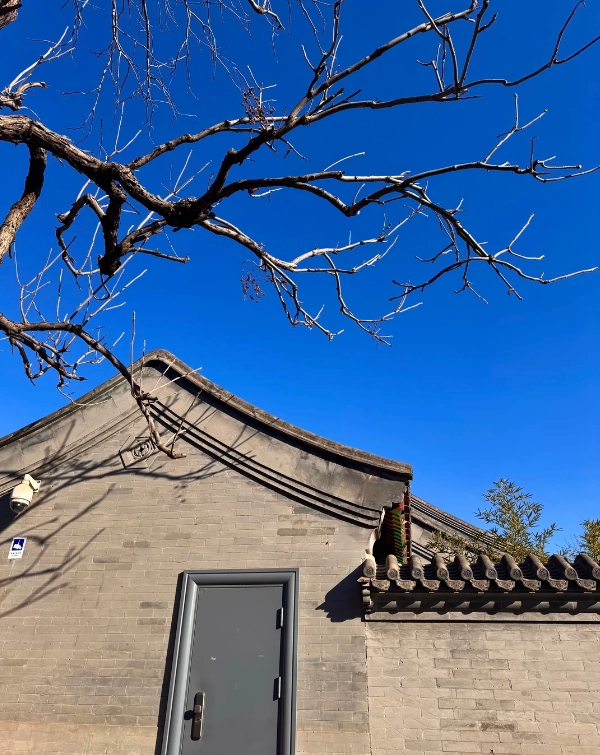





No comments yet.