 Qiang Huang
You step out of the Jing'an Temple metro station, and the city hits you. Skyscrapers, crowds, the relentless hum of traffic. It's exhilarating, but after a while, it's also exhausting. That's when I stumbled upon Jing'an Park. Not with a grand plan, but by accident, looking for a shortcut. What I found wasn't just a shortcut; it was a pause button for Shanghai. A rectangle of green so perfectly placed, it feels like a secret shared among those who know where to look. This isn't a vast wilderness park. It's a neighborhood park that has perfected the art of urban tranquility. If you're in Shanghai, caught between temple visits and shopping sprees, you need to know about this place.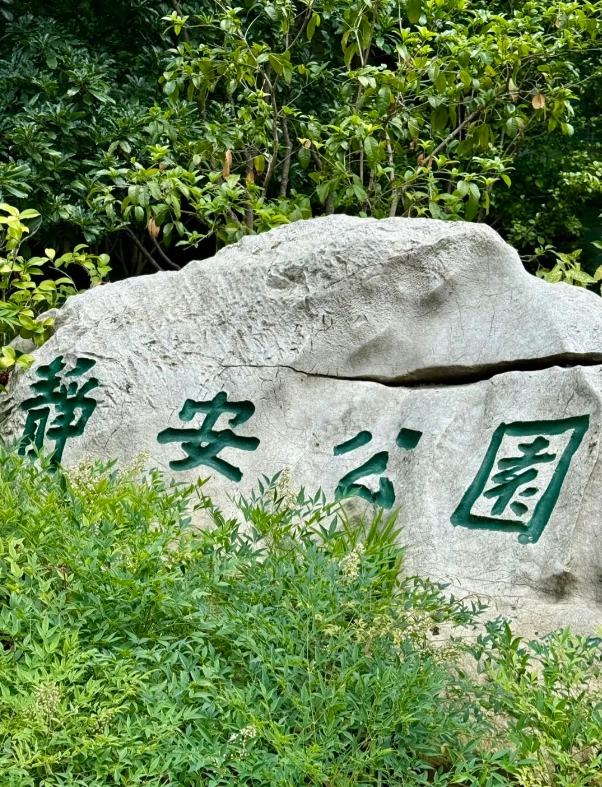
What's Inside This Guide
Why Jing'an Park Matters (More Than You Think)
Most guides will tell you it's a "green space near the temple." That's true, but it misses the point. Jing'an Park is a living diorama of local Shanghai life. Its history is a slice of the city's own. It wasn't always a public park. In the late 19th century, this was the private garden of a wealthy British family, later becoming a cemetery. It was only in the 1950s that it was transformed into the public park you see today. You can still feel that layered history. The layout feels more European than classical Chinese, with its open lawns and geometric pathways, but it's utterly infused with the rhythms of contemporary Shanghai.
What makes it special is its democratic nature. It's completely free, which means everyone uses it. On any given morning, you'll see a microcosm of the city: retirees practicing tai chi with fierce concentration, their movements fluid against the backdrop of glass towers; nannies chatting while toddlers wobble across the grass; office workers on a bench, stealing fifteen minutes with a coffee before the workday begins. It's this authentic, unfiltered daily life that gives the park its soul. It's not a tourist attraction pretending to be something else. It's just itself.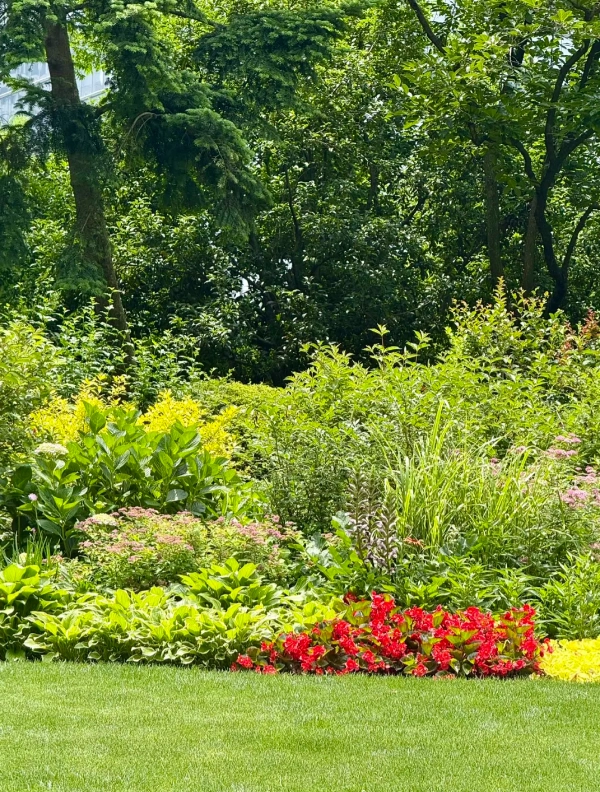
Planning Your Visit: The Essential Info
Let's get the practicalities out of the way. This is the information you need to actually go there.
Jing'an Park: Key Details at a Glance
- Address: 1649 Nanjing West Road, Jing'an District, Shanghai. The main entrance is directly opposite the iconic Jing'an Temple.
- Opening Hours: The park is open daily from 5:00 AM to 10:00 PM. Gates are closed overnight.
- Admission Fee: Absolutely free. No tickets, no reservations needed.
- Best Time to Visit: Early morning (7-9 AM) to see local life in full swing, or late afternoon (4-6 PM) for golden light and a quieter atmosphere. Weekdays are less crowded than weekends.
- Size: It's compact, about 3.4 hectares (8.4 acres). You can walk the main paths in 15 minutes, but the idea is to linger.
A common mistake first-timers make is trying to "do" the park quickly. They walk through, take a photo of the temple from the gate, and leave. You'll miss everything. Budget at least 45 minutes to an hour. Find a seat and just watch. That's the activity.
How to Get to Jing'an Park: The Simple Way
Shanghai's metro is your best friend. The park is impossibly well-connected.
By Metro: This is the only method I recommend for first-time visitors. Take Line 2, Line 7, or Line 14 and get off at Jing'an Temple Station (静安寺站). Follow the signs for Exit 11. When you surface, you'll be right at the intersection. Look across the street—the golden roofs of Jing'an Temple are on your left, and the green canopy of Jing'an Park is directly in front of you. The entrance is a short crosswalk away.
By Taxi or Ride-Hail: You can tell the driver "Jing'an Gongyuan" (静安公园) or simply "Jing'an Temple." The traffic around this area can be heavy, especially during rush hour, so the metro is often faster.
I've seen tourists get confused because their map app shows multiple gates. Don't overthink it. The main, most obvious gate is on Nanjing West Road, facing the temple. Just head there.
Experiencing the Park Like a Local
The Morning Ritual
If you can drag yourself out of bed, the morning show is worth it. Before 9 AM, the park belongs to the community. Groups gather for synchronized dance routines, not just tai chi. I once saw a dozen people waving large red fans in a complex, beautiful pattern. Near the central pond, people bring their songbirds in ornate cages, hanging them from trees for an impromptu avian concert. It's not staged; it's their daily routine. Grab a steamed bun from a vendor outside the park and find a bench. You're not just observing; you're briefly part of the neighborhood's rhythm.
The Art of Finding Your Spot
The park has distinct zones. The northern end, closer to Yuyuan Road, is generally quieter, with more shaded benches under mature camphor trees. The southern side, near the children's playground, is more lively. My personal favorite spot is on the west side, along the path that runs parallel to Huashan Road. You get a sliver of a view of the old, low-rise buildings, a reminder of the Shanghai that existed before the skyscrapers.
The central lawn is tempting, but it's often roped off for maintenance, especially after rain. Don't count on having a picnic there. The paved areas around the small artificial lake and the open plaza near the south gate are better for sitting on the ground if you must.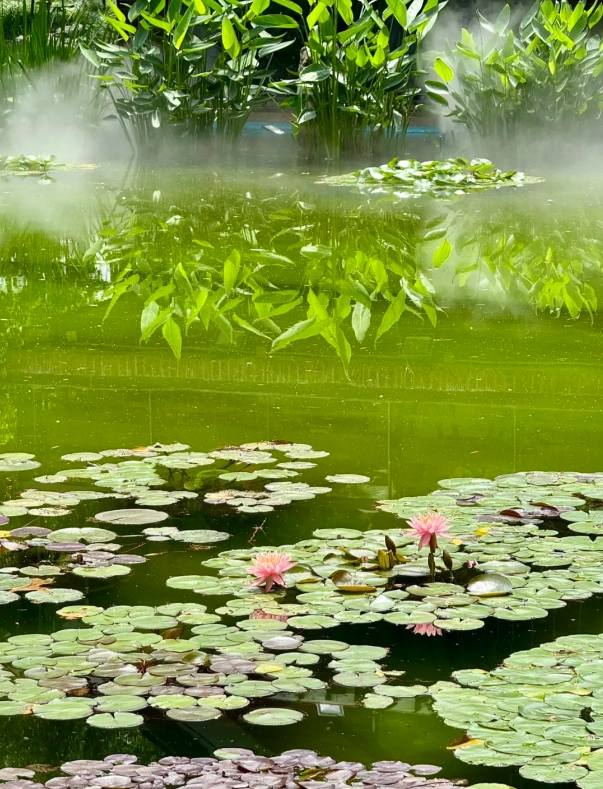
What's Actually Inside?
You won't find rollercoasters or a zoo. The amenities are simple and geared towards relaxation:
The Lake & Pavilions: A small, manicured pond with a zigzag bridge and traditional pavilions. It's picturesque, especially when the willow trees are green.
The Rose Garden: A dedicated section that blooms spectacularly in late spring (April-May). It's a burst of color and fragrance.
Public Square & Stage: An open area sometimes used for community events or exhibitions. Often empty, it's a good place to feel the scale of the park.
Children's Playground: Basic slides and swings. It's functional, not dazzling.
There's also a Starbucks at the south end of the park. I have mixed feelings about it. On one hand, it feels commercial, intruding on the green space. On the other, it has a large terrace that spills into the park, and getting an iced coffee to sip under the trees is a genuine pleasure. It's a compromise of modern Shanghai, right there in the park.
Beyond the Park Gates: What's Nearby?
Jing'an Park is the perfect anchor for a half-day exploration. You're in one of Shanghai's most dynamic districts.
Jing'an Temple: This is the obvious one. The stunning golden temple, a working Buddhist monastery, is literally across the street. The contrast between the serene park, the ancient temple, and the modern skyscrapers is the defining visual of the area. Worth the entrance fee to go inside.
Shanghai Centre & Plaza 66: For high-end shopping and dining, these malls are a stone's throw away. Even if you're not buying, the architecture and people-watching are top-tier.
Wujiang Road & Zhangyuan: For a different vibe, walk south. Wujiang Road is a renovated pedestrian street full of local snack stalls and casual eateries. Further south, the historic Zhangyuan complex offers a maze of Shikumen (stone-gate) houses now housing trendy shops and cafes.
My suggested itinerary? Start at Jing'an Temple in the late morning. Cross over to the park for a lunchtime respite (grab food from a nearby takeout). Then, explore the shopping or historic lanes in the afternoon. The park acts as your peaceful intermission.
Your Jing'an Park Questions, Answered
 Can you have a picnic in Jing'an Park?
 Jing'an Park won't blow you away with grandeur. It will settle you with its normality. In a city constantly reaching for the future, this park is firmly, comfortably, in the present. It's where the city takes a breath. Next time you're at Jing'an Temple, feeling the energy of Shanghai pulse around you, remember the green rectangle across the street. Your pause button is waiting.






I live nearby and walk through Jing'an Park almost every day. It never gets old. The park is impeccably clean, the flowers change with the seasons, and the local grandmas doing tai chi in the morning are a joy to watch. Whether you want to picnic on the lawn or just sit and recharge, this place delivers. An absolute 5-star urban oasis.
Best free thing to do in Shanghai! I spent two hours here just people-watching and relaxing. The bamboo grove near the back entrance is incredibly peaceful — you can barely hear the traffic. There's also a small café selling decent coffee and pastries. Don't miss the old ginkgo trees in autumn; the golden leaves are magical.
Absolutely stunning! This park is a hidden gem right next to Jing'an Temple. I came early in the morning when the mist was lifting off the pond, and it felt like stepping into a painting. The mix of traditional Chinese landscaping and western flowerbeds is unique. Perfect for a morning jog or a quiet read under the big plane trees. Highly recommend!
A lovely little park in the middle of the city. The English-style garden with the fountain is charming, and I enjoyed sitting by the koi pond for a while. The paths are well-maintained, though I wish there were more benches in shaded areas. It’s a solid spot for a 20-minute break from shopping on Nanjing Road. Would come back again.
I visited Jing'an Park on a Sunday afternoon expecting a peaceful retreat, but it was surprisingly crowded with loud tour groups and street performers. The greenery is nice, but the noise really kills the 'quiet escape' vibe. Also, the restroom near the entrance was in poor condition. Not the serene experience I was hoping for.
Found this gem while wandering after visiting the temple next door. It’s small but perfectly formed—there’s a formal garden area with a pavilion and goldfish pond that feels straight out of a Ming dynasty painting. I sat there for half an hour just listening to the fountain and watching a cat nap on a rock. The park also has free Wi-Fi (!) which caught me off guard. Zero complaints. If you’re in Shanghai and need a breath, go here.
Stopped by for a quick jog around the perimeter. Paths are paved and fine for a loop, but it’s very short—maybe 800 meters total. The scenery is pleasant: tall trees, a few sculptures, and the temple pagoda visible through the leaves. However, at 4pm on a Saturday it was crowded with families and tour groups, so jogging was tricky. If you want to run, go early morning. Still, for a pause in the city center, it does the job.
This was exactly the calm I needed after three days of metro rides and crowded markets. The park feels intimate—not too manicured, not too wild. I loved the little stream with stone bridges and the patch of lawn where locals were practicing sword tai chi. Grabbed a matcha latte from the park café (pretty decent) and just people-watched for an hour. There’s even a small butterfly garden near the south end. Highly recommend for a quiet afternoon.
A decent patch of green near Jing'an Temple. The park itself is clean and well-maintained, but I was a bit underwhelmed given the hype. It’s more of a local hangout than a tourist attraction—lots of elderly folks playing mahjong or practicing calligraphy with water on the ground. Nice for a 15-minute stroll if you’re in the area, but I wouldn’t go out of my way. The café inside overprices its drinks, too. Fine for what it is, but not a must-see.
Came here on a weekday afternoon to escape the chaos of Nanjing Road. The park is surprisingly lush for being in the middle of the city—huge plane trees, a little koi pond, and even a bamboo grove. I sat on a bench near the entrance and watched tai chi groups while sipping a takeaway coffee. It’s not huge, but it feels like a real oasis. The only downside? Some of the pathways could use a sweep, but that’s minor. Absolutely coming back next time I’m in Shanghai.
Free entry and right in the middle of Jing'an – you can't beat that for a quick break. The greenery is nice, the shaded benches are plentiful, and there's a public toilet that's actually clean. My only gripe is that some of the playground equipment looks pretty rusty and the stone walkways have a few cracks. Not a dealbreaker, but could use a little TLC. Still, a solid option if you're on a budget and need some fresh air.
I came for the park but stayed for the little café tucked inside near the south gate. Sitting on their terrace with a flat white, surrounded by ancient magnolia trees – absolute bliss. The park itself is beautifully maintained, with these gorgeous stone pathways and a little waterfall that drowns out the traffic. I even spotted a fluffy orange cat napping under a bush! Already planning my next visit with a book.
Maybe I came on a bad day, but I didn't find it 'quiet' at all. There were loud tour groups near the entrance, and a group of kids kicking a ball on the grass made it feel more like a schoolyard. The pond is pretty, but the water was murky and there was some litter near the benches. I get why people like it, but for me it didn't deliver the peaceful vibe I was hoping for. Decent for a quick stroll, nothing more.
A lovely little oasis in the middle of the concrete jungle. The layout is charming with winding paths, a small waterfall, and plenty of benches. I docked one star because some of the flower beds looked a bit neglected – dry soil and a few wilted blooms. Still, the shady walkways and the elegant French-style villa at the edge make it worth a visit. Great for a short escape during a busy day.
Honestly one of the best urban parks I've ever visited. The moment you step through the gates, the city noise just melts away. I spent an entire afternoon sitting by the koi pond, watching the sunlight filter through the old plane trees. The bamboo grove near the back is absolutely serene – perfect for a quiet read or just clearing your head. If you need a breather from Nanjing Road, this is your spot. 100% recommend.