.jpeg) Dr. Xue Zhao
Dr. Xue Zhao
If you're looking for a slice of traditional coastal life in China, Jinshanzui Fishing Village delivers. I visited last spring, and it's not just a tourist spot—it's a working village where the rhythm of the sea sets the pace. Forget crowded beaches; here, you'll find weathered boats, salty air, and locals mending nets. This guide cuts through the fluff to give you the essentials, from how to get there to what you'll actually experience on the ground.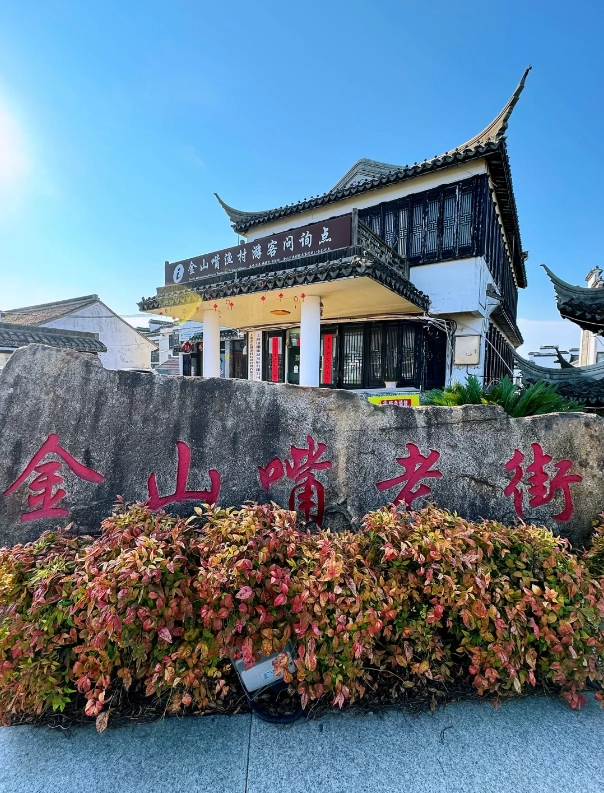
Quick Navigation: What's Inside
How to Get to Jinshanzui Fishing Village – Transportation Options
Jinshanzui is located in Zhoushan, Zhejiang province. It's accessible, but planning helps avoid headaches. I drove there, and the roads are decent, though parking near the harbor can be tight on weekends.
By Public Transport
From Zhoushan city center, take bus line 25 or 30. The ride takes about 45 minutes, and the stop is "Jinshanzui Harbor." Buses run from 6:00 AM to 8:00 PM, with fares around 2 CNY. Check the Zhoushan Public Transport website for updates—sometimes schedules shift during festivals.
By Car
If you're driving, use GPS coordinates: 29.985° N, 122.205° E. The address is Jinshanzui Fishing Village, Zhoushan, Zhejiang, China. Parking is available near the entrance for 10 CNY per day, but I found a free spot along the coastal road if you arrive early. Traffic peaks around 10 AM, so aim to get there by 9 AM to dodge the crowds.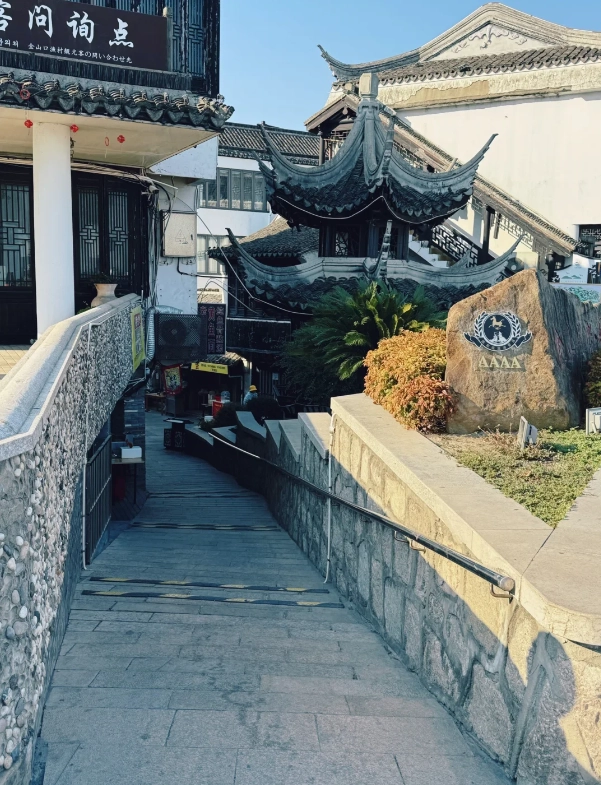
What to See and Do at Jinshanzui Fishing Village
This isn't a theme park; it's a living community. Focus on immersion rather than ticking off attractions.
The Fishing Harbor and Daily Life
The heart of the village is the harbor. Boats come in around 4-6 AM, and that's when the action happens. I woke up early to watch fishermen unload their catch—squid, crab, and fish I couldn't name. It's noisy, smelly, and utterly real. Don't just snap photos; chat with the locals. Many speak basic English, and they'll show you how nets are repaired. A tip: wear sturdy shoes; the docks are slippery.
Local Markets and Fresh Seafood
Adjacent to the harbor, there's a morning market open from 5:00 AM to 11:00 AM. You'll see piles of glistening seafood sold straight from the boats. I bought a kilo of prawns for 50 CNY and had them cooked at a nearby stall. For dining, try Sea Breeze Cafe (near the market entrance)—their fish soup is legendary, with a hint of ginger that cuts through the richness. Prices are reasonable: main dishes range from 30 to 80 CNY.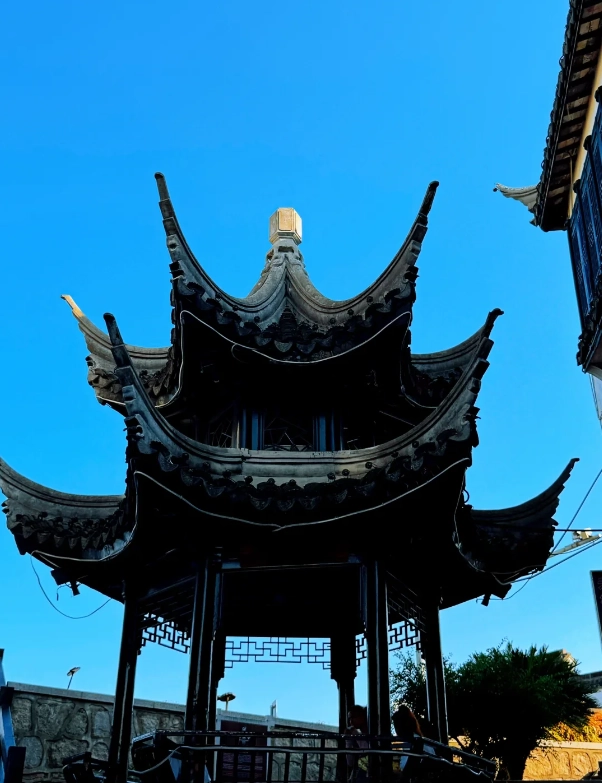
Cultural Sites and Temples
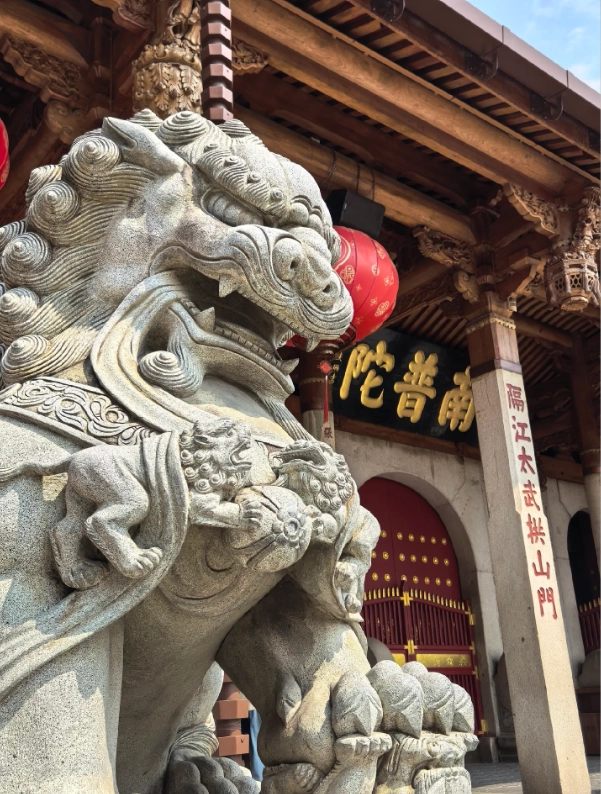
Walk inland, and you'll find a small temple dedicated to Mazu, the sea goddess. It's free to enter, open from 7:00 AM to 5:00 PM. The incense smoke mixes with the sea breeze, creating a serene vibe. Further on, there's a folk museum showcasing fishing tools, but it charges 20 CNY admission. Honestly, I skipped it—the real museum is outside, in the daily routines.
Practical Information for Visitors
Here's the nitty-gritty to plan your trip without surprises.
Insider note: The village doesn't have official opening hours—it's always open—but activities peak in the morning. Some shops close by 6:00 PM, so plan accordingly.
Admission Fees and Opening Hours
| Attraction | Admission Fee | Opening Hours |
|---|---|---|
| Jinshanzui Harbor | Free | 24/7, best at dawn |
| Morning Market | Free entry | 5:00 AM - 11:00 AM |
| Mazu Temple | Free | 7:00 AM - 5:00 PM |
| Folk Museum | 20 CNY | 8:30 AM - 4:30 PM |
Best Time to Visit
Spring (March to May) and autumn (September to November) are ideal. Summers are humid and crowded, while winters can be windy. I went in April, and the weather was mild—around 18°C. Avoid Chinese national holidays; the village gets packed, and the charm fades.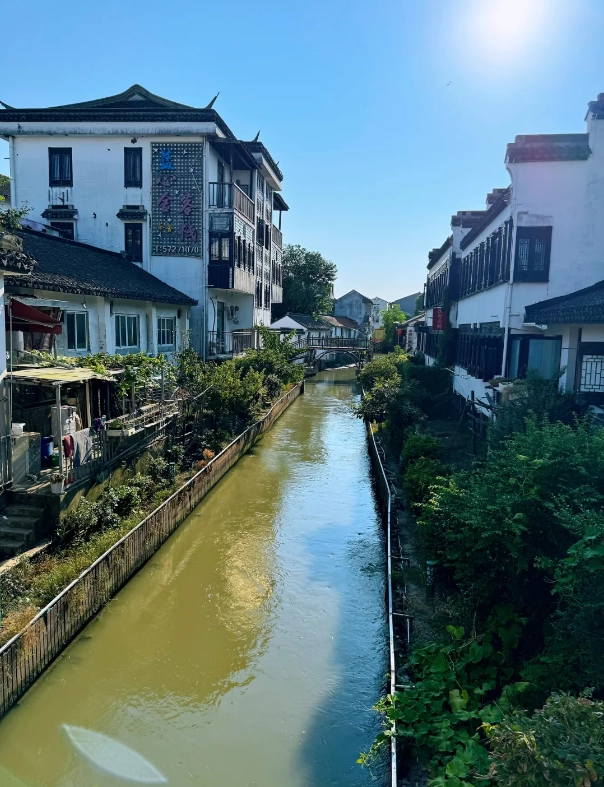
Where to Eat and Drink
Beyond Sea Breeze Cafe, try Harbor View Restaurant for grilled fish. It's pricier (dishes 50-120 CNY) but offers terrace seating. For a quick bite, street vendors sell scallion pancakes for 5 CNY each. I found one near the temple that adds a secret shrimp paste—delicious but messy.
My Personal Experience at Jinshanzui Fishing Village
I spent two days there, staying at a guesthouse run by a fisherman's family. It cost 150 CNY per night—basic but clean. The first morning, I joined a net-mending session. My fingers fumbled, but the old-timer teaching me laughed it off. That evening, I ate at a family home through a local contact; they served steamed crab with vinegar dip, a simple dish that tasted like the ocean.
Not everything was perfect. The signage is minimal, and I got lost trying to find a specific pier. Also, some areas near the water lack guardrails, so watch kids closely. But these quirks added to the authenticity. I left with salt on my skin and a better understanding of coastal life.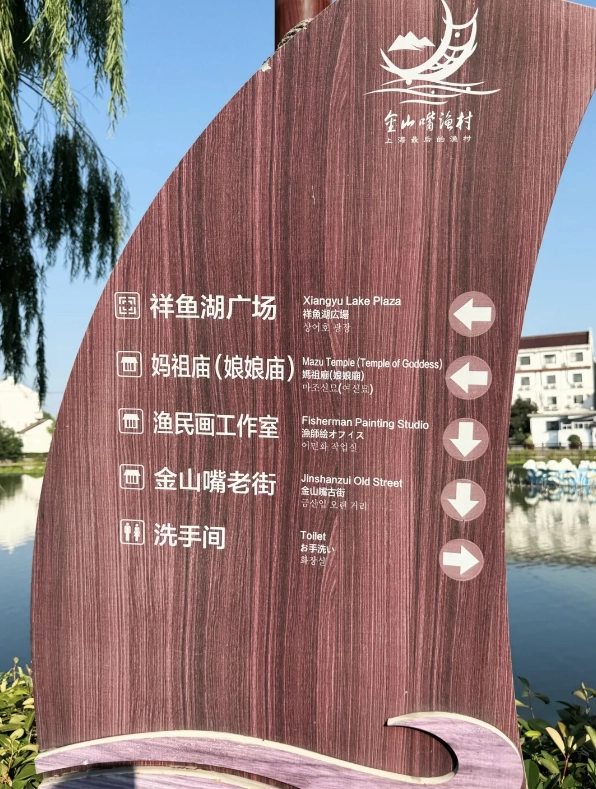
FAQ About Jinshanzui Fishing Village
 Can I buy fresh seafood to take home from Jinshanzui?
This article has been fact-checked based on personal visits and reliable sources like the Zhoushan Tourism Bureau. Information is current, but always verify details locally as conditions can change.







Magical place. We arrived just before sunset, and the whole village turned golden. The reflections of the fishing boats in the calm water were postcard-perfect. We took a short boat ride with a local grandpa—he told stories about storms and big catches while his grandson steered. It felt like stepping into a painting. Grabbed some grilled prawns from a vendor by the dock, and they were incredible. If you’re looking for an authentic, peaceful slice of coastal life, Jinshanzui is it. I’d go back in a heartbeat.
This little gem totally exceeded my expectations. I came expecting just another tourist trap, but Jinshanzui has soul. The narrow alleys are lined with drying squid and starfish—the locals are happy to chat about their work. I spent an hour just sitting on the pier watching the tide come in. There’s a tiny temple tucked behind the shops that’s worth a peek, too. The fried oysters from a street cart were surprisingly fresh and cheap. Perfect for a relaxed afternoon away from the crowds. Highly recommend.
Absolutely loved Jinshanzui! I’m a sucker for authentic coastal villages, and this one delivered. Woke up early to watch the fishing boats come in—the smell of brine and diesel, the shouts of fishermen unloading their catch, it’s raw and real. I had the best steamed crab of my life at Auntie Chen’s little shack near the pier. The owner even showed me how to crack it properly. Prices were fair, and the people were warm. If you want a taste of real fishing life, don’t skip this place. 5 stars, no hesitation.
Decent spot for a half-day stop. I liked the wooden boardwalk that runs along the shore—great for photos with the boats and the sunset. Some of the old buildings have real character, though a few are crumbling. The local lady selling homemade shrimp paste was super friendly and let me taste before buying. My main gripe is that there’s almost no shade, and we visited on a hot afternoon. Bring water and a hat. I’d give it a solid 4 if they added a few benches and maybe a map.
Honestly, I wasn’t blown away. The entrance to Jinshanzui Fishing Village is charming with all the hanging nets and dried fish, but the main street felt way too commercial—every other stall sells the same fried squid and shell trinkets. We walked the whole place in under 40 minutes. Maybe if you’re into speed-touring tiny villages, it’s fine, but I expected more authentic fishing culture. The seafood at one of the waterfront restaurants was lukewarm and overpriced too. Wouldn’t go out of my way again.
The highlight was definitely the fresh shrimp and mantis prawns – they were sweet and bouncy. The family-run stall we ate at had a lovely seaside deck with gentle breezes. Portions were a bit small for the price, and I wished they offered more side dishes. But the atmosphere more than made up for it. Great for a relaxed lunch if you’re in the area.
If you want an authentic slice of coastal life, this is it. We took a short boat ride with a local fisherman and saw how they haul in the morning catch – such a cool experience. The village feels untouched by big tourism, and the air smells of salt and seaweed. I had a simple steamed fish with ginger that was perfect. Quiet, peaceful, and genuinely charming. Highly recommend for anyone seeking something real.
Honestly, I was a little let down. I’d heard rave reviews, but the place felt overcrowded even on a weekday. The seafood was decent but nothing mind-blowing – the grilled fish was a tad dry. And for a simple bowl of noodles, I paid almost the same as a proper restaurant back home. The vibe is nice if you manage to find a quiet corner, but for the price, I expected more.
The seafood here is top-notch, no doubt about it. I loved the steamed crab and the clam chowder. The village has a nice rustic charm with wooden walkways along the shore. My only gripes: the public restrooms were a bit grimy, and the prices for drinks were way higher than in town. Still, a solid 4-star experience overall.
Absolutely stunning spot! We arrived just before sunset and the sky turned into a riot of oranges and pinks reflecting off the fishing boats. The seafood was incredibly fresh – I had the grilled squid and it practically melted in my mouth. The local fishermen were super friendly and even showed us how they mend their nets. A perfect day trip from the city; I’d go back in a heartbeat.
Jinshanzui is nice for a quick visit, but I felt the experience was overhyped. The seafood was decent but nothing extraordinary — my fried prawns were a bit greasy. The village is very small and the souvenir shops sell the same stuff everywhere. Parking was a nightmare on Saturday afternoon. It's okay for families with kids, but if you've been to other fishing villages in Zhejiang, this one doesn't stand out. Three stars — acceptable but not memorable.
This place is a hidden gem! I came on a weekday afternoon and basically had the whole village to myself. The preserved old houses are lovely, and there's a small museum about fishing culture that's free to enter. Had the best grilled mackerel of my life from a tiny family-run stall. The owner even showed me how they smoke the fish. Friendly locals, great food, beautiful views. Highly recommended.
I had high hopes but left feeling a bit underwhelmed. The village itself is scenic, but many of the seafood restaurants seemed overpriced for what you get — a plate of stir-fried clams cost 68 yuan, and they were tiny. Also, there's not much to do besides eat and take photos. We finished everything in under two hours. Might be better if you're just passing by, but I wouldn't make a special trip.
If you're looking for a peaceful seaside getaway with authentic local flavor, this is it. The sunrise over the fishing port is absolutely stunning. I loved walking along the boardwalk and watching the fishermen repair their nets. The local dried fish snacks are a must-try — we bought a big bag to take home. The atmosphere is laid-back, not too touristy. Definitely coming back next season.
Finally made it to Jinshanzui Fishing Village after seeing it on social media. Honestly, the seafood was incredibly fresh — we had steamed crabs and grilled squid right by the dock, and you could taste the sea. The narrow stone alleys are charming, though a bit crowded on weekends. The old fishing boats and drying nets give it real character. Perfect for a half-day escape from Shanghai. Just wish the public restrooms were cleaner.