 Fang Wang
Three hours. That’s how long my clients stood in line at the Shanghai Science & Technology Museum station last Saturday—just to buy a single metro ticket. Forget the glossy transit maps—if you don’t know the exact WeChat mini-program trick, you’re stuck.
Here’s the brutal truth: Shanghai’s public transport is world-class, but it’s built for locals with Chinese phones. As a foreigner, you’ll hit walls—literally. But I’ve been guiding here for eight years, and I’ve cracked the code. Let me save you the headache.
Metro Deep Dive
The Shanghai Metro is massive—16 lines, 400+ stations. It’s fast, air-conditioned, and covers everything tourists need. But it’s also a beast during peak hours (8:00–9:30 AM, 5:30–7:00 PM). I always tell my groups to avoid People’s Square station between 8:30 and 9:00 AM unless they enjoy being a sardine.
How to Ride: Three Options
| Method | Cost | Setup | Pain Level (1-5) |
|---|---|---|---|
| Single-ride ticket (cash) | 3–10 RMB | Buy at machine (accepts 5/10 RMB notes, coins). Change given. | 3 – Machines often run out of change or reject crumpled bills. |
| Shanghai Public Transportation Card (SPTC) | 20 RMB deposit + top-up | Buy at any metro service window. Cash only. Refundable. | 1 – Best option. Tap and go across all transit. |
| Metro app (Metro Shanghai) | Same as ticket | Download app, register with Chinese phone number. Needs Alipay. | 5 – Foreign SIMs usually fail. Don’t bother. |
Pro tip: The SPTC also works on buses (1–2 RMB) and the Bund ferry. Keep it handy. If you lose it, the 20 RMB deposit is gone—not a huge loss.
Metro Lines You'll Actually Use
- Line 1: Connects Shanghai Railway Station, People's Square, and Xujiahui.
- Line 2: East-West artery. Goes from Pudong Airport (note: it’s a 1-hour ride) to People's Square to Hongqiao Railway Station.
- Line 10: Best for tourists. Hits Yuyuan Garden, the Bund (East Nanjing Road stop), and Shanghai Library.
- Line 11: Goes to Disneyland (about 50 mins from city center).
I once had a family who tried to take Line 2 from Pudong Airport to the Bund with heavy luggage. Not fun. Better to take the Maglev (7–8 minutes to Longyang Road, 50 RMB) then transfer. Only if you have small bags though—Maglev has limited luggage space.
Buses: The Other Option
Buses are cheap (1–2 RMB) and cover areas the metro misses. But they’re a maze for non-Chinese speakers. Stops only show Chinese characters, and most buses don’t announce in English (though some new ones do). My rule: only use buses if you have Google Maps or Baidu Maps with real-time tracking.
If you must: SPTC works. Board from the front, tap the card on the reader, and sit. Exit through the middle door. Buses stop at every stop, so you won’t miss yours if you watch the map.
The Payment Nightmare
Here’s the thing everyone avoids saying: Shanghai runs on WeChat Pay and Alipay. Taxis, bike shares, even some ferry tickets require a scan. And to activate either, you need a Chinese bank account or a foreign card that works (Visa often fails).
What actually works? Two options:
- SPTC (Shanghai Public Transportation Card) – Covers metro, bus, ferry, and some taxis. You can top up at metro stations (cash only). It’s the foreigner’s lifeline.
- Cash – Still accepted on metro (though machines hate old notes), some taxis, and most small shops. But try to carry small bills—vendors hate 100 RMB notes for a 2 RMB ferry.
I’ve seen tourists stuck at a bike share because they couldn’t download the app. Don’t bother with bike shares unless you have a Chinese phone and Alipay. Instead, walk or take short taxi rides.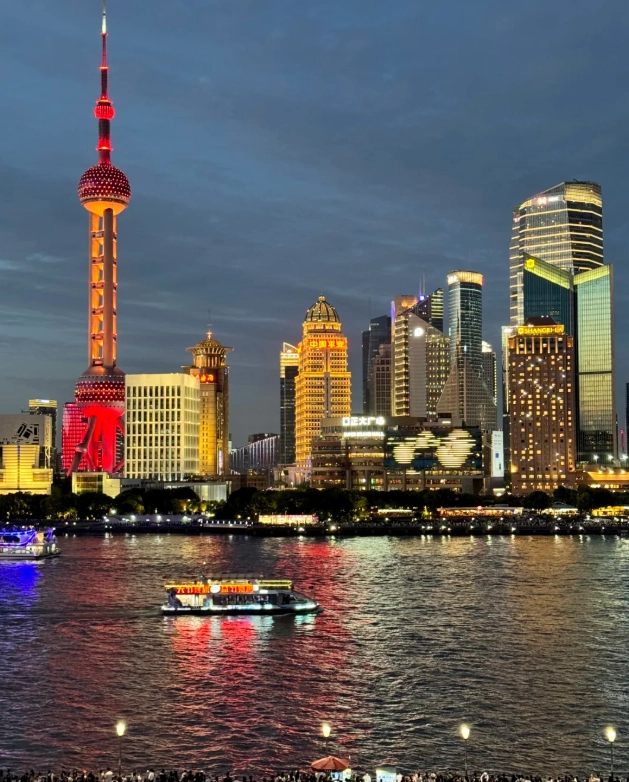
Taxis & Didi
Taxis are everywhere. Flag one down on the street. Starting fare is 14 RMB for the first 3 km, then 2.5 RMB/km. At night (11 PM–5 AM), there’s a 30% surcharge.
Biggest scam: Some drivers “forget” to start the meter. Always confirm “Please use the meter” or just get in and say “Da biao” (meter). If they refuse, get out.
Didi is China’s Uber. The English version works with foreign cards and can be set to English. You type your destination (paste Chinese characters if possible), see the price upfront, and pay via card or cash. It’s smooth. I tell my clients: use Didi for airports or when it’s raining. But avoid it during rush hour—surge pricing can double the cost.
For short hops (3–5 km), taxis on the street are faster than waiting for a Didi driver to come.
Ferry to Pudong
The Bund ferry (东金线) from Jinling East Road to Dongchang Road is the cheapest way to cross the Huangpu River at 2 RMB. It gives you a fantastic view of the skyline. The catch: it only accepts SPTC or cash (coins or small bills). No Alipay, no foreign cards.
Schedule: every 15 minutes from 7:00 AM to 10:00 PM. For the best light, take the 4:30 PM crossing when the sun hits the Pudong towers. Avoid weekends—tourists swarm. I always bring my group on Monday mornings; it’s nearly empty.
If you miss the ferry, the Bund Sightseeing Tunnel is a ripoff at 50 RMB for a gimmicky light show. Skip it.
Bikes & E-scooters
Shanghai’s bike share programs (Mobike, HelloBike, Didi Bike) are everywhere. But you need to download the app, register with a Chinese phone number, and link Alipay (which again requires a Chinese bank). For most tourists, it’s a closed loop.
If you have Alipay Tour Pass (a prepaid card for foreign tourists), you might be able to use it. But I’ve seen it fail at the unlock step. Not reliable.
E-scooter rental? Avoid. They require a Chinese license and are technically illegal for tourists. I’ve seen police stop riders. Stick to metro and taxis.
Insider Tips
- Charge your phone. You’ll use maps constantly. Bring a power bank.
- Get offline maps. Download Baidu Maps or Gaode (Amap) offline. Google Maps works but lags in tunnels.
- Metro exit numbers matter. Many stations have 12+ exits. I always say to meet at “Exit 3, line 2, Shanghai Metro” for a reason—it saves 10 minutes of wandering.
- Avoid the South Gate of People’s Square station. The escalator is always broken. Go to the East Gate.
- Use the Airport Express Line (Line 2) from Pudong. It’s not the Maglev, but it’s cheaper and direct. For Hongqiao, Line 10 is your best bet.
- Know the last train times. Metro stops by 10:30–11:30 PM depending on line. After that, only taxis or night buses.






No comments yet.