 Lei Li
Quick Navigation
Three hours. That's how long my clients waited in the sun at the South Gate of the Forbidden City last week. Forget the glossy brochures—if you don't know the exact WeChat mini-program trick, you aren't getting in. But once you master the Beijing metro, you'll bypass half the stress. Here's exactly how to skip the queues, handle the payment nightmare, and see the real Beijing without losing your mind.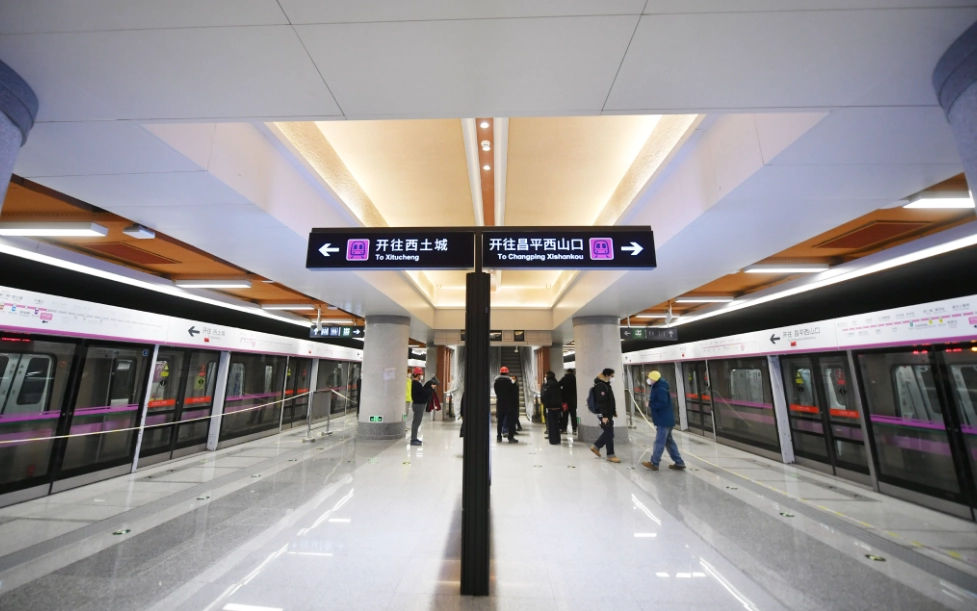
Why the Beijing Metro is Your Best Bet
Yes, Didi (the local Uber) is cheap. Yes, taxis exist. But in a city of 21 million people, traffic jams are brutal—especially near tourist spots. The Beijing metro (subway) covers 27 lines and 400+ stations. It's fast, air-conditioned in summer, and signs are bilingual in Chinese and English. Most importantly, it connects every major attraction. I've been guiding here for six years, and I always tell first-timers: learn the metro first, explore the rest later.
Buying Tickets: The WeChat Nightmare (and How to Beat It)
Let me save you from a common frustration: the ticket machines accept only Chinese mobile payment (Alipay/WeChat) or cash. If you don't have a Chinese bank account, setting up WeChat Pay is a pain—requires a local card and identity verification. So what's the workaround?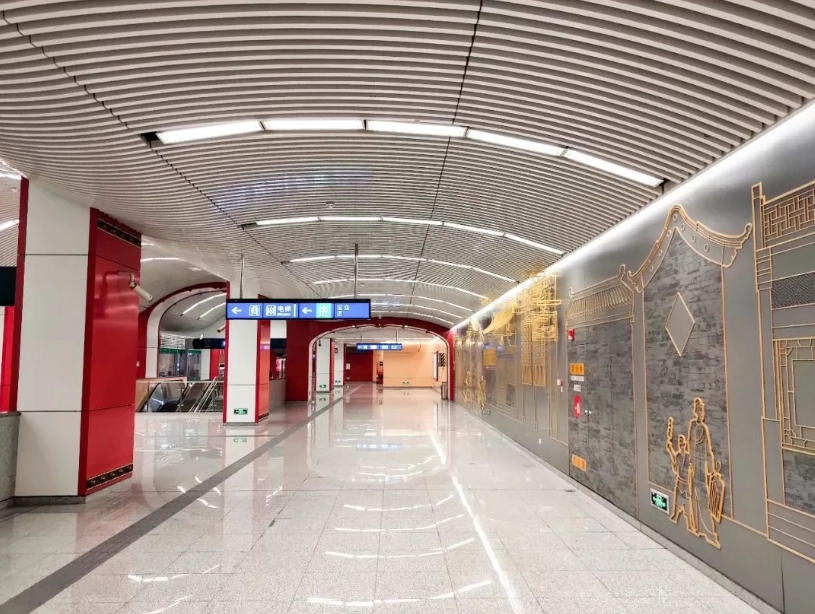
Option 1: Single Trip Ticket with Cash
Every station has a ticket window. Just queue up and hand over cash. Say the station name (or show it on your phone). They'll give you a plastic token—tap it at the gate to enter, drop it in the slot to exit. Simple, but the line can be 10–15 minutes at busy stations like Tiantandongmen (Temple of Heaven).
Option 2: Beijing Subway Pass (Yikatong)
Buy a stored-value card at any station ticket counter. Deposit is ¥20, then load ¥50–¥100. Tap in and out—no more queuing. You can also use it on buses, and even for some convenience store purchases. To get your deposit back, return the card at major stations (like Dongzhimen). Catch: refund machines often have long lines. I recommend keeping the card as a souvenir—it's only ¥20.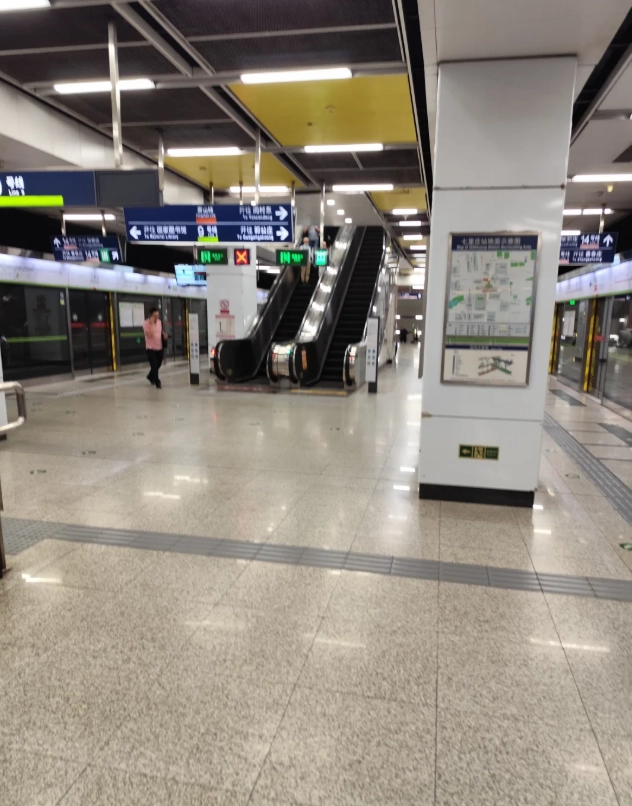
Option 3: Alipay Transport Feature
If you have an international credit card, you can link it to Alipay (download app, use 'Transport' feature). But the setup is finicky—you'll need a foreign passport upload for verification. It works for most tourists now, but I've had clients stuck for 20 minutes at the airport trying to register. My advice: prepare at home before departure.
Top Lines for Tourists
You don't need to learn all 27 lines. Here are the ones I use daily with clients:
| Line | Stations You'll Use | Attractions |
|---|---|---|
| Line 1 | Wangfujing, Tiananmen East, Guomao | Forbidden City, Tiananmen Square, National Museum |
| Line 2 | Jianguomen, Dongzhimen, Xizhimen | Dongzhimen night market, Lama Temple (transfer), Bell Tower |
| Line 4 | Beigongmen, Yuanmingyuan, Peking University East Gate | Summer Palace, Old Summer Palace, Peking University campus |
| Line 5 | Yonghegong (Lama Temple), Tiantandongmen | Lama Temple, Temple of Heaven |
| Line 10 | Haidian Huangzhuang, Guomao, Panjiayuan | Panjiayuan antique market, Sanlitun (transfer line 2) |
Transfer stations note: For changing from Line 1 to Line 2 at Jianguomen, you'll walk about 5 minutes underground—follow the signs. At Xizhimen (Line 2 & 4), it's a 10-minute walk through a shopping corridor. Avoid this transfer with heavy luggage.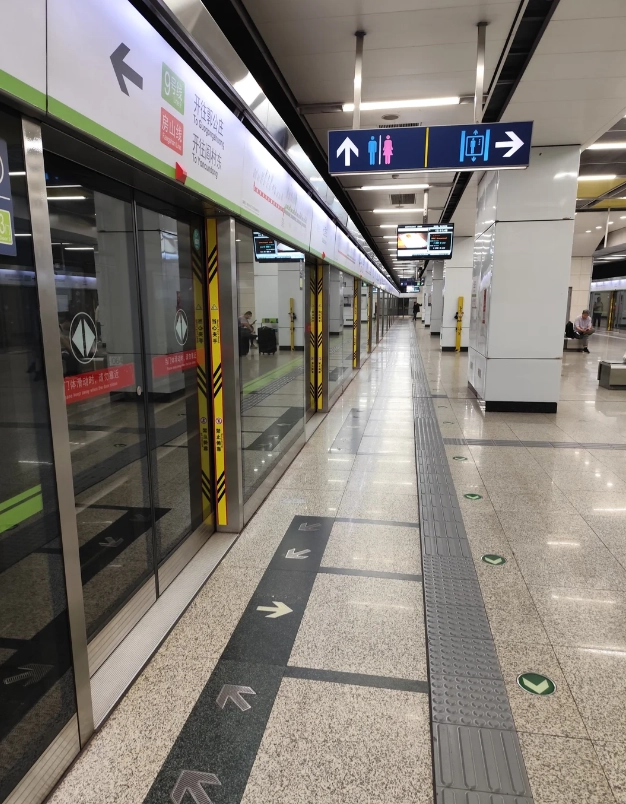
Key Stations & Exit Tips for Major Attractions
Here's where most online guides fail: they tell you the station, but not which exit. Let me fix that.
Forbidden City & Tiananmen Square
Use Tiananmen East (Line 1), Exit A or B. Exit C puts you right in front of the Meridian Gate entrance. Avoid Tiananmen West station—Exit A leads to a security checkpoint that's always packed. I always tell my clients: walk from Tiananmen East exit, cross the underground tunnel, and you'll be at the south gate queue in 3 minutes.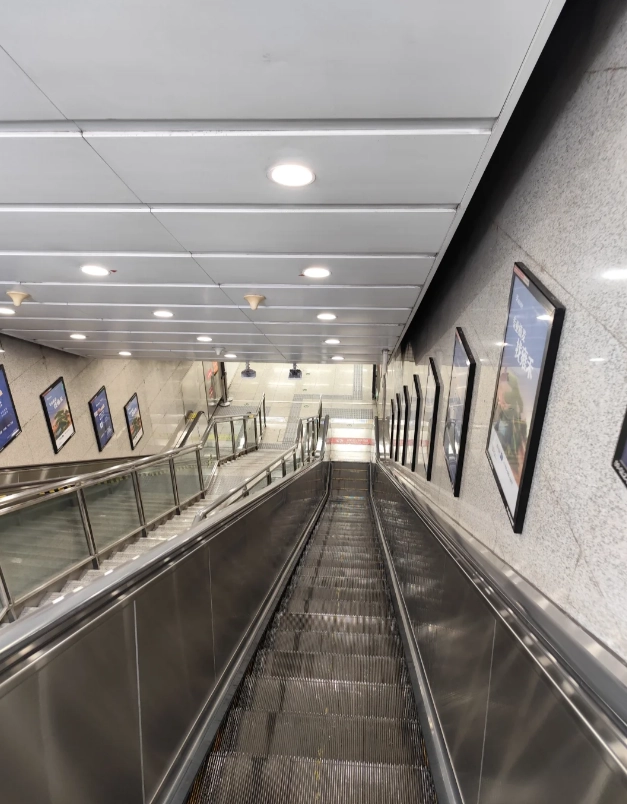
Summer Palace
Take Line 4 to Beigongmen. Exit D is closest to the North Gate—that's your best bet for a less crowded entry. But if you want the iconic view of the lake, go to East Gate (Xiyuan station Line 4, then bus or taxi 10 minutes). The North Gate leads you through the hill area first.
Lama Temple (Yonghegong)
Line 5, Yonghegong station. Exit C is right at the ticket entrance. Heads up: the exit escalator is often under maintenance—take the stairs if you're fit, or wait for the crowded elevator.
Great Wall (Badaling)
Yes, you can get there by metro + train. Take Line 13 to Xizhimen, then transfer to Line 4 (direction of Anheqiao North) to Haidian Huangzhuang—wait, that's complicated. Actually, the official way: take Line 2 or 4 to Xizhimen, then walk to Beijing North Railway Station (connected underground). Buy a ticket for the S2 train to Badaling (¥6–¥12). The train takes 80 minutes and runs 4–6 times daily. Catch: check the schedule on China Railway 12306 app (English version available), or use Trip.com. I've had clients show up at 10am and the next train is 2pm—plan ahead.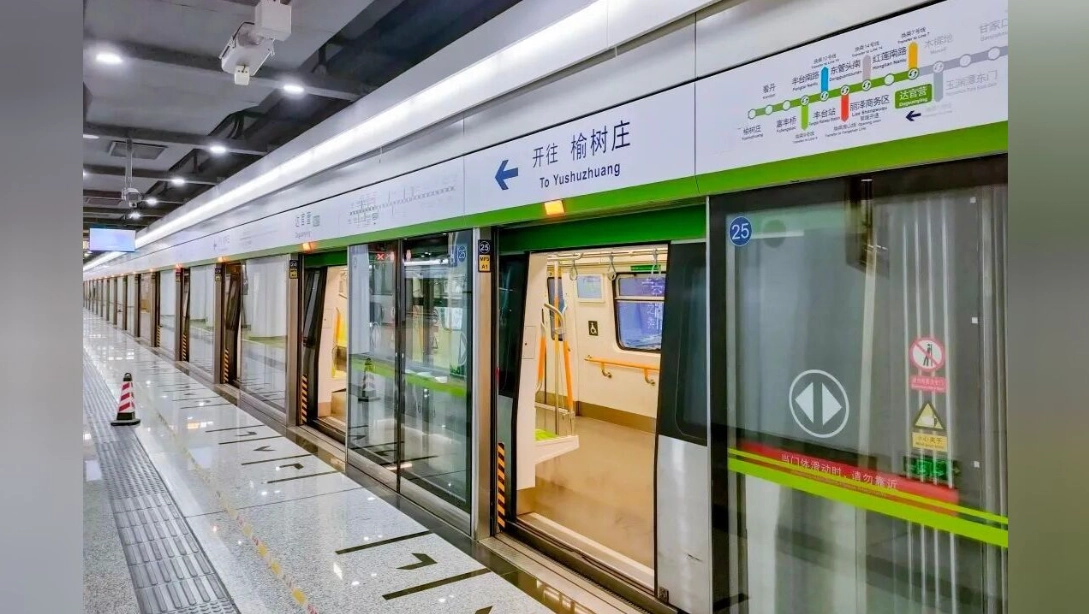
Avoiding Peak Hours: When to Ride (and When to Run)
Weekdays 7:30–9:30 AM and 5:00–7:30 PM are utter chaos. Line 1, Line 2, and Line 10 become sardine cans. I once saw a bag get stuck in the closing doors for three minutes. If you must ride during peak, stay away from the central car where the doors are; walk to the ends of the platform—the end cars are always less crowded. Also, avoid taking large luggage during peak—you'll get nasty stares.
For sightseeing, try to start around 9:30 AM (after local commuters) and finish your last attraction by 4:30 PM to avoid the evening rush. Sunday mornings are surprisingly peaceful.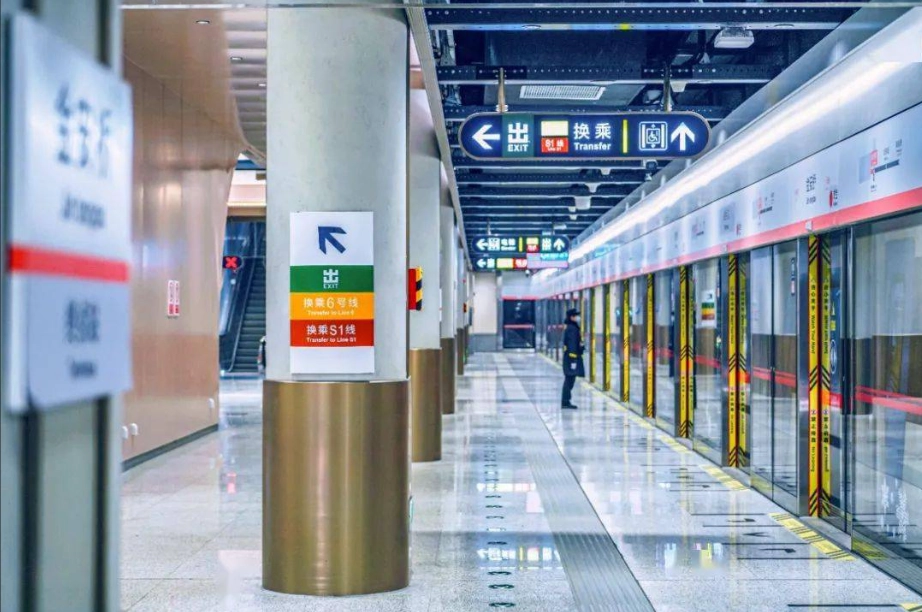
FAQs on the Beijing Metro Guide
Verified and fact-checked by the editorial team. This content has been fact-checked to ensure informational precision.





No comments yet.