 Lei Li
Quick Navigation
Three hours. That's how long my client waited last week because he didn't know the subway was 19 minutes. Daxing Airport is massive—and if you don't come prepared, you'll waste time. I've been guiding travelers through this terminal since it opened, and I've seen it all. Here's the real deal: the fastest way is the Daxing Airport Express from Caoxiao. Skip the taxi unless you're rich or in a group. Now, let's get you through this airport without the headache.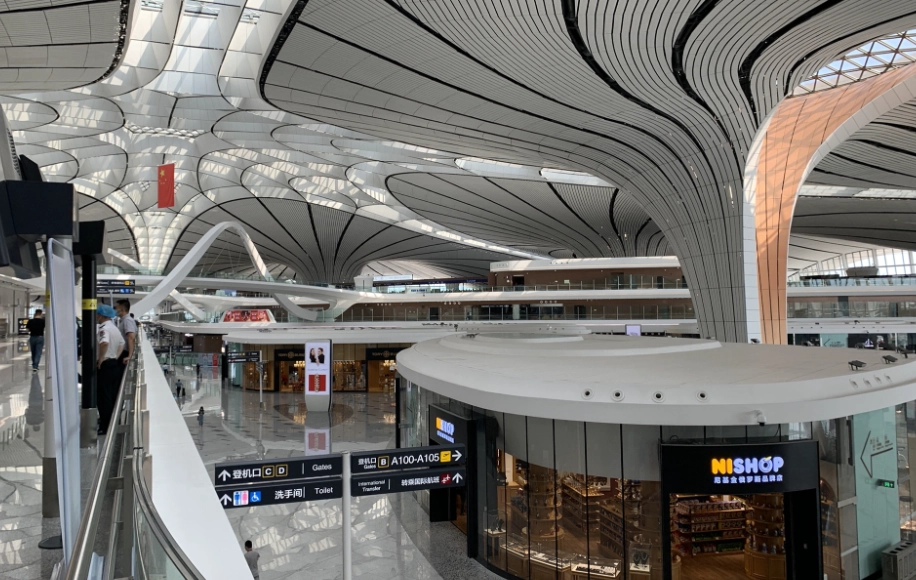
How to Get to and from Daxing Airport
Getting to the city center is easier than you think, but only if you pick the right mode. Let me break down your options.
Daxing Airport Express (Subway)
This is my go-to recommendation. It runs from Caoxiao Station (Line 10) to the airport in just 19 minutes. A single ticket costs 35 RMB. Trains depart every 8-10 minutes from early morning to late night. The last train from the airport to Caoxiao is around 22:30, so if your flight lands after that, you'll need a taxi. Pro tip: Buy your ticket via the Yitongxing app to skip the line, or use Alipay's transport feature.
Airport Buses
Several routes connect Daxing to major hubs like Xidan, Zhongguancun, and Beijing West Railway Station. Fares range from 40-50 RMB, and the journey takes about 60-90 minutes depending on traffic. Buses run every 30 minutes from 5:00 to 23:00. But honestly, I only recommend the bus if your hotel is near a stop and you have heavy luggage—the subway is just faster.
Taxis and Ride-Hailing
A taxi to the city center will cost around 150-200 RMB, and during rush hour, it can take over an hour. Didi (the Chinese Uber) is widely available, but make sure you set the pickup zone correctly—there are specific lanes for ride-hailing. Watch out: Many taxis don't accept credit cards, so carry cash or use Alipay.
High-Speed Train?
Yes, Daxing Airport has its own high-speed rail station underneath the terminal. It connects to places like Tianjin and Xiongan. Very convenient if you're heading south, but for central Beijing, the subway is better.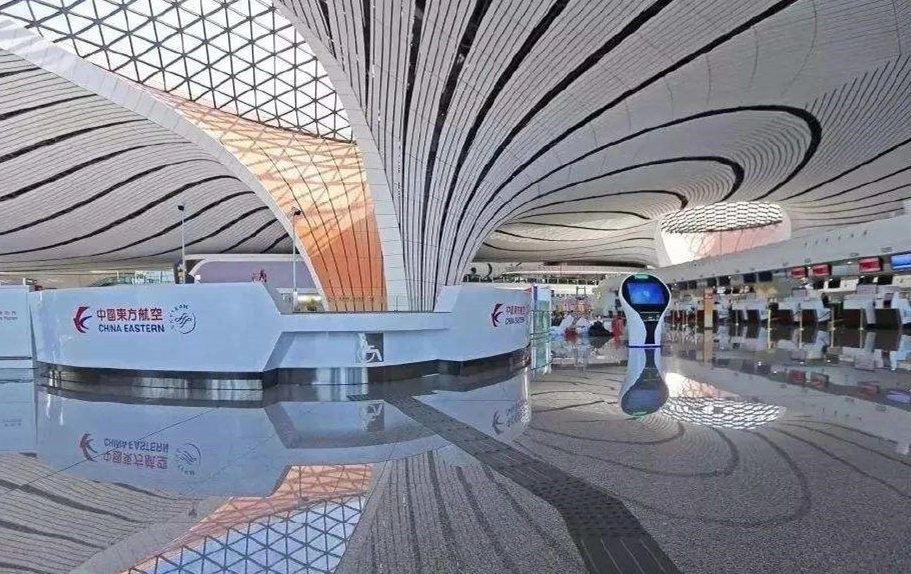
| Mode | Time to City Center | Cost (RMB) | Best For |
|---|---|---|---|
| Airport Express | 19 min | 35 | Speed & convenience |
| Airport Bus | 60-90 min | 40-50 | Budget & direct routes |
| Taxi/Didi | 50-90 min | 150-200 | Groups or late arrivals |
| High-speed rail | Varies | 30-60 | Regional travel |
Terminal Layout & Gates
Daxing's terminal is shaped like a starfish with five piers radiating from a central hub. Sounds cool, but it's easy to walk 20 minutes to your gate if you're not paying attention. Here's how to navigate it.
Check-in and Security
Domestic departures are on the 4th floor; international departures on the 3rd floor (though this may change—check your ticket). Security lines can be long between 7-9 AM and 5-7 PM. I always tell my clients to arrive 2.5 hours before domestic flights and 3.5 hours before international ones. The automated e-gates are faster, but they only work for Chinese ID holders. Foreigners must use manual counters.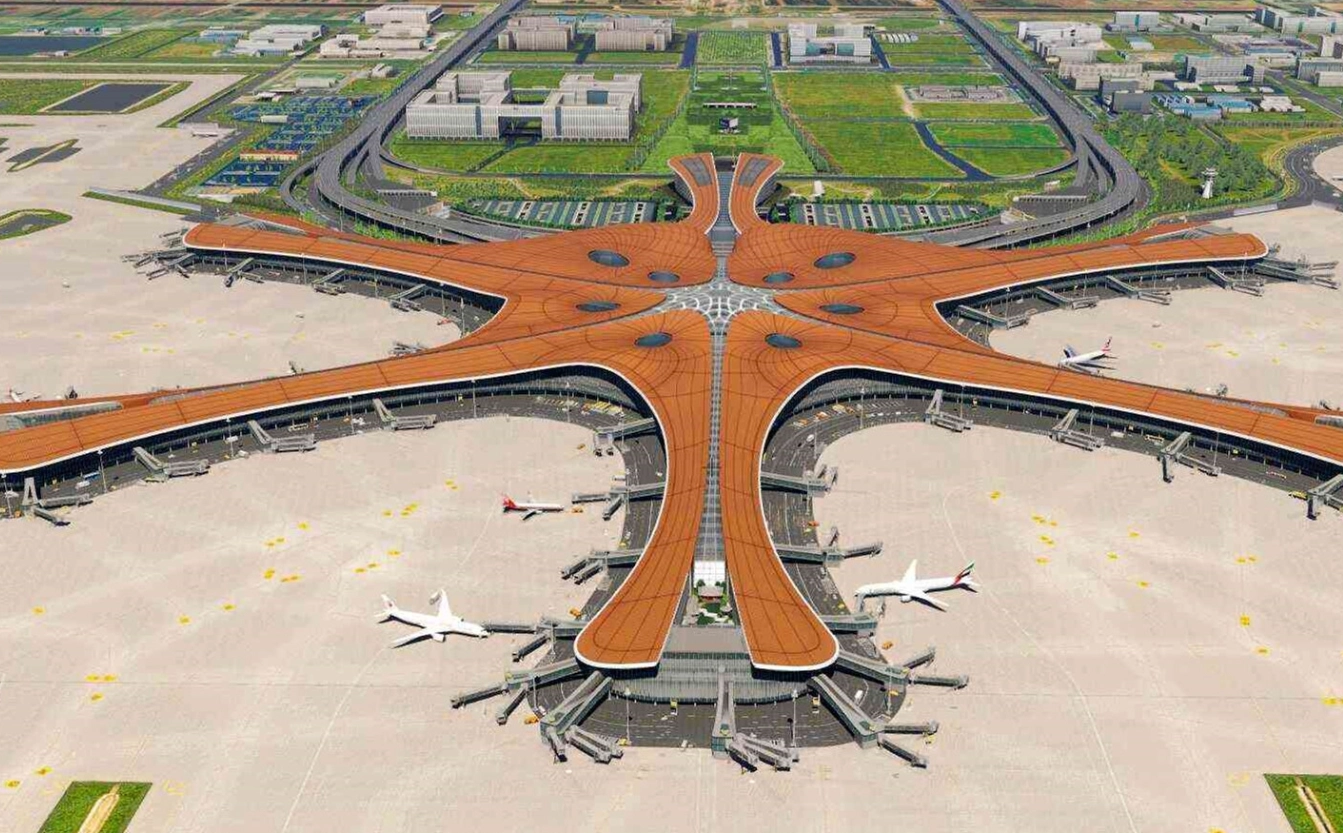
Finding Your Gate
The piers are labeled A to E. A and B are mostly domestic; E is international. The center hub has screens showing gate assignments. Don't trust your boarding pass until the last moment—gates can change. Also, the moving walkways are your friends, but the distances are still long. Wear comfortable shoes!
Lounge Access
There are several lounges: China Eastern, China Southern, and a few independent ones. Most accept Priority Pass or DragonPass. The best one is near Gate D63 (international side)—it has showers and a quiet rest area. But my favorite is the lounge near Gate A01 because it's less crowded and has great noodle soup.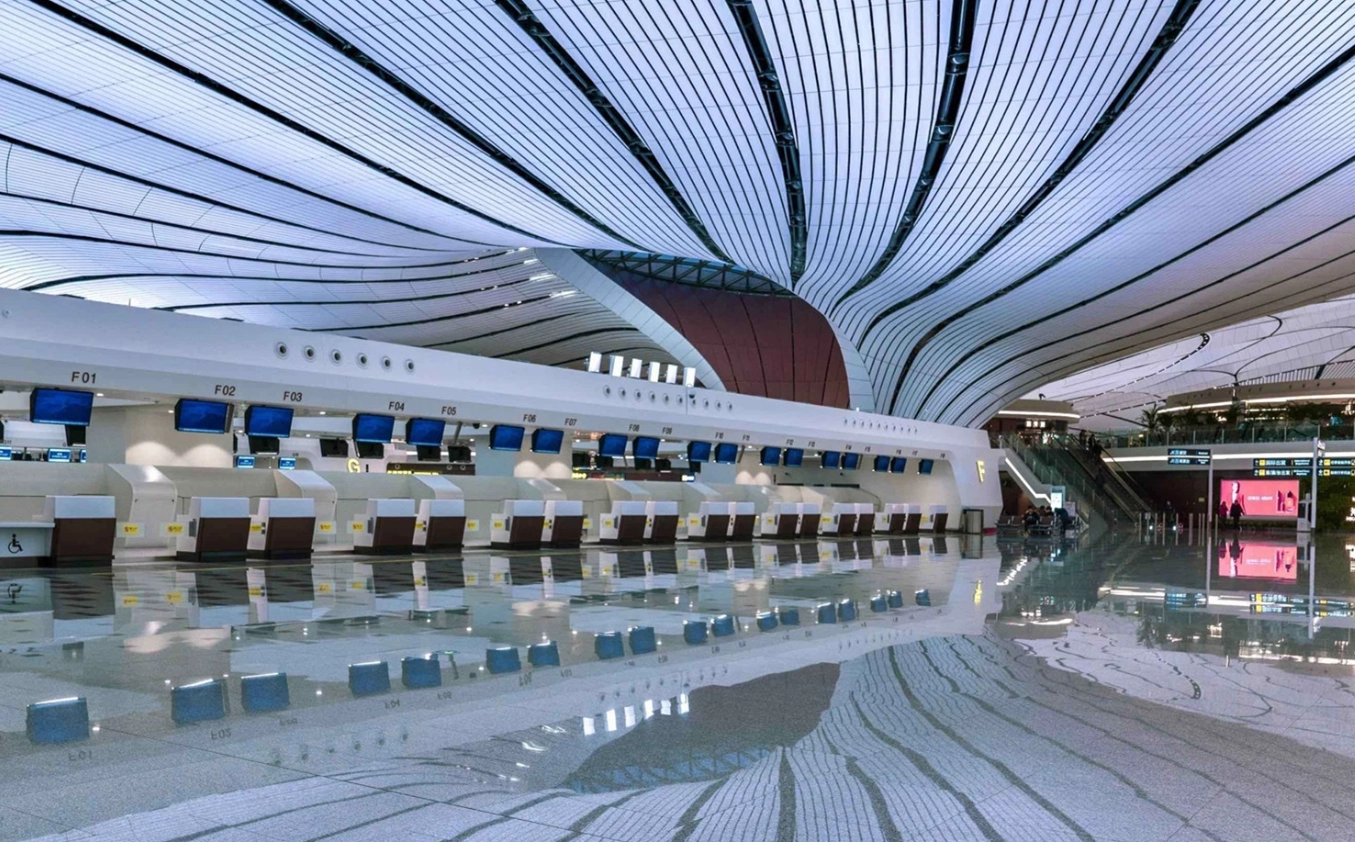
Food & Shopping
You won't starve here, but the options are a mix of high-end and fast food. Let me save you from bad choices.
What to Eat
- Quanjude – The famous Peking duck chain. Located at the center hub (4F). A half duck costs around 120 RMB. The skin is crispy, and they wrap it with pancakes. I always order the cucumber slices to cut the grease. Note: the queue can be 30 minutes during lunch.
- Malatang (Spicy Hot Pot) – There's a self-service station on the 2nd floor near Pier C. Pick your ingredients and pay by weight (about 30 RMB per 500g). Great if you want something quick and customizable.
- Starbucks – Multiple locations, but the one near Gate E61 is the least crowded. A tall latte is 35 RMB.
- BreadTalk – For a quick pastry or sandwich. Good for breakfast on the go.
Shopping Tips
Duty-free shops are in the international departure area (after security). You'll find cosmetics, liquor, and local souvenirs. Prices are comparable to downtown—but don't expect huge savings. For Chinese tea and silk, buy from the official shops, not the kiosks. Warning: Many shops close by 22:00, so if you have a late flight, restock earlier.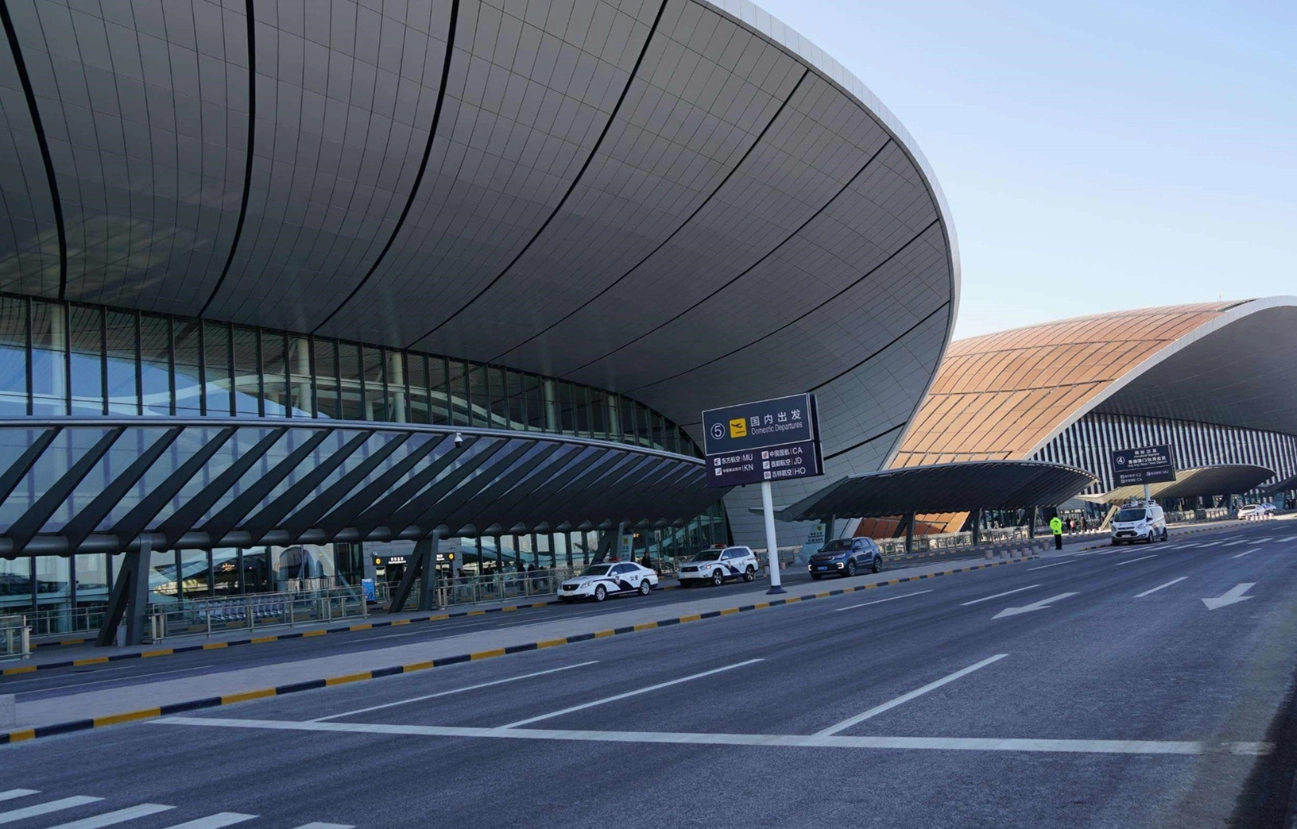
Tips for International Travelers
This is where most tourists get stuck. Let me give you honest advice.
Payment
Alipay and WeChat Pay dominate. International Visa/Mastercard work at some restaurants and shops, but not all. I always carry 500 RMB cash for taxis and small vendors. You can exchange money at the Bank of China counter on the arrival level (after baggage claim).
SIM Card & Wi-Fi
Free Wi-Fi is available throughout the terminal: connect to "#Airport-Free-WiFi" and enter your phone number to receive a verification code (it works with foreign numbers too). For a local SIM, there are China Mobile and China Unicom kiosks in the arrival hall. A 7-day tourist SIM with 10GB costs about 100 RMB. Do it here—it's much easier than finding a shop in the city.
Language Barrier
English signs are everywhere, but airport staff may not speak much. Google Maps works, but it's blocked in China—use Baidu Maps or Apple Maps. Download the translation app "Pleco" offline. I also recommend taking a screenshot of your hotel address in Chinese characters to show taxi drivers.
Visa Information
Most travelers need a visa. The 24-hour transit without visa is available if you're passing through to a third country, but you must stay airside. For Beijing's 144-hour visa-free transit, check the policy carefully—it applies to citizens of 53 countries flying directly from certain cities. Don't assume you qualify; verify with the Chinese embassy.
Common Mistakes to Avoid
I've seen these mistakes ruin trips. Learn from them.
- Entering through the wrong floor. Domestic check-in is on 4F; international on 3F. Sounds simple, but I've had clients wait in the wrong line for 30 minutes.
- Not having offline maps. Baidu Maps is the only reliable navigation in China. Download it before you land.
- Ignoring the WeChat mini-program. Many services like lounge booking or fast-track security require scanning a QR code. If you can't use WeChat, ask a staff member for help—they'll usually assist.
- Believing the taxi line. The official taxi queue can have 50+ people during peak times. Instead, head to the ride-hailing zone (follow signs for "Online Car-Hailing") and order a Didi. It's often faster and cheaper.
- Forgetting your power bank. Charging stations are scattered, but many are occupied. Bring your own battery pack—I've seen entire groups huddled around one outlet.







No comments yet.