 Yan Zhou
Let's be honest. You've seen the photo. The sharp, grey prow of Wukang Mansion cutting into a leafy Shanghai intersection, framed by sun-dappled plane trees. It's stunning. It's also just the cover of the book. I've walked Wukang Road dozens of times over the years, and the real magic happens when you put your phone down and start looking at the pages underneath. This isn't a museum street frozen in time; it's a living, breathing neighborhood where history whispers from art deco facades and the smell of fresh coffee mixes with damp moss on old garden walls.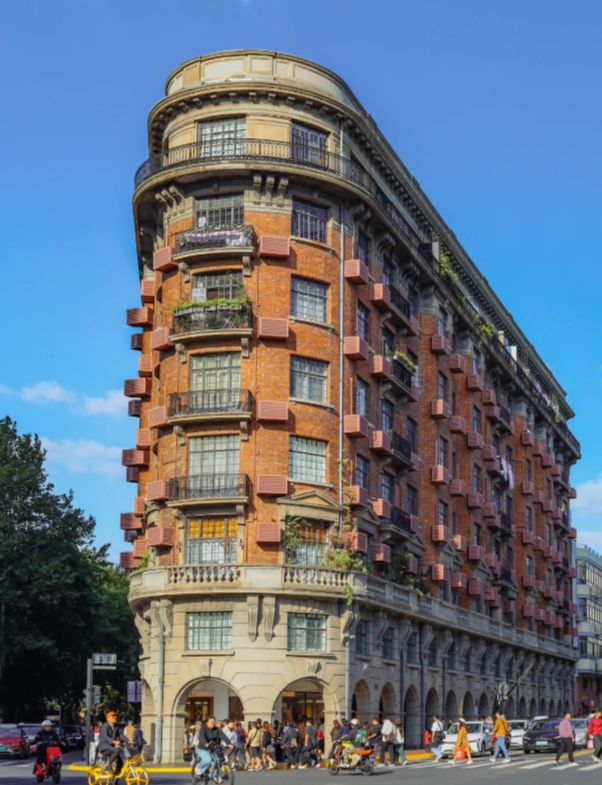
Most visitors make a beeline for that famous corner, snap their shot, and leave. They miss the quiet courtyards, the independent boutiques hiding in converted garages, and the stories etched into every brick. This guide is for those who want to walk the road, not just photograph it. I'll show you how to decode its architectural alphabet, where to find a genuinely good flat white away from the crowds, and why a Tuesday morning visit can be more rewarding than a weekend afternoon.
Your Wukang Road Walkthrough
Why Wukang Road Matters: A Short History
To understand Wukang Road, you need to know its old name: Ferguson Road. In the early 20th century, this area was the heart of the French Concession, and the road became a prestigious address for diplomats, entrepreneurs, and intellectuals. Architects, many of them foreign, were given relative freedom to experiment. The result is a condensed open-air textbook of early 20th-century styles. You get Spanish villas next to British Tudor homes, sitting across from stark modernist cubes. It wasn't planned as a gallery; it just grew, house by house, reflecting the tastes and fortunes of its residents.
Walking here feels different from the Bund. The Bund is about imperial power and banking giants. Wukang Road is about domestic life, personal wealth, and artistic expression on a human scale. The Shanghai Municipal Government recognizes its value, listing it as a Historical and Cultural Area. This isn't just a pretty street; it's a protected piece of the city's urban DNA.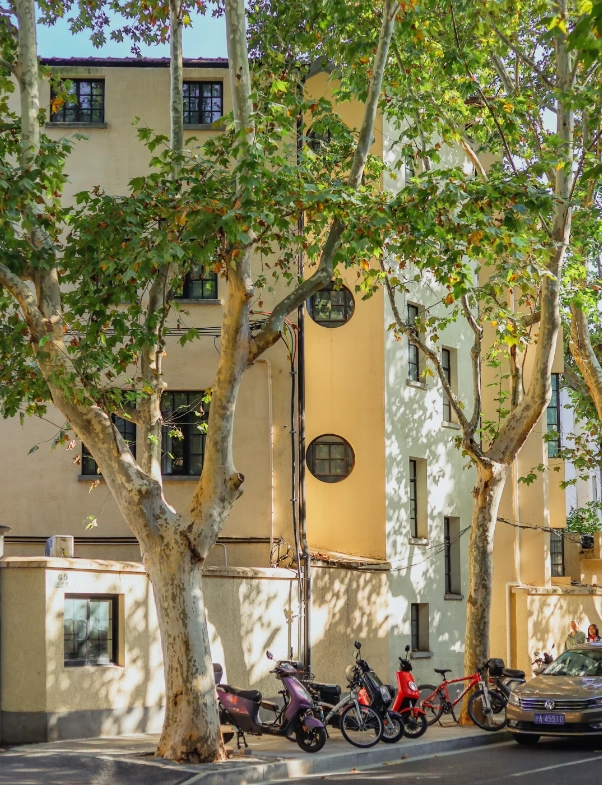
Must-See Architecture & Landmarks
Don't just glance. Stop. Look up. The details are everything. Here are the spots where your neck will get a workout from staring.
Wukang Mansion (The Normandie Apartments)
Address: 1836 Huaihai Middle Road (at the intersection with Wukang Road)
This is the star. Designed by Hungarian-Slovak architect László Hudec and completed in 1934, its ship-like form is a masterpiece of art deco streamlining. The common mistake? Only viewing it from the front. Walk down the side lanes (like Wukang Lane). You'll see the elegant curved balconies up close and get a sense of its sheer, sculptural mass. It's still a functioning apartment building, so respect the residents' privacy.
The "Romeo and Juliet" Balcony (No. 390)
This might be the most romanticized spot on the road. It's a small, wrought-iron balcony on a Spanish-style garden villa. Is it actually where a Shakespearean scene was filmed? The story is fuzzy, but the appeal is real. It's a perfect example of the whimsical, storybook architecture sprinkled throughout the area. Go early to see it without a crowd of couples waiting for their photo op.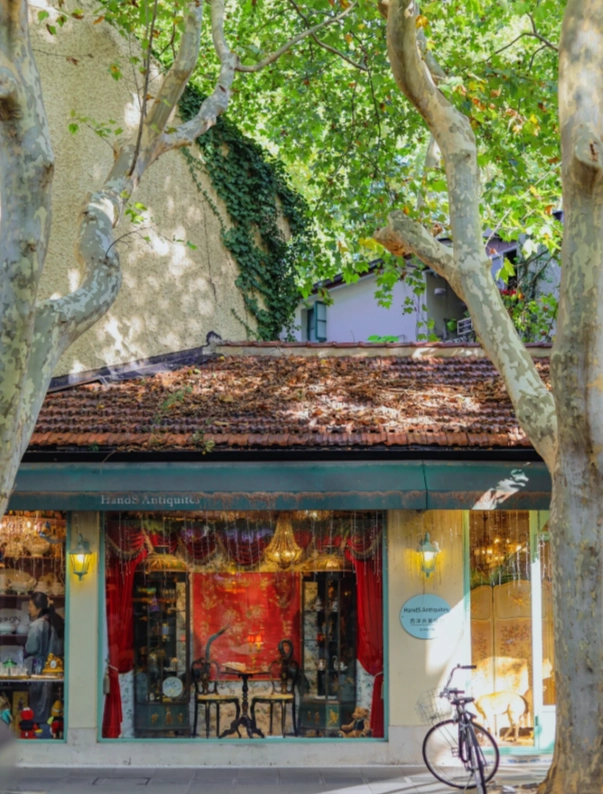
Former Residence of Huang Xing (No. 393)
This stately, yellow-walled garden residence is a shift in tone. Huang Xing was a key military leader in the 1911 Revolution that overthrew the Qing dynasty. The building is a more formal, restrained example of Western-style architecture from that revolutionary period. It's not always open to the public, but its dignified presence adds a layer of political history to the street's narrative.
Pro Tip: How to "Read" the Buildings
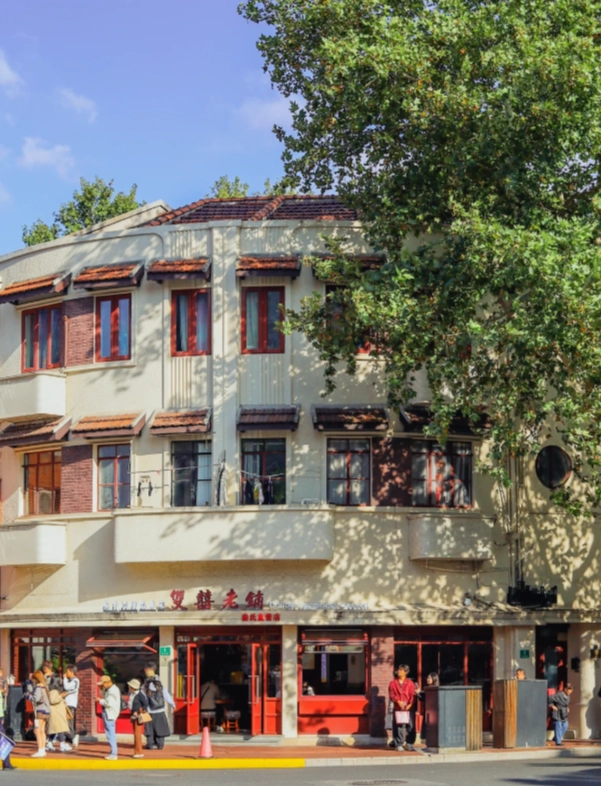
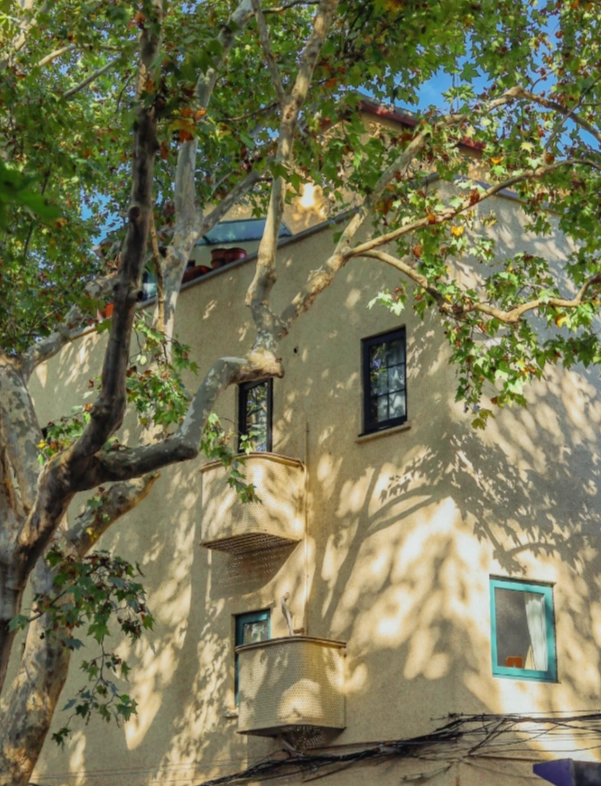
Look for the shikumen lane entrances—stone gateways leading to inner complexes. Notice the red terracotta roof tiles on Mediterranean styles. Spot the geometric stained glass and zigzag patterns on art deco facades. The mix is what tells the story. A single street can show you the architectural conversation of 1930s Shanghai.
Beyond the Mansion: Hidden Gems
Turn off the main drag. The lanes (longtang) are where the street's soul lives.
- Wukang Court (Wukang Ting): A small, triangular pocket park at the road's western end. It's a quiet oasis with a few benches, perfect for people-watching locals going about their day. You'll see men playing chess, grandparents with toddlers.
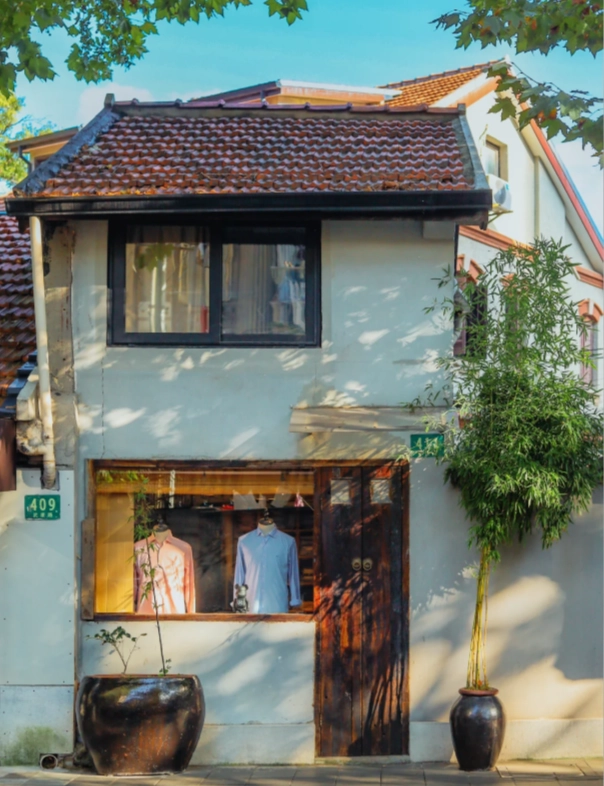
- Independent Boutiques: Scattered in ground-floor spaces of old villas, look for shops selling handmade ceramics, niche fragrances, or vintage clothing. They're hit-or-miss and can be pricey, but they're a world away from the chain stores on nearby Huaihai Road.
- Residential Lane Life: Peek (politely) into open gateways. You might see bicycles stacked against art deco stairwells, laundry hanging in a sunlit courtyard—the daily life layered over history.
Where to Eat & Drink: A Refueling Guide
The cafe scene here is intense. It's a battleground of aesthetics. Some prioritize Instagram, others the coffee. Here's my take, based on repeated visits.
| Name / Type | What to Get / Vibe | Address & Notes |
|---|---|---|
| % Arabica (Wukang Road) Cafe |
Consistently excellent espresso and lattes. Minimalist, sleek space. It's a global chain now, but the quality control is solid. | 374 Wukang Road. Always busy. The bench outside is prime real estate for watching the street flow. |
| Lokal Brunch / Cafe |
Avocado toast, smoothie bowls, decent coffee. The real draw is the gorgeous, shaded courtyard garden in the back. Feels like a secret. | 1 Lane 202, Wukang Road. Go through the ice cream shop at the front. Prices are on the higher side for brunch. |
| Baker & Spice Bakery / Casual Eats |
Reliable for a sandwich, salad, or pastry. Less atmospheric than others, but a good, straightforward refueling stop. The almond croissant is a winner. | 196 Anfu Road (near the Wukang Rd intersection). More of a grab-and-go energy. |
| Shanghai Grandma (Lao Wai Po) Shanghainese Restaurant |
For a real meal. Classic, slightly sweet Shanghainese dishes like braised pork belly (hongshao rou) and drunken chicken. Bustling, noisy, authentic. | 70 Fuxing West Road (short walk from Wukang Rd). No frills, just good food. Go with a group to share more dishes. |
My personal rule: I avoid the cafes that are only pretty. If the coffee smells burnt from the doorway, I keep walking.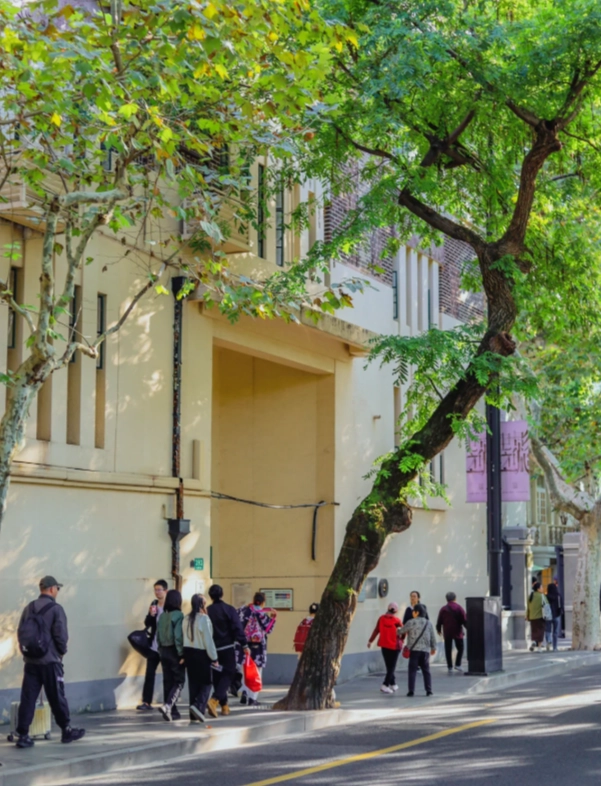
Planning Your Visit: Logistics & Tips
Getting There: The easiest way is to take Shanghai Metro Line 10 or 11 to Jiaotong University Station (Exit 7). Walk south for about 5 minutes, and you'll hit the western end of Wukang Road. From there, just stroll east towards the famous mansion.
Best Time to Visit: Weekday mornings (9 AM - 11 AM) are golden. The light is soft, the tour groups haven't fully arrived, and you can actually enjoy the tranquility. Weekend afternoons, especially sunny ones, are a zoo. The pedestrian traffic around Wukang Mansion can feel like a theme park queue.
How Long to Spend: A leisurely walk from one end to the other, with stops for photos and a coffee, takes about 2-3 hours. If you want to explore every lane and sit in a courtyard for a while, budget half a day.
What to Wear: Comfortable walking shoes are non-negotiable. The sidewalks are uneven in places, and you'll be on your feet. In summer, bring water and a hat—the tree cover helps, but Shanghai humidity is no joke.
Your Wukang Road Questions Answered
 Can I go inside Wukang Mansion or the other old villas?
 Wukang Road isn't trying to be anything. It just is. A century of stories in brick and mortar, filtered through the daily rhythms of modern Shanghai. Go for the famous corner, but stay for the quiet lane, the perfect coffee, and the feeling of tracing your fingers over a living map of the past. That's the walk worth taking.
This guide is based on personal, repeated visits and observations. Details like business hours and menus can change; it's always wise to check recent information before your visit.





This was the highlight of my Shanghai trip. Wukang Road is like a museum without walls—every building has a story, and the vibe is just so elegant and relaxed. I sat on a bench near the Wukang Mansion and just watched people walk by for half an hour. The cherry blossoms in spring must make it even more magical. I'll be dreaming about that walk for a long time. Absolutely unmissable!
Really enjoyed this walk! The history along Wukang Road is incredible—you can feel the old Shanghai charm mixed with modern style. I especially liked the section near the former residence of Norman Bethune and some of the art galleries hidden in the lanes. Only giving it 4 stars because the sidewalks can get narrow and some drivers seem to ignore pedestrians. Still, definitely worth an hour or two if you're in the French Concession area.
Good but not great. The road itself is pretty with the leafy trees and preserved architecture, but it felt way too touristy for me. Every other shop was a souvenir store or a bubble tea chain, and there were influencers blocking the sidewalk for photos. I also noticed some construction scaffolding on a few of the old buildings, which killed the vibe a bit. If you go, try to come early or on a rainy day—otherwise, prepare for crowds.
I've been living in Shanghai for three years and Wukang Road is still my go-to for a relaxing afternoon. The mix of old-world charm and trendy cafes is perfect. I stopped at a tiny coffee shop near Wukang Mansion and the barista told me the building used to be a dentist's clinic in the 1920s! Little stories like that make the walk so special. Highly recommend going on a weekday morning when it's less crowded.
Absolutely stunning! Walking down Wukang Road felt like stepping into a living postcard. The old French-style villas, the plane trees casting dappled shadows, and the little boutiques tucked between historic buildings—every corner was a photo op. I spent two hours just strolling and soaking in the atmosphere. If you love architecture, history, or just a beautiful walk, this is a must-do in Shanghai. 10/10!
Rented a bike and cruised down Wukang Road early on a weekday – pure bliss! The tree canopy creates a natural tunnel, and the breeze from the French Concession era buildings gives you the chills. Stopped at a tiny bakery near the corner of Hunan Road for an almond croissant that was divine. This is the real Shanghai soul.
Decent walk but a bit overhyped. The street itself is charming, but the shops feel very touristy and similar to what you’d find in Xintiandi. I grabbed a latte at a corner café – it was average and cost as much as a meal. Not bad, but I wouldn’t plan a whole afternoon around it.
As an architecture lover, Wukang Road was a dream! The Spanish-style villas and Art Deco details are incredibly well preserved. I particularly enjoyed the quiet stretch near the Shanghai Library. No loud music, just history whispering through the plane trees. Highly recommend visiting early morning.
Nice street with lots of photo spots, but honestly, it was way too crowded on a Saturday afternoon. I couldn’t enjoy the vibe because I was constantly dodging selfie sticks. The coffee shops were cute but overpriced. Worth a quick walk, but not the highlight of my trip.
Absolutely loved strolling down Wukang Road! The mix of old colonial buildings and trendy boutiques is just magical. I spent hours photographing the intricate facades, especially around the iconic Wukang Mansion. The fall leaves made it even more picturesque. A must-do for any Shanghai visitor!
Decent walk but overhyped in my opinion. The street itself is nice but after 20 minutes you've basically seen it. Most of the buildings are behind gates or walls so you can't really get close. Also the constant scooters on the sidewalk were annoying. Would still recommend if you're in the area, but don't go out of your way.
Best decision I made all trip. Started early around 8am when the street was quiet – magical. The mix of French colonial and Shanghai modern is stunning. Stopped at a tiny bakery for a croissant and just watched the city wake up. No entrance fees, no queues, just pure atmosphere. This is what travel should feel like.
I really wanted to like this more than I did. The architecture is beautiful – no doubt – but the whole experience felt a bit too curated and touristy. There were guided groups everywhere, and some of the 'historical' plaques were hard to read. If you're a serious history buff, you might find the info superficial. Good for a quick photo op though.
Absolutely fell in love with this stretch of street. Every corner feels like a postcard – the autumn leaves were falling as I walked past the iconic Wukang Mansion, and I grabbed a flat white at a tiny window cafe. It's like stepping into a movie set, but with real history. Can't recommend it enough for a lazy afternoon wander.
Stumbled upon this walk while looking for something off the beaten path. The old villas and plane trees are gorgeous, but honestly the pavement was a bit crowded on a Saturday afternoon. Still, the mix of art deco buildings and trendy cafes makes it worth a slow stroll. Just wish there were fewer selfie sticks in my line of sight.