 Qiang Huang
Let's get straight to it. If you want to see where Shanghai's contemporary art scene actually lives and breathes, beyond the glossy museums, you go to M50. Forget the sterile white cubes for a moment. This is about wandering through converted factory buildings, smelling oil paint and welding fumes, and stumbling into an artist's studio mid-creation. I've lost count of my visits over the years, and each time I find something new—a hidden staircase, a gallery that wasn't there last month, a sculptor willing to chat over tea. It's the most genuine art experience the city offers.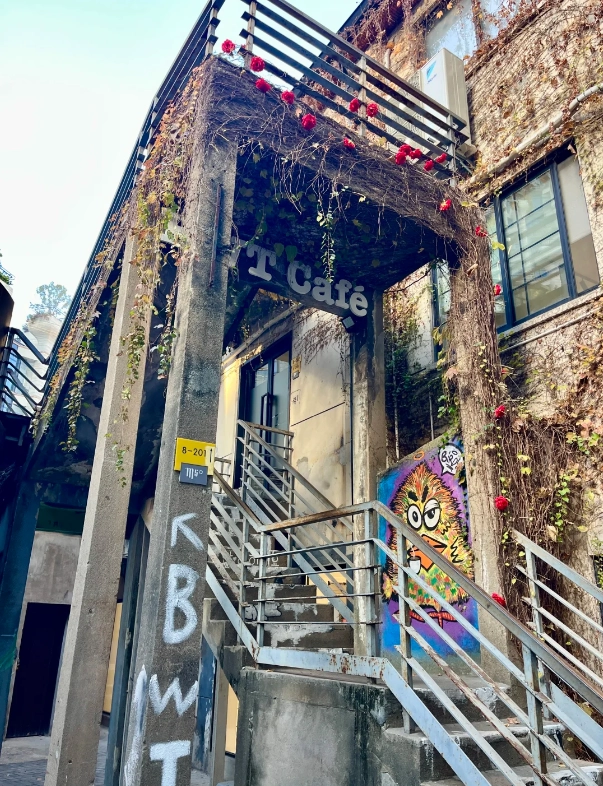
Your Quick Guide to M50
The Basics at a Glance: M50 is located at 50 Moganshan Road, Putuo District, Shanghai. It's open daily, typically from 10:00 AM to 6:00 PM, though individual gallery hours vary. The best part? Entry to the complex itself is completely free. You only pay if you enter a specific exhibition that requires a ticket, which is rare.
The M50 Essentials: Address, Hours & Getting There
The address is simple: No. 50, Moganshan Road. It sits right on the bank of Suzhou Creek, which gives the whole area a specific, slightly gritty atmosphere. The official opening hours are loose. The gates are open from early morning until late, but the galleries and studios keep their own time. Most open around 10 or 11 AM and start closing up by 6 PM. Mondays are the classic risk—many places might be closed.
Getting there is straightforward. The closest metro station is Zhenping Road on Line 3/4/7. Take Exit 1 and walk west along Changshou Road, then turn onto Moganshan Road. It's about a 12-minute walk. You'll know you're close when the architecture shifts from sleek apartments to low-slung, brick industrial buildings. A taxi can drop you right at the main entrance on Moganshan Road.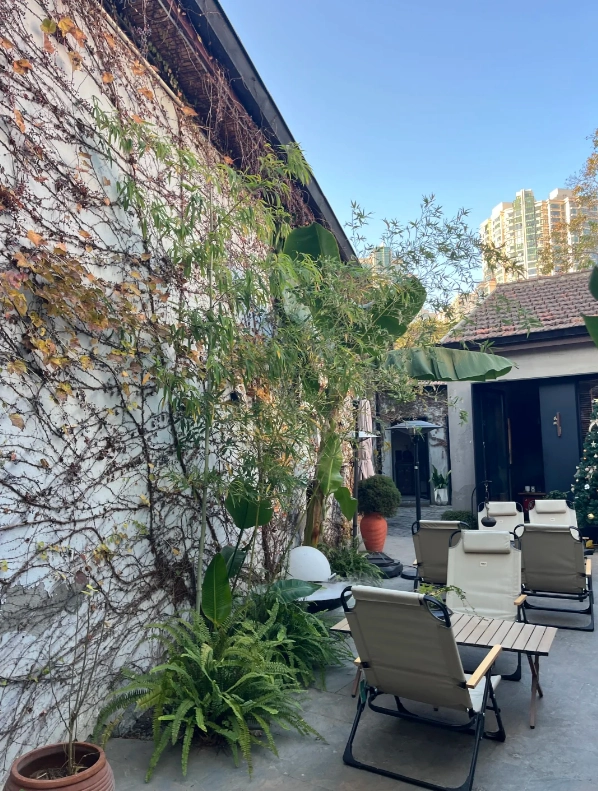
My personal pro-tip? Don't just go to the main entrance. Enter from the smaller gate along Suzhou Creek. The walk along the creek, past murals and rusting machinery, sets the mood perfectly.
Navigating the M50 Maze: A Sector-by-Sector Breakdown
M50 isn't one building; it's a cluster of old textile mill structures. It feels like a labyrinth. Most visitors stick to the main alleys and miss half of it. Here’s how I mentally map it.
The Central Courtyard & Main Street
This is the busiest area. You'll find established galleries like ShanghART and M97 Gallery here. It's polished, well-signed, and where the weekend crowds congregate. Good for a first impression, but it can feel a bit commercial.
The Northern Warehouse Blocks
Head north, past the central area. The buildings get rougher, the signage sparse. This is where you find the real working artist studios. Doors are often open. You might see a ceramicist at her wheel or a painter stretching a canvas. The vibe is less "gallery" and more "workshop." This is my favorite section. The art here feels less finished, more alive.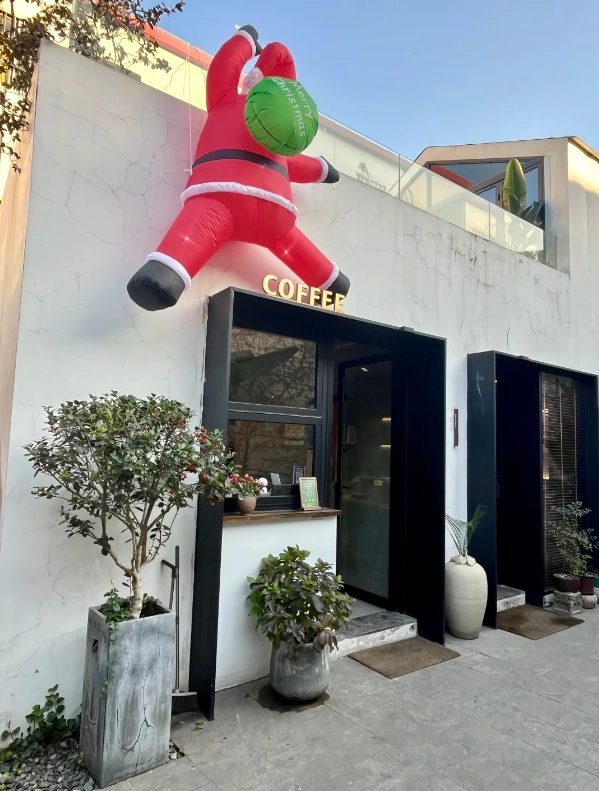
The Riverside Strip
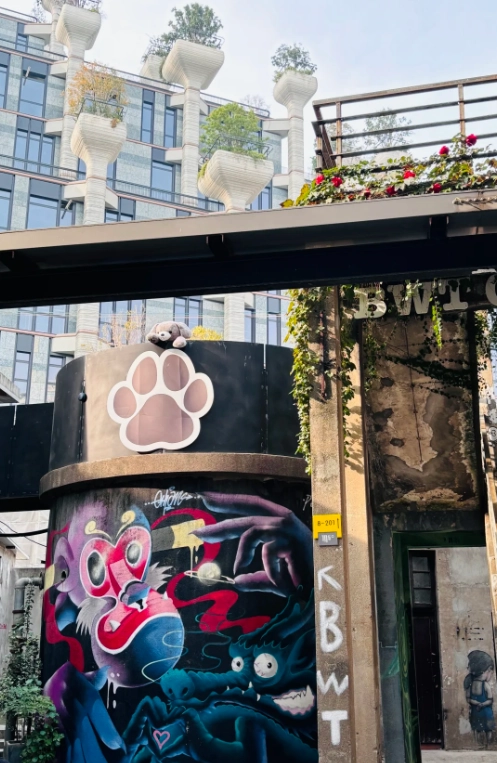
Following the path along Suzhou Creek. It's quieter. Several cafes and design shops have popped up here, taking advantage of the view. It's a great spot to take a break. The graffiti and large-scale murals on the factory walls here are some of the best in Shanghai for urban photography.
Must-See Galleries & Hidden Studios
Rather than a generic list, here are the spots I consistently return to, each for a different reason.
| Name | Type / Focus | Why It's Worth Your Time |
|---|---|---|
| ShanghART Gallery | Major Commercial Gallery | The heavyweight. Represents top Chinese contemporary artists like Zeng Fanzhi. Exhibitions are museum-quality. It's the benchmark. |
| M97 Gallery | Contemporary Photography | One of the best photography-focused spaces in China. The curation is sharp, often featuring compelling documentary or conceptual series. |
| Island6 Arts Center | New Media & Collective | An artist collective. Their work with LEDs, kinetics, and digital media is playful and tech-forward. The studio is usually buzzing with activity. |
| Studio in Building 6, 2nd Floor (Unnamed) | Working Sculpture Studio | This is the "hidden" part. In the northern blocks, look for open doors with metal scraps outside. I once spent an hour talking with a sculptor here about his welded steel pieces. No pressure to buy, just pure process. |
| Twocities Gallery | Emerging Artists | Smaller, more experimental. They take risks on younger, lesser-known artists. I've seen some brilliantly weird installations here that wouldn't fit in more formal spaces. |
A mistake I see? People rushing through these spaces in 20 minutes. Slow down. Read the artist statements. If a staff member isn't busy, ask a question. At Island6, I learned about the challenges of maintaining kinetic art from a technician, something you'd never get from just looking.
Finding the Best Photography Spots (Beyond the Obvious)
Everyone takes the shot of the "M50" sign and the colorful pipes. Let's dig deeper.
The Textile Machinery Relics: Behind the main buildings, near the creek, are decaying fragments of the original mill—giant gears, rusted conduits. They make for stunning, textured industrial backgrounds. Go in the late afternoon for long shadows.
The Stairwell in Building 4: It's a geometric dream of concrete, metal railings, and zigzagging lines. Look up. It’s a classic example of Brutalist architecture meeting organic decay.
Gallery Window Reflections: On a sunny day, the large glass windows of the main street galleries reflect the old brick facades opposite. It creates a perfect, layered juxtaposition of old and new, solid and transparent. I got my favorite shot here by accident.
The Riverside Graffiti Tunnel: It's not really a tunnel, but a covered passage along the creek with ever-changing street art. The art here is temporary, so what you see is unique to that week.
Common Mistakes First-Time Visitors Make
I've guided enough friends through M50 to see patterns.
Wearing the wrong shoes. This is an industrial compound with uneven concrete, cobbles, and metal grates. Heels or flimsy sandals are a terrible idea. Comfortable sneakers or boots are non-negotiable.
Going only on a weekend afternoon. Saturday and Sunday afternoons are packed with tour groups and Instagram crowds. The experience is completely different. For a serene, contemplative visit, aim for a weekday morning. You'll have studios to yourself.
Sticking to the ground floor. Many of the most interesting spaces are on the second or even third floors. Look for narrow staircases. That's where the smaller, more niche studios often hide.
Being afraid to peek into open doors. If a door is open and it looks like a workspace, it's usually okay to stand at the threshold and look in. A simple "Hello?" or "Ni Hao?" is polite. Most artists are happy to see someone genuinely interested. Just don't touch anything without asking.
Expecting a food court. There are a couple of decent cafes (like the one at M97) and a simple noodle shop, but dining options are limited. Don't plan a lunch feast here. Have a coffee, then head to a nearby area like Changshou Road for more variety.
Your M50 Questions Answered
 How do I find the current exhibition schedules for M50 galleries?
M50 isn't a static attraction. It's an ecosystem. Galleries close, new ones open, artists move in and out. That constant churn is what keeps it vital. It resists becoming a perfect, packaged tourist experience, and that's its greatest strength. You're not just visiting an art district; you're walking through the ongoing story of Shanghai's contemporary culture.
 For official tourism context, you can refer to the Shanghai Municipal Tourism Administration website, which lists M50 as a key cultural destination, though nothing beats the unfiltered experience of just showing up and getting lost in the alleys.
This guide is based on repeated personal visits and observations. Details regarding gallery presence and specific studio locations are subject to change, reflecting the dynamic nature of the district.





Hands down my favorite spot in Shanghai for a chill weekend. The vibe here is unmatched – old factory buildings repurposed into galleries, a DIY coffee shop that roasts its own beans, and a little record store playing vinyl. I sat by the window at M50 Cafe for an hour just watching the crowd. The art is cool but the whole atmosphere is what makes it special. Will definitely come back next time I'm in town.
M50 blew my expectations. I went on a weekday morning and had most galleries to myself. The diversity of styles is incredible – abstract, street, sculpture, even some performance pieces. Talked to a couple of artists who were super friendly and explained their work. Don't miss the rooftop installations! This is where Shanghai's creative pulse really beats. Highly recommend to anyone who loves authentic art experiences.
Absolute paradise for anyone with a camera! Every corner is a photo op – from the peeling paint on the walls to the massive murals by local artists. I spent three hours just wandering and clicking. The Liang Gallery had an amazing contemporary exhibition that was totally free. If you're into gritty urban aesthetics and real grassroots art, this is your place. Five stars, no question.
Decent spot for a lazy afternoon. I liked the mix of galleries and indie shops, though some hallways felt dusty and neglected. The street art outside is really fun to photograph, and there's a cozy cafe near the entrance that saved the day. It’s worth a visit but don't expect a world-class museum – it’s more of a grungy, raw creative space. 4 stars because it had character, just not polished.
Honestly, I was a bit let down. M50 has a cool concept but it's way too commercial now. Half the galleries charge entry fees which felt greedy, and the crowds on a Saturday afternoon made it hard to actually look at the art. A few interesting pieces here and there, but nothing mind-blowing. If you've been to other art districts like 798 in Beijing, this will feel small and overhyped.
Came here mainly for the photo opportunities—the contrast between the old factory pipes and modern art is really photogenic. Walked through most of the buildings in about two hours. The art itself is interesting but honestly the food and drink options let it down. There’s only one proper café and the matcha latte was mediocre (28 RMB for a small cup). A few food trucks would make this place perfect. Still, I got some amazing shots of the murals and the warehouse interiors. Worth a visit if you’re into urban photography.
Absolutely loved the immersive experience! I booked a weekend pottery workshop in one of the studios—turns out the owner is a ceramic artist who’s been at M50 for over a decade. He walked me through his entire process, from wedging the clay to glazing. The tactile feeling of shaping something with my hands while surrounded by raw industrial beams and natural light was incredible. The other galleries I browsed later were equally inspiring. Go on a Saturday morning when it’s quiet and you’ll have the place almost to yourself.
Honestly, I was expecting more. I’ve been to 798 in Beijing and this felt like a watered-down version. A lot of the galleries were closed or looked abandoned, and the ones that were open felt more like souvenir shops than serious art spaces. The only highlight was a pop-up installation in Building 7, but it was overpriced for what it was. Maybe I came on a bad day (Wednesday afternoon), but the whole place felt stagnant. If you’re short on time, I’d skip it.
Decent day out but a bit hit-and-miss. The street art and graffiti on the outer walls are Instagram gold, but inside maybe half the galleries were actually open—the rest had signs saying ‘by appointment only’ which was frustrating. Still, I found a cool photography exhibition on the second floor of Building 6 and chatted with the owner about local artists. It’s free entry and you can easily spend 2-3 hours wandering. Just wish there was a clearer map or guide at the entrance.
M50 never disappoints! I’ve been coming here every time I’m in Shanghai and there’s always something new. This time I stumbled into a tiny studio where an artist was mixing oil paints right in front of me—the smell of turpentine and raw canvas brought me back to my college days. Grabbed a flat white at the café near the entrance (the barista even knew my order from last year). If you love contemporary art and don’t mind getting lost in old factory corridors, this is heaven. 10/10 would recommend.
Hoped for more after reading rave reviews. The space itself is cool – old textile factory, nice high ceilings – but the art curation felt lazy. Half the galleries were showing the same generic abstract pieces. Plus one gallery owner followed me around like I was going to steal something. The only highlight was a small photography exhibition on the second floor of Building 7. Fair price for entry (free), but don't expect world-class art.
Came mainly for the Instagram spots and wasn't disappointed – the rusted industrial staircases and peeling paint make amazing backdrops. But honestly, the vibe felt a bit sterile compared to other creative districts I've visited in Asia. Many galleries had 'no photography' signs which was frustrating. Also the weekend crowd is packed. Worth a morning visit but not a full day.
I've been coming here for years and it never gets old. The mix of avant-garde studios and small artist-run spaces gives M50 a real neighborhood feel. Last visit I stumbled into a guy making ceramic sculptures in his open-door workshop – so cool. The vegetarian dumpling stall around the corner is my secret lunch spot. Highly recommend skipping the touristy parts and just exploring the back lanes.
Decent place to kill a few hours if you're in the area. The art is hit-or-miss – some galleries feel like commercial showrooms trying to sell you overpriced prints. I did enjoy the outdoor installations though. The real downside? No clear signage in English. Got lost twice trying to find the bathroom. Not bad, but wouldn't go out of my way for it.
Absolutely loved my afternoon at M50! The converted factory spaces give it such a raw, authentic vibe. Spent hours wandering through galleries like ShanghART and didn't feel rushed by any staff. The graffiti on the outer walls is incredible for photos. Only wish I'd had more time to try the little coffee shop near the entrance – the espresso smelled amazing. A must for anyone into contemporary art.