 Fang Wang
Quick Navigation for Your Visit
I first stumbled upon Fuxing Park on a humid Tuesday morning, thinking it would be just another green space in Shanghai. But within minutes, I realized this park is different—it's a slice of European elegance mixed with local life, where history whispers from every corner. If you're looking for a peaceful retreat from Shanghai's skyscrapers, Fuxing Park delivers, but only if you know how to navigate it. This guide is based on my multiple visits, and I'll share everything from the exact metro exit to use to that hidden bench where you can watch the world go by without the crowds.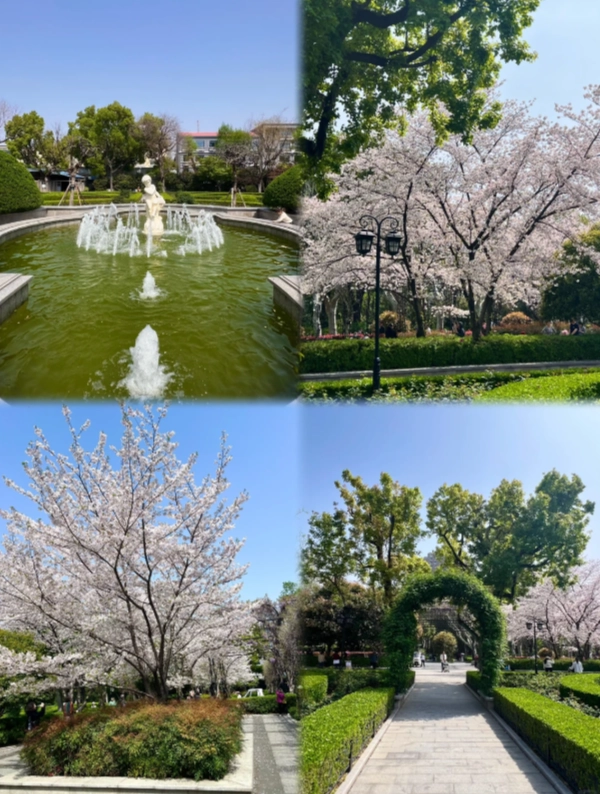
Fuxing Park History and Why It Matters
Fuxing Park isn't just a park; it's a living museum of Shanghai's colonial past. Originally built in 1909 as a private garden for French residents, it was designed in the classic French formal style, with symmetrical layouts and geometric patterns. Walking through, you can still see the influence—the straight pathways, the manicured hedges, the central fountain that feels straight out of Paris. But here's something most guides miss: the park was renamed "Fuxing" (meaning "revival") in 1949, symbolizing China's renewal, yet it retained its European bones. I spent an afternoon chatting with a regular, Mr. Li, who's been coming here for 40 years. He pointed out how the rose garden was added in the 1950s to blend Eastern and Western aesthetics. This duality is what makes Fuxing Park special; it's not just a tourist spot but a community hub where history layers over daily tai chi sessions.
The French Garden Influence and Its Preservation
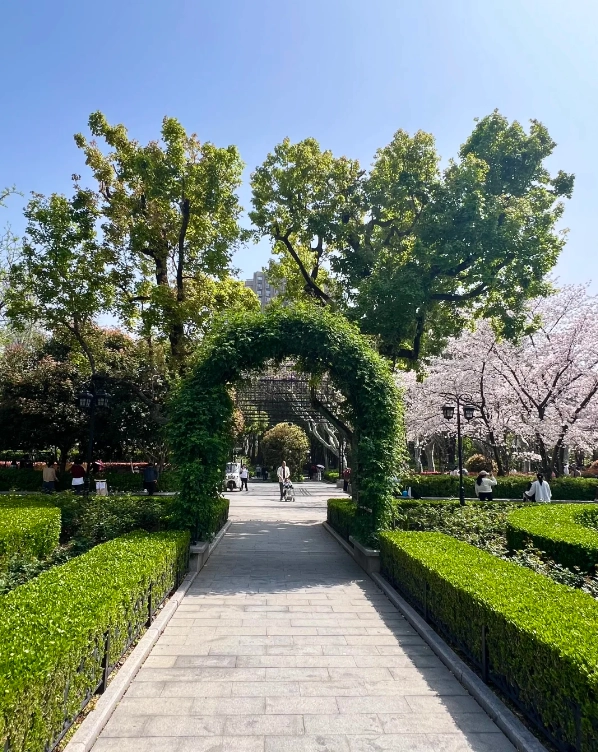
Look closely at the park's layout—the axial design centered around the Grand Fountain is pure French jardin à la française. During my visit, I noticed the maintenance is meticulous; the hedges are trimmed to perfection, likely a nod to its origins. However, some sections, like the bamboo grove near the south entrance, show Chinese garden elements creeping in. It's this mix that avoids feeling like a sterile replica. A park worker told me offhand that they use traditional pruning techniques passed down from gardeners who trained under French landscapers. That's a detail you won't find on plaques.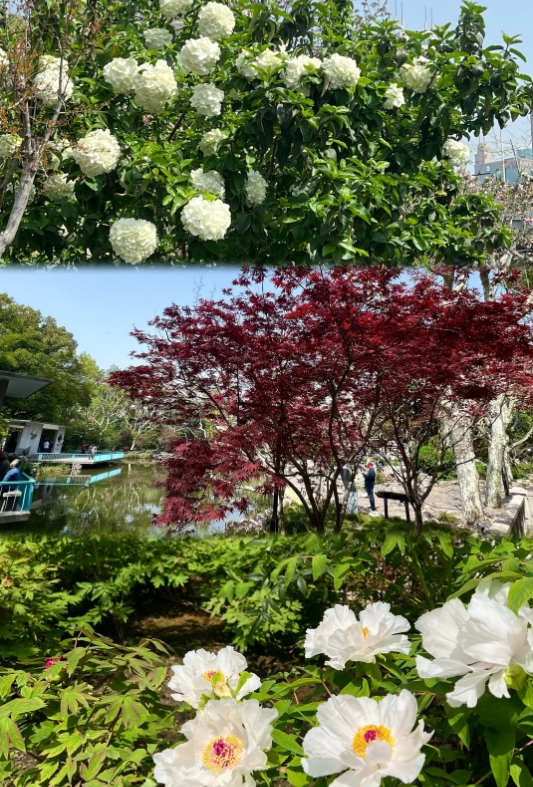
Essential Visitor Information: Tickets, Hours, Location
Let's cut to the chase: Fuxing Park is free to enter. No tickets, no reservations needed. This is a huge plus for budget travelers, but it also means it can get busy. The opening hours are straightforward, but I've seen tourists show up at the wrong time and miss out.
Address: No. 2, Fuxing Zhong Road, Huangpu District, Shanghai, China. It's nestled between the bustling Huaihai Road and the quieter Sinan Road area. If you're using a map app, search for "Fuxing Park Huangpu" to avoid confusion with other parks.
Here’s a quick table with the key details I verified during my visits:
| Detail | Information |
|---|---|
| Opening Hours | 6:00 AM to 6:00 PM daily (last entry at 5:30 PM). Note: Hours can extend to 8:00 PM in summer, but I'd confirm locally as it's not widely advertised. |
| Admission Fee | Free for all visitors. No charge for entry or any internal attractions. |
| Best Time to Visit | Weekday mornings before 10 AM, or late afternoons after 4 PM. Weekends are packed, especially around the fountain area. |
| Park Size | Approximately 9 hectares (22 acres). It's walkable in an hour, but plan for two if you want to linger. |
I made the mistake of visiting on a Sunday once—the main pathways were so crowded that the serene atmosphere vanished. Stick to weekdays if you can.
How to Get to Fuxing Park by Metro and Bus
Shanghai's metro is the easiest way to reach Fuxing Park. The closest station is South Shaanxi Road Station on Line 1 and Line 10. Here's the insider tip: use Exit 3 from Line 1. It drops you right on Huaihai Road, and from there, it's a 5-minute walk north along Fuxing Zhong Road. If you take Exit 2, you'll end up in a maze of shopping malls and might get lost. I learned this the hard way—wasted 20 minutes navigating crowded sidewalks.
For bus routes, check these options:
- Bus 926 or 42: Stops near the park's east entrance on Fuxing Zhong Road. I took Bus 926 from the Bund, and it was a scenic ride through old Shanghai lanes.
- Bus 911: Stops on Huaihai Road, a short walk away. Be prepared for traffic during peak hours; metro is faster.
If you're driving, parking is limited. There's a small paid lot on Sinan Road, but it fills up by 9 AM. I'd recommend against driving—the area is pedestrian-friendly, and parking fees are steep.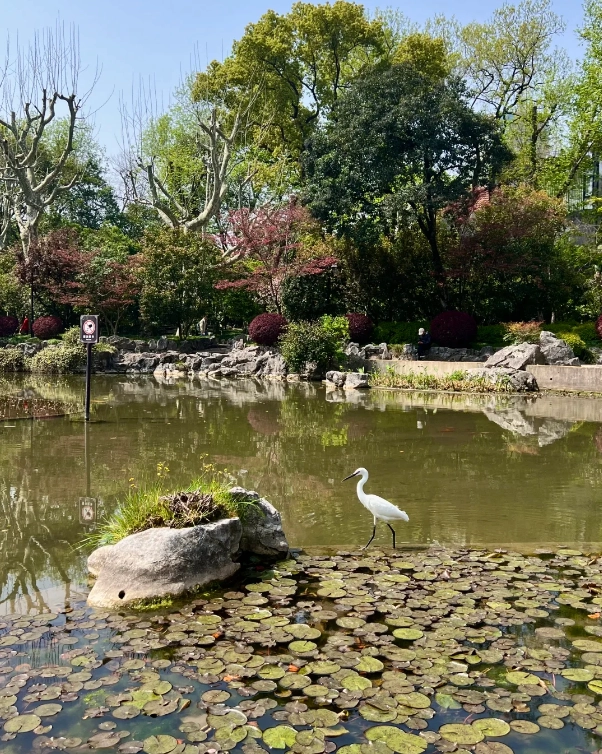
What to See Inside Fuxing Park: Top Spots
Don't just wander aimlessly. Focus on these highlights, which I've ranked based on atmosphere and photo opportunities.
1. The Grand Fountain and Central Lawn
This is the heart of the park. The fountain operates from 10 AM to 4 PM, with water shows every hour. I found the best photo angle is from the east side, capturing the fountain with the surrounding trees. But here's a secret: the lawn around it is perfect for picnics, but avoid midday when it's crowded with families. I brought a book here on a Thursday morning and had the spot almost to myself.
2. The Rose Garden (Meigui Yuan)
Located in the northwest section, the rose garden blooms from April to June. When I visited in May, the colors were vibrant—reds, pinks, yellows—and the scent was overwhelming. It's a favorite for local photographers, so go early. A gardener mentioned they plant new varieties each year, so it's always changing.
3. The Sculpture Area and Historical Monuments
Scattered throughout are statues and monuments, like the one of Marx and Engels near the south gate. It's a quirky reminder of the park's political history. I spent time reading the plaques; some are in Chinese only, so have a translation app handy. The sculpture of a dancing couple near the bamboo grove is less known but charming.
4. The Bamboo Grove and Quiet Corners
For solitude, head to the bamboo grove in the southeast. It's shaded and often empty, with benches tucked away. I sat here for an hour, listening to the rustle of leaves—a stark contrast to the city noise. It's also where locals practice quiet activities like meditation.
Other spots include the children's playground (good for families) and the tea house near the west entrance, which serves decent jasmine tea but is overpriced. I skipped it after one visit; you're better off bringing your own water.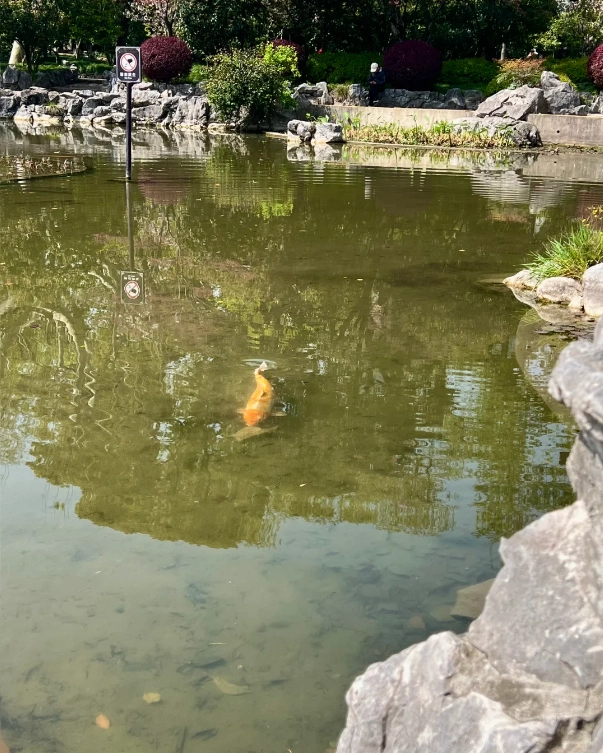
Local Insights and Personal Experience
From my visits, here are things most tourists overlook:
- Morning Rituals: Arrive at 6:30 AM, and you'll see groups practicing tai chi, fan dancing, and even ballroom dancing by the fountain. It's free entertainment and a glimpse into local life. I joined a tai chi session once—the instructor was welcoming, even with my clumsy moves.
- Photography Tips: The light is best at sunrise or late afternoon. For unique shots, focus on details like the patterned pathways or the elderly playing chess. Avoid the central lawn at noon when shadows are harsh.
- Crowd Avoidance: If you must visit on a weekend, stick to the edges of the park. The north side near Sinan Road is quieter. I noticed that after 5 PM on weekdays, the office crowd thins out, leaving a peaceful ambiance.
- What to Bring: Comfortable shoes for walking, water (there are few vendors inside), and a hat in summer. The park has benches but limited shade in some areas.
One negative: the public restrooms near the south entrance are clean but often have lines during peak times. Plan accordingly.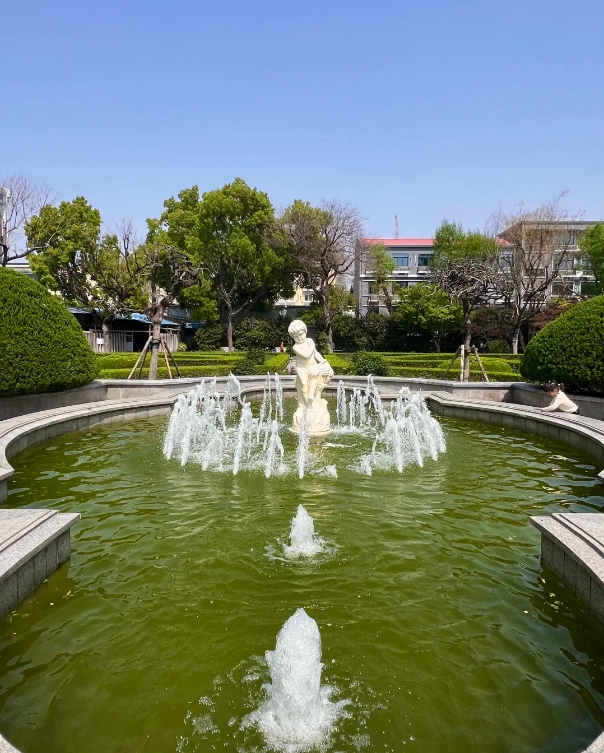
Common Questions Answered
 What's the best strategy for visiting Fuxing Park with young children?
Fuxing Park is more than a checklist item; it's a living space where Shanghai's past and present collide. Whether you're a history buff, a photographer, or just need a break, this park offers something real. My advice: go with an open mind, soak in the details, and don't rush. And if you see an elderly man practicing calligraphy by the fountain, say hello—he might share a story you won't forget.
This article is based on personal visits and fact-checked with local sources to ensure accuracy.





I came here specifically to catch golden hour and it did not disappoint. The light filtering through the plane trees made everything look magical. The park is lively but not overwhelming, and there are plenty of benches to just sit and read. Loved the little koi pond near the south gate. Perfect place to unwind after a day of sightseeing. 5/5, will return next trip.
Hands down one of the best parks I've visited in Shanghai. It's compact but beautifully designed—the rose garden, the shady avenues, the little pavilion. I went early in the morning and saw residents doing synchronized dancing and calligraphy on the ground with water brushes. Felt like I stepped into a local postcard. Free entry too, which is a bonus. A must-do!
Absolutely loved this park! The mix of French formal gardens and Chinese local life is so unique. I sat by the central fountain for an hour just people-watching—families, couples, tai chi groups, even a guy practicing his saxophone. The magnolia trees were in bloom when I visited, and the air smelled amazing. Can't recommend it enough for a peaceful escape in the city.
A solid spot for a lazy afternoon, but not mind-blowing. The French garden vibe is charming, and I liked watching the old folks dancing and playing cards. However, it gets super crowded on weekends, and the public restroom situation was… not great. Worth a visit if you're nearby, but don't go out of your way.
Honestly, I was a bit let down. The park itself has a nice layout, but it felt really run-down in some areas—benches were chipped, a few fountains weren't working, and the grass was patchy. Maybe I came on a bad day, but for a famous park I expected more upkeep. The rose garden was pretty though.
I really wanted to love this park, but the experience fell flat. It was overcrowded with tour groups taking selfies, and the famous rose garden was pretty sparse in late autumn. The park claims to close at 10pm, but a guard started shooing people out at 9:30, which felt rude. Also, the only café inside was overpriced. Not worth the metro ride unless you're already in the area.
Nice place for a morning jog, but nothing extraordinary. The paths are clean and well-maintained, and there's a small lake with ducks. However, the park is quite small; you can walk across it in 15 minutes. I saw the signage about opening hours (6am–10pm) but no actual ticket booth since it's free. Good for a quick escape, but I expected more greenery.
Absolutely charming spot! The shaded benches under the plane trees are perfect for reading or people-watching. I visited in early April and the cherry blossoms near the fountain were stunning. The park hours are generous – opened from 6am to 10pm – so you can catch sunrise or sunset. Free entry too. A hidden gem in the middle of the city.
Decent park but honestly a bit underwhelming. The lawns were crowded and some areas felt a little run-down, especially the playground equipment. I went on a weekday expecting peace, but there were loud groups of square dancers with big speakers. No ticket needed, but the restrooms were dirty. Okay for a quick walk if you're nearby, but I wouldn't go out of my way.
Strolled through Fuxing Park on a Sunday afternoon and loved the lively atmosphere. The French-style layout is gorgeous, with the rose garden in full bloom. Saw locals dancing, playing chess, and practicing tai chi – it felt like a real slice of Shanghai life. No entry fee, but the hours are clearly posted: opens early until evening. Highly recommend for a relaxing break from the city noise!
Honestly a bit disappointed. After reading rave reviews, I expected something more spectacular. The park is pleasant enough—nice trees, a small pond—but nothing you wouldn't see in any other major Chinese city park. The famous rose garden was mostly wilted when I visited in late August. Plus, there's no signage in English explaining the history, so I felt a bit lost. It's free so no loss, but I wouldn't go out of my way. Decent for a quick walk if you're already in the area.
This park holds so much history—you can feel the old French Concession atmosphere while walking under the sycamores. I loved the peaceful vibe in the morning; saw locals playing chess, singing opera, and even a man walking his bird cage. It's free entry, open all day, and right next to nice cafes on Fuxing Road. Perfect spot to unwind after visiting nearby attractions like the former residences. Would rate higher if the paths were better maintained—some areas have uneven bricks.
Fuxing Park is a gem for photographers, especially at golden hour. Those towering French plane trees create incredible light shafts, and the vintage pavilion near the south gate is pure elegance. I captured some of my favorite Shanghai shots here—contrast between old Chinese couples practicing calligraphy on the ground and modern skyscrapers peeking through the leaves. No ticket required, totally free. Only downside: there aren't many trash bins, so carry your own bag for litter.
Came here on a Sunday afternoon expecting a peaceful stroll, but it was way too crowded—tour groups everywhere, loud music from multiple dancing groups competing with each other, and the grass near the fountain was trampled. The park itself is beautiful with old French vibes, but the noise pollution really kills the charm. Also found the restrooms a bit grimy. If you go, try early morning on a weekday, or you'll just fight for bench space.
I absolutely love Fuxing Park! It’s one of the few places in Shanghai where you can really escape the city noise and breathe. The giant plane trees create a gorgeous canopy, and the rose garden in spring is breathtaking. I spent a whole Saturday morning just watching locals practice tai chi and dance—felt like stepping into a local postcard. No entrance fee, clean paths, and plenty of benches. A must-visit for anyone wanting a calm, green retreat in the middle of the bustling city.