 Hui Lin
Let's be honest, after a few days of navigating the Forbidden City crowds and Wangfujing's neon lights, you start craving some greenery. That's when locals and seasoned travelers alike point you west, towards the Badachu Scenic Park. It's not just a park; it's a collection of eight ancient Buddhist temples ("Ba Da Chu" literally means "Eight Great Sites") nestled along the slopes of Beijing's Western Hills. I've hiked these trails multiple times over the years, in different seasons, and each visit reveals something new—a quiet courtyard missed before, a view suddenly cleared of haze, the specific scent of pine and incense.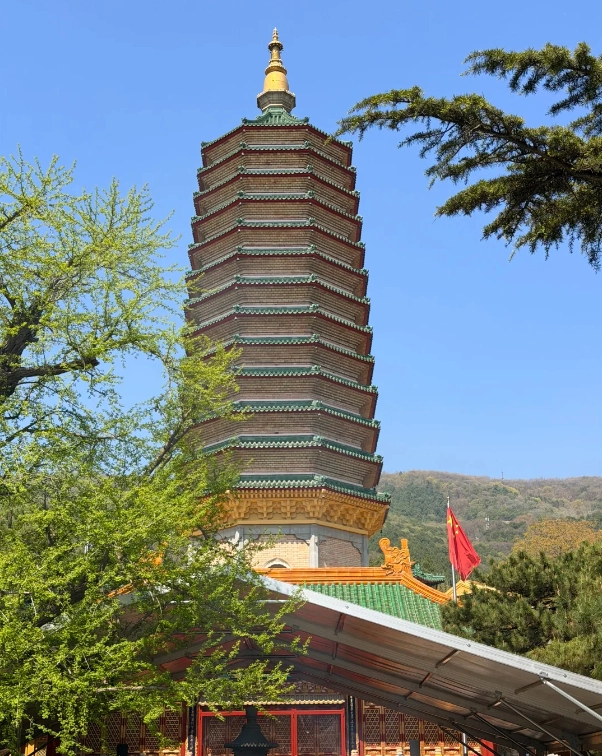
What's Inside This Badachu Guide?
Badachu Park Basics: Tickets, Hours & Getting There
First, the logistics. Badachu is surprisingly accessible for a mountain park.
Essential Information at a Glance
Address: Badachu Rd, Shijingshan District, Beijing. Don't just search "Badachu"; include "Shijingshan" for accuracy.
Opening Hours: 6:00 AM to 6:30 PM (last entry usually around 5:30 PM). The early opening is a gift for morning hikers wanting to beat the heat and crowds.
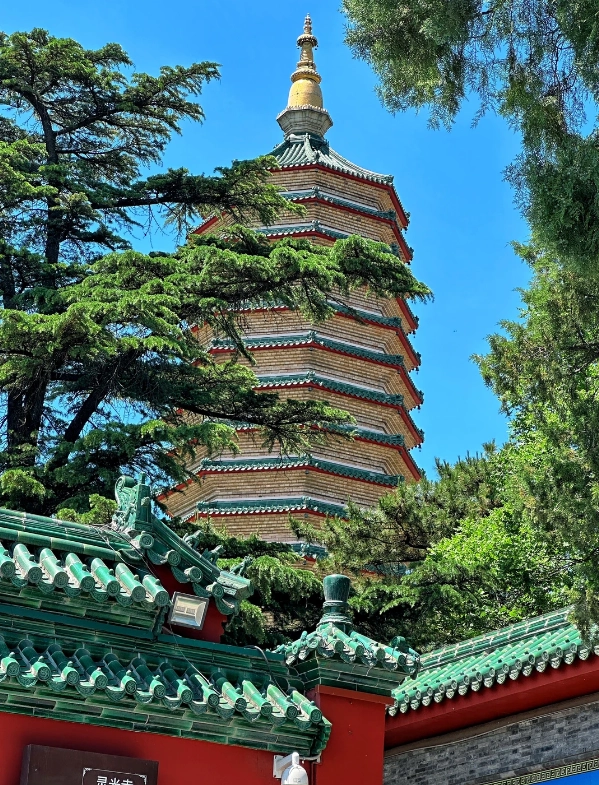
Entrance Fee: 10 RMB for the park entrance. This is the standard ticket that gets you onto the trails and into the general temple areas. Some individual temples inside, like the Lingguang Temple which houses the famous Buddha's Tooth Pagoda, may charge a separate, small fee (around 5-10 RMB).
Getting There by Public Transport: This is the way most people go. Take Beijing Subway Line 1 to Pingguoyuan Station (the western terminus). From Exit D, you'll see a bus hub. Look for bus 972, 958, or the dedicated sightseeing bus line. The ride is short, about 10-15 minutes, and drops you right near the main entrance. I find the subway-to-bus transfer very straightforward.
By Taxi/Ride-hailing: You can directly input "Badachu Scenic Park (West Gate)" as your destination. From central areas like Dongcheng, it takes about 45-60 minutes and costs roughly 80-120 RMB depending on traffic. The West Gate is the main and most convenient entrance.
Choosing Your Badachu Hiking Route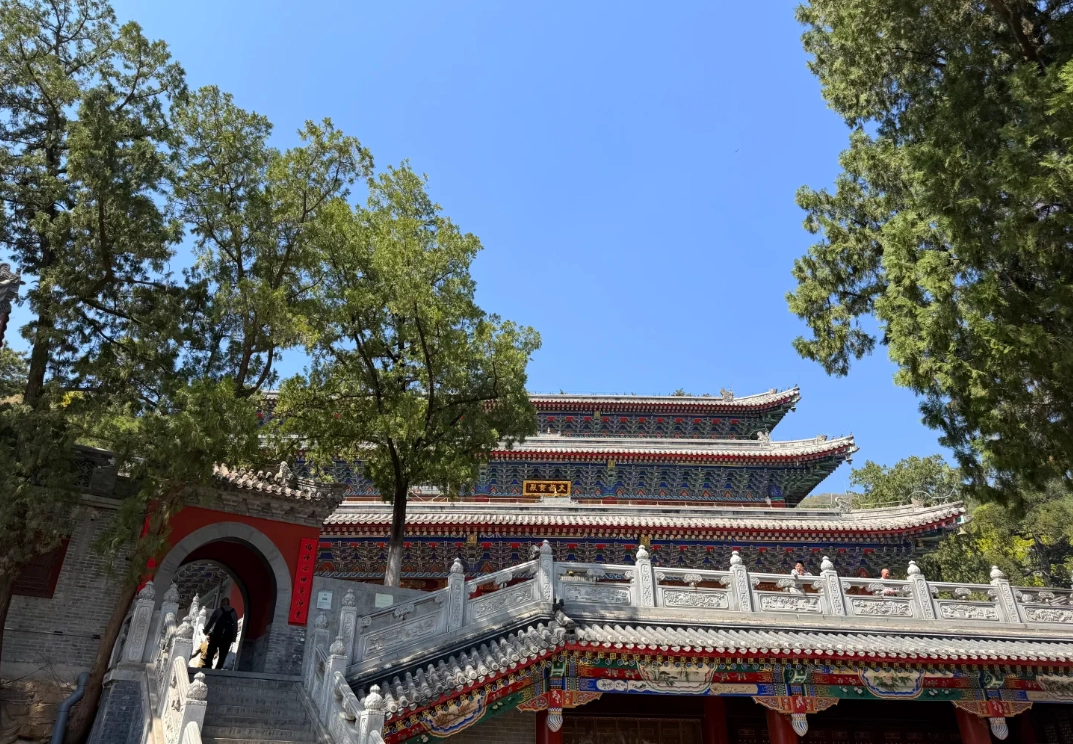
This is where most first-timers get confused. The park isn't a loop; it's more like a spine with temples branching off. Your energy level and interest decide your path.
The Classic Temple Crawl (The Full Hike)
This route starts from the West Gate and aims to visit all eight temples in sequence, from Temple One (Chang'an Temple) at the base to Temple Eight (Zhengguo Temple) near the peak. The total walking distance is about 5-6 kilometers one way, but with constant ascents and descents between temples. It's a proper workout. Allow 4 to 5 hours if you're taking time to look around and catch your breath. The stone steps can be steep in sections—I remember the stretch between Temple Three and Four getting my heart rate up.
The Cable Car & Downhill Walk (The Smart Compromise)
Here's a local tip I learned after my first exhausting climb: take the cable car up, then walk down. The cable car station is located near the park entrance. It whisks you up to a point close to Temple Six (Xiangjie Temple). From there, you can explore the upper temples (Six, Seven, Eight) and then leisurely walk downhill to visit the lower ones. This saves your knees and energy for actually enjoying the sites. The downhill walk takes about 2-2.5 hours.
The Lower Temples Stroll (For Limited Time or Mobility)
If you have just 2 hours or aren't up for a big hike, focus on the first three or four temples (Chang'an, Lingguang, Sanshan). The paths here are gentler, the temples are magnificent, and you still get that immersive mountain-temple atmosphere without the major climb. Lingguang Temple alone, with its serene compound and sacred pagoda, is worth the trip.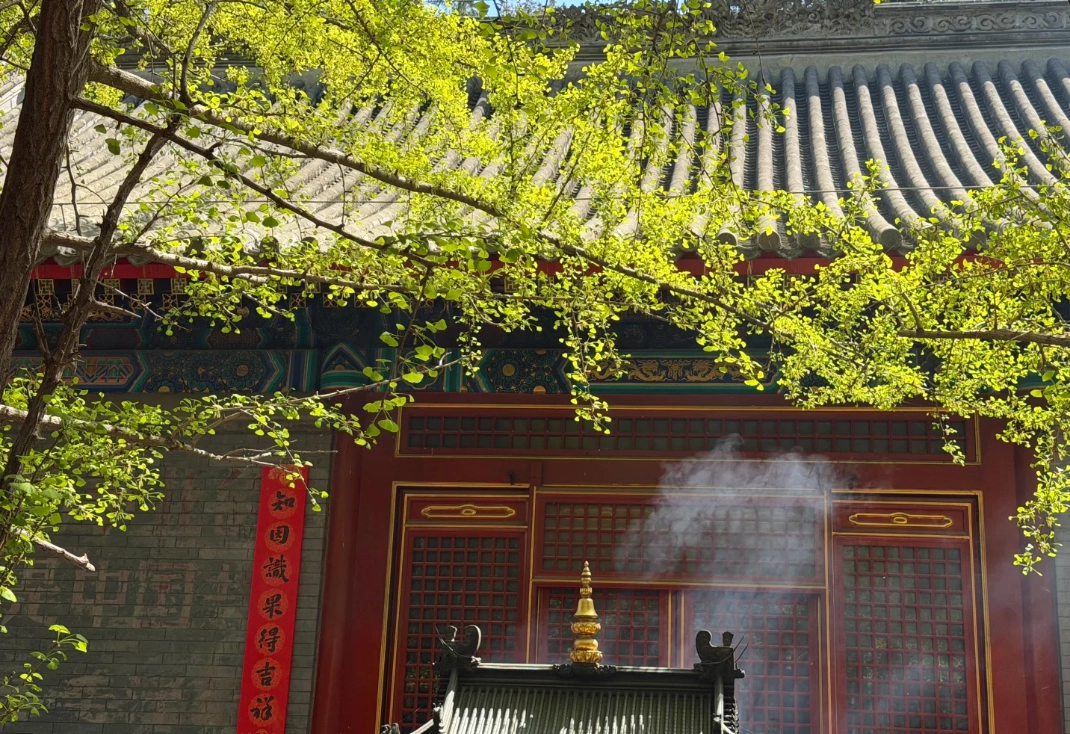
A Guide to the Badachu Temple Highlights
You could just walk through, but knowing what makes each spot special changes the experience. Here’s what stood out to me.
| Temple (Number & Name) | What Makes It Special | My Personal Note |
|---|---|---|
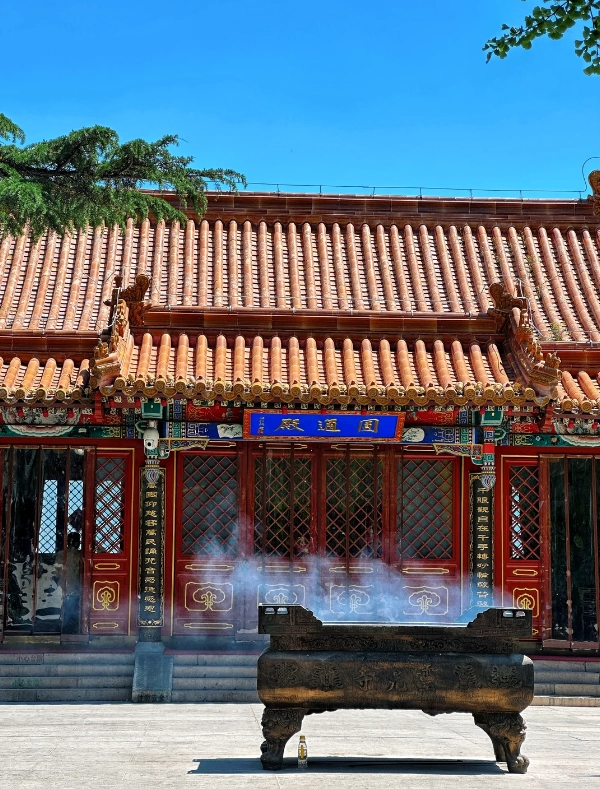
| #2: Lingguang Temple | Home of the Buddha's Tooth Relic Pagoda. The most active and revered temple in the complex. | The atmosphere here is palpably different—more devotees, the smell of sandalwood incense is strongest. Don't rush through the courtyard. |
| #3: Sanshan Temple | Named after the three hills it sits between. Known for its ancient, gnarled pine trees. | Look for the "Lover's Tree," two pines intertwined. It's a popular photo spot for couples, but the tree itself has a rugged, beautiful character. |
| #6: Xiangjie Temple | The temple closest to the cable car upper station. Offers the first truly panoramic views of Beijing. | This is your reward. On a clear day (rare, but glorious), you can see the city's outline. A good place for a water break. |
| #8: Zhengguo Temple | The highest temple. Small, often quieter, feels like a secret hideaway. | The climb to #8 is steep. When I finally reached it, the silence was profound. You've earned the solitude here. |
Is the Badachu Cable Car Worth It?
The cable car (or more accurately, an aerial ropeway) is a single-purpose service: it takes you from near the entrance to the area of Xiangjie Temple (Temple #6).
Cost: A one-way ticket is 50 RMB. There is no round-trip ticket because you're expected to walk down.
Is it worth 50 RMB? For most visitors, yes. Here's why: It converts a 5-6 hour strenuous hike into a manageable 2-3 hour cultural stroll. It saves your energy for the descent and exploring the temples properly. The view from the cable car is decent, but it's not the main sell—the time and effort savings are. The only time I'd skip it is if you're specifically there for the physical challenge of the full climb.
Planning Your Badachu Trip: Season & Tips
Best Time to Visit:
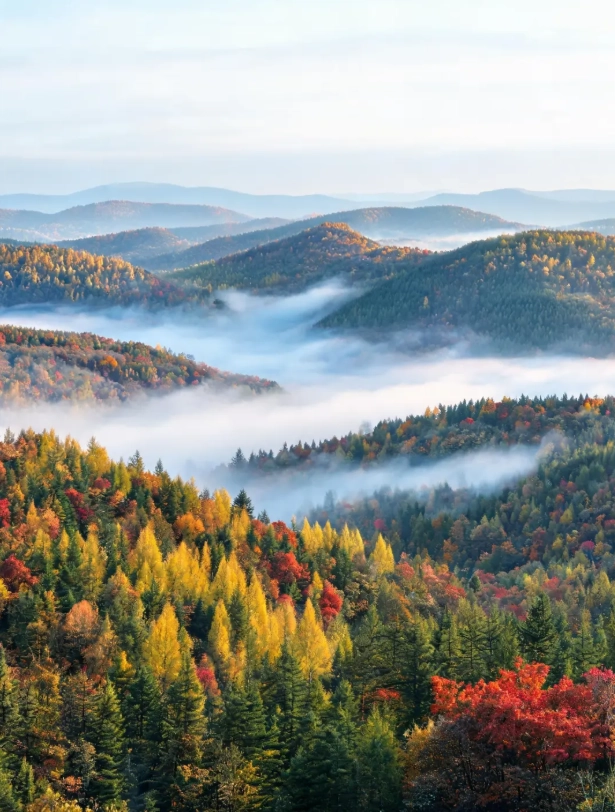
- Autumn (October-November): Hands down the best. The maple and smoke trees turn fiery red and orange against the evergreen pines. The air is crisp. It's stunning, but also the busiest.
- Spring (April-May): The apricot and peach blossoms around the temples are lovely. Weather is pleasant.
- Summer: Can be hot and humid. Go early in the morning. The tree cover provides shade, but the climb is still sweaty work.
- Winter: A stark, quiet beauty. The temples look dramatic against bare branches. Ice can make stone steps slippery, so tread carefully.
What to Bring:
Comfortable walking shoes with good grip are non-negotiable. The stone steps are worn smooth in places. Carry more water than you think you need—there are vendors at the entrance and near the cable car stations, but fewer once you're on the trails between temples. A hat and sunscreen are wise. I always pack a light snack like nuts or a energy bar.
One more thing: bring small change (5, 10 RMB notes) for any separate temple donation boxes or minor entrance fees. It's easier than trying to scan a QR code with spotty mountain signal.
Your Badachu Scenic Park Questions Answered
Weekday mornings, right at 6:00 AM opening. You'll share the paths with dedicated elderly local hikers and have the temples largely to yourself for the first hour. The light for photography in the temple courtyards is soft and beautiful. By 10:30 AM, the tour groups and families start arriving in force. If you can't do early morning, late afternoon (after 3 PM) sees a drop in visitors, but you'll need to watch the closing time.
It depends on the route. The lower temples area (up to Lingguang and Sanshan) is manageable for active seniors and kids who can walk on uneven steps. For a full family outing, I strongly recommend the cable car up and walk down route. It eliminates the grueling ascent. Pushing a stroller is not feasible due to the endless stone steps. For the elderly, a walking stick can provide valuable stability on the descents.
 Can I see the famous "Eight Great Sites" in one visit without being exhausted?
Yes, but only if you use the cable car strategically. The "classic crawl" on foot is exhausting for anyone not used to mountain hiking. The efficient method is: Enter, take cable car to near Temple #6, visit #6, #7, #8, then walk downhill visiting #5, #4, #3, #2, #1 on your way out. This sequence hits all eight with a net downhill walk, which is far less taxing. You'll still walk a lot, but you avoid the most demoralizing uphill climbs.
Officially, no. I've rarely seen dogs inside. The terrain—steep, crowded steps—is also not ideal for pets. It's better to view this as a cultural hike rather than a recreational dog walk.
Underestimating the physical demand of the full hike and not bringing enough water. They see "park" and think of flat paths. This is a mountain with temples glued to its side. The second mistake is trying to do it all in a rushed 2 hours. That leads to a blur of steps and temples with no time to appreciate the quiet moments, like sitting in a stone courtyard listening to the wind chimes. Budget at least 3-4 hours for a fulfilling, non-rushed experience using the cable car assist.
The information in this guide is based on multiple personal visits and cross-checked with local park notices. Temples are active religious sites, so remember to observe respectful behavior—speak quietly, don't touch religious artifacts, and follow any posted photography rules.





What a gem! We spent a whole afternoon wandering from temple to temple, and the views from the very top are breathtaking. The combination of forest trails and ancient architecture is magical. The best part? There was a tiny tea house near the seventh temple where an old lady served free jasmine tea to hikers — such a kind gesture. Will definitely come again in spring.
Honestly a bit let down. The park itself has potential but the infrastructure feels dated — some staircases were crumbling and the cable car looked like it hadn’t been serviced in years. Also, vendors at the temple entrances were super pushy about buying incense and souvenirs. For the entrance fee, I expected better upkeep. Wouldn’t rush back.
Perfect escape from the city chaos. The air up here is clean and crisp, and the temples are beautifully maintained. I especially loved the third temple with the huge golden Buddha — very photogenic. The snack stands sell refreshing herbal tea and corn on the cob, which hit the spot after the climb. Highly recommend coming early to avoid crowds.
Really enjoyed the mix of nature and history here. Each temple has its own character, and the little statue-lined paths make you feel like you're walking through a storybook. Only gave 4 stars because the signage in English was a bit lacking — had to guess which temple was which a couple of times. Still a solid experience though.
Incredible day out! The hike up to the temples is steep but totally worth it — the autumn colors were unreal, and the few monks we saw chanting added such a peaceful vibe. Took the cable car down and the panoramic view of Beijing was stunning. Definitely one of my favorite spots in the city.
Decent place for a half-day trip but nothing mind-blowing. The temples all look kinda similar after the first few, and the crowds on the weekend made it feel more like a theme park than a spiritual retreat. Paid extra for the cable car but the queue was 40 minutes. If you’re short on time, I’d skip this and go to Fragrant Hills instead.
If you’re after a quiet escape from the chaos of central Beijing, this is your spot. The combination of temples, forest trails, and mountain scenery is hard to beat. I’m not usually a temple person, but the architecture and the incense smell really got me. The only downside is the lack of good food options inside – bring your own snacks.
We went on a weekday morning and had most of the place to ourselves. The climbing was moderate – not too steep – and the views at the top looking over the city smog are surprisingly beautiful. My favorite part was the little bell tower where you can ring for good luck. My kids loved it too. Very peaceful and worth the subway + bus ride.
Not bad for a day hike but honestly a bit disappointed with the upkeep. Some of the staircases are crumbling, and the signage in English is almost nonexistent. We got lost twice trying to find the seventh temple. Also, the snack stalls near the entrance overcharge for water. It's scenic, but for the ticket price, I expected better maintenance.
Spent a whole afternoon here and honestly, it's one of the most peaceful spots I've found near Beijing. The temples are beautifully maintained, and the mountain air is so fresh. I loved the little tea house near the third temple – had a cup of jasmine tea while watching the leaves change color. Definitely coming back in spring!
Finally made it to all eight temples—each has a different vibe. The Fahai Temple’s frescoes are stunning (no photos allowed inside, which is a shame). The ticket price of 10 RMB is ridiculously cheap for what you get. My only complaint: the map they give you is confusing and some paths are unmarked. Almost took a wrong turn into a closed area. Bring your own navigation.
Went for a morning run from the bottom to the seventh temple and back. The air is noticeably cleaner than in the city, and the trail is well maintained. Saw a few squirrels and heard monks chanting somewhere uphill. Paid 10 RMB for a popsicle at a stall—fair price. Would be a 5 if the restrooms near the middle temples weren’t so run down. Still a solid outdoor spot.
Took my parents here while visiting Beijing. The cable car saved us a lot of effort (they’re in their 70s), but the queue was almost an hour long. Once up, the temples are lovely but very similar after a while—my mom got temple fatigue. Also, some signs are only in Chinese, so we missed a few historical points. Good for a half-day trip but don’t expect a wow factor.
Came here on a weekday afternoon and had most of the trails to myself. The second temple has this tiny tea house that serves jasmine tea with a view of the valley—simple but perfect. Didn’t have time to visit all eight temples because I kept stopping to take pictures of the stone carvings. If you’re into Chinese architecture or just need a quiet day out of downtown, this place delivers.
Climbed all the way to the top temple and it was totally worth it—the pagoda view over the autumn foliage is unreal. Some of the stairways are steep, but there are plenty of benches to catch your breath. The incense smell from the lower temples mixes with the pine air, very peaceful for a Sunday morning. Only minus: the water bottle prices near the summit are crazy expensive, so bring your own.