.jpeg) Prof. Jian Chen
Prof. Jian Chen
I still remember my first visit to Tanzhe Ancient Park. It was a crisp autumn morning, and I’d heard whispers about this place for years—often overshadowed by the Great Wall or Forbidden City. But as I stepped into the grounds, the noise of Beijing faded, replaced by the rustle of ancient trees and the faint scent of incense. Tanzhe Ancient Park isn’t just another tourist spot; it’s a living slice of history tucked in the western hills of Beijing, combining serene natural scenery with profound cultural heritage. If you’re looking for a day trip that offers peace, beauty, and a deep dive into China’s past, this is it. In this guide, I’ll walk you through everything I’ve learned from multiple visits, from practical logistics to those hidden corners most visitors miss.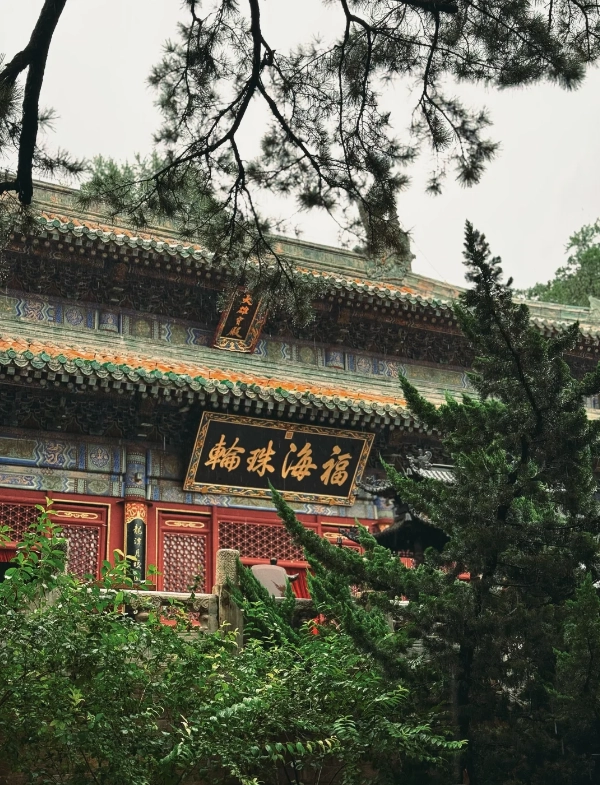
What You'll Find in This Guide
Why Visit Tanzhe Ancient Park?
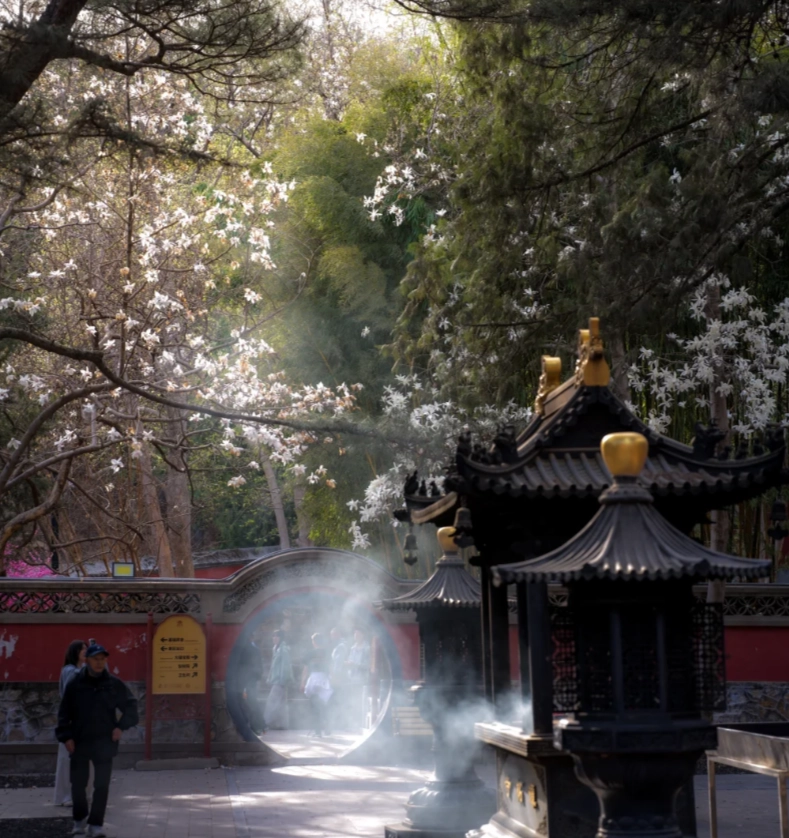
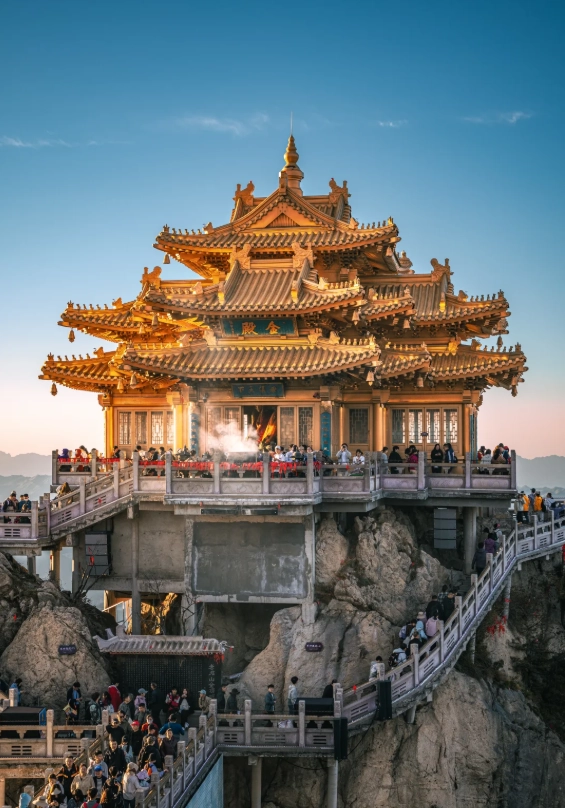
Let’s cut to the chase. You might be wondering if Tanzhe Ancient Park is worth the trip from central Beijing, especially with so many other options. Here’s my take: it absolutely is, but for specific reasons. This park centers around Tanzhe Temple, one of Beijing’s oldest Buddhist temples, dating back over 1,700 years. I’ve seen plenty of temples in China, but what sets this apart is the atmosphere—it feels less commercialized, more contemplative. The park blends architecture, nature, and spirituality in a way that’s rare near a megacity. On my last visit, I spent an hour just sitting by the lotus ponds, watching locals pray quietly. It’s not a thrill-seeking destination; it’s for slowing down and absorbing history.
The History Behind the Ancient Temple
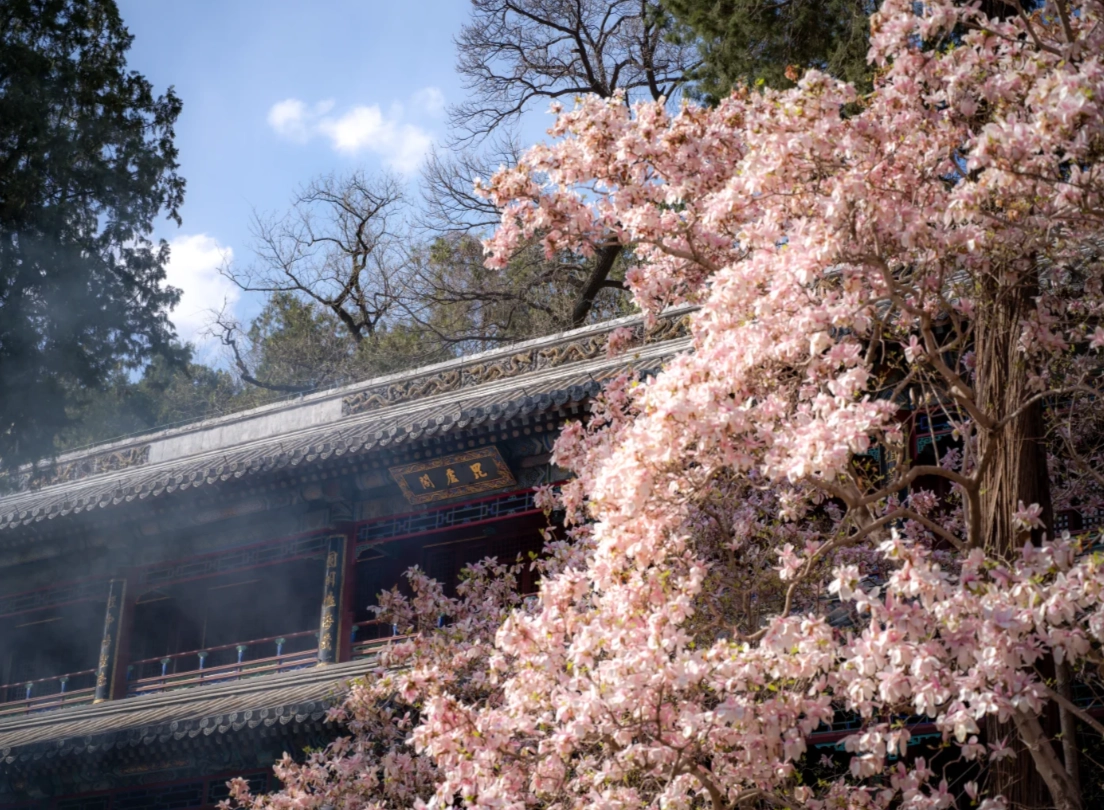
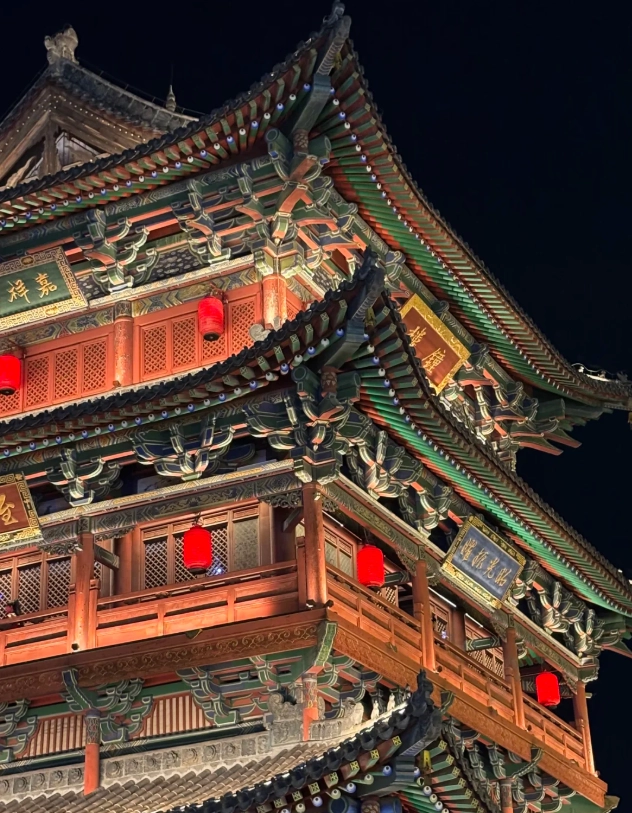
Tanzhe Temple’s history is intertwined with Beijing’s development. Legend says it was built before the city itself, earning the saying “先有潭柘寺,后有北京城” (First came Tanzhe Temple, then came Beijing). Walking through, you’ll see structures from the Jin, Yuan, Ming, and Qing dynasties. I once joined a guided tour by a local monk—he pointed out how the roof designs changed over centuries, a detail I’d have missed alone. The temple has survived wars and renovations, and that resilience adds a layer of depth to your visit. For history buffs, it’s a goldmine; for casual visitors, it’s a beautiful backdrop.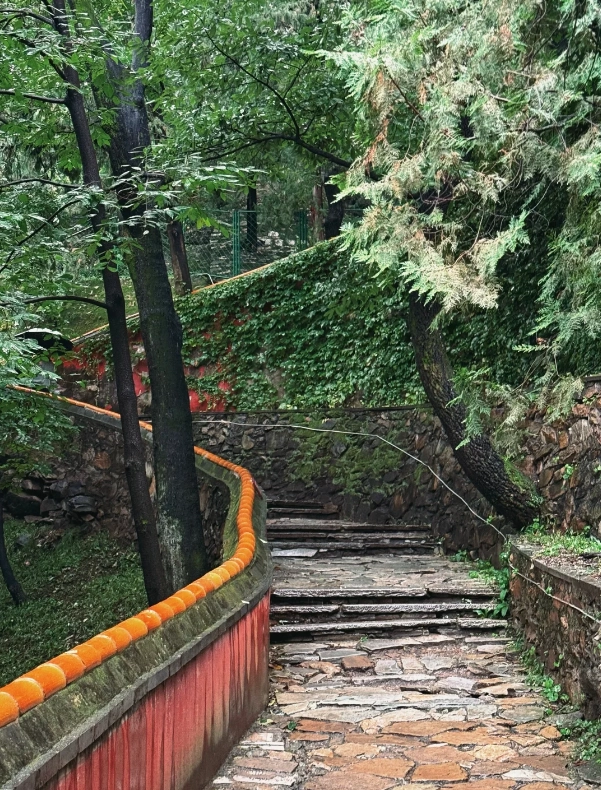
Planning Your Visit to Tanzhe Ancient Park
Alright, let’s get practical. A smooth visit hinges on logistics, and I’ve learned this the hard way after a couple of missteps. Here’s the essential info you need to plan your trip.
Address: Tanzhe Si, Mentougou District, Beijing, China. It’s about 30 kilometers west of downtown Beijing. Don’t rely solely on GPS—I once ended up on a narrow village road because my app misdirected me. Use “Tanzhe Temple” as a landmark.
How to Get to Tanzhe Ancient Park from Beijing
Public transportation is doable but requires patience. The easiest way I’ve found is to take Beijing Subway Line 1 to Pingguoyuan Station, then catch Bus 931 directly to Tanzhe Temple. The bus ride takes roughly an hour, depending on traffic. On weekends, it can get crowded—I’ve stood the whole way before. If you prefer comfort, hire a taxi or use a ride-hailing app; it costs around 150-200 RMB one-way from central Beijing. Driving yourself? There’s parking, but it fills up by 10 AM on peak days. I made that mistake once and had to park a kilometer away.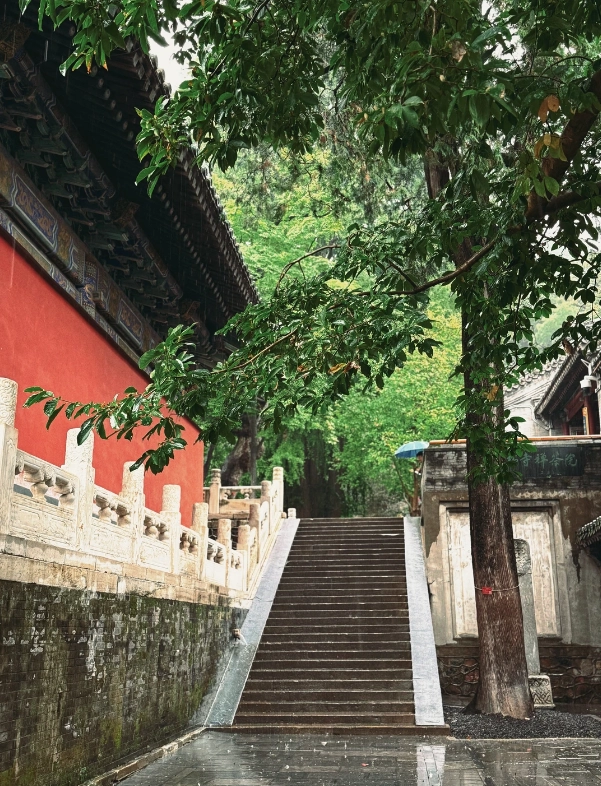
Tanzhe Ancient Park Tickets and Opening Hours
Ticket prices have stayed reasonable. As of my last visit, here’s the breakdown:
| Ticket Type | Price (RMB) | Notes |
|---|---|---|
| Adult Ticket | 50 | Covers entry to both the park and Tanzhe Temple |
| Student Ticket | 25 | Valid with student ID; I’ve seen them check |
| Senior Citizen (over 60) | Free | Bring ID for verification |
| Children under 1.2m | Free | No ticket required |
Opening hours are from 8:00 AM to 5:00 PM daily, with last entry at 4:30 PM. I recommend arriving early—around 8:30 AM—to beat the tour groups that swarm in by 10 AM. The light is softer for photos then, too. Note that hours might shorten slightly in winter, but I haven’t seen major changes.
Top Attractions Inside Tanzhe Ancient Park
The park is sprawling, so focus on highlights to avoid burnout. Based on my visits, here are the spots that deserve your time.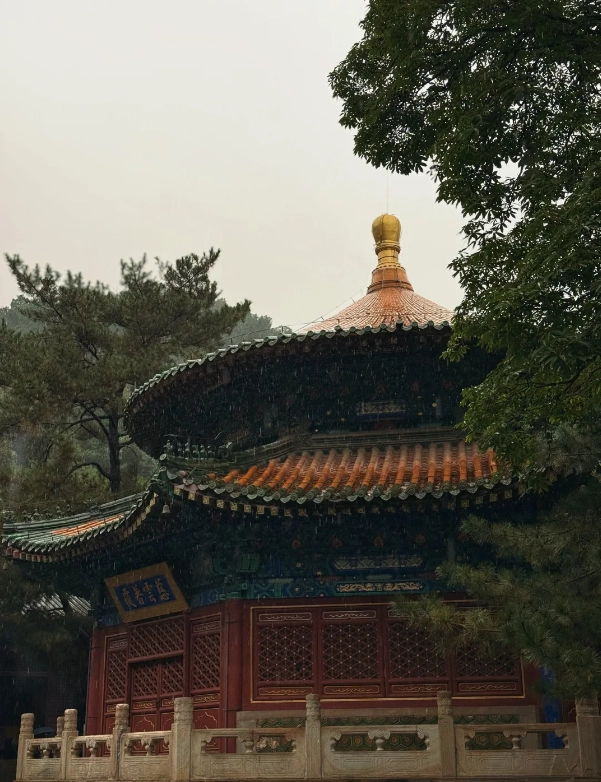
The Millennium Ginkgo Tree
This tree is a celebrity. Planted during the Liao Dynasty, it’s over 1,000 years old and turns a stunning gold in late October. I’ve seen crowds gather just to take selfies with it, but if you go on a weekday, you might have a quiet moment. Locals believe it brings luck—I tied a prayer ribbon once, and while I’m not superstitious, it felt like connecting with centuries of visitors.
The Serene Lotus Ponds
Near the temple’s rear, these ponds are often overlooked. In summer, lotuses bloom, creating a peaceful scene. I once sat here for an hour, sketching and listening to frogs. It’s a perfect spot to escape the main path’s bustle. Bring a snack and enjoy—just don’t litter; I’ve seen staff gently remind tourists.
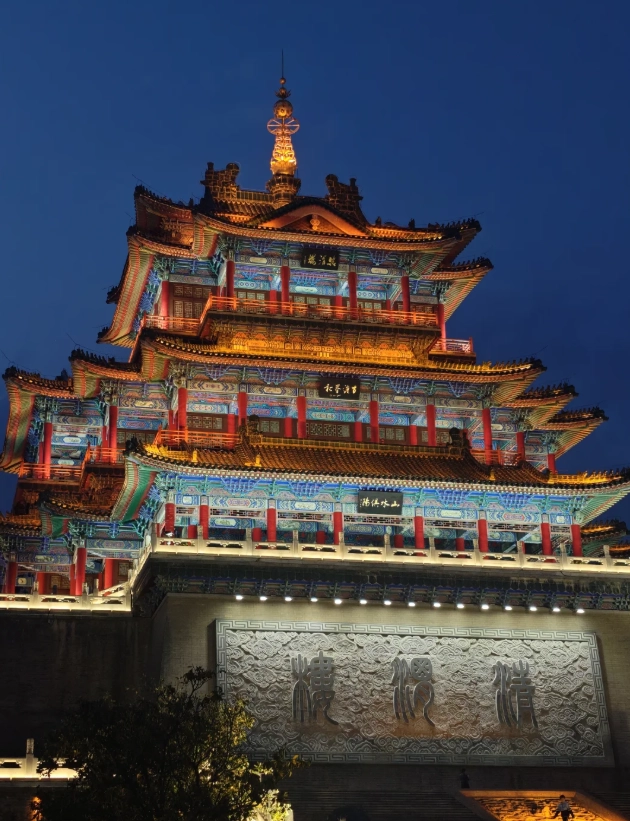
Other notable spots include the Bell and Drum Towers, which offer panoramic views, and the Scripture Hall with ancient Buddhist texts. But honestly, don’t rush. The real magic is in wandering the stone paths and discovering your own quiet corner.
Essential Tips for a Smooth Visit
Here are my hard-earned tips to enhance your experience.
Best Time to Visit and Crowd Avoidance
Spring (April-May) and autumn (September-October) are ideal. Summers can be hot and humid, while winters are chilly but less crowded. I visited in November once—the crowds were thin, but some trees were bare. Weekdays are always better than weekends. If you must go on a weekend, aim for early morning or late afternoon. I made the mistake of arriving at noon on a Saturday and found myself in a sea of tour groups, which dampened the serenity.
Wear comfortable shoes—the terrain is uneven with steps and slopes. Bring water and snacks; while there are small vendors inside, prices are inflated. I packed a lunch and ate in a shaded area, which saved money and time. Also, carry cash for tickets; though digital payments are accepted, I’ve seen systems fail during peak times.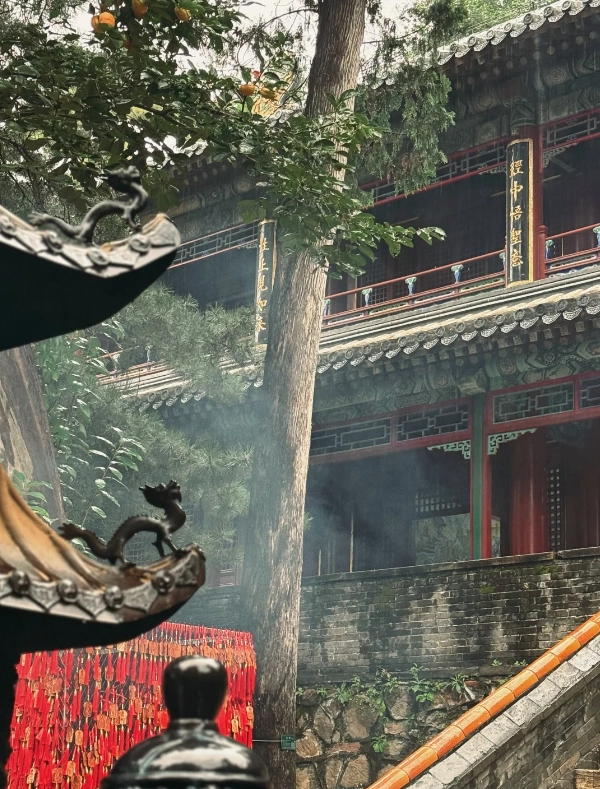
Frequently Asked Questions About Tanzhe Ancient Park
 How much time should I allocate for a visit to Tanzhe Ancient Park?
 In wrapping up, Tanzhe Ancient Park offers a unique blend of history and nature that’s worth the effort. It’s not without flaws—the crowds can be intense, and facilities are basic—but the sense of peace you’ll gain is real. Use this guide to plan wisely, and you’ll leave with memories of ancient trees and timeless serenity. If you have more questions, drop a comment below—I’m happy to share more from my experiences.





Hands down the best visitor guide I've used in China. The section on which spots to skip (the crowded main hall queue vs. the quiet courtyard with century-old trees) saved me hours. Even the food tip – the steamed buns near the south gate – was exactly as described: cheap and delicious. Perfect mix of practical and charming.
If you're a photographer like me, this guide is GOLD. The tip about the morning light hitting the temple roof at 9:15 am was spot on – got my best shot of the trip. Also loved the hidden café behind the bell tower that isn't on any other map. Five stars for making an ancient park feel like my own discovery.
This guide is an absolute gem! Followed the advice to arrive before 8 am and had the entire east trail completely to myself. The hidden teahouse with the little stream? Pure magic. Even the practical stuff like 'bring insect repellent' made a huge difference. Can't recommend it enough – made my trip unforgettable.
Pretty solid guide overall. The tips on which entrance to use saved us a ton of time, and I loved the suggestion to bring a picnic blanket for the shaded area near the pagoda. Only downside: the map inside felt a bit small and hard to read on my phone. Still, worth a read before you go.
Honestly, the guide was okay but felt a bit overhyped. The 'hidden gems' it mentioned were just slightly less crowded spots, nothing mind-blowing. Also, the practical tips about parking were outdated – we wasted 20 minutes looking for the lot it described. Good for a basic overview, but don't expect any real secrets.
Decent guide with a few good nuggets – the secret garden entrance near the east wall was a great find. I knocked off one star because the section on local food stalls was way too vague (“snacks available near the exit” – really?). Also, the map could use labeled landmarks; I got turned around twice. Still, better than most free guides online. Solid 4.
I’ve been to Tanzhe Ancient Park three times and thought I knew it well, but this guide showed me two spots I’d somehow missed: a tiny mossy waterfall and an old stone bridge behind the pagoda. The writing is clear, the hidden gems actually felt hidden, and the bus route advice saved me a long walk back. Perfect companion for anyone who wants to dig deeper. 5 stars, no doubt.
Honestly, I found this guide a bit overhyped. The 'hidden gems' turned out to be just less crowded corners that any local could point out. The practical tips were basic – things like 'bring water' and 'wear comfortable shoes' felt like common sense. Also the formatting on mobile was messy, made it hard to follow on the go. It’s okay for a first-time visitor, but don’t expect secrets. 3 stars.
Pretty solid guide overall. I especially appreciated the list of scenic photo spots and the warning about the steep stairs near the west gate – my knees thanked me for taking the detour. Only reason I’m giving 4 instead of 5 is that the opening hours listed for the teahouse were wrong; it actually closed an hour earlier. Still, the hidden gem suggestions were worth it. Would use again.
This guide was a lifesaver for my trip last weekend. The hidden gem tip about the bamboo grove path behind the main temple saved me from the crowds – I had the whole place to myself at sunrise. The practical tips on parking and ticket timing were spot on. Absolutely recommend printing out the map section before you go, cell service is patchy. 5/5, no notes.
This place is a treasure. The hidden gem guide led us to a tiny meditation courtyard off the main path – we sat there for an hour just listening to the wind in the pines. No annoying loudspeakers, no hawkers. Every tip in the visitor guide was accurate and helpful. If you love authentic, uncrowded historical spots, you'll adore this. Five stars without hesitation.
I came for the practical tips and stayed for the peaceful vibe. The guide mentioned the sunrise spot near the old bell tower – totally worth the early wake-up! Saw only two other people there. The only thing I'd change: better signage for the restrooms. But the ancient cypress trees and quiet atmosphere made up for it. Solid 4 stars.
Honestly felt a bit let down. The park itself is pretty, but the guide promised 'hidden gems' – we followed the map to a supposedly secret grotto and found only trash and a broken bench. The restrooms were also poorly marked and far apart. Maybe I had too high expectations. It's fine for a stroll but not worth a special detour. Rating 3.
Solid park with genuine history, but the practical tips were a lifesaver. Without the guide, we'd have missed the back trail to the waterfall (which is tiny but lovely). The only downside? The main tea house was overpriced and slow. Still, a great half-day trip. I'd give it a 4 because of the crowds on weekends – go early!
Absolutely loved our day at Tanzhe Ancient Park! The guide's tips on the hidden bamboo grove near the east gate were spot on – we had the whole place to ourselves at 8am. The ancient stone pathways feel like stepping back in time. Bring a picnic and find a quiet bench under the old pagoda – it's pure magic. 5/5 would recommend to anyone visiting Beijing for a peaceful escape.