 Lei Li
Here's What You'll Learn
Standing on the Badaling Great Wall for the first time, I was overwhelmed—not just by the history, but by the sheer number of people. The restored ramparts stretched into the distance, but so did the queues. After several visits, I've figured out how to navigate this iconic site without the frustration. This guide shares those hard-earned lessons, focusing on the practical details most tourists miss.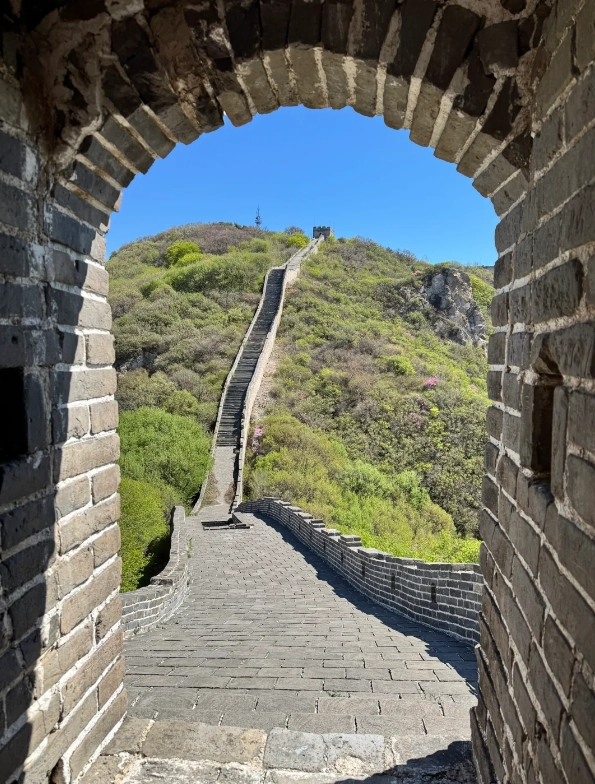
How to Get to Badaling Great Wall
Getting there is half the battle. From Beijing, you have three main options, each with pros and cons I've experienced firsthand.
By Public Bus
Bus 877 from Deshengmen Bus Station is the cheapest way, costing around CNY 12 for a 1.5-hour ride. I took it last spring, and while it's reliable, it fills up fast. Arrive before 7:30 AM to avoid standing the whole way. The drop-off point is a short walk from the entrance, but be prepared for aggressive touts selling overpriced tours.
By Tourist Train
The S2 line train from Beijing North Station offers a scenic journey through mountains and tunnels. Tickets are about CNY 6, but schedules are infrequent—check the latest on the China Railway website. I once missed the last train back and had to scramble for a taxi, so plan your return carefully.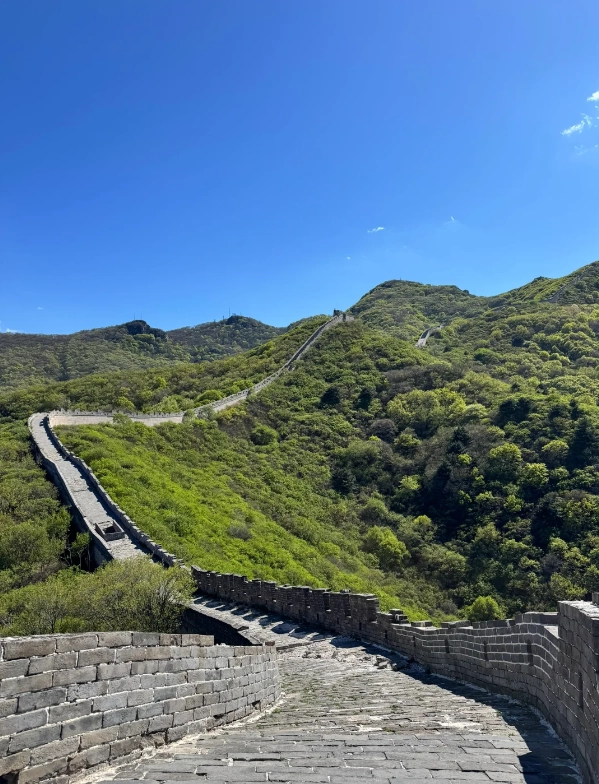
By Private Car or Taxi
Driving takes about 1.5 hours from downtown Beijing, but weekend traffic can double that. Parking near the entrance costs CNY 10-20 per hour. If hiring a taxi, negotiate a round-trip fare upfront; I've seen drivers demand extra for waiting. Carpooling with other travelers can cut costs.
Badaling Tickets and Practical Details
Here's a breakdown of costs and hours based on my recent visits. Prices are approximate and may vary by season.
| Item | Price (Approx. in CNY) | Notes |
|---|---|---|
| Adult Admission Ticket | 60 | Covers entry to the wall; peak season surcharges may apply |
| Child Ticket (under 1.2m height) | 30 | Free for children under 1.2m; bring ID for verification |
| Cable Car (One-way) | 100 | Optional; connects to the north section; queues can exceed an hour |
| Toboggan Slide (One-way) | 80 | Fun descent option; not suitable for young children |
| Audio Guide Rental | 40 | Available in multiple languages; quality is hit-or-miss |
Operating Hours: Typically 8:00 AM to 5:00 PM daily, with last entry at 4:30 PM. During summer holidays, hours may extend to 6:00 PM. I've found that arriving at 8:00 AM sharp lets you enjoy the wall in relative peace.
Address: Badaling Great Wall, Yanqing District, Beijing, China. It's roughly 70 kilometers northwest of central Beijing. The exact location is well-marked on maps like Baidu or Google Maps.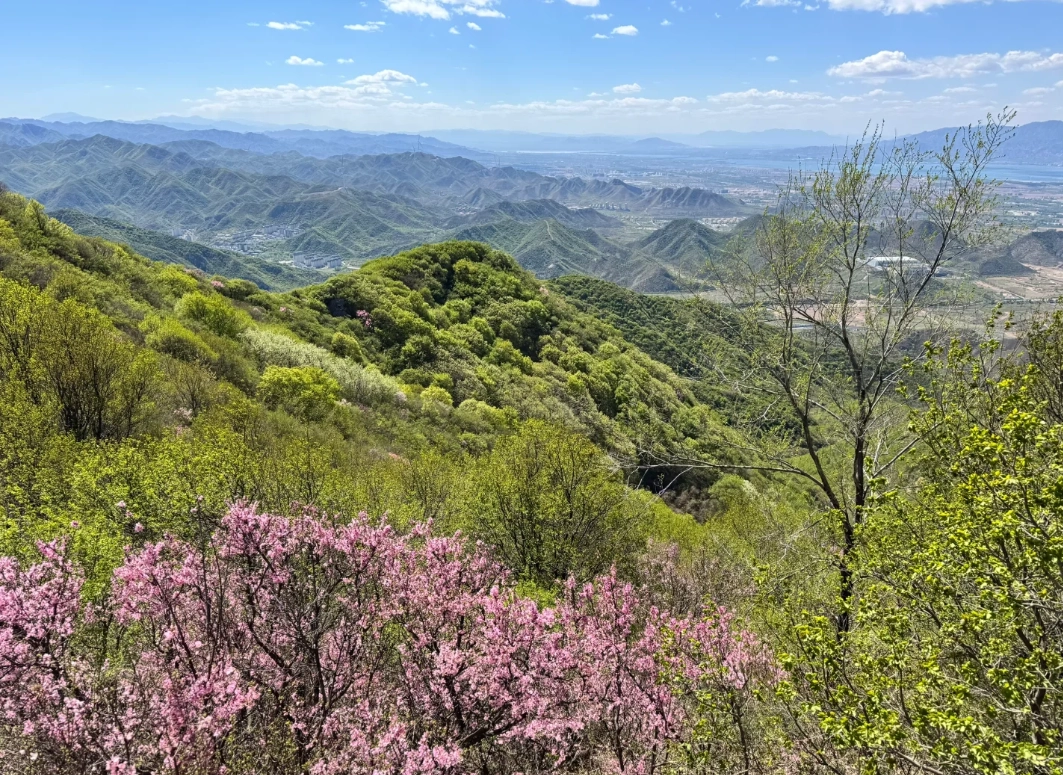
Best Time to Visit Badaling
Timing can make or break your visit. From my trips, here's what works.
Seasonal Advice: Spring (April to May) and autumn (September to October) offer mild temperatures and vibrant foliage. Summer is hot and crowded—I once visited in July, and the heat made hiking strenuous. Winter (December to February) is cold but serene; the snow-covered wall is stunning, though some facilities may close early.
Time of Day: Weekdays are always better than weekends. If you must go on a weekend, aim for arrival before 9:00 AM or after 3:00 PM. The midday rush peaks around 11:00 AM, when tour buses disgorge thousands of visitors.
What to Expect During Your Visit
Badaling is divided into north and south sections, each with a different vibe. The north side is steeper and more popular, while the south is gentler and often quieter. On my last visit, I spent two hours on the south side and barely saw anyone, whereas the north was packed.
Facilities include restrooms, souvenir shops, and food stalls, but don't expect luxury. The restrooms near the entrance are cleanest; those further up can be poorly maintained. Food options are limited to instant noodles, grilled skewers, and bottled water—I always pack my own snacks to avoid overpaying. Souvenir shops sell generic trinkets; for authentic finds, wait until you're back in Beijing.
The wall itself is well-restored with handrails, but some sections have steep, uneven steps. Wear sturdy shoes—I've seen people slip in sandals. Photography spots are plentiful, but the best views are from the higher watchtowers, which require a bit of climbing.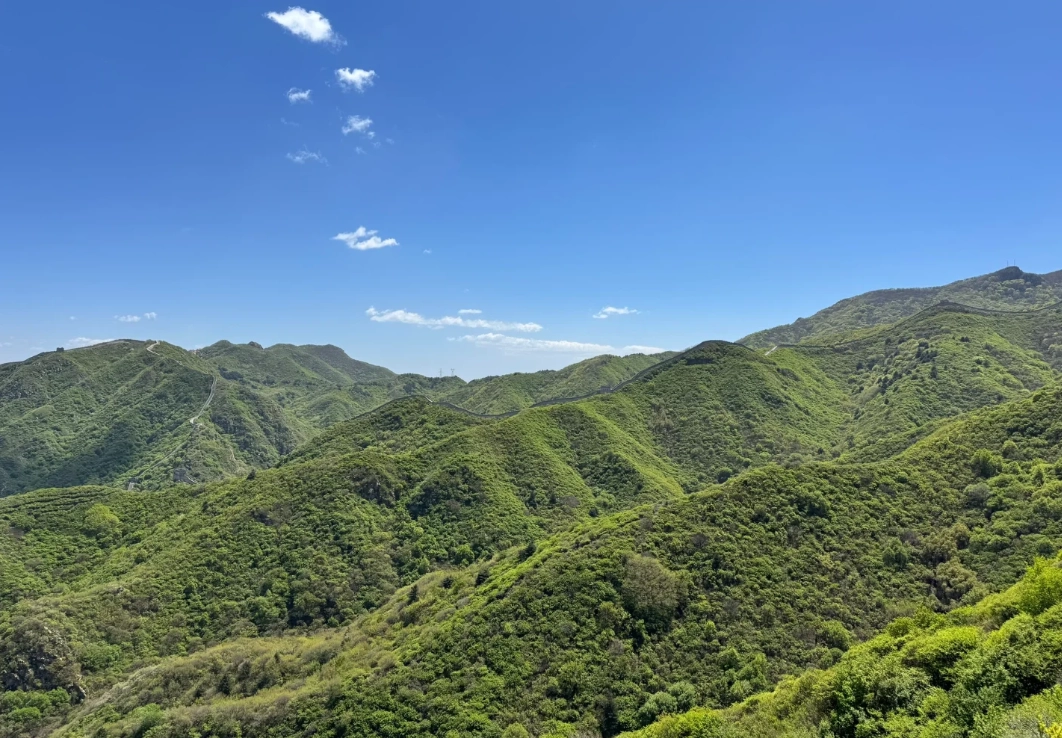
Tips for Avoiding Crowds
Most tourists follow the herd, but with a few tricks, you can find solitude. Here's what I've learned.
Take the East Gate Path: Instead of using the main entrance, enter via the east gate. It's a longer walk up, but you'll bypass the cable car queues and encounter fewer people. I did this on a Tuesday morning and had entire ramparts to myself.
Hike Beyond the Restored Sections: The restored areas end after about 1.5 kilometers; continuing further leads to wilder, less-visited parts. It's rougher terrain, but the sense of isolation is worth it. Bring water and a map—mobile signal can be spotty.
Visit During Shoulder Seasons: Late autumn or early spring sees fewer tourists. I once went in early November, and the crowds were minimal, though the weather was chilly.
Skip the Cable Car: The cable car saves time but adds to the congestion. Walking up takes 30-40 minutes and offers a more immersive experience. Plus, you'll save CNY 100 for other expenses.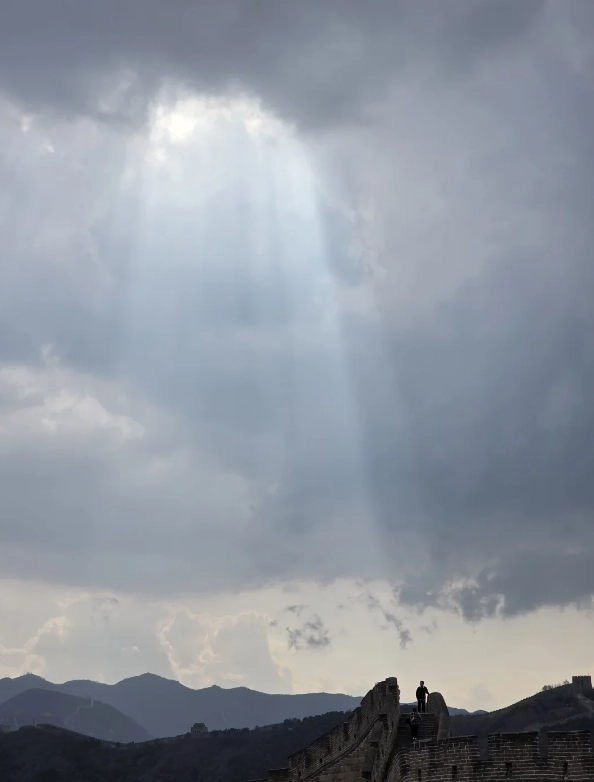
Frequently Asked Questions About Badaling Great Wall
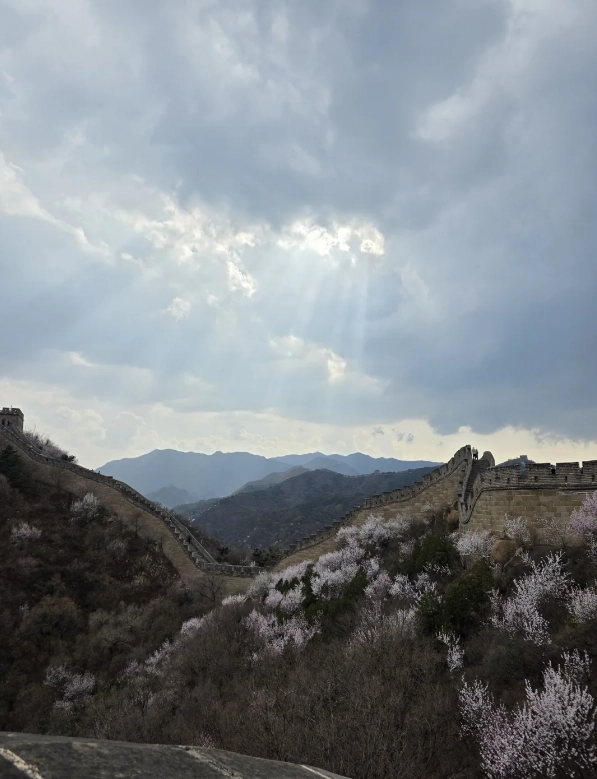 What's the difference between Badaling and other Great Wall sections like Mutianyu?
After countless visits, I've realized that Badaling's charm lies in its accessibility and history, but it requires smart planning. By following these tips, you can avoid the pitfalls and enjoy a memorable experience. The Great Wall isn't just a monument—it's a journey, and taking the time to explore it thoughtfully makes all the difference. For more insights, refer to resources like the Beijing Municipal Commission of Tourism for updates on regulations and events.





Honestly? One of the most amazing man-made structures I’ve ever seen. I was worried about the crowds (we went at 8:30am, still busy) but once you start walking away from the main entrance, it clears out fast. The restored sections are gorgeous – you can really imagine soldiers marching there. I loved seeing the original Ming dynasty bricks up close. One tip: don’t bother with the fancy restaurants near the ticket gate; they’re overpriced and mediocre. Pack a lunch and eat on the wall. Five stars without hesitation.
Hands down the best day of our China trip! We took the advice to hike from the north side entrance all the way to the highest point – it took about 3 hours with stops. The stone steps are uneven and steep, but that’s what makes it authentic. We sat on a watchtower eating bread and cheese, just soaking in the wind and history. Sunset from the wall is pure magic – golden light hitting the old bricks. If you love physical challenges and history, this is paradise. Bring a hat!!
Gorgeous scenery, no doubt – the wall snaking into the mountains is a sight I’ll never forget. But honestly, for a UNESCO site, the upkeep feels lacking in some areas. Trash bins were overflowing by midday and the public toilets were… yikes. Also, we paid for the 'premium' skip-the-line tickets but still ended up waiting 40 minutes. If you're going, bring hand sanitizer, toilet paper, and patience. Two hours on the wall itself were magical, but the rest was a hassle.
Solid 4 stars. The Great Wall itself is incredible – the views from the higher sections are postcard-perfect. However, the tourist crowds were insane even on a Tuesday. We followed the 'arrive early' advice but still ended up in slow-moving lines at the cable car. Also, the souvenir stands right at the entrance feel a bit too pushy. Pro tip: wear grippy shoes because some steps are worn smooth. Overall a must-see, but manage your expectations for the 'peaceful' experience.
Absolutely breathtaking! We got there right at 7am and it was almost empty – that's the tip I'd give anyone. The walls were quiet, the air was crisp, and we could hear our own footsteps echo. Walking up to the highest watchtower gave me chills. If you’re in decent shape, skip the cable car and take the stairs; the sense of achievement is real. Highly recommend bringing snacks and lots of water, because once you’re up there you won’t want to come down. 10/10 would do again!
Absolutely epic! Climbed from the north gate all the way to the highest watchtower—the steep sections are a real workout but the panoramic views make every step worth it. The article's tip about bringing water and snacks was spot on because there's almost nothing on the wall itself. Sunset from the top was pure magic. 10/10, a must-do in Beijing.
Honestly a letdown for the hype and price. ¥40 entry plus ¥100 for the cable car, and then another ¥80 for the slide down? The wall is cool to see but the whole area felt over-commercialized. The article mentioned 'avoid peak hours' but even at 10am it was shoulder-to-shoulder. Would recommend Mutianyu instead if you want a more authentic feel.
Went with my parents who are in their 60s—the ramp sections and cable car made it accessible for them, which was a huge plus. The article's advice on buying tickets online in advance saved us from standing in the long ticket line. We took the shuttle bus from the parking lot, super efficient. A solid half-day trip with stunning scenery.
Decent enough experience but honestly felt like a tourist factory. Crowds were insane even on a weekday, and the cable car queue took over an hour. The wall itself is impressive but the constant hawkers selling trinkets really killed the vibe. Glad I went once but wouldn't rush back.
Visited last Tuesday morning—arrived by 7:30 and basically had the place to myself for the first hour. The restored sections are super clean and the views from the north towers are breathtaking. Used the tips from this article about taking the S2 train, which saved me a ton of traffic hassle. Definitely worth the early alarm!
Pretty standard advice overall. If you've read any travel blog before, most of this will sound familiar (arrive early, buy tickets online, etc.). The writing is clear and the layout is easy to follow, but I was hoping for more offbeat tips, like which section has the best photo spots away from the crowds or how to combine the visit with a nearby section like Mutianyu if Badaling is too packed. It does the job but nothing extraordinary. Good for a quick read.
Honestly, this article is pure gold for first-timers. I'm a seasoned traveler and even I learned a few things, like the fact that the 'slide' down is actually a fun luge and not a regular slide. My kids loved it. The budget breakdown was accurate too – we didn't get ripped off by any touts thanks to the heads-up. Well-written, concise, and genuinely helpful. My only wish: more photos showing the different tower markers so we could navigate better.
Great practical guide, especially the part about avoiding the worst bottlenecks. I used the north-side route they suggested and it was much less congested. The author's tip to bring a light windbreaker even in summer was spot-on – the wind at the top was brutal! Only criticism: the parking info seemed outdated (the shuttle bus stop has moved). Still, saved me a headache. 4 stars because it's 90% accurate.
Decent overview, but I felt it missed some important details. For example, it mentions 'wear comfortable shoes' but doesn't say how steep sections 8-11 really are. I ended up in sneakers that were fine on flat ground but had zero grip on the worn-down stone steps. Also, the restaurant recommendation wasn't great—the place they suggested was overpriced and the food was lukewarm. A useful starting point, but do your own research too.
This article saved my trip! I was so nervous about navigating the crowds at Badaling, but the tips about going early and buying tickets online were spot on. I arrived at 7:30 AM and had nearly the whole wall to myself for an hour. The part about which cable car to take was also super helpful. Honestly, couldn't have asked for a smoother visit. 10/10 recommend reading this before you go.