 Bo Wu
Bo Wu
Quick Guide to the Best Spots
- Why Timing Is Everything (and Most Tourists Get It Wrong)
- Forbidden City Photography: Beat the Crowds, Not Your Back
- Temple of Heaven: The Echo Wall and the Perfect Frame
- Hutong Photography: Where the Real Beijing Lives
- Modern Beijing: Bird’s Nest and the CBD Skyline
- Night Photography: Lights, Reflections, and Quiet Rooftops
- FAQ: Your Questions Answered
Three hours. That’s how long my clients stood at the South Gate of the Forbidden City last Saturday—sweating, regretting every life choice. I saw them from across the square, and I knew exactly what went wrong. They followed the generic advice: “arrive early.” But early doesn’t cut it when everyone else also read the same blog. You need a strategy. Forget the glossy brochures—if you don’t know the exact WeChat mini-program trick AND the secret side entrance, you aren’t getting those clean shots. Let me save you the pain.
I’ve spent eight years guiding photographers through Beijing. I’ve booked the wrong tickets, waited in the wrong lines, and cursed the midday sun more times than I can count. Here is how to actually get the iconic (and the hidden) shots without losing your sanity. I’ll show you where to stand, when to click, and what to avoid—including the one spot every guidebook recommends but I’d skip.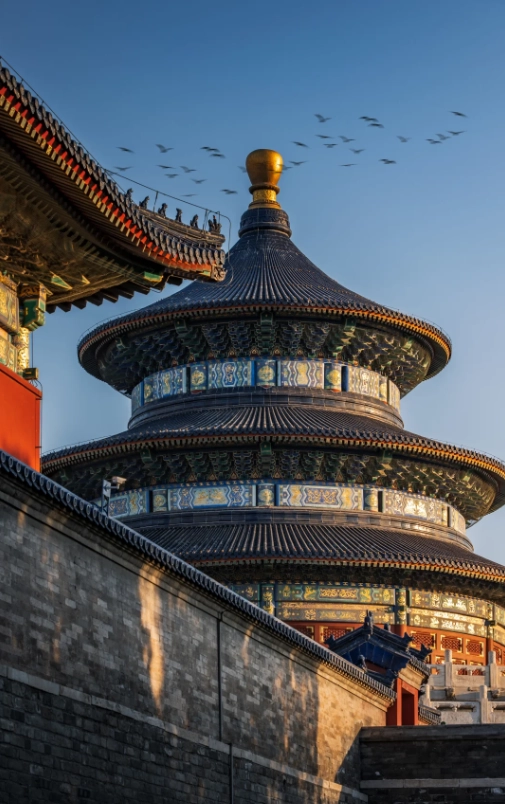
Why Timing Is Everything (and Most Tourists Get It Wrong)
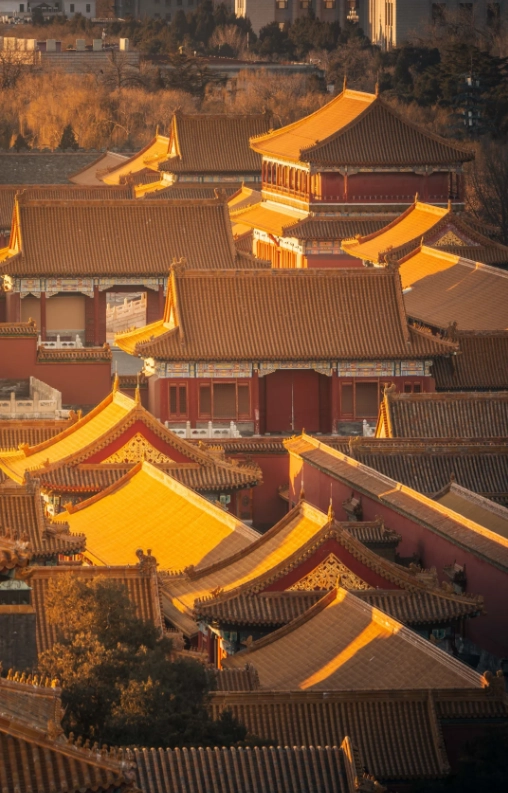
Beijing light is harsh between 10 a.m. and 2 p.m. The sky goes white, shadows disappear, and you get a flat, overexposed mess. I always tell my groups: shoot at golden hour, but not the usual one. Sunrise (around 5:30 a.m. in summer, 7 a.m. in winter) gives you empty temples and soft light. Sunset (4–5 p.m. in winter, 6:30–7:30 p.m. in summer) lights up the Forbidden City rooftops with a warm glow.
Here is the catch: most visitors come during China’s national holidays (October 1–7, May 1–3, and Chinese New Year). Avoid these weeks unless you enjoy photo-bombing strangers. Midweek, off-season (November to February, except Spring Festival) is your best bet. Even then, you need to time each spot right—I break it down below.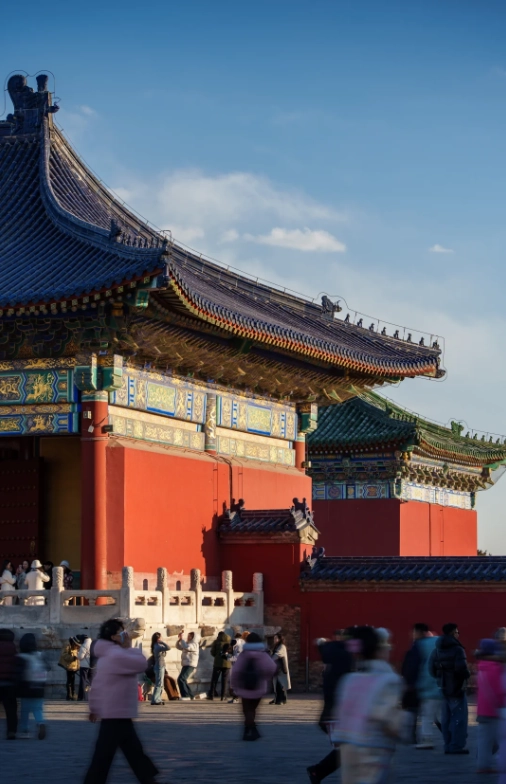
Forbidden City Photography: Beat the Crowds, Not Your Back
The Forbidden City is the top Beijing photography spot, but it’s also a logistical nightmare. Here’s my battle-tested plan:
Ticket & Entry Strategy
You must book online in advance. Walk-up tickets are gone since 2019. Use the official WeChat mini-program (search “故宫博物院” — yes, all in Chinese). If that fails, ask your hotel receptionist to book for you. International credit cards often don’t work, so have a Chinese friend or WeChat Pay ready. Alternatively, use Trip.com or a trusted third-party site—but they mark up the price (standard ticket is 60 RMB peak season, 40 RMB off-season). Senior citizens over 60 and children under 18 get half-price discounts, but only with Chinese ID—foreign passports? Full price, sorry.
| Detail | Info |
|---|---|
| Address | 4 Jingshan Qianjie, Dongcheng District (nearest subway: Tiananmen East, exit B) |
| Opening Hours | 8:30 a.m. – 5:00 p.m. (last entry 4:10 p.m.) in peak season (Apr–Oct); 8:30 a.m. – 4:30 p.m. (last entry 3:30 p.m.) in off-season (Nov–Mar). Closed on Mondays (except public holidays). |
| Best Photography Time | Sunrise at the outer perimeter (empty boulevard), then enter immediately at opening for the marble steps and halls. By 10 a.m., crowds flood in. |
| Worst Time | Noon: harsh light, thousand selfie sticks. Avoid. |
| Secret Tip | Skip the central axis after 9 a.m. Head to the Eastern Palaces (less crowded, beautiful smaller courtyards) and the Imperial Garden’s rockeries for framed shots. |
Getting There Without a Hassle
Do not take a taxi to the South Gate (Wumen). Traffic stops you 500 meters away, and you’ll walk alongside tour groups. Instead, take subway Line 1 to Tiananmen East, exit B. Walk north through the security checkpoint (have your passport ready). Security lines are longest at the South Gate; if you enter through the East or West gates, they are shorter. Wheelchair accessibility is okay for the main path, but side courtyards have bumpy stone roads—a challenge for strollers too.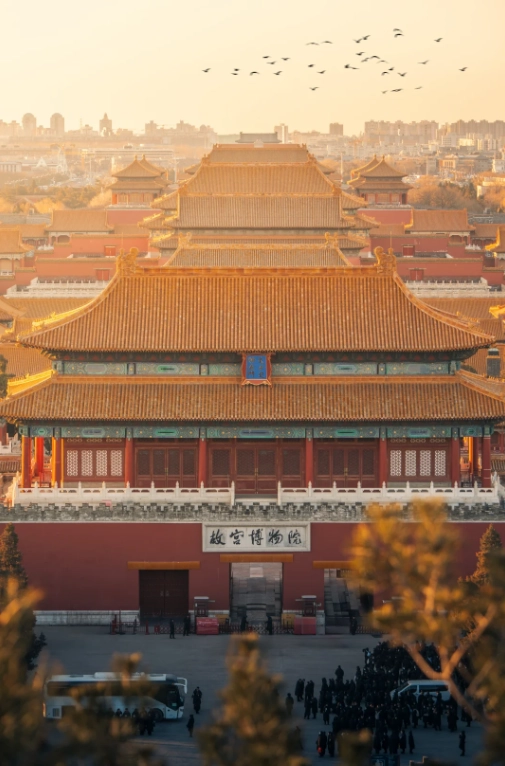
Temple of Heaven: The Echo Wall and the Perfect Frame
This is my personal favorite for wide-angle shots. The Hall of Prayer for Good Harvests is iconic, but don’t stop there. The surrounding park fills with locals practicing tai chi and calligraphy on the ground—much more candid than the man-made posing of tourists. I once spent 45 minutes just watching an elderly man write water poetry on the stones. The light was perfect at 4:30 p.m. (March).
Key details:
- Address: 1 Tiantan Road, Dongcheng District. Subway: Line 5 to Tiantandongmen, exit A. Walk 10 minutes east to the South Gate (the main entrance).
- Ticket: 34 RMB for the park only; 50 RMB for the park + main attractions (Nov–Mar), peak season 45/70 RMB. Seniors 60+ half-price with Chinese ID, children under 18 half-price. Book on WeChat mini-program “天坛公园” or on-site but buy the full ticket online to avoid queues.
- Hours: Park opens 6:00 a.m. (summer) / 6:30 a.m. (winter); sightseeing buildings open 8:00 a.m. – 5:30 p.m. (last entry 5:00 p.m.). The park itself closes at 9:00 p.m. (summer) / 8:00 p.m. (winter).
- Photography tip: The circular Echo Wall around the Imperial Vault of Heaven creates leading lines. Shoot with a wide lens from ground level. Best visited on a sunny day with white clouds. Avoid during rainy days—the stonework gets slippery and the colors muted.
Hutong Photography: Where the Real Beijing Lives
Every guide lists the hutongs. But most tourists end up in Nanluoguxiang—packed, loud, and full of souvenir shops. Forget it. I take my groups to Fangjia Hutong near the Lama Temple. It’s quiet, with local residents playing mahjong, hanging laundry, and cats sleeping on rooftops. The alley is about 800 meters long, and the best light comes in the late afternoon when the sun angles through the trees. No ticket needed—it’s a living neighborhood so be respectful.
Address: Fangjia Hutong, Dongcheng District. Nearest subway: Yonghegong Lama Temple, exit B (Line 2/Line 5). Walk east 5 minutes.
Watch out for: Motorcycles speeding through narrow lanes. Keep your camera strap around your neck. Also, some residents politely ask not to be photographed—smile, nod, and move on. I always carry small gifts (like postcards from my hometown) to offer if I want a portrait. It works wonders.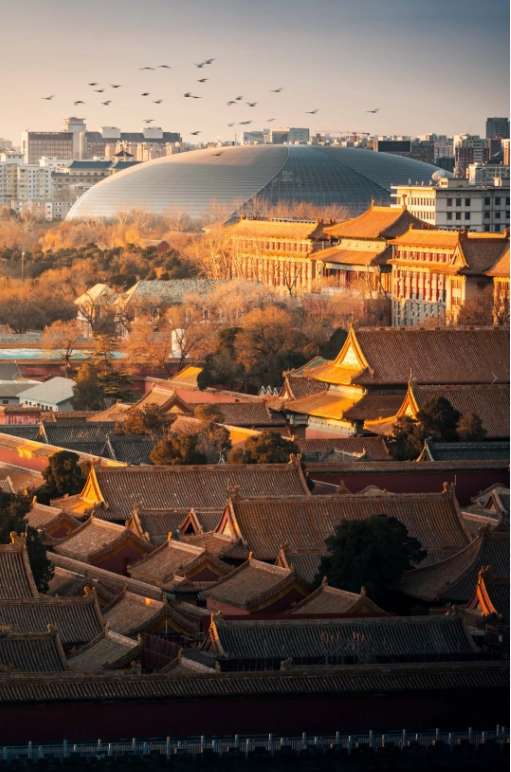
Modern Beijing: Bird’s Nest and the CBD Skyline
Olympic Park
The Bird’s Nest and Water Cube are at their best at dusk when the lights come on. Entry to the park is free, but entering the Bird’s Nest costs 50 RMB. The reflection pool in front of the stadium creates a mirror image. Best angle: stand at the southwest corner of the pool, shoot toward the Bird’s Nest with the sun setting behind it. Use a tripod for long exposure. No tripod policy? Actually, tripods are allowed in the outdoor plaza, but inside the stadium they’re banned. Security tip: The square has uniformed guards who check bags—you can bring a small tripod without issues.
Address: Olympic Park, Chaoyang District. Subway: Line 8 to Olympic Park, exit D. Or Line 15 to Olympic Park, exit H.
CBD (Guomao) Skyline
For the futuristic Beijing, go to the top of China World Summit Wing (80th floor of the China World Tower). The observation deck is free if you dine at the Grill 79—a pricey meal (around 500 RMB per person), but you get access. Otherwise, the nearby Park Hyatt Beijing lobby lounge on the 66th floor offers great views with a coffee (about 80 RMB). The best time is 30 minutes before sunset: secure a window seat, order a drink, and shoot the sunset over the CCTV building (the “Big Pants”).
Alternative free spot: The pedestrian bridge at the intersection of East Third Ring Road and Jianguomen Outer Street. Stand on the bridge looking west toward the CBD—you get car trails and the illuminated skyscrapers in one frame. Bring a tripod.
Night Photography: Lights, Reflections, and Quiet Rooftops
Beijing transforms after dark. The Forbidden City gates close, but the moat and the corner towers are beautifully lit. Best night spot: The Jingshan Park hill (Jingshan Hill) offers a panoramic view of the Forbidden City rooftops and the modern skyline behind. Jingshan Park is open until 9 p.m. (last entry 8:30 p.m.) in summer, and until 8 p.m. in winter. Ticket is 2 RMB (yes, two yuan). Climb to Wanchun Pavilion—it’s steep but worth it. I recommend arriving 20 minutes before sunset, shooting the golden hour, then staying until the city lights turn on. Warning: The park is very popular, so the top platform can get crowded. I usually go on a weekday in low season—I had it almost to myself in January.
Another hidden gem: Houhai Lake at night. The bars along the lake are bright, but walk to the northwest corner near the Silver Ingot Bridge (Yinding Bridge). The reflection of the lit-up willow trees and distant Drum Tower is stunning. Bring a wide-angle lens and a tripod; use a 2-second self-timer to avoid camera shake.





I've lived in Beijing for two years and thought I knew all the photo spots. This list introduced me to a tiny garden behind the Bell Tower that I'd walked past a hundred times. The autumn colors against the grey brick walls, a cat napping on an old stone drum – pure serendipity. Every shot felt like a story. The article's emphasis on 'finding the moment' really resonated. Perfect for anyone who wants to photograph the city's heartbeat, not just its postcard landmarks.
The recommendation to photograph the National Stadium from a specific bridge at blue hour was pure magic. I followed the exact GPS coordinates, and the reflection in the artificial lake created a mirror-like effect with the birds flying overhead. No crowds, just me and my tripod. That single frame is now the cover of my travel album. I cannot recommend this spot enough – it's the soul of modern Beijing captured without a single cliché.
Went to the 'secret' angle at the Temple of Heaven park. Honestly, it was nothing special. The so-called 'perfect framing' involved standing in a muddy patch behind a bush while dodging morning tai chi groups. The light was flat and the shot turned out just okay. Maybe I was there on an off day, but given the hype, I expected more. Not a total waste, but I'd skip this tip next time.
Tried the lesser-known rooftop spot near Dashilan they recommended. Yes, the view of the modern skyline clashing with the old hutong rooftops was stunning. But be warned: the owner of the building now charges 50 RMB just to go up, and the ladder was a bit sketchy. Still worth it for a unique angle, but I wish the article had mentioned the fee and safety issues beforehand.
I followed the guide's advice and hit the hutong alleys around Gulou at 5:30 AM – absolute gold. The soft morning light filtering through the old courtyard gates, steam from a dumpling shop, and barely any tourists. Got some of my best street portraits there. The map they provided was spot-on, saved me from wandering aimlessly. If you want to avoid the cliché Forbidden City mob, this is the real deal.