 Lei Li
Let's be honest. Planning a trip to the Great Wall can feel overwhelming. Which section do you pick? How do you even get there from Beijing? I've stood on many parts of this ancient wonder, and after countless visits with friends and family, I keep coming back to Mutianyu. It strikes this perfect balance – breathtaking views without the shoulder-to-shoulder crowds of Badaling, and enough authentic, unrestored sections to make you feel the history in the stones under your feet. This guide isn't just a list of facts. It's the blueprint I wish I had on my first visit, packed with the logistical details you need and the on-the-ground insights that make the difference between a good day and an unforgettable one.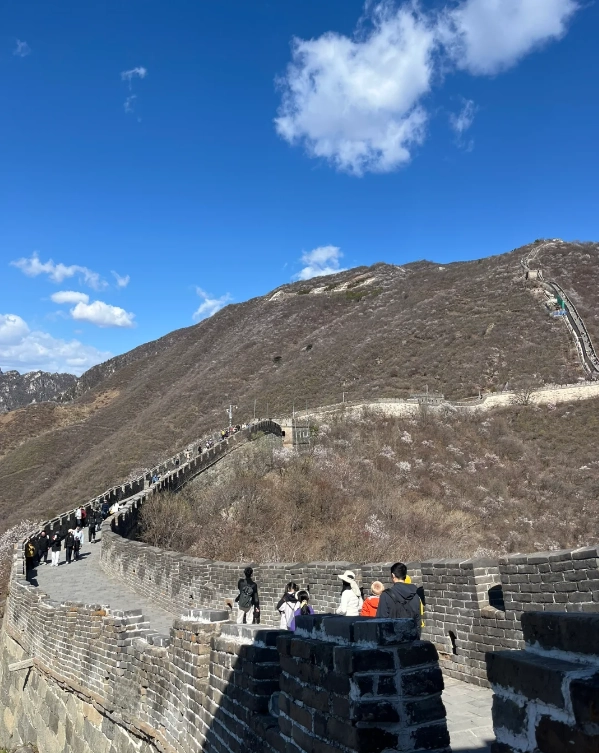
What You'll Find in This Guide
Why Choose Mutianyu Over Other Sections?
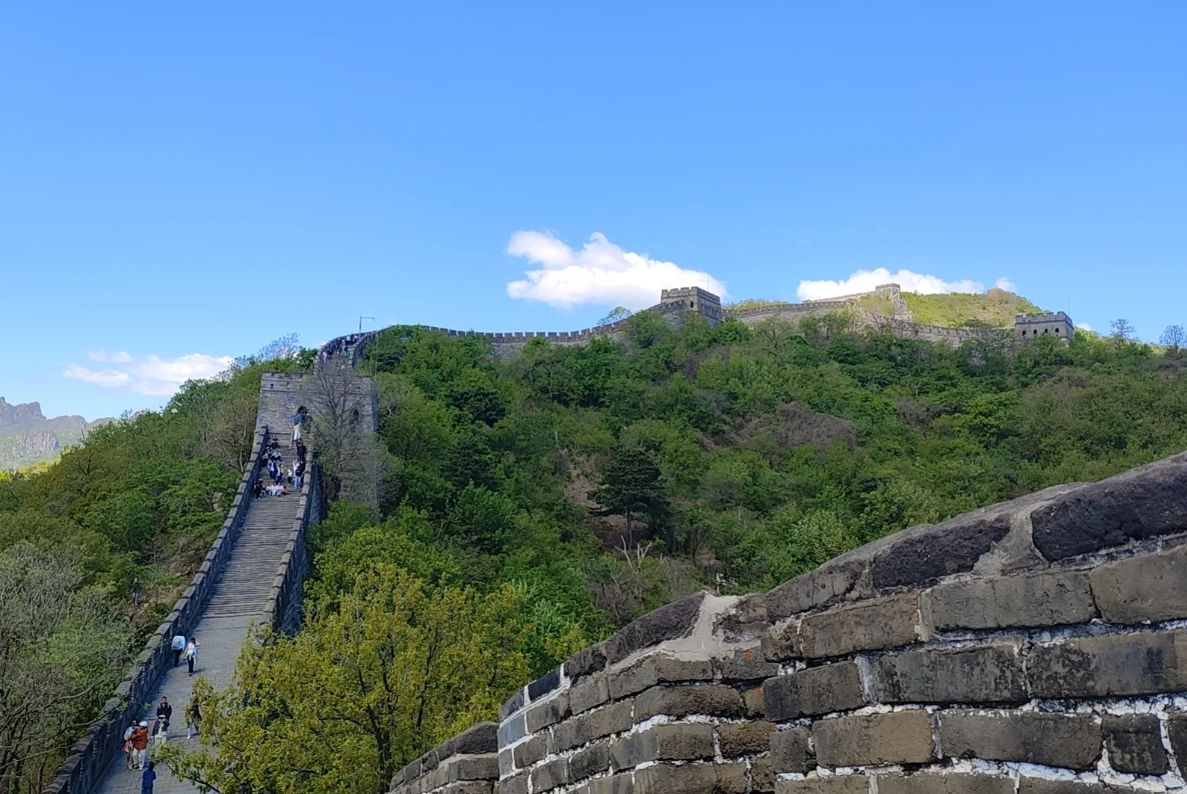
You have options near Beijing: Badaling, Juyongguan, Jinshanling. Here's my take. Badaling is the famous one, sure. It's also the one where you'll spend half your time navigating tour groups. The restoration there is impeccable – almost too perfect, losing some of the rugged character. Mutianyu feels different. The surrounding hills are densely forested, especially beautiful in autumn when the leaves turn. The wall itself snakes over the ridges with a rhythm that's photogenic from every angle.
I remember the first time I stood at Tower 14, looking east. The wall disappeared into a sea of green, the silence broken only by birds. You can't buy that feeling. It's less crowded because the logistics require a tiny bit more effort than the direct train to Badaling, which filters out a significant number of last-minute visitors. It's family-friendly with a cable car and a famous toboggan slide, but also offers serious hiking for those who want it. It's the Goldilocks zone.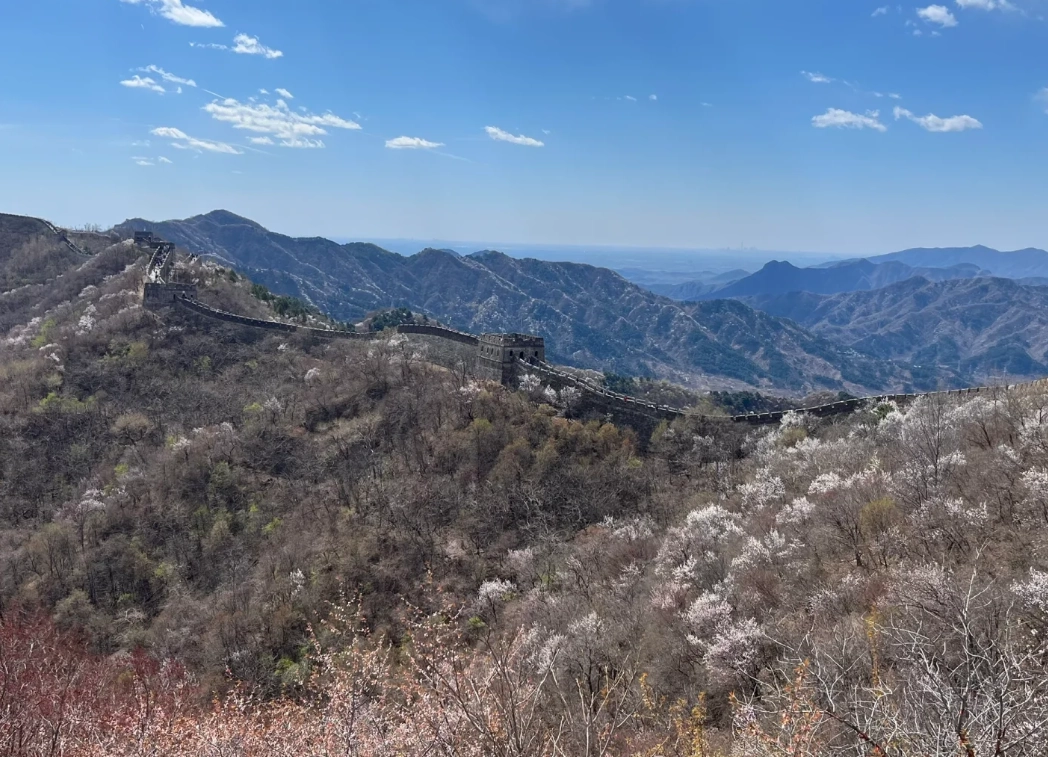
How do I get to Mutianyu Great Wall from Beijing?
This is the main hurdle, and getting it right sets your whole day up for success. There are three realistic ways, each with a different trade-off between cost, time, and convenience.
Option 1: Public Bus (The Budget Choice)
Take subway Line 2 to Dongzhimen Station. Exit and walk to the Dongzhimen Public Transport Hub. Look for bus 916 Express (快车). This is key – make sure it's the Express, not the local 916. The ride to Huairou North Avenue takes about 70-90 minutes, depending on traffic. Cost is about 12 RMB. From that bus stop, you'll need to hire a local minivan or taxi for the final 20-minute ride to the Mutianyu ticket gate. This last leg costs around 40-50 RMB for the car. Total one-way time: 2 to 2.5 hours.
Option 2: Private Taxi or Ride-Hailing (The Convenience Choice)
Booking a car for the day is simpler than it sounds. Using an app like Didi (China's Uber) or negotiating with a taxi driver at your hotel. Expect to pay 600-800 RMB for a round trip, including the driver waiting for 3-4 hours. The drive is about 1.5 to 2 hours each way. This is ideal for groups of 3-4 people, splitting the cost. You get door-to-door service and control over your schedule.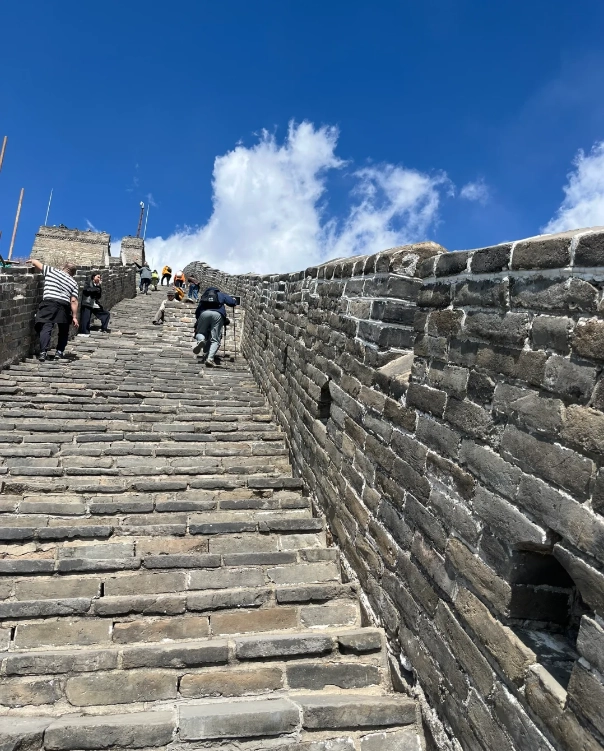
Option 3: Tourist Bus (The Balanced Choice)
This is a newer and excellent option. The Mutianyu Special Tourist Line departs from Dongzhimen Outer Street (near the bus hub) at 8:30 AM. It goes directly to the Mutianyu parking lot, no transfer needed. The return bus leaves Mutianyu at 4:00 PM. Round-trip fare is about 50-60 RMB per person. It's reliable, direct, and gives you a fixed schedule to work around. Check the latest info on the official Beijing tourism website for current departure points and times.
Mutianyu Great Wall Tickets and Opening Hours
Let's break down the costs. You need an entrance ticket, and then you need to decide how you're getting up to the wall itself. Walking up is free but strenuous.
| Item | Adult Price (RMB) | Notes |
|---|---|---|
| Entrance Ticket | 45 | Mandatory. Covers access to the scenic area and the wall. |
| Cable Car (Round Trip) | 140 | Takes you to Tower 14. A smooth, scenic ride. |
| Chairlift Up & Toboggan Down | 140 | Goes to Tower 6. The toboggan slide down is a blast. |
| Single Trip (Cable Car or Chairlift) | 100 | Useful if you plan to hike one way. |
| Shuttle Bus (Ticket Gate to Foot of Wall) | 15 | Saves a 30-minute walk on a paved road. Worth it. |
Opening Hours: 7:30 AM to 6:00 PM (April to October), 8:00 AM to 5:30 PM (November to March). Last entry is usually one hour before closing.
You can buy tickets at the site, but I recommend using the official WeChat account or a trusted travel app like Trip.com to purchase in advance, especially during Chinese national holidays. It saves queuing.
What are the best hiking routes at Mutianyu?
The wall stretches for about 2.5 kilometers between the main access points at Tower 6 (west) and Tower 14 (east). Your choice of transport up dictates your starting point and the flavor of your hike.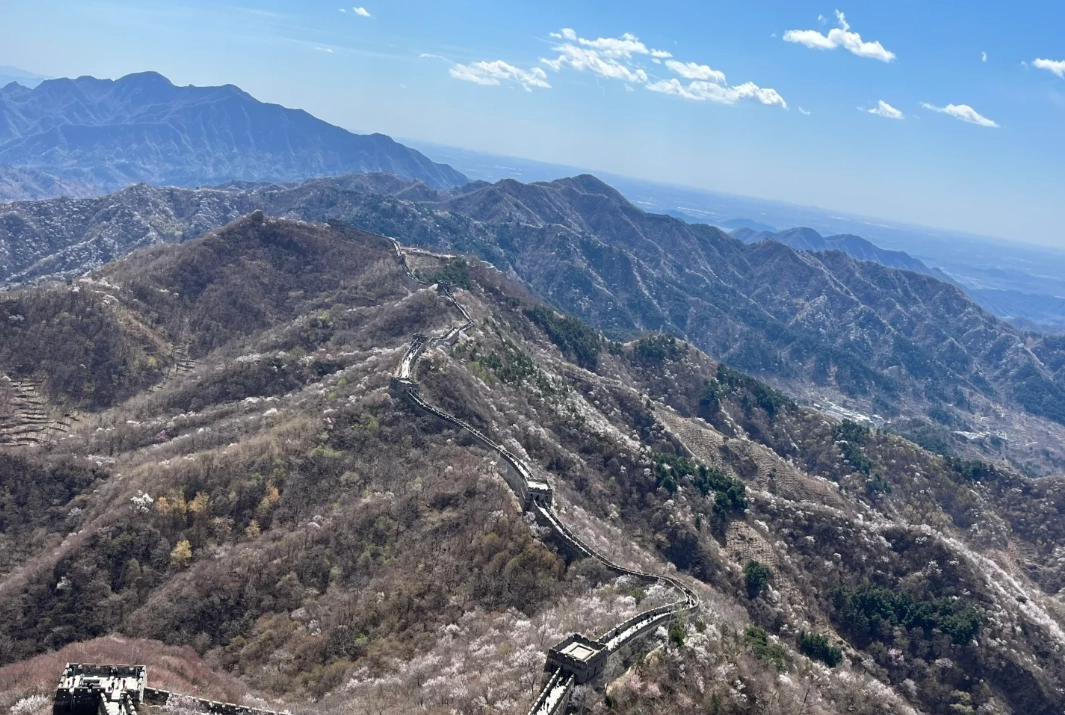
The Classic Eastward Hike (From Tower 14)
Take the cable car to Tower 14. From here, hike east towards Tower 23. This is my preferred direction for first-timers. The views looking back towards the central section are iconic. The walk from Tower 14 to Tower 20 is moderately challenging, with some steep steps. Tower 20 is the highest point currently open at Mutianyu. The section beyond to Tower 23 is less restored, quieter, and feels more ancient. Plan for 2-3 hours for a relaxed hike to Tower 20 and back to Tower 14 for the cable car down.
The Western Adventure (From Tower 6)
Take the chairlift to Tower 6. Hike west from here. This section is steeper and sees fewer visitors. You'll quickly leave the crowds behind. The climb up to Tower 1 (known as The Big Corner) is demanding but rewarding. Honestly, the western route kicked my butt the first time – the stone steps are worn smooth in the middle and can be quite steep. Good shoes are non-negotiable here. This route feels more exploratory.
The Full Traverse (For the Ambitious)
Take the chairlift to Tower 6, hike east all the way to Tower 14 (or even to Tower 20), then take the cable car down. This covers the most scenic and varied terrain. It's a solid 4-5 hours of walking with lots of ups and downs. Carry plenty of water and snacks. There are small vendors at Towers 6, 14, and sometimes 19 selling water and ice cream at a premium.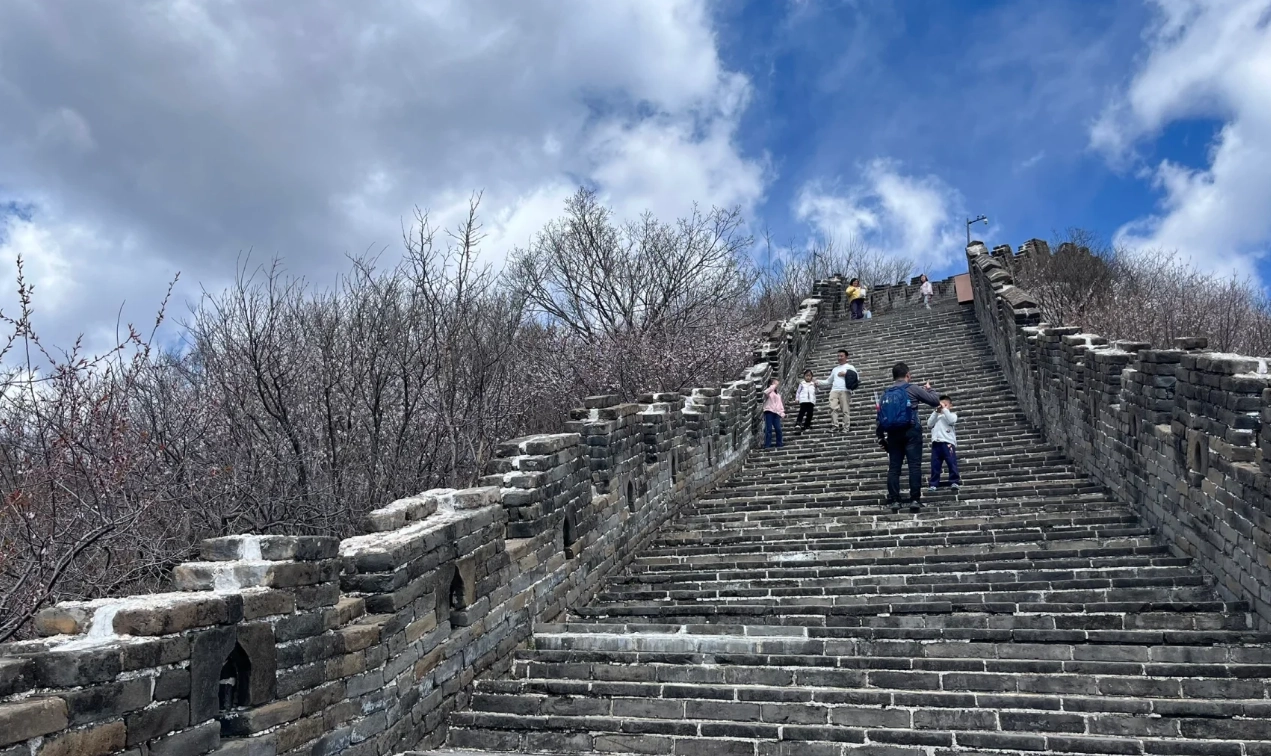
Essential Tips for Your Mutianyu Visit
These aren't just generic tips. These are the things you realize after a few trips, the small adjustments that make the day smoother.
Footwear is Everything: I've seen people in flip-flops. Don't be that person. Wear sturdy sneakers or hiking shoes with good grip. The steps are uneven, often steep, and can be slippery if damp.
Start Early, or Finish Late: Aim to arrive at the ticket gate by 9 AM. Most tour buses and private cars arrive between 10:30 AM and 2 PM. Alternatively, a late start arriving around 1 PM means you'll hit the wall as the morning crowds are leaving. The light for photography is often better in the late afternoon anyway.
Pack Smart: Water (at least 1 liter per person), sun protection (hat, sunscreen – there's minimal shade on the wall), and some high-energy snacks. A light layer is wise; it can be windier and cooler up on the ridges than in the parking lot.
Lunch Options: There's a cluster of restaurants in the village at the foot of the scenic area (before you take the shuttle bus). They serve standard Chinese fare – rice, noodles, stir-fries. The Xiangshui Lake Fish Restaurant is a local favorite for its fresh fish. Prices are reasonable for a tourist spot. You can also pack a picnic to eat on the wall, but please carry all your trash out.
The Toboggan: Yes, the alpine slide down from Tower 6 is as fun as it looks. It's safe if you follow the rules (control your speed, don't bump the person in front). The line can get long around mid-afternoon. If you want to ride it, factor in potential wait time.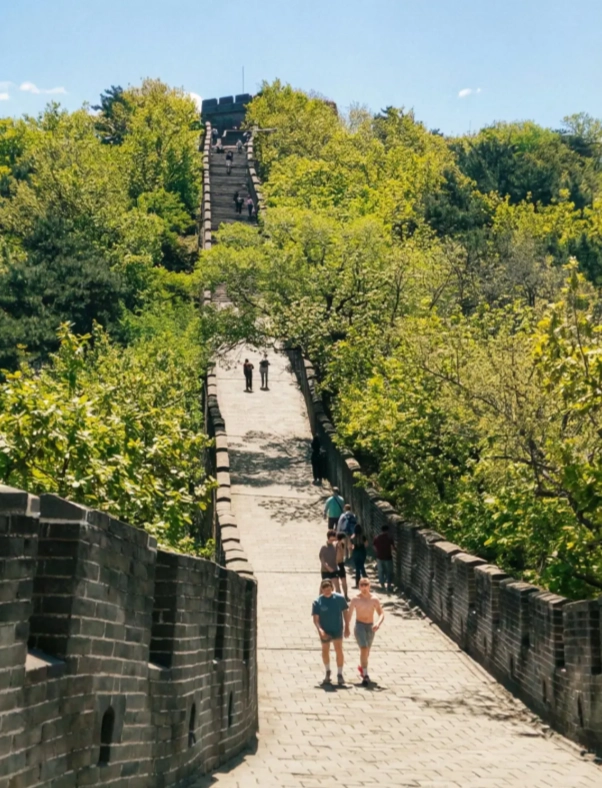
Frequently Asked Questions (FAQ)
 What if it rains on the day of my visit?
Mutianyu offers a version of the Great Wall experience that feels both accessible and authentic. It rewards a little planning. Get there early, choose your route based on your energy and curiosity, wear decent shoes, and take your time. Listen to the wind in the pines and imagine the watchfires that once burned in the towers. That's the moment you come for. That's the moment Mutianyu delivers, consistently.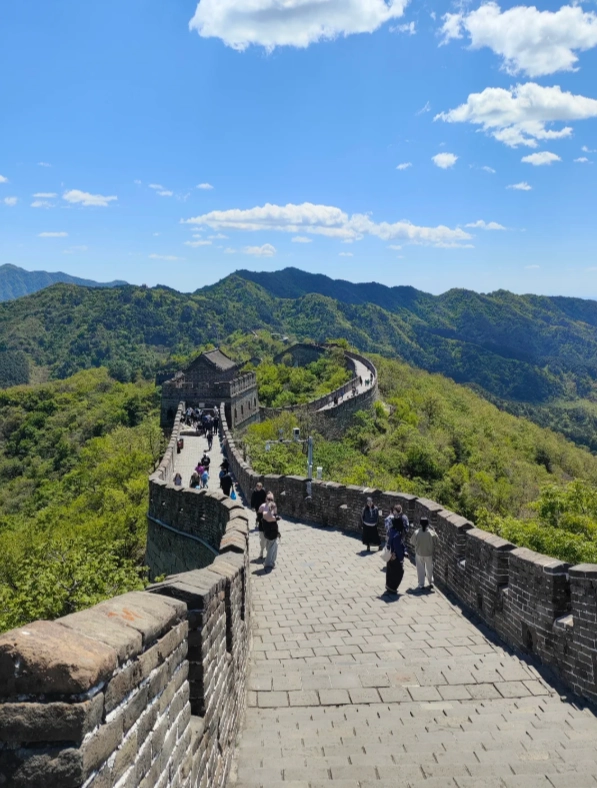
This guide is based on multiple personal visits and cross-referenced with current official information. Details like transport times and prices are subject to change; verifying on official channels close to your travel date is always recommended.





Decent experience overall but didn’t blow me away. The weather was hazy the day I went, so the views weren’t as spectacular as photos suggest. The crowd management was okay — not too packed, but the constant stream of vendors offering water and selfie sticks got annoying. The toboggan ride was fun but short, and the line took almost 30 minutes. For the price (entrance + cable car + toboggan), I expected a bit more polish. Still, it’s the Great Wall, so you can’t go wrong — just manage your expectations.
I’ve visited a few sections of the Great Wall over the years, and Mutianyu remains my favorite. The restoration here is tasteful — you get the ancient feel without crumbling danger. I especially loved the watchtowers with original brick arches. The chairlift up and slide down is a blast, though I’d advise against it if you have heavy bags. Only small gripe: the public toilets near the top could be cleaner. Other than that, a fantastic day trip. Would do it again in a heartbeat.
Mixed feelings. The wall itself is magnificent — no doubt about that. But the whole experience felt a bit too commercialized for my taste. You’re funneled through souvenir shops, the food options near the entrance are overpriced and mediocre, and the ticket price plus cable car adds up quickly. I get that it’s a major tourist attraction, but I wish there were more benches or shaded rest areas along the wall. If you’re on a tight budget or hate crowds, maybe pick a lesser-known section.
We brought our two kids (ages 8 and 10) and this part of the Wall was perfect for them. The path is well-maintained, with railings in the steeper sections, and the toboggan ride down was the highlight of their entire trip. We went on a Saturday, and while there were crowds near the cable car station, once you walked 15 minutes east it thinned out a lot. Plenty of shade in sections too — not like those exposed parts of Badaling. Totally worth the 1.5-hour drive from central Beijing.
Absolutely stunning! I went on a weekday in early October and practically had entire sections to myself. The walk from the 14th watchtower to the 20th was challenging but rewarding — those steep steps really make you work for the views. The air was crisp, and you could see the forest turning orange and gold. Highly recommend taking the cable car up to save energy for the hike. One of those rare tourist sites that actually exceeds the hype.
A solid choice for a day trip from Beijing. The wall itself is impressive and well-maintained. However, the entire tourist zone feels overly commercialized – constant hawkers, overpriced food, and long queues for the cable car on the way back. The actual walking on the wall was rewarding, but the whole experience could be smoother. Not bad, but I expected a bit more authenticity.
Best day ever! We took our 8-year-old and he absolutely loved the cable car and the toboggan slide down. The wall is steep in parts but doable with kids. We went early (7:30 am) and had almost the whole place to ourselves for the first hour. The staff were friendly and the bathrooms were surprisingly clean. Highly recommend!
Honestly a bit let down. We went on a Saturday in July and it was packed – like shoulder-to-shoulder on some sections. The heat was brutal and there are hardly any shaded spots. The vendors selling water at the top charged 3x the normal price. The wall itself is magnificent, but the overcrowding and lack of crowd control really killed the vibe for me.
Great experience overall, but the shuttle bus system from the parking lot to the entrance was a bit chaotic and we had to wait 30 minutes. Once on the wall, the views are breathtaking and the restoration is well done. The toboggan ride down was fun but overpriced (100 RMB). Still worth it for the photos and the fresh mountain air.
Absolutely stunning! The restored sections of the wall are incredibly impressive, and the walk up to the watchtowers gives you a real sense of history. The cable car ride was smooth and offered panoramic views of the autumn foliage. Not too crowded on a weekday morning. Definitely the highlight of my Beijing trip. Bring water and good shoes!
This was hands down the highlight of our Beijing trip. The guide's recommendation to take the direct bus from Dongzhmen was a lifesaver – super convenient and cheap (40 yuan one way). We arrived at 9 AM, took the cable car up, and walked all the way to the 20th watchtower and back. The views are postcard-perfect, especially looking down the valley with autumn colors. The best part? No one rushing you. We spent 4 hours up there. The only small hiccup was the long line for the toboggan (30 min wait) but it was worth it. Absolutely 5 stars – would go again in a heartbeat.
Honestly, I'm a bit let down. Maybe I had too high expectations from the 'Complete Visit Guide' which made it sound like a perfect escape. It's still a great wall, yes, but the section is heavily commercialized – souvenir stalls everywhere, constant honking from the shuttle buses, and the staff at the ticket office were rude when we asked about group discounts. The wall itself is beautiful but we only managed to walk 1.5 km before the crowds thickened (even on a Tuesday). The toboggan was fun but over in 3 minutes. For the price (600+ yuan per person with transport and cable car), I'd say it's not the best value. Three stars – good, not great.
Visited on a rainy weekday in October and it was surreal – mist rolling over the towers, almost no one around. The guide's advice about off-season travel is spot on. We took the chairlift up (more scenic than cable car) and walked about 3 km east. The restoration work is tasteful, not Disney-fied. The only downside: the restrooms at the base were absolutely disgusting, and the ticket process was confusing – we had to show our passports twice. Still, 4 stars because the experience itself is unforgettable. Just come prepared for minor bureaucratic annoyances.
Mutianyu is great if you want a less touristy vibe, but the guide in the article really oversells the 'easy' part. Yes it's restored, but the stairs are still brutal – especially the steep sections near the watchtowers. We went in July and the heat was killer despite the morning start. Also, be prepared for aggressive hawkers at the entrance selling water for 10 yuan each. The wall itself is magnificent, but the shuttle bus from the parking lot to the cable car is a chaotic mess. Rating 4 because overall it's a solid experience, just lower your expectations on convenience.
Just got back from a day trip to Mutianyu and honestly, it was worth every minute of the 2-hour drive from Beijing. The cable car up was smooth and the views from the wall are absolutely breathtaking – way less crowded than Badaling. We followed the 'Complete Visit Guide' tips about arriving early (we left at 6:30 AM and got there by 8:30) and it made all the difference. Hardly any lines. The toboggan ride down was the cherry on top. If you're debating which section to visit, this is the one. Pro tip: bring snacks, the food at the base is overpriced and mediocre.