 Lei Li
Let's be honest. When most people picture Beijing, they see the Forbidden City, Tiananmen Square, or the Great Wall. Those are magnificent, but they're also monuments—grand, imposing, and often crowded. They don't breathe. If you want to feel the city's pulse, to walk where daily life has unfolded for centuries, you need to get lost in a hutong. And there's no better place to start than Nanluoguxiang.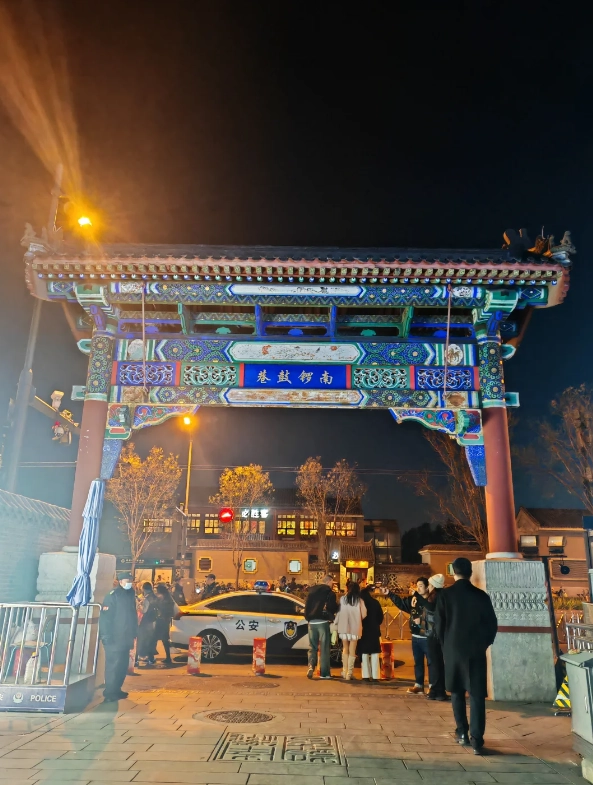
I've walked this alley dozens of times over the years, and my relationship with it has changed. On my first visit, it was a novelty—a bustling lane of trinkets and tourists. Now, I see it as a gateway. The main strip is just the introduction; the real story is in the quiet, spider-webbing lanes that shoot off from it. This isn't just a sightseeing checklist item; it's an experience of texture, smell, and sound. This guide isn't about hitting every shop. It's about teaching you how to explore Nanluoguxiang like someone who knows where to step off the beaten path.
What's Inside This Guide
| Quick Facts | Details |
|---|---|
| Name | Nanluoguxiang (South Drum Alley) |
| Address | Nanluoguxiang, Dongcheng District, Beijing |
| Opening Hours | 24/7 for the alley itself. Shops typically 10:00 AM - 10:00 PM. |
| Ticket Price | Free. It's a public street. |
| Nearest Subway | Line 6 or 8, Nanluoguxiang Station, Exit E. |
| Main Feature | Approximately 800-meter long north-south hutong, dating back to the Yuan Dynasty. |
What is Nanluoguxiang and Why Visit?
Nanluoguxiang is a nearly 800-year-old alleyway running north to south in Beijing's Dongcheng District. The name translates to "South Drum Alley," hinting at a history tied to performance and commerce. Unlike the wide, reconstructed avenues, it retains the narrow, intimate scale of old Beijing. Its revival as a trendy spot has drawn criticism for being too commercial, and yes, the main lane can feel like a themed street. But that's only one layer.
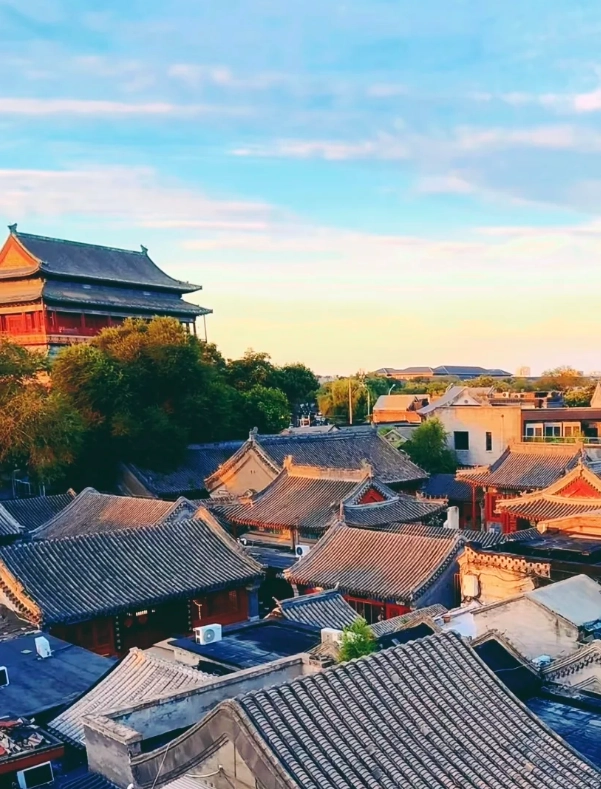
You come here to witness the fascinating, sometimes awkward, blend of history and modernity. One moment you're looking at original grey-brick courtyard walls (siheyuan), the next you're peering into a minimalist coffee shop installed within one. It's a living museum of urban evolution. The value isn't in any single shop—it's in the atmosphere of the lane itself and the countless quieter hutongs accessible from it.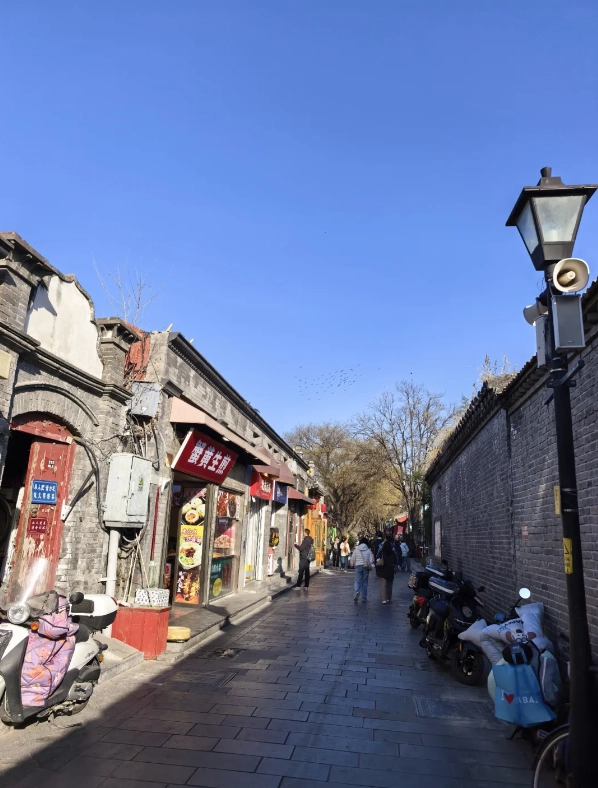
How to Get to Nanluoguxiang
By Subway: This is the absolute best way. Take Beijing Subway Line 6 or Line 8 to Nanluoguxiang Station. Use Exit E. When you surface, walk north for about 150 meters. You'll see the iconic archway marking the southern entrance. It's foolproof.
By Taxi/Ride-hailing: You can tell the driver "Nanluoguxiang". A common hiccup? Traffic. The alley itself is pedestrian-only, but the surrounding roads, especially during weekends, can be jammed. The subway is almost always faster.
On Foot from Nearby: If you're coming from the Bell and Drum Towers or Houhai Lake, it's a pleasant 15-20 minute walk through a network of authentic, residential hutongs. This approach is my personal recommendation—you arrive having already soaked in the local vibe.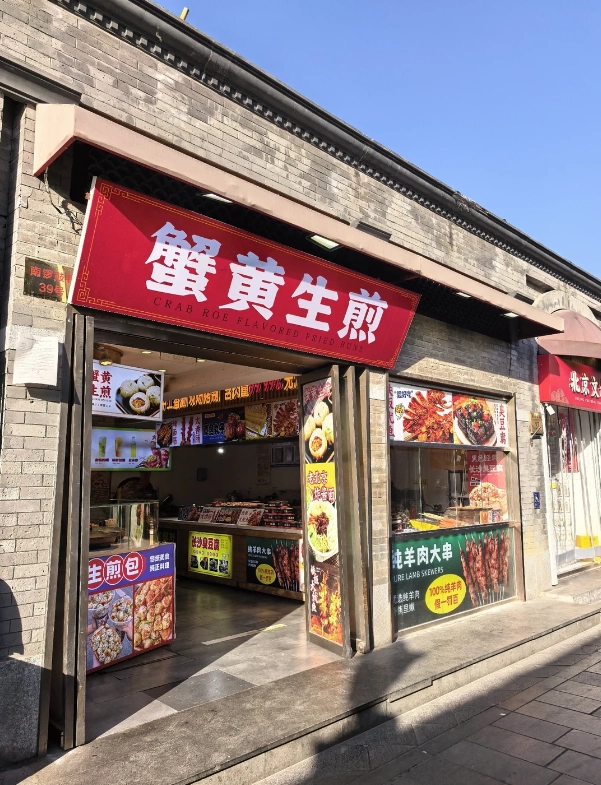
When to Go to Beat the Crowds
Timing is everything here. Go at the wrong time, and you'll be shuffling shoulder-to-shoulder, seeing only the backs of people's heads.
The Golden Hours: Weekday mornings (before 11 AM) are serene. Shopkeepers are just opening, and you have the lane mostly to yourself. Weekday evenings after 8 PM are also good—the day-tour groups have left, and a more local, relaxed crowd emerges.
Times to Avoid: Saturday and Sunday afternoons, from about 1 PM to 6 PM. This is peak human gridlock. I made this mistake once and spent an hour just trying to move 200 meters. It's not enjoyable.
Seasonal Note: Autumn (September-October) is perfect. Spring can be nice but windy. Summer is hot and crowded. Winter is cold but has a stark, quiet beauty, and you'll have more space. Just bundle up.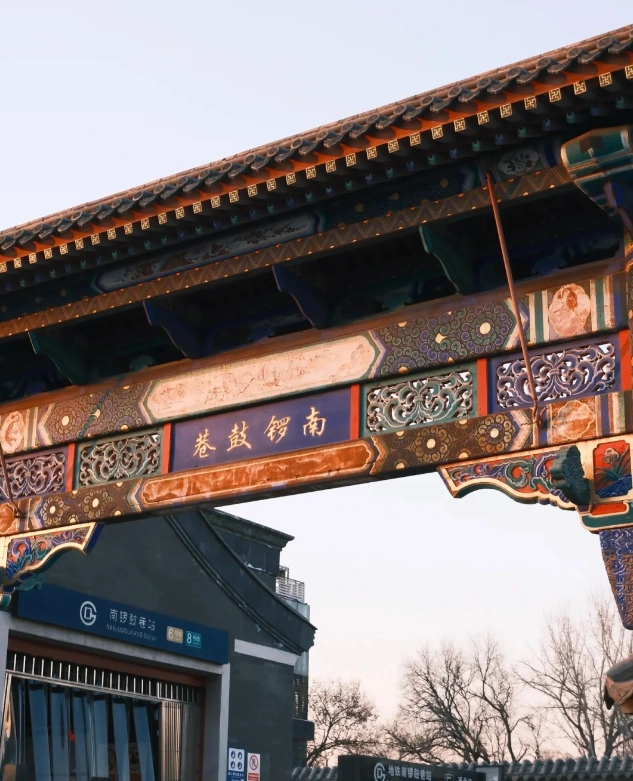
What to See and Do (Beyond Shopping)
Forget buying generic souvenirs. The interesting part is observing and interacting.
Architecture & Courtyard Peeking
The real attraction is the hutong structure itself. Notice the grey bricks, the stone door frames (men-dun), and the sometimes elaborate roof ornaments. Some courtyards have been converted into boutique hotels or restaurants. If a gate is open (and it's clearly a business, not a private home), it's usually okay to peek in. You might see a beautiful hidden garden.
Specialty Shops with Character
Skip the mass-produced t-shirt shops. Look for places with a clear craft.
- Independent Design Studios: Look for small boutiques selling handmade jewelry, block-printed notebooks, or modern twists on traditional Chinese clothing (like a qipao with a contemporary cut). The prices reflect the craftsmanship.
- Stamp Carvers & Calligraphers: Several tiny shops offer personalized Chinese name chops (seals). Watching the artist carve your name into stone is a unique experience.
- Vintage Poster Shops: Full of colorful propaganda and advertising art from the mid-20th century. Great for a unique, flat souvenir.
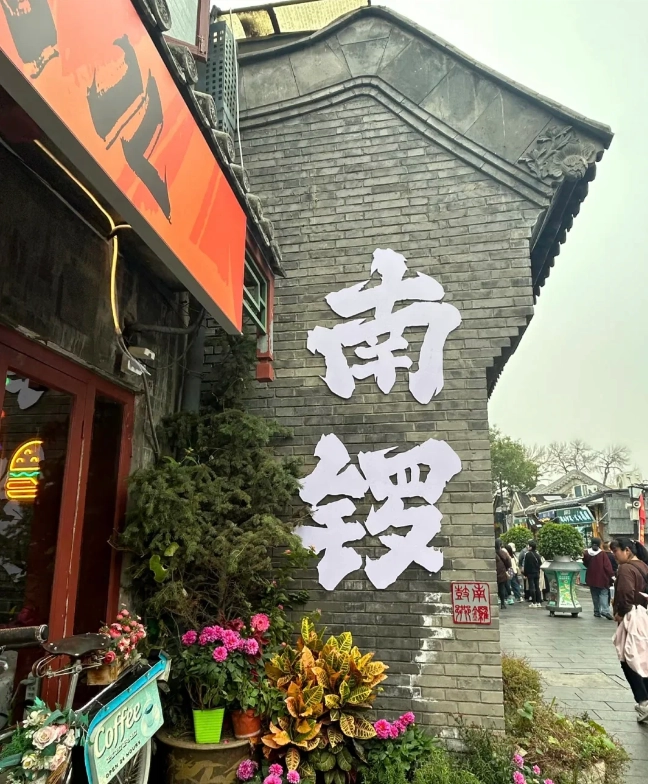
A Real Food & Drink Guide
The food scene is a mix of overpriced tourist traps and genuine gems. Here’s the breakdown from my own tasting tours.
On Coffee Shops: There are dozens. My go-to is one tucked in a side alley, with a few seats in a tiny courtyard. The coffee is decent, but you're paying for the quiet ambiance away from the main street. Don't expect world-class espresso, but do expect a peaceful ten minutes.
A Warning on "Street Food": Many of the colorful snacks on sticks (scorpions, starfish) are purely for shock-value photos. They're often not fresh and are extremely overpriced. Spend your money and appetite on the established, reputable shops instead.
The Hidden Alleyways You Must Explore
This is the non-negotiable part of the visit. The eight parallel alleys east and west of Nanluoguxiang are called the "Hutong of the Eight Banners" historically. Each has its own mood.
Mao'er Hutong : Just east of the main lane. Wider, with several beautifully preserved siheyuan, including former residences of notable figures. It feels dignified and quiet.
Ju'er Hutong: Famous for its modern social housing project designed by architect Wu Liangyong, which won a UN award. It's a fascinating case study in how to update hutong living without destroying the community fabric. You can see the blend of old and new architecture here.
I spent an afternoon just wandering these side hutongs, watching residents play chess, air out their quilts, and chat with neighbors. This is the authentic heartbeat no tour bus can show you.
A Flexible Half-Day Itinerary
Here’s how I would structure a first visit to maximize experience and minimize frustration.
9:30 AM: Arrive via subway at Nanluoguxiang Station (Exit E). The lane is just waking up.
9:30 - 10:30 AM: Walk the entire length of the main Nanluoguxiang alley from south to north. Browse windows, take photos of the architecture without crowds.
10:30 AM: Grab a snack at Wen Yu Cheese Shop.
10:45 AM - 12:15 PM: This is exploration time. Choose one or two side hutongs (I recommend Mao'er Hutong first). Get deliberately lost. Peek into open courtyards that are businesses. Observe daily life.
12:15 PM: Find lunch. Either a bao bing from Jiang Jun Fu or duck into a small noodle shop in a side alley.
1:00 PM Onward: As the main lane gets crowded, you have options. Continue exploring more hutongs, find a quiet cafe, or walk 15 minutes west to the shores of Houhai Lake.
Your Nanluoguxiang Questions Answered
Is Nanluoguxiang too crowded and touristy to be enjoyable?
The main alley can be, especially on weekends. The enjoyment comes from strategy. Visit early on a weekday, and more importantly, treat the main street as a conduit to the quieter side alleys. The touristy part is only 20 meters wide; the peaceful, residential parts extend for blocks in every direction. Your experience is defined by how far you wander from the center line.
What's the one thing most visitors miss in Nanluoguxiang?
They miss the juxtaposition. They see the trendy shops but don't look up at the old eaves. They don't notice the traditional wooden lattice windows right next to a neon sign. Slow down. Look at the details of the buildings themselves—the weathering on the bricks, the patterns on the door knockers. The history is in the fabric of the place, not just the commerce happening inside it.
 How do I find a real local restaurant here and not a tourist trap?
Walk two alleys over. Any restaurant on the main Nanluoguxiang strip paying that rent is targeting visitors. For a more authentic meal, venture into the perpendicular hutongs like Mao'er Hutong or Beibingchang Hutong. Look for places with simple Chinese-only menus, plastic stools, and a clientele that looks like they live nearby. Don't be afraid to point at what someone else is eating.
Can I use a credit card in the shops and cafes?
In most established cafes, boutiques, and chain shops, yes, Alipay, WeChat Pay, and sometimes international credit cards are accepted. However, for small street food vendors, market stalls, or tiny family-run operations in the side alleys, you will need cash (Chinese Yuan/RMB). Always carry some small bills—it's faster and often appreciated.
Nanluoguxiang is a starting point, not a destination. It holds your hand into the past before nudging you to explore on your own. Come for the famous name, but stay for the unnamed lanes. Listen for the quiet moments between the tourist chatter—the scrape of a broom on stone, the sizzle from a home kitchen, the click of mahjong tiles. That's the real soundtrack of old Beijing, and it's still playing just a few steps away.
 For more official information on Beijing's historic hutongs and preservation efforts, you can refer to the cultural heritage section of the Beijing Municipal Government website.
This guide is based on multiple personal visits and observations. Details like shop openings can change, but the core experience of the hutong layout and atmosphere remains timeless.





Nanluoguxiang exceeded every expectation. The article nailed it—this is where you go to feel the pulse of old Beijing without being suffocated by tourists if you explore beyond the main alley. I loved the quiet courtyard with a coffee shop hidden behind a red door, and the little bookstore where the owner recommended me a novel about the hutongs. Every corner felt like a discovery. Absolutely coming back.
If you love street food, this is heaven. I made it my mission to try everything: the grilled squid, stinky tofu (yes, really!), and those cream-filled waffle rolls—all incredible. The article is right: you can dodge the crowds by ducking into side hutongs where you'll find tiny noodle shops run by families. The whole experience felt authentic and delicious. Can't recommend enough!
Hands down my favorite spot in Beijing! Nanluoguxiang perfectly balances old Beijing charm with modern creativity. The narrow hutongs hide incredible courtyard cafes, vinyl shops, and tiny galleries. I spent a whole afternoon just wandering off the main drag and chatting with local artisans. Felt like a true escape from the city buzz. Go early morning to beat the rush—pure magic!
Solid walk, but not quite the hidden gem the article makes it out to be. The main lane is lively and you can find cool little craft stores if you peek into the side alleys. I liked the vibe but the constant stream of electric bikes honking got old fast. Also, the food stalls are hit or miss—some were great, others just meh. Still worth a lazy afternoon.
I don't get the hype. Nanluoguxiang is just a long alley crammed with souvenir shops and overpriced snacks. It's packed even on a weekday, definitely not an 'escape' from crowds. The hutongs nearby are quieter, but this main strip feels like any other tourist trap. Disappointing after reading the article.
What a refreshing take! I visited Nanluoguxiang last fall and was overwhelmed by the crowds — this article made me realize I just went at the wrong time. The suggestion to explore the quieter hutongs nearby like Baochao saved my second trip. Gonna try the night-market stalls next time based on the food tips here. Highly recommend.
Decent read but nothing groundbreaking. I was hoping for more hidden gems or specific café/bookstore names. The general vibe is well described but felt like a surface-level intro for first-timers. If you've read any other Beijing hutong article, this one doesn't add much new. Still, the writing is pleasant enough.
Spot on! As someone who lives near Gulou, I appreciate the writer's emphasis on the side alleys branching off the main street. The bit about the old barber shop near the fruit stand? I’ve walked past that a hundred times. This article gave me fresh eyes for my own neighborhood. Solid recommendations too.
Honestly, the article felt a bit too romanticized. I've been to Nanluoguxiang several times during weekdays and it's still packed with souvenir shops and loud music. The 'escape beyond the crowds' part is misleading — unless you go at 6 AM. Could have used more practical tips on when to actually go.
Loved this piece! Finally an article that captures the real vibe of Nanluoguxiang without the tourist trap fluff. The author's description of the early morning hutong stroll with the smell of fried dough sticks totally brought me back. Exactly why I avoid peak hours. A must-read for anyone wanting the authentic Beijing alley experience.
Hands down one of my favorite spots in Beijing. Yes, it's touristy, but if you go with the right mindset it's a blast. I spent an entire afternoon there - popped into a tiny art gallery, bought a handmade leather journal from a local craftsman, and sat on a rooftop cafe watching the sunset over the gray rooftops. The energy is infectious. Sure, the main lane is packed, but the side hutongs are where you find the real soul. I even met a retired calligrapher who showed me his work. If you skip the chains and dive into the alleys, you'll love it. 5 stars - just go off-peak.
What a disappointment. I came expecting a quiet escape from the city's chaos, but Nanluoguxiang is just chaos itself. Hundreds of people shuffling along, selfie sticks everywhere, and loud music blasting from souvenir shops. The 'authentic hutong experience' is completely drowned out by commercialism. I did enjoy the occasional glimpse of traditional courtyard homes through open gates, but it's hard to appreciate when you're getting elbowed. Would not recommend unless you have a high tolerance for crowds and trinket shops. 3 stars for the potential it has, not the reality.
Went here after reading about the 'hutong escape' concept. It's definitely busy but I had a great time exploring. The best part was the food! I had the most amazing jianbing (Chinese crepe) from a tiny hole-in-the-wall spot near the south entrance. Also tried some candied hawthorn sticks and a local yogurt drink. Prices are higher than in other parts of Beijing, but you pay for the atmosphere. I'd say go early evening when the lights come on and the vibe gets cozy. Not a place to linger if you hate crowds, but perfect for a few hours of urban wandering.
Honestly, it's way too commercialized for my taste. Every other shop sells the same overpriced bubble tea, skewers, and keychains. I felt like I was in a theme park version of old Beijing. The crowds are insane even on a Tuesday afternoon - shoulder to shoulder, no room to breathe. I did find a nice little bookstore hidden in a side alley, but the main hutong was exhausting. If you're looking for a peaceful cultural experience, this isn't it. 3 stars because the architecture is still charming if you can ignore the noise.
I visited on a weekday morning around 8am and it was a completely different world. The narrow alleyways were quiet, the sun was just hitting the old gray bricks, and a few locals were opening their shops. I grabbed a fresh soy milk from a tiny stall and just wandered. By 10am the crowds started pouring in, so I escaped into one of the side hutongs - totally recommend doing that. The main drag is a tourist trap, but the real magic is in the backstreets. One of the most authentic Beijing mornings I've had.