 Hui Lin
Three hours. That's how long my clients waited in the sun at the South Gate of the Forbidden City last week — because they followed an outdated guide. Forget the glossy brochures. If you don't know the exact WeChat mini-program trick, you aren't getting in. And even if you do, the subway, taxis, and bike-sharing each have their own traps.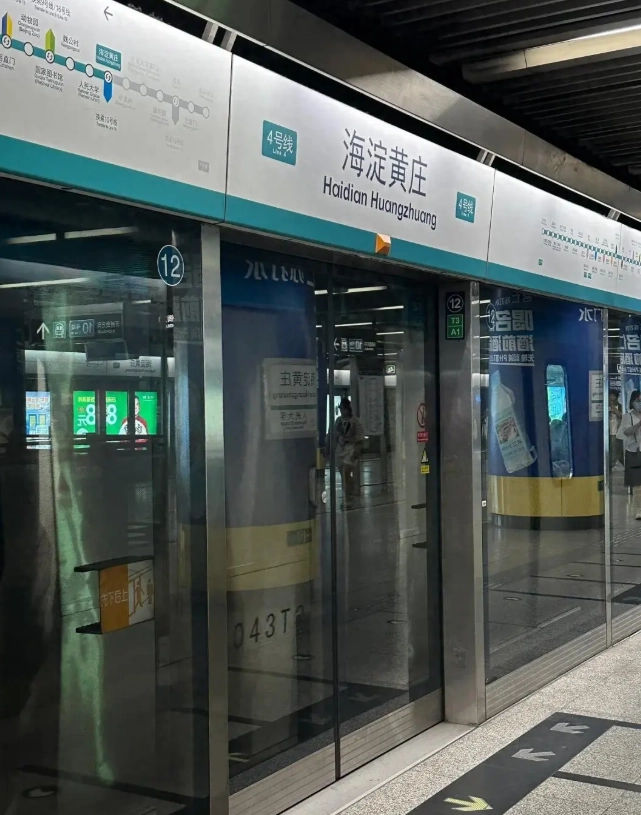
Here is the thing: getting around Beijing is not hard, but it's full of small gotchas that can ruin a day. I've been guiding foreign travelers for six years, and I've watched the same mistakes over and over. So I'll walk you through exactly how to move — from the airport to your hotel, then to the big sights, and even the Great Wall — with specific steps and real prices. No fluff, just the moves that work.
Beijing Airport to city center: which way hurts least?
Beijing has two major airports: Capital (PEK) and Daxing (PKX). If you fly into PEK, you're about 25 km from the city center; Daxing is around 46 km south. Here is what I tell my groups:
| Option | Cost (yuan) | Time | Pros | Cons |
|---|---|---|---|---|
| Airport Express (PEK) | 25 | 20–30 min to Dongzhimen | Fast, cheap, reliable | Last train ~22:30; no direct to all areas |
| Subway Line 10 + Airport Line (PEK) | 30 | 45–60 min | Connects to more stations | Luggage in crowd; not simple |
| Taxi (PEK) | 100–150 | 40–60 min (traffic) | Door-to-door | Scams common; queue at taxi stand |
| Didi (ride-hailing) (PEK) | 80–120 | 35–50 min | Prepaid, no scam | Need app + Chinese phone or international version |
| Daxing Airport Express | 35 | 20 min to Caoqiao | Fast, new trains | Transfer to subway again |
My advice for first-timers: Use the Airport Express to reach the subway network. Then switch to a Didi for the last 2 km if your hotel is far from a metro exit. Avoid regular taxis at the airport — the drivers often refuse the meter and quote a fixed price 2x higher. If you must take a taxi, insist on using the meter or walk to the official taxi queue inside the terminal (follow signs).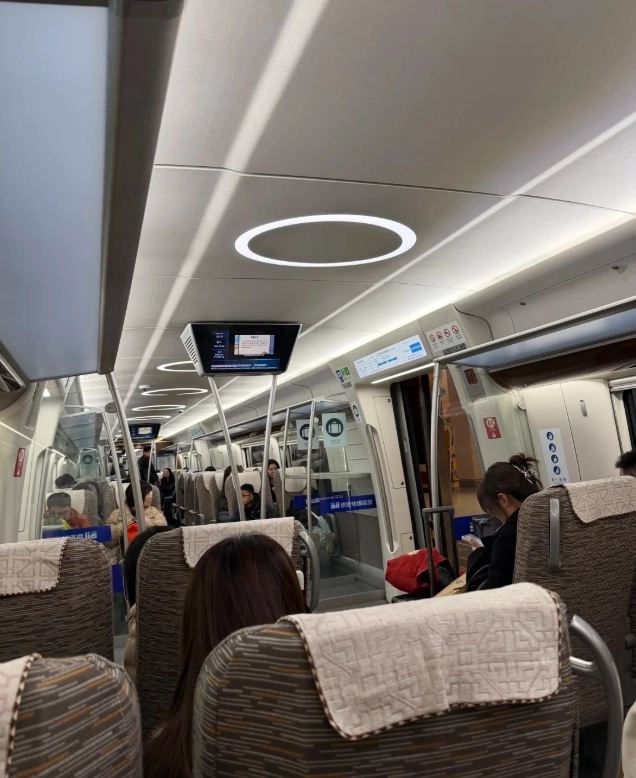
For Daxing Airport, the express train is fantastic. You'll arrive at Caoqiao station in 20 minutes, then transfer to Line 10 or 19. Total cost under 40 yuan. I always do this instead of a 150-yuan taxi.
Subway & metro: your best friend (and how to use it)
The Beijing Subway is vast, cheap, and surprisingly easy once you understand the quirks. 27 lines, 400+ stations. A single ride costs 3–7 yuan depending on distance. You'll use it for 90% of sightseeing.
How to buy a ticket (the real way)
Most tourists buy a single-ticket token from the machine. But that machine only accepts cash (small bills!) and has Chinese-only interface. Better approach: Download the Yitongxing app (or use Alipay's transport code). Open Alipay, click "Transport," then choose Beijing. It generates a QR code that you scan at the gate. Works instantly. No need to buy physical tickets.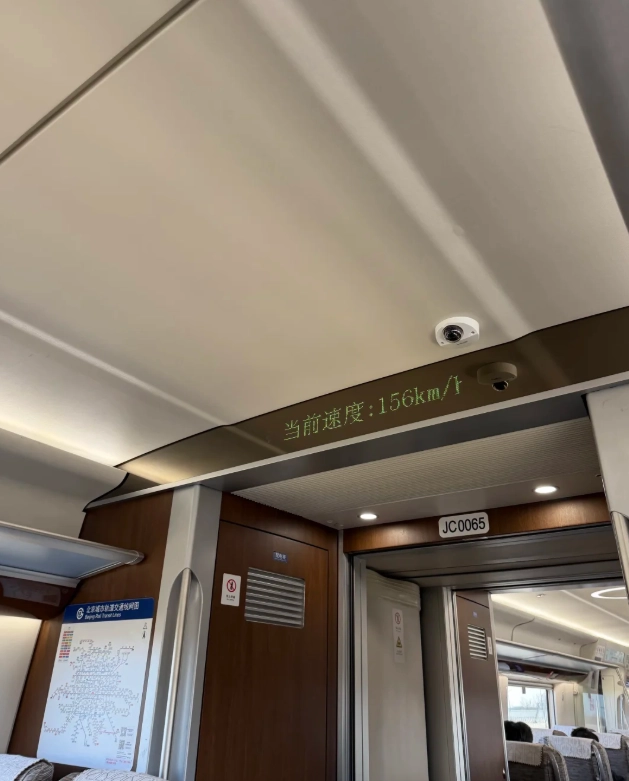
Which lines matter for tourists
- Line 1 (east-west) – Forbidden City (Tiananmen East/West), Wangfujing shopping, Universal Studios
- Line 2 (loop) – Dongzhimen (Airport), Lama Temple, Drum Tower
- Line 4 (north-south) – Yuanmingyuan, Summer Palace, National Library
- Line 5 – Temple of Heaven (Tiantandongmen), Yonghegong
- Line 8 – Olympic Park (Bird's Nest, Water Cube)
- Line 10 – huge loop, connects most lines, useful for transfers
Pro tip for navigation: Use Apple Maps (works with English) or Google Maps with VPN. Baidu Maps is more accurate but Chinese-only. I prefer Apple Maps for subway directions — it shows exits clearly. Always note the exit letter (A, B, C, D). Wrong exit can add 10 minutes of walking.
Taxis & ride-hailing: avoid the common rip-offs
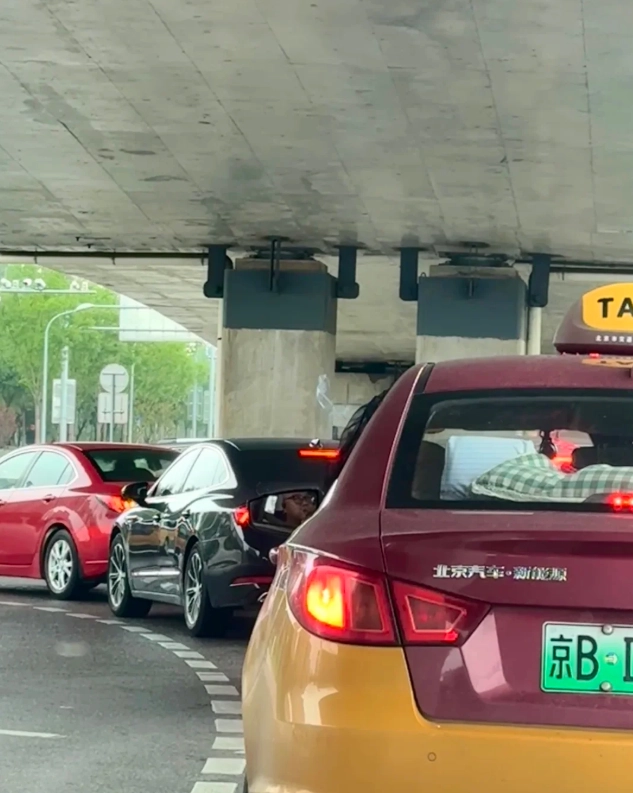
Taxis in Beijing are metered, but many drivers (especially near tourist spots) try to negotiate a flat fare. The meter should start at 13 yuan for the first 3 km, then 2.3 yuan per km. Total trips inside central area rarely exceed 50 yuan.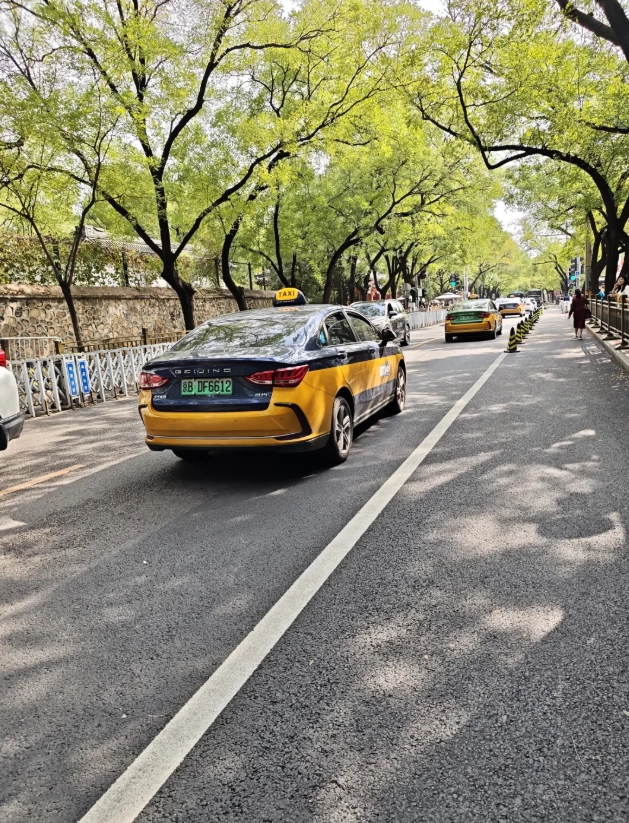
How to avoid taxi scams
- Never take a taxi from the Forbidden City's main gate (Wumen) — they wait for tourists and quote 100 yuan for a 20-yuan ride. Walk 100 meters to the side street and hail a passing cab.
- Refuse drivers who say "meter broken" or show a laminated price card. Get out.
- Use Didi (Chinese Uber). It shows the fare upfront. No language barrier if you use the app's translate feature. But you need a Chinese phone number to register. International visitors can use Uber (works in Beijing? Actually Uber China is folded into Didi. I suggest get a local SIM at the airport or use your roaming number to receive SMS for Didi registration. Alternatively, your hotel can call a taxi for you.
Bike sharing & buses: cheap options for short hops
Beijing is flat, and bike lanes are everywhere. Bike-sharing is a fun way to explore hutongs or cover the last kilometer from subway to attraction.
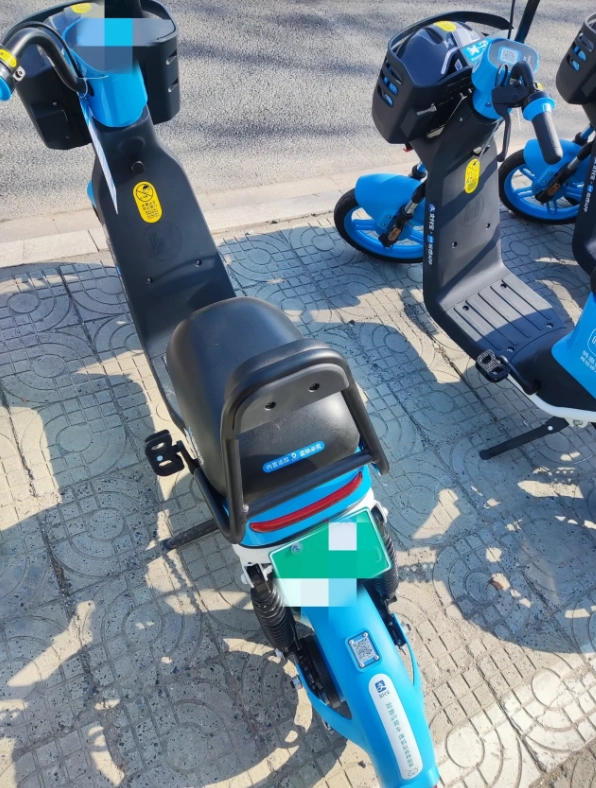
Two main operators: Mobike (blue) and Hellobike (white/blue)
- Unlock via Alipay (scan QR on bike) – no app needed. Deposit is 299 yuan (refundable), but many times they wave it for first-time users. Per ride: 1.5 yuan per 30 min.
- Park anywhere within the designated zones (usually gray areas on Alipay map). Outside zones, penalty 5–20 yuan.
- Check the bike before unlocking – loose chains, flat tires are common. I always yank the handlebars first.
Buses: Cheap (1–2 yuan per ride) but confusing with Chinese-only stops. I only recommend bus for the Beijing Zoo or Fragrant Hills if subway doesn't go directly. Use Alipay's bus QR code as well.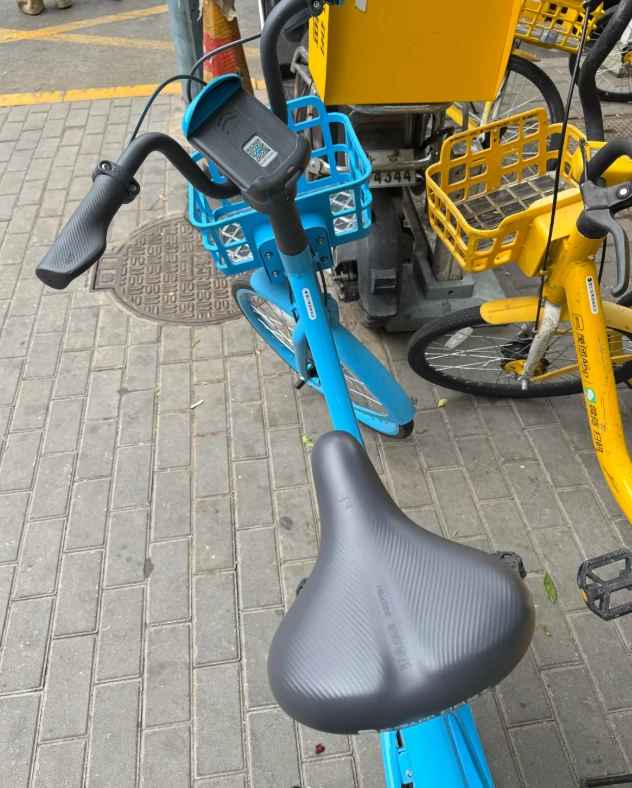
How to get to the Great Wall without joining a tour
Many tours overcharge (500–800 yuan per person). You can DIY much cheaper. The most accessible section is Mutianyu (less crowded, cable car, toboggan ride). Here's the exact method:
- Take subway Line 2 to Dongzhimen station, exit B, then walk to the Dongzhimen Transportation Hub. Bus 916快 (express) leaves every 15 min. Cost 12 yuan, time 1.5 hours to Huairou. Then transfer to H23 or H24 bus (6 yuan) directly to Mutianyu. Total cost under 50 yuan.
- Alternatively, take the direct tourist bus from Qianmen (near Forbidden City) – 80 yuan round trip. Departs 7:30 am, returns 4 pm. Book a day before via your hotel or online.
Saving money & time: essential hacks
Transport money-savers
- Buy a Beijing Subway Tourist Pass: 20 yuan/day for unlimited rides on subway (not bus). Available at airport kiosks or major stations. If you plan 3+ rides daily, it's worthwhile.
- For groups of 3-4, ride-hailing is often cheaper than subway on longer trips (e.g., from Summer Palace back to hotel). Use Didi.
- Avoid rush hour (7:30-9:30 am, 5:00-7:00 pm) on subway unless you enjoy being a sardine.
Time-saving tricks
- Pre-book major attractions (Forbidden City, National Museum, Summer Palace) on WeChat official accounts at least one day ahead. Walk-up tickets often sell out by 11 am.
- At the Forbidden City, enter through the East Gate (Donghuamen) – much shorter security lines than the South Gate. You'll walk a bit but save 30 minutes.
- Use the subway exit numbers: for the Forbidden City Line 1, Tiananmen West (exit A) is better for the north entrance.
Emergency contacts
| Issue | Number | Notes |
|---|---|---|
| Police (English service) | 110 | Request interpreter |
| Tourist hotline | 12301 | English available |
| Lost property on subway | 010-96165 | Call within 24h |






No comments yet.