 Hui Lin
Your Cheat Sheet
Two hours. That's how long I saw a French couple struggle at the ticket machine in Dongzhimen station last month. The machine only accepted Chinese ID or Alipay — their international credit cards got rejected every time. Forget the outdated blog posts; if you don't have a working Alipay or WeChat Pay linked to a card, you'll be stranded. Navigating the Beijing public transport guide isn't just about reading a map—it's about cracking the payment system and knowing which gate to use at rush hour. Here's the bottom line: get Alipay or WeChat Pay working before you arrive, download the 'Beijing Subway' app (or use Apple Pay for transit), and avoid the subway during 7–9 AM and 5–7 PM. That's the real shortcut.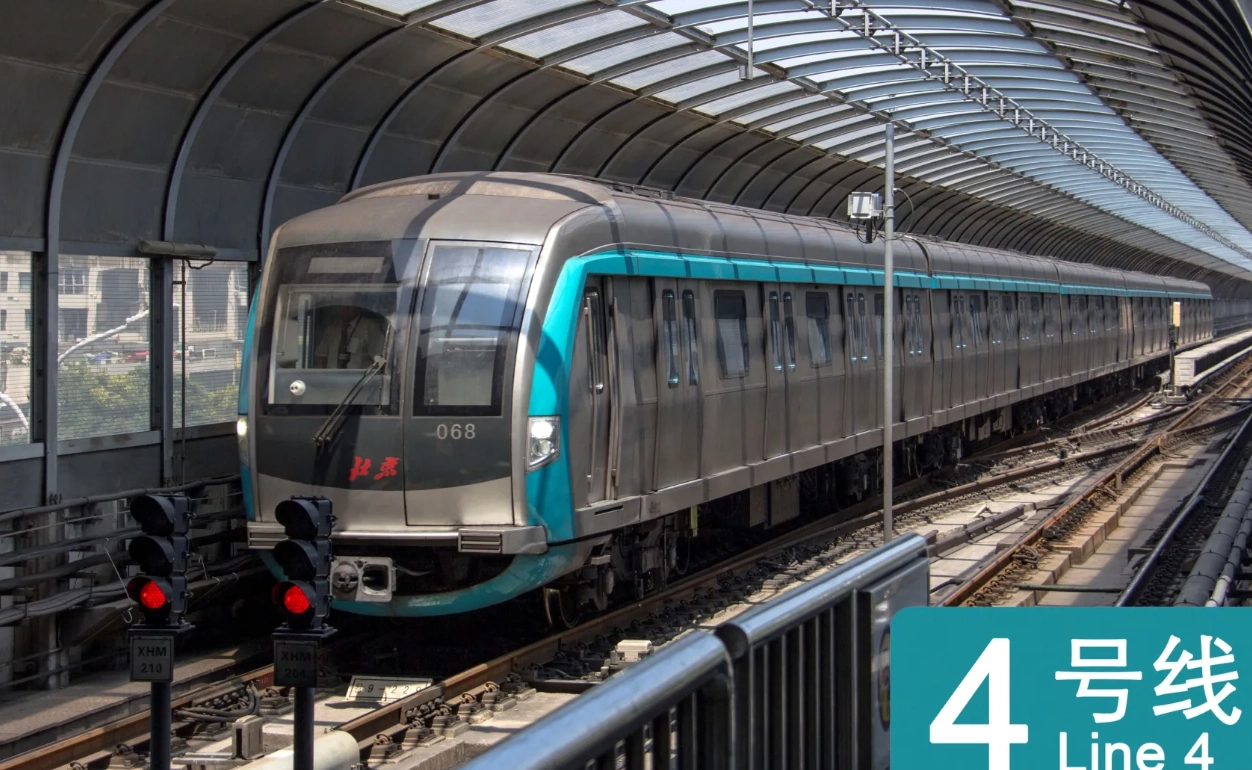
Why the Subway Rules (and How to Ride)
Beijing's subway is the backbone of getting around. It's fast, air-conditioned, and covers almost every sight you'll want to see. But there are a few things the official website won't tell you.
Buying a Ticket vs. Using a Transit App
Single-ride tickets are a pain. You need cash (exact change) or a Chinese ID for the machine. My recommendation? Skip the tickets entirely. Download the 'Yitongxing' or 'Beijing Subway' app — both accept international credit cards (Visa/Mastercard) via Apple Pay or Google Pay. Alternatively, use Alipay's transport card. It's a 10-minute setup, and it saves you from the queue.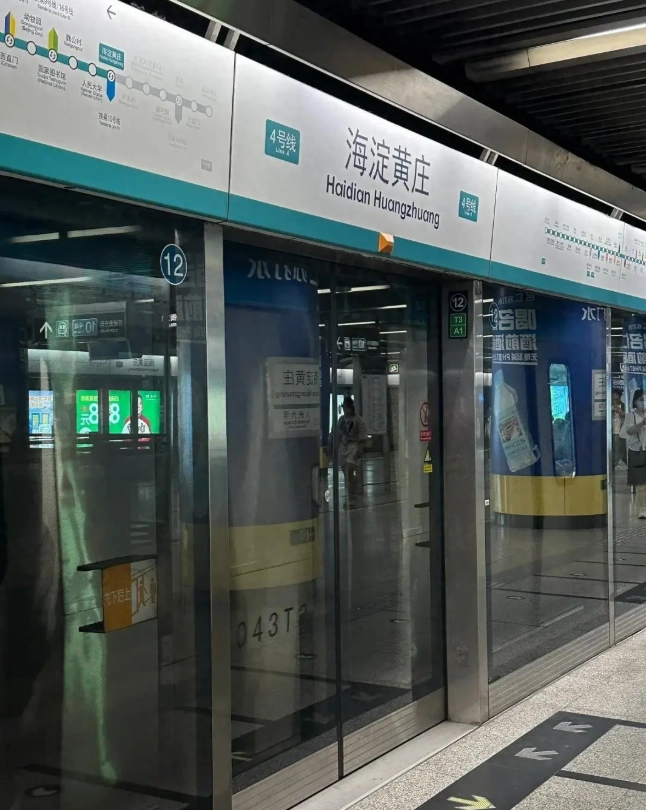
The Hidden Gate Trick
Most tourists enter through the obvious main entrances. But at busy stations like Tiananmen East or Xizhimen, those gates have the longest lines. Walk 50 meters further to a side entrance — often less crowded. I always tell my clients: 'If you see 10 people at one gate, walk to the next one. It's almost always faster.'
Subway Etiquette & Annoyances
Don't stand on the left side of escalators (people pass on the left). Avoid eating or drinking — it's fined. And yes, security checks (bag scan) are mandatory. During peak hours, you'll wait 5-10 minutes just to get through. Plan accordingly.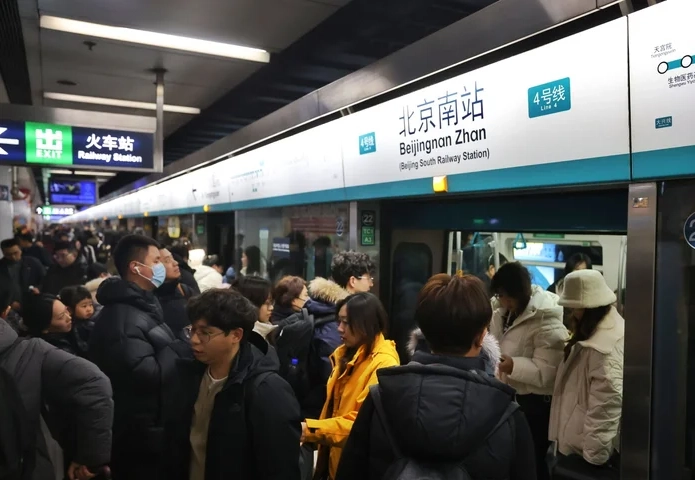
| Line | Key Stops | Rush Hour Wait |
|---|---|---|
| Line 1 | Guomao, Wangfujing, Tiananmen | 7-10 min between trains |
| Line 2 | Dongzhimen, Lama Temple, Xizhimen | 5-8 min |
| Line 10 | Sanlitun, Hutong area, Shuangjing | 6-9 min |
Buses: Cheap but Tricky
Buses cost as little as 1 yuan ($0.14) per ride. But they're a language and habit challenge. Announcements are in Mandarin only, and doors open on different sides depending on the stop. I've watched tourists get on the wrong bus because they couldn't read the Chinese route sign.
When to Take the Bus
Use buses for short trips where the subway doesn't go — like from the Forbidden City to the Drum Tower. But only if you have a reliable map app like Baidu Maps or Gaode Maps. Google Maps is useless here for public transit. Download Baidu Maps and switch to English mode (it's partial, but enough).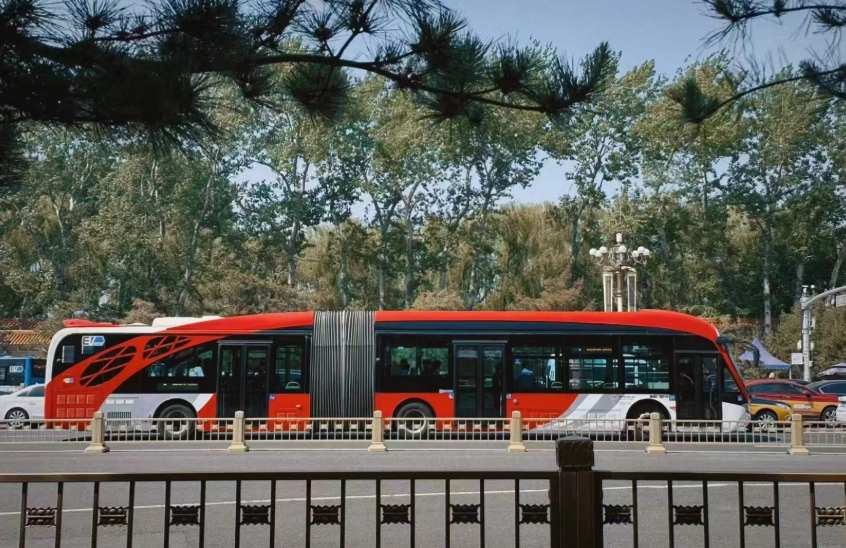
How to Pay
Same as subway: Alipay's bus code, WeChat Pay, or a physical Beijing Transportation Card (Yikatong). The card costs 20 yuan deposit and can be refunded at most subway stations. You can also tap with your phone via Apple Pay or Google Pay if you set up the transit card.
Taxis & Ride-Hailing: Didi Is Your Friend
Street taxis in Beijing are a lottery. Some drivers are friendly, but many refuse short trips or try to overcharge foreigners. I once had a driver quote me 150 yuan for a 30 yuan trip. That's why I never flag taxis. Use Didi (Chinese Uber) — it's cheaper, transparent, and you can set the pickup point via GPS.
Setting Up Didi Without a Chinese Number
Didi has an English interface. You can register with a foreign number and add your credit card. But here's the catch: many drivers prefer to call you. If you don't speak Chinese, use the in-app message feature to tell them 'I'm at the entrance of the blue building' or share your exact location. I always do that for my guests.
Airport to City
From Beijing Capital (PEK), the Airport Express subway line costs 25 yuan and takes 30 minutes to Dongzhimen. It's efficient. But if you have heavy luggage, a Didi to the city center costs around 120-200 yuan depending on traffic. Avoid taxis at the airport — they often queue for hours and add surcharges. From Daxing Airport (PKX), the subway is slower (1 hour), but Didi is about 200-300 yuan.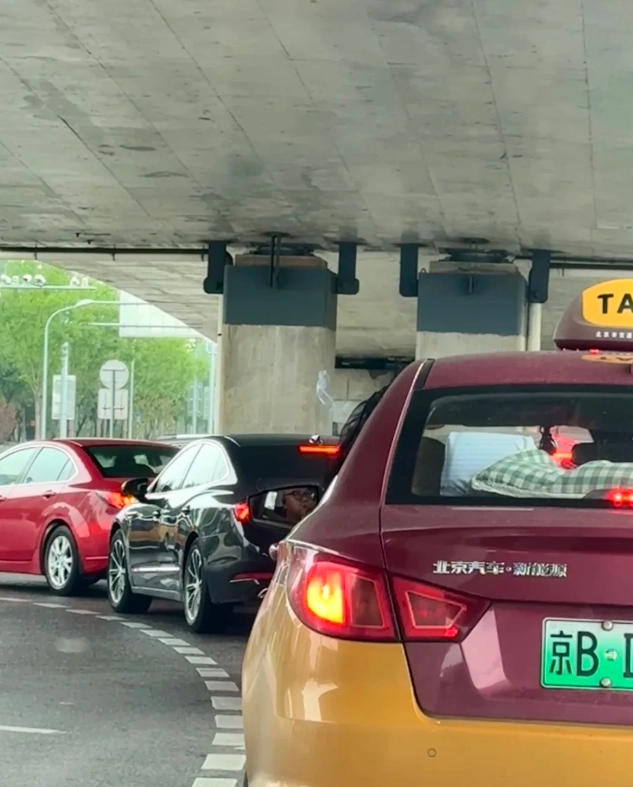
Payment Survival Kit: Alipay, WeChat & Card
Your international credit card won't work on most ticket machines or for topping up without help. The solution: set up Alipay or WeChat Pay before you leave. Link your Visa/Mastercard to Alipay (not WeChat — it's harder for foreigners). Once set, you can scan to ride the subway, bus, and even pay for taxis.
What to Do if You Can't Set Up Mobile Payment
Buy a Beijing Transportation Card (Yikatong) at any airport or major subway station. It costs 20 yuan deposit plus whatever you charge. Hold the card at the turnstile — no password needed. The card works on subway, bus, and some taxis. Refund it at any station when you leave. But be warned: some small stations don't have English-speaking staff.
Route Planning: Apps That Actually Work
Google Maps? Useless for bus routes and real-time subway data. Here's what I use daily:
- Baidu Maps (English version) — best for subway and bus. Enter destination in English, it shows routes with transfer details and estimated times. It also gives walking directions with landmarks (e.g., 'turn left after the KFC').
- Gaode Maps — similar to Baidu, but more popular with locals. The English interface is limited, but you can search for places in English.
- Apple Maps — actually decent for subway in Beijing now. Shows transit lines and stations.
- Jiefang (Trip.com) app — good for intercity trains and buses, but not city transit.
My routine: open Baidu Maps, type destination, look at the subway line, then use the 'Beijing Subway' app to plan the exact entrance/exit. Many subway stations have multiple exits — check which one leads to your destination to avoid pointless underground walking.
FAQs: Real Answers, No Fluff
This content has been fact-checked to ensure informational precision.








No comments yet.