 Hui Lin
Standing on the broken marble of the Great Fountain ruins, with the Beijing sun beating down, it's hard to grasp the scale of what was lost here. The Old Summer Palace, or Yuanmingyuan, isn't your typical polished historical site. You don't come for perfectly preserved palaces. You come to walk through a ghost, to feel the weight of history in the scattered stones and overgrown foundations. Most first-time visitors to Beijing head straight for the Forbidden City or the more intact Summer Palace. That's a mistake, in my view. Yuanmingyuan offers a raw, unfiltered lesson in history, art, and imperial ambition that you simply can't get anywhere else. It's contemplative, it's vast, and it requires a bit more from you as a visitor. This guide is based on multiple visits over the years, and I'll give you the straightforward, practical advice you need to plan a meaningful trip, not just a photo stop.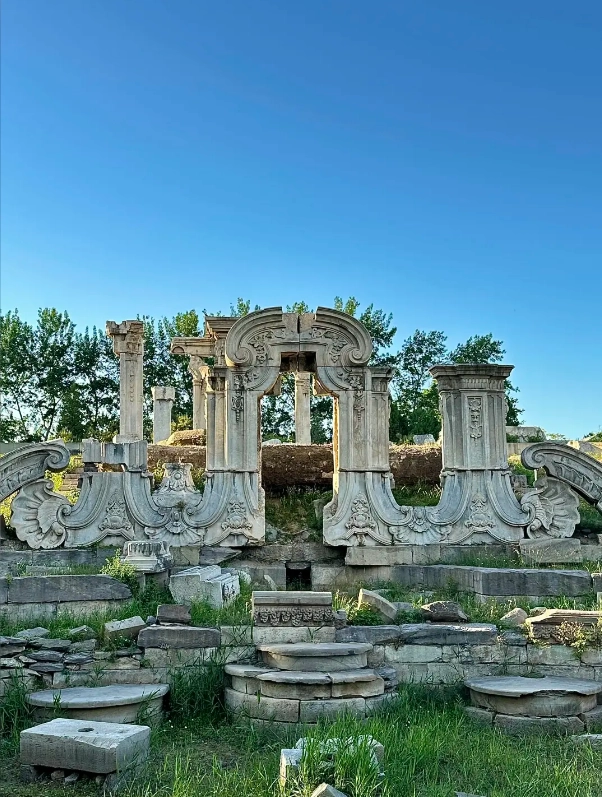
What's Inside This Guide
What Exactly Was the Old Summer Palace (Yuanmingyuan)?
Before you set foot inside, understanding what Yuanmingyuan *was* changes everything. Calling it a "palace" is misleading. It was a vast complex of gardens, pavilions, lakes, and palaces spread over 3.5 square kilometers—five times larger than the Forbidden City. Built and expanded over 150 years during the Qing Dynasty, it was the emperor's private retreat, a fusion of Chinese landscape design and European Baroque architecture commissioned by the Qianlong Emperor. Jesuit missionaries like Giuseppe Castiglione designed the Western-style buildings.
The site's destruction in 1860 by British and French troops is the central tragedy. They looted it and then burned it to the ground over three days. What you see today are the poignant remains. The most famous section is the Western-style ruins area—the stone skeletons of the Great Fountain, the Haiyantang water clock, and the Maze. These are the photogenic, often melancholic symbols. But over 60% of the park is the Fuhai and Houhu lake areas, beautiful classical Chinese gardens with reconstructed bridges, islands, and lush willow trees. Many visitors rush to the ruins and miss these serene, rebuilt landscapes entirely.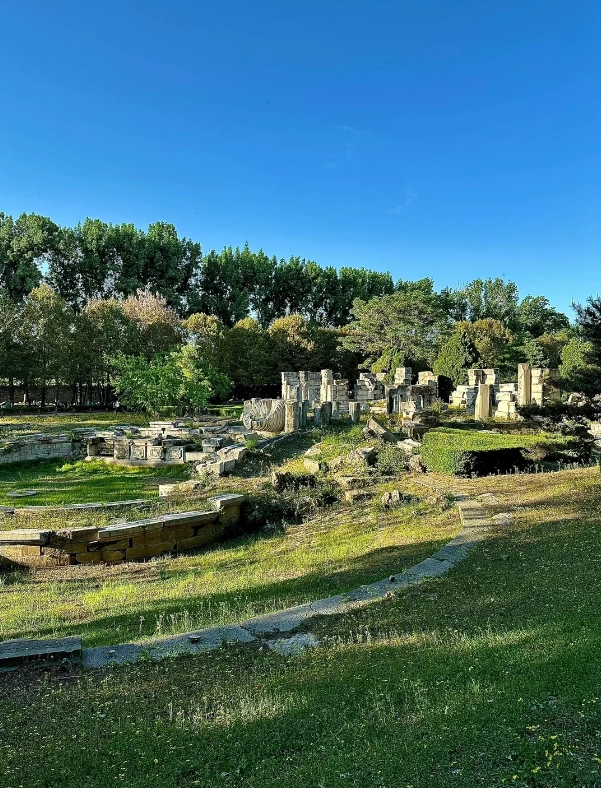
Planning Your Visit to Yuanmingyuan: Key Details
Let's get practical. Yuanmingyuan is huge and poorly signed in English. Without a plan, you'll waste hours walking in circles. Here’s everything you need to know to execute your visit smoothly.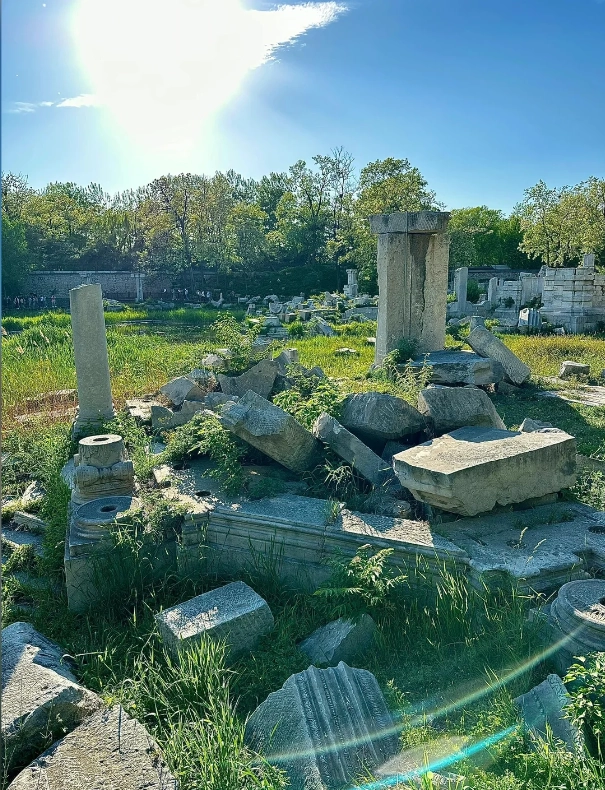
Yuanmingyuan at a Glance
Address: 28 Qinghua West Road, Haidian District, Beijing. It's in the university district, northwest of central Beijing.
Official Website: You can find basic information on the Yuanmingyuan Park website, though the English version is limited.
Best Time to Visit: Weekdays, absolutely. Weekends, especially holidays, are packed with local families. Spring (April-May) for blossoms and Autumn (September-October) for clear skies and comfortable temperatures are ideal. Summer is hot and humid.
Tickets, Opening Hours, and Getting There
| Detail | Information | Visitor Tip |
|---|---|---|
| Opening Hours | 7:00 AM – 7:00 PM (Apr–Oct), 7:00 AM – 5:30 PM (Nov–Mar). Last entry 1 hour before closing. | Gate hours are strict. The park is so large that staff start gently herding people towards exits about 90 minutes before closing. |
| Ticket Price | Full Pass (Ruins + Garden): 25 RMB. Garden-Only Pass: 10 RMB. The ruins section requires the full ticket. | Buy the full pass. The 15 RMB difference is negligible, and skipping the ruins misses the point. Tickets are sold at all gates. |
| Main Entrance Gates | South Gate (Zhengjue Si Gate): Closest to the Western Ruins. East Gate: Near the Black Swan area and Fuhai Lake. Qichunyuan Gate (Southeast): Less crowded. | For a first visit, use the South Gate. It gets you to the main attractions fastest. The East Gate is better if you want a more leisurely start by the lakes. |
| Public Transport | Subway Line 4: Yuanmingyuan Station (Exit B). A 5-minute walk to the South Gate. Multiple bus lines also stop nearby. | This is the easiest way. The subway is efficient and avoids Beijing's notorious traffic. Taxis can get stuck. |
| Time Needed | Minimum 3 hours. A thorough, relaxed exploration takes 4-5 hours. | This isn't a 90-minute stop. Wear comfortable walking shoes. The paths are a mix of pavement, gravel, and dirt. |
Navigating the Vast Grounds: A Suggested Route
Here’s a route I've refined after getting lost a couple of times. It maximizes sightseeing while minimizing backtracking.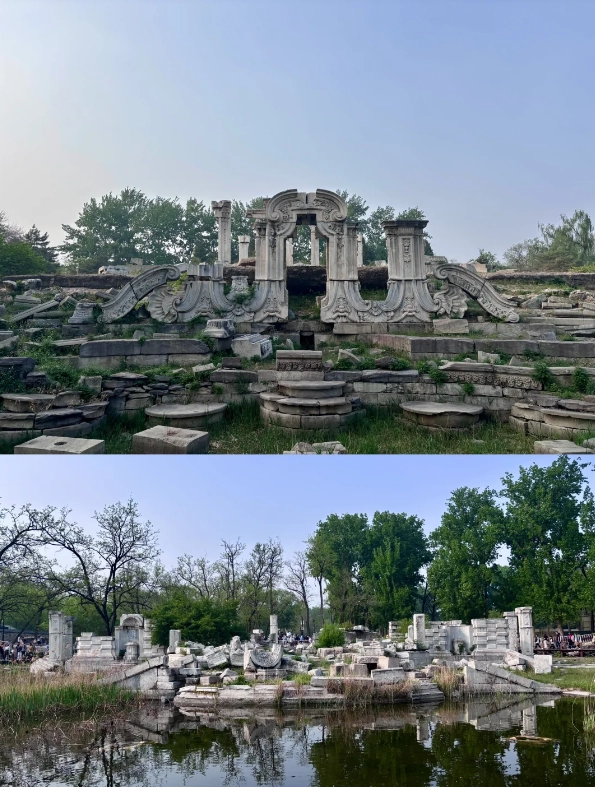
Start at the South Gate. Buy your ticket and head straight in. You'll immediately see a large map. Ignore the urge to wander randomly.
First Stop: The Western-style Ruins (Yuanmingyuan Ruins Park). Follow the signs for "Xi Yang Lou" (Western Buildings). This is the core area. You'll see:
- The Great Fountain (Dashuifa) Ruins: The iconic, broken columns. It's always crowded for photos. For a better angle, walk around to the side.
- Haiyantang (Water Clock): The shell of the fountain complex. Look for the stone fish heads that once spouted water.
- The Maze (Wanhua Zhen): A reconstructed hedge maze made of brick walls. It's fun, especially with kids, but can be a bottleneck.
Spend time here. Read the placards (some have English). The scale of the foundations is what's impressive—you realize these weren't small buildings.
Second Stage: Walk North to the Fuhai Lake Area. After the ruins, head north. The crowds thin dramatically. You'll cross bridges and reach the vast Fuhai Lake. You can rent paddle boats here (about 60-80 RMB per hour), which is a fantastic way to see the park from a different perspective and rest your feet.
Final Leg: Loop Back via the East Gate or Houhu Lake. From Fuhai, you can walk east towards the East Gate, passing more classical gardens and the "Black Swan" viewing area (yes, there are actually black swans). Alternatively, head further north to the quieter Houhu (Back Lake) area before looping back south. The park has few food options beyond basic snacks and instant noodles, so consider packing water and a light snack.
Beyond the Ruins: Common Misconceptions and Hidden Gems
Most blogs repeat the same basic facts. After multiple visits, here’s what most first-timers get wrong and what they miss.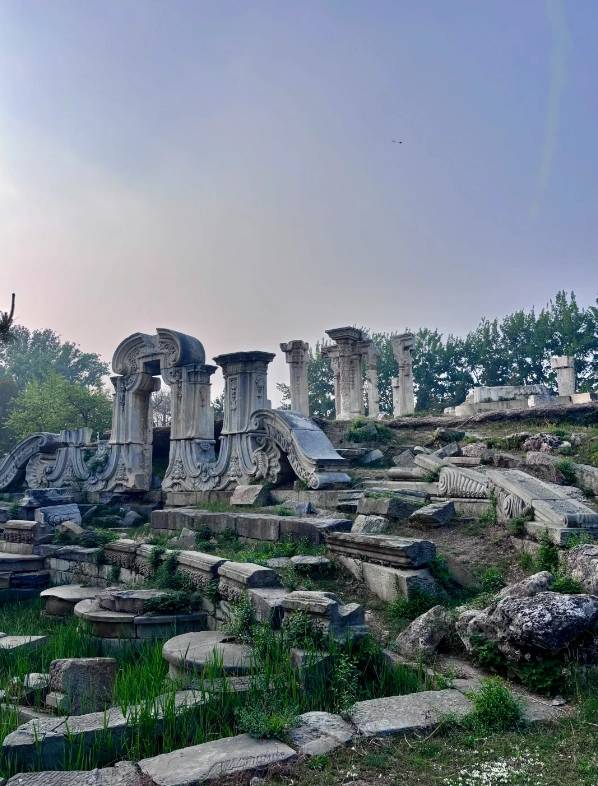
Misconception 1: It's just a field of rubble. Wrong. The classical garden sections are beautifully maintained, peaceful, and showcase traditional Chinese landscaping philosophy. The ruins are only one part of the story.
Misconception 2: The Summer Palace and Old Summer Palace are interchangeable. They are completely different. The Summer Palace (Yiheyuan) is a largely intact, 19th-century imperial garden centered on Kunming Lake. The Old Summer Palace is an 18th-century ruin. They are about a 15-minute drive apart. You can do both in a day, but it's a marathon.
The Hidden Gems Most People Walk Past:
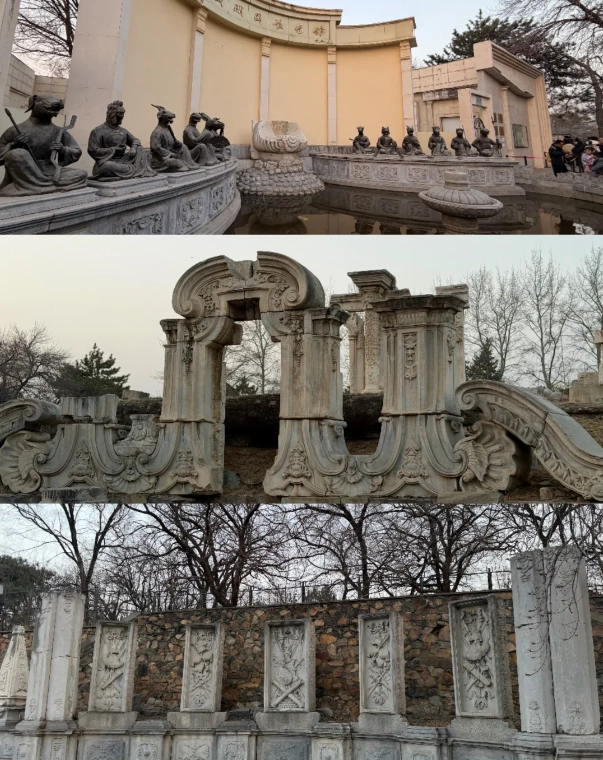
- The Stone Carvings in the Grass: Away from the main ruin paths, look down. You'll find intricately carved stone blocks, pieces of railings, and architectural fragments just lying in the grass, untouched. It feels more authentic than the cordoned-off main sites.
- The View from the Islands on Fuhai Lake: The little islands in the middle of the lake are often empty. They offer perfect, quiet views back towards the ruins and the modern city skyline in the distance—a powerful juxtaposition.
- The Site of the "Forty Views of Yuanmingyuan": Near the East Gate, there are markers and reproductions of the famous paintings that documented the palace's original glory. It helps visualize what was lost.
Old Summer Palace (Yuanmingyuan) FAQs
Is the Old Summer Palace the same as the Summer Palace?
How much walking is involved, and is it accessible for those with mobility issues?
 What's the one thing I shouldn't miss at Yuanmingyuan?
Are there guides or audio tours available?
Is it worth visiting with young children?
Visiting the Old Summer Palace isn't about checking a box. It's an immersive walk through a layered history. You confront beauty, ingenuity, loss, and renewal all in one afternoon. Go with comfortable shoes, plenty of water, and a bit of curiosity. Skip the rushed tour groups, find your own quiet corner by the lake, and let the stones tell their story. You'll leave with more than just photos—you'll leave with a feeling.





I brought my sketchbook and spent the whole afternoon drawing the ruined archways near the maze. There’s something incredibly poetic about the cracked marble against the blue sky. The staff were friendly, and the bathrooms were clean—big plus for a site of this size. Wish there were more shaded benches, but that’s minor. A must-see for anyone who appreciates history and art.
I’ve been to Beijing three times, and this was by far the most serene spot. Early morning arrival (8 am) meant I had the East Garden almost to myself. The reflections in the water at the ‘Sea of Blessing’ area were mesmerizing. If you love photography or history, block out at least half a day. The audio guide is decent—get it at the south gate. Five stars without hesitation.
Honestly, I was a bit disappointed. Maybe I had built it up too much after seeing the Forbidden City. The ruins are just… piles of rocks in a huge park. The museum was interesting but small. For the entrance fee (25 RMB standard), it’s not bad, but I wouldn’t go out of my way again. The lotus pond in summer must be lovely, but in late October it felt barren and dusty.
The sheer scale of Yuanmingyuan is staggering. I rented an electric cart (40 RMB, super easy) to cover more ground. The reconstructed buildings gave me a glimpse of imperial luxury, but the scattered stone pillars really drove home the tragedy. My only small complaint: some signs are only in Chinese, but Google Translate helped. Still, a memorable day out—bring water and comfortable shoes.
Visited on a crisp autumn morning—the ruins were hauntingly beautiful. I spent two hours just walking through the Western-style palaces, imagining what they once looked like. The lack of crowds was a bonus, and the lake near the front gate is perfect for a quiet picnic. One of the most moving historical sites I’ve ever been to. Absolutely worth the metro ride from central Beijing.
I can't recommend this enough. The combination of haunting ruins and serene natural scenery is unique. I sat by the lotus pond for half an hour just watching the ducks. The staff at the entrance were friendly and gave me a free map. The sunset over the remnants of the Haiyantang fountain was breathtaking. Bring water, wear comfortable shoes, and prepare to be moved by the layers of history here.
If you're looking for a quiet escape from the city crowds, this is the place. I went early on a weekday and had whole sections to myself. The reconstruction efforts are impressive—the restored garden near the south gate is beautiful. My only complaint: the restrooms were far apart and not very clean. But for the peace and the photo ops among the marble arches, I'd still give it a strong 4 stars.
Honestly, I felt a bit let down. The historical significance is huge, but the site itself is mostly open fields and broken stones. The audio guide was confusing and didn’t sync with the locations. Plus, it started raining and there was hardly any shelter. If you’re into history, you might appreciate it more than I did. For a casual tourist, it’s just long walks and not much to see.
I visited on a Saturday in late October, and it was surprisingly peaceful—crowds were manageable once you got away from the entrance. The Western-style ruins are the highlight, but the vastness of the park means you'll do a lot of walking. Bring your own snacks because the only café I found was overpriced and had limited options. For the ticket price (about ¥25), it’s a decent value, but I wish they had more interactive displays.
Strolling through the ruins of Yuanmingyuan was incredibly moving. Even the remnants of the fountains and palaces give you a glimpse of its former glory. The lake is calm, and the autumn leaves made the whole place feel like a painting. Only downside? The signs explaining the history are a bit sparse—I had to rely on my own research. Still, absolutely worth a full day trip from central Beijing.
Brought my two kids (ages 9 and 12) here, and it was a fantastic educational trip. They had just learned about the Opium Wars in school, so seeing the actual burned-down palace ruins made a huge impression. The children were fascinated by the broken marble arches and the giant cannon replicas. We rented a family-size electric cart (80 yuan for 2 hours) which made covering the huge area easy. The only reason I'm giving 5 stars instead of 5 is that the restrooms near the south gate were out of toilet paper and quite dirty — basic maintenance issue. But for the experience, it's unbeatable. The audio guide (available in English) was clear and kept the kids engaged. Would recommend packing your own snacks though, the on-site options are expensive and mediocre.
I went alone on a drizzly afternoon, and it turned out to be the perfect setting. The mist over the ruins made everything feel even more ghostly and poetic. I loved wandering through the labyrinth (the original hedge maze — yes, there's a reconstructed one!) and sitting by the lake watching swans. The only downside was the map: the paper version is tiny and hard to read, and the navigation app kept losing signal. I accidentally walked into a closed construction zone and had to backtrack. Still, the quiet corners of the eastern garden, with moss-covered statues and wildflowers, gave me a sense of discovery that you don't get in polished tourist spots. A very personal, reflective visit.
Honestly, I was let down. I've read so much about the 'Garden of Gardens' that I had high expectations, but what I found was mostly empty fields and a few crumbling columns fenced off behind barriers. The entrance fee is cheap (25 yuan), but the electric cart inside costs another 15 yuan for a very short loop — feels like a money grab. Worst part: the so-called 'reconstructed' buildings look like cheap theme park replicas, and there's hardly any explanation about what each ruin originally was. If you want history, go to the Forbidden City; if you want a nice park, go to Beihai. Yuanmingyuan is stuck somewhere in between and feels underwhelming. Maybe come in autumn for the foliage, but summer was just hot and dusty.
A solid 4 out of 5. The historical significance alone makes Yuanmingyuan a must-visit, but the crowds on the day I went really dampened the atmosphere. I arrived at 9 AM and already had to queue for 20 minutes just to get a ticket from the self-service machine (which kept freezing). The ruins are impressive, especially the Xiyanglou area, but it's hard to feel the serenity when dozens of tour groups are shouting into loudspeakers. Also, the signage could be much better — I missed the turn to the 'Sea of Calm' garden and ended up walking a kilometer out of the way. Still, the sheer scale of what was once here is mind-blowing. Worth the 25 CNY entry fee, but brace yourself for noise.
Visiting Yuanmingyuan was a profoundly moving experience. The vast, peaceful grounds let me really absorb the layers of history — from the stunning European-style ruins to the quiet lotus ponds. I spent nearly four hours strolling through the western section where the original gardens are being carefully restored. The contrast between the destroyed marble arches and the lush greenery is hauntingly beautiful. It's not overly commercialized like some other Beijing attractions; instead, it invites reflection. Highly recommend going early on a weekday to have the place mostly to yourself. Definitely one of the most memorable sites I've seen in China.