 Lei Li
My first visit to Prince Gong's Mansion was on a Tuesday morning in early autumn. I'd just come from the Forbidden City, feeling a bit overwhelmed by its sheer scale and the relentless tide of tour groups. Stepping through the vermilion gates into the first courtyard of Prince Gong's Mansion, the atmosphere shifted immediately. It was quieter, more intimate. The air felt different—still heavy with history, but with a personal, almost gossipy edge to it. This wasn't just a museum; it was a home, a stage for outrageous wealth, political drama, and ultimate downfall. If the Forbidden City is the official history book, Prince Gong's Mansion is the scandalous, page-turning memoir hidden beneath it. And after half a dozen visits, I've learned how to read between its lines.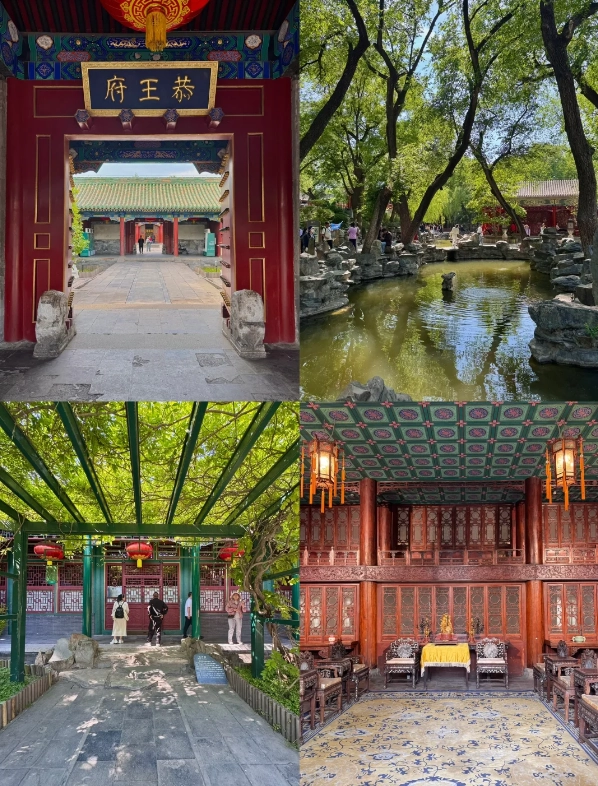
What's Inside This Guide
Why Prince Gong's Mansion is Worth Your Time
Let's be clear: you don't come here for mind-blowing architecture that dwarfs the Forbidden City. You come for the story. This 60,000-square-meter complex is the largest and most exquisitely preserved princely mansion (wangfu) open to the public in Beijing. Its history is a two-part drama.
First act: Heshen. In the late 18th century, this was the home of Heshen, a favorite minister of the Qianlong Emperor who became phenomenally, corruptly wealthy. The mansion's original extravagance—like the rare Phoebe zhennan (golden nanmu) wood used throughout—was a direct product of his graft. His story ends with execution after the emperor's death, a classic tale of imperial rise and fall.
Second act: Prince Gong. In the 1850s, the mansion was given to Prince Gong (Yixin), a key figure in China's late-Qing diplomacy. He negotiated with foreign powers and oversaw modernization efforts. Walking these halls, you're tracing the steps of the man who had to clean up after the Opium Wars. The mansion thus bookends the Qing dynasty's decline, from the corruption that weakened it to the fraught diplomacy that tried to save it.
What makes it special for a visitor today is the complete package. You get grand reception halls that mirror imperial style (but on a human scale), incredibly detailed residential quarters, and one of Beijing's finest private gardens, all in one manageable site. It's a concentrated dose of Qing-era elite life.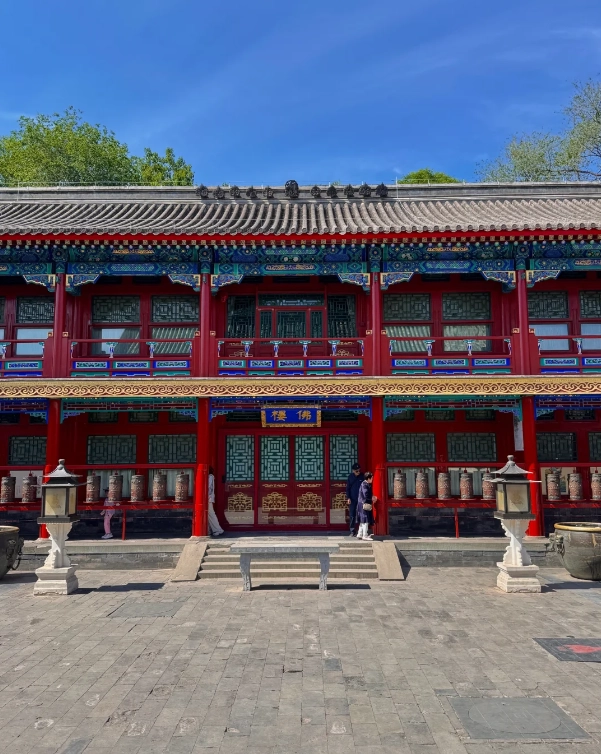
Planning Your Visit: Tickets, Hours & Getting There
Here’s the practical stuff you need to know. I’ve stood in the wrong line and shown up at the worst time, so learn from my mistakes.
| Information | Details |
|---|---|
| Address | 17 Qianhai West Street, Xicheng District, Beijing. It's nestled between Shichahai's lakes and the buzzing Houhai bar area. |
| Opening Hours | Peak Season (Apr-Oct): 8:00 - 17:00 (last entry 16:10). Off-Peak (Nov-Mar): 9:00 - 16:30 (last entry 15:40). The garden closes slightly earlier than the mansion complex. Closed on Mondays. |
| Ticket Price | 40 RMB for adults. This covers both the mansion and the garden. No separate tickets. Audio guides are available for rent (around 40 RMB) at the entrance, but quality varies. |
| Best Time to Visit | Weekday mornings right at opening. By 10:30 AM, domestic tour groups arrive in force. Late afternoons (90 minutes before closing) can also be quieter, but you'll feel rushed. Avoid weekends and Chinese public holidays at all costs. |
| Time Needed | A thorough visit takes 2.5 to 3.5 hours. If you just walk the central axis and garden, you can do it in 90 minutes, but you'll miss the essence. |
How to Get to Prince Gong's Mansion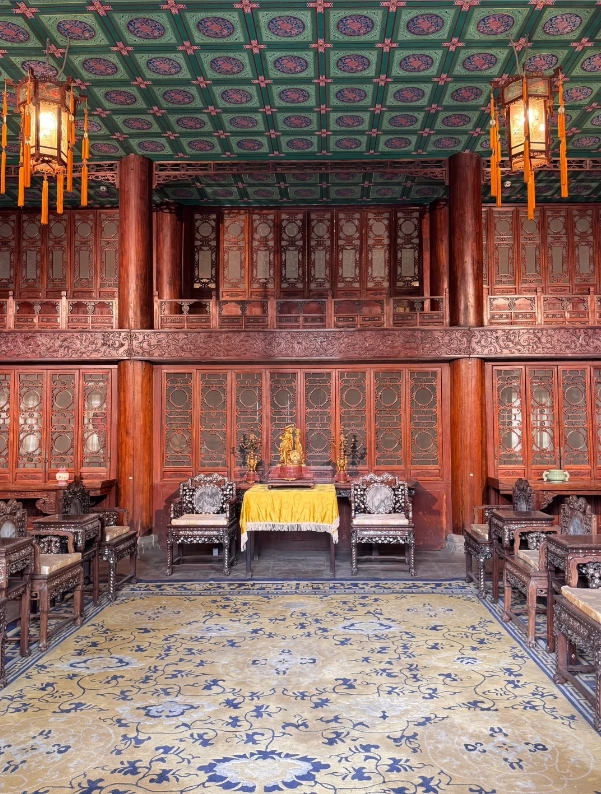
By Subway: This is your best bet. Take Line 6 to Beihai North Station. Exit B. Walk south for about 5-7 minutes. You'll see signs. The entrance is in a small alley (Liuyin Street), not directly on a main road, so keep an eye out for the crowd funneling into it.
By Taxi/Ride-hail: Tell the driver "Gong Wang Fu". Be aware that the surrounding hutong lanes are often congested, especially on weekends. Getting dropped off a block away and walking might be faster.
A pro tip: Combine your visit with a stroll around the Shichahai lakes (right next door). Come in the morning for the mansion, have lunch in a nearby hutong, then walk off your noodles by the water. It makes for a perfect Beijing day that balances history with local atmosphere.
Exploring the Mansion: A Room-by-Room Walkthrough
The layout follows a strict north-south axis with eastern and western side courtyards. Most people follow the herd straight down the middle. Don't. Here’s what to look for, in order of importance.
The Central Axis Buildings: These are the formal, ceremonial spaces.
- Yin'an Hall: The main hall for grand ceremonies. It's impressive, but empty. The interesting part is outside—look at the roof ornaments. The number of mythical beasts indicates the owner's high rank, just one step below the emperor's own palaces.
- Duofu Hall: Prince Gong's main reception hall. This feels more lived-in. Imagine him meeting foreign diplomats here, the air thick with tension and tea smoke.
The Eastern and Western Residential Courtyards: This is where the magic happens. The eastern side was for the head of the household, the western for family and concubines.
- Xijin Studio: The star of the show. This was Heshen's treasure room, modeled after the Forbidden City's Palace of Tranquil Longevity. The interior is paneled entirely with that incredibly rare, fragrant golden nanmu wood. When I stepped inside, the first thing that hit me was the scent—a warm, camphor-like aroma that's been locked in for 200 years. The carved zitan wood partitions are mind-bogglingly intricate. This room alone was a key piece of evidence in Heshen's corruption trial.
- Baoguang Room & Liangyi Studio: These smaller rooms in the western courtyards showcase scholar's artifacts and living quarters. They feel personal. You can see where the family relaxed, studied, and escaped the formalities of the main halls.
My advice? After seeing the first main hall, peel off to the east or west. Explore the side lanes first, then come back to the central axis. You'll understand the scale of the place better and avoid the biggest clusters of people.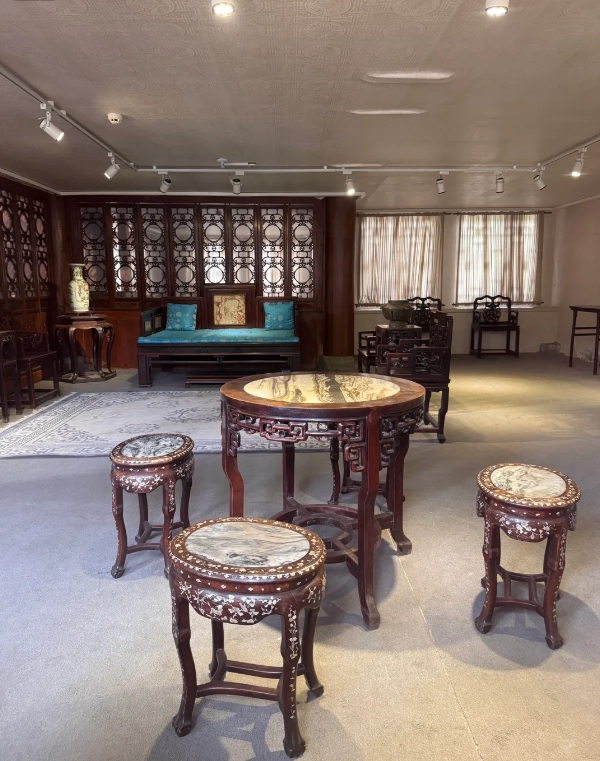
Secrets of the Garden: More Than Just a Pretty Space
The garden at the rear, named "Cuijin" (Tranquility and Cultivation), is often touted as the highlight. It is beautiful, but it's also a landscape of hidden symbolism. Don't just walk through it—decode it.
The 'Solitary Peak': A large, strangely shaped Taihu stone blocking the view as you enter. This was a classic Chinese garden technique to create mystery and prevent the whole garden from being seen at once. It also represented a mountain, a fundamental element in Chinese cosmology.
The Bat Pond: A pool shaped like a bat (the Chinese word for bat, fu, sounds like the word for good fortune). Trees were planted around it so their leaves would fall in autumn, symbolizing money (tong leaves look like old coins) gathering around the bat—wealth and fortune.
The '福' Character Stele: This is the garden's biggest crowd-puller. It's a stele engraved with a character for "fortune" (fu) said to be written by the Kangxi Emperor. The line to touch it for good luck is always long. Is it worth the wait? Personally, no. The stele itself is in a cramped, dark cave (Mianlong Cave) and the experience feels rushed. The more fascinating story is that Heshen stole it from the Imperial Palace, another notch in his list of audacious crimes.
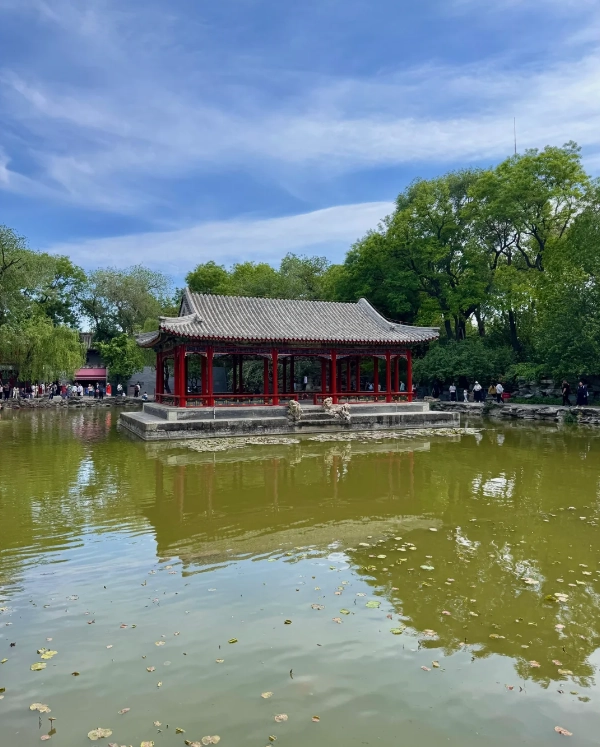
The garden's genius is in its miniature landscapes—small hills, winding paths, and pavilions that make the space feel much larger than it is. Find a quiet bench near the Fangtang Pool and just sit for five minutes. Listen to the wind in the bamboo. That moment of quiet, surrounded by such deliberate design, is more rewarding than touching any stone.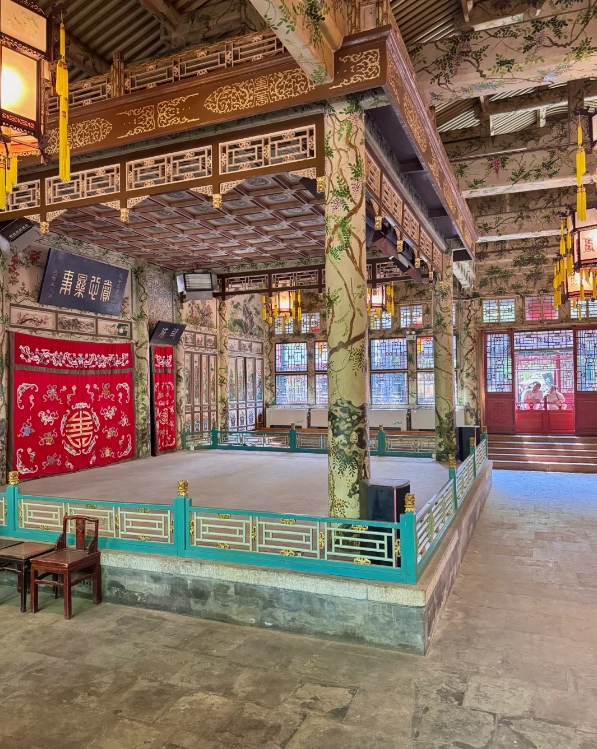
Your Prince Gong's Mansion Questions Answered
Is Prince Gong's Mansion worth it for kids, or is it too historical?
Can I buy Prince Gong's Mansion tickets on-site, or must I book online?
 What's the one thing most tourists miss at Prince Gong's Mansion?
How does it compare to the Forbidden City? Should I do both?
Walking out of the mansion back into the noisy Beijing hutong is always a jolt. You've been in a bubble of carved wood, symbolic gardens, and whispered history. That's the gift of Prince Gong's Mansion. It doesn't just show you how the Qing elite lived; it pulls you into the intrigues of their world. Forget the checklist. Go slow, look for the bats and the nanmu wood, and let the stories in the stones come out.
This guide is based on multiple personal visits and cross-referenced with information from the site's official notices and historical texts from the Beijing Municipal Administration of Cultural Heritage.
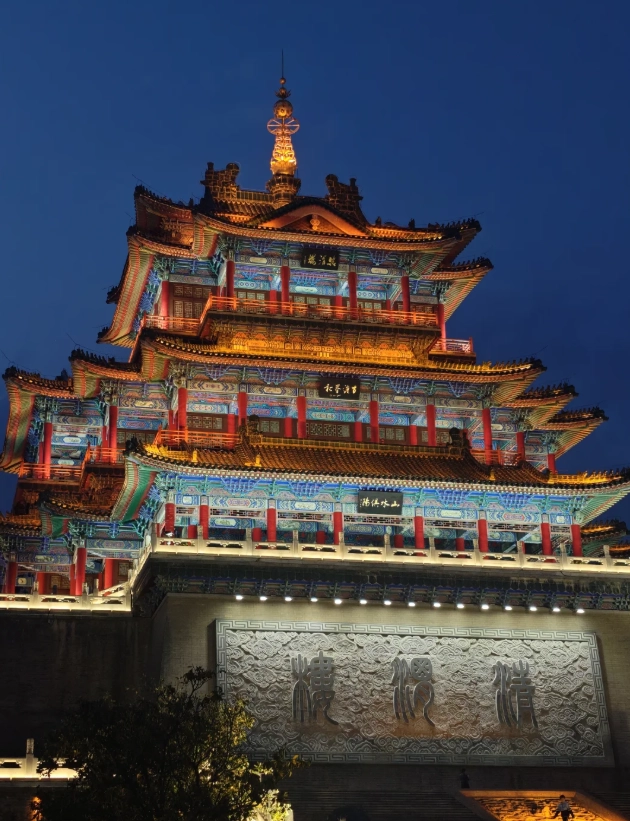
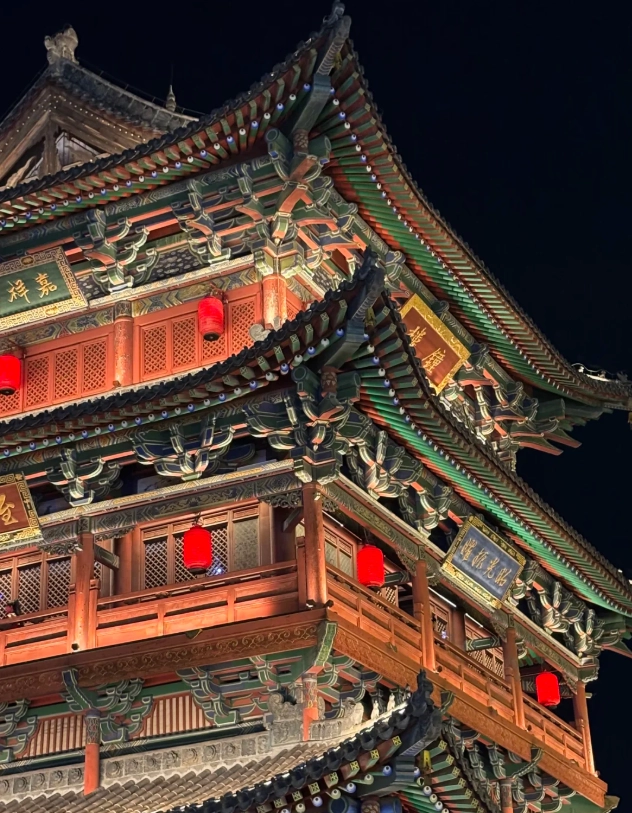
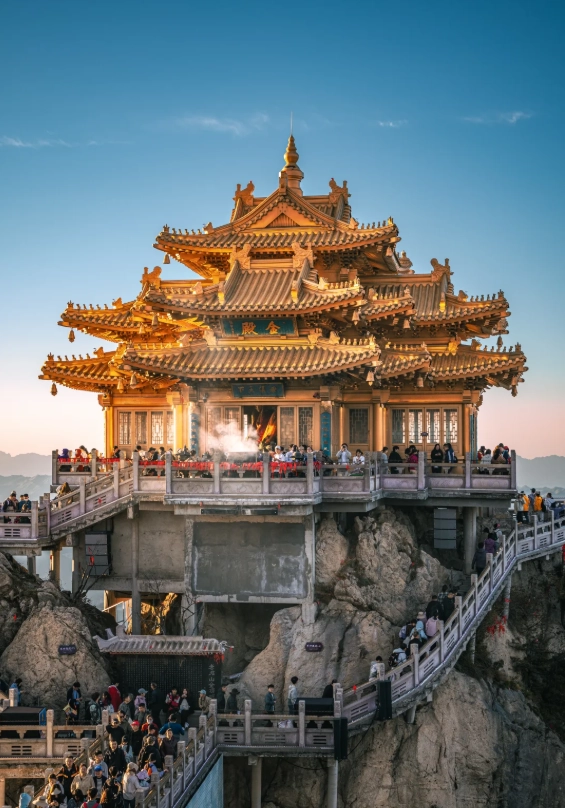





I visited with my parents and we all loved it. The scale is perfect – not too big to be exhausting like the Summer Palace, but packed with history. The 'Grand Opera House' is surprisingly well preserved; you can almost hear the Peking opera echoes. We especially appreciated the bilingual signs and the clean restrooms (a rarity in some spots!). If you only have time for one 'prince' residence, make it this one. Unforgettable.
Wow, wow, wow. I've been to most of the 'big' Beijing sites, and this one stole my heart. The 'Pavilion of Floating Cups' with the winding water channel is mind-blowing – you can actually see where they used to float wine cups during poetry parties! The garden maze of rocks is a delight to get lost in. Quiet, peaceful, and every corner tells a story. Highly recommend going early before the bus groups arrive. Truly a five-star experience.
Absolutely blown away! This place is a hidden gem compared to the Forbidden City. The intricate wood carvings and painted ceilings in the main hall left me speechless. I spent two hours just wandering the courtyards, soaking in the atmosphere. Pro tip: rent the storytelling audio guide – it brings the history of He Shen and Prince Gong to life. Best 40 RMB I've spent in Beijing. 5 stars without hesitation!
A solid afternoon out! The highlight for me was the 'Back Garden' – surprisingly quiet and beautiful with those rockeries and old trees. It's easy to imagine Prince Gong strolling there. The main buildings are impressive but very crowded; I couldn't get a good photo without people photobombing. The little teahouse near the exit sells decent oolong, though. Worth a visit, but manage your expectations on crowds.
I was honestly a bit underwhelmed after hearing so many rave reviews. The grounds are nice, sure, but it felt overcrowded even on a Tuesday morning. The audio guide was hard to follow with all the noise, and a few of the halls were closed for renovation. For the entrance fee, I expected more upkeep and less of a tourist crush. Maybe go on a rainy day?
Totally worth the 2-hour detour from the city center! I went on a rainy afternoon and it was magical – the courtyards emptied out, rain dripped off the eaves, and the whole place felt like a secret world. The bamboo grove in the back is incredibly photogenic. I didn't pay for the guided tour; just used a free app and explored at my own pace. The only reason it’s not a 5 is that the souvenir shop felt tacky and overpriced. Otherwise, a highlight of my Beijing trip.
I was pleasantly surprised! As someone who usually dislikes tourist traps, this place felt authentic and uncrowded. The highlight for me was the stage opera performance (check the schedule online). The actors were incredible and the little wooden pavilion created amazing acoustics. The only downside: the restroom near the exit was dirty and smelled awful. But for a hidden spot away from the usual crowds, it’s a solid 4. Bring your own water – the only shop inside was overpriced.
Good enough for a few nice shots, but not a must-see. The layout is confusing and some sections were under renovation when I went (July 2024). The ‘hidden palace’ hype felt overblown – it’s basically a well-preserved noble residence with a pretty garden. I did appreciate the quiet tea house by the east wing, but they overcharged for a cup of jasmine. If you have limited time, skip this and go to the Forbidden City instead.
What a gem! I visited on a weekday morning and practically had the place to myself. The architecture is stunning – those intricate wood carvings and the painted corridors transported me straight back to the Qing dynasty. I loved the peaceful lotus pond in the back garden; sat there for half an hour just listening to birds. Definitely grab the map at the entrance and read up beforehand, because there’s no audio guide that does justice. A perfect escape from Beijing’s chaos.
Honestly, I was a bit underwhelmed. The mansion itself is beautiful, but the 'insider tips' part of the title feels misleading – there’s barely any signage or guidance on the hidden corners. I spent most of my time wandering around confused, and the audio guide was pretty basic. For the price of admission, I expected more curated information. The garden was nice but crowded, and the staff seemed indifferent. Wouldn’t go out of my way again.
Honestly, I was a bit let down. Maybe I built it up too much after reading rave reviews, but the mansion felt overcrowded with tourists and selfie sticks. The queue for the main hall took 20 minutes just to peek through a door. The garden has some charm, but half the pathways were blocked for 'restoration'. For the entrance fee, you get a lot more value at the Lama Temple or the Temple of Heaven. Would skip on a return trip.
Good but not mind-blowing. The mansion is nicely preserved, and the garden is lovely for a stroll, but the audio guide felt rushed and skipped some courtyards. I also found the 'treasure collection' exhibit a bit tacky – felt more like a souvenir shop. Price was reasonable though, and you can easily combine it with a walk along the hutong nearby. Decent afternoon out, but I wouldn't call it a 'must-see'.
A beautiful historic site, but I wish there were more English signage. We got a bit lost trying to find the exit because the maps inside weren't very clear. The architecture is definitely impressive, especially the Grand Theatre Hall. However, it was quite crowded even on a Tuesday, and some rooms were roped off. Still, if you enjoy Qing-era history, it's a solid place to visit – just go early.
Honestly, this was the highlight of our Beijing trip. The mansion is smaller than the Summer Palace but feels so intimate and rich in stories. I loved the 'Hibiscus Pavilion' and the stage where they used to perform operas. The staff at the ticket booth spoke enough English to help us out. Pro tip: buy the combo ticket with the garden – it saves you time. Already planning to bring my parents next spring.
Absolutely fell in love with this place! The intricate woodwork and painted ceilings are stunning, and the back garden is so peaceful compared to the Forbidden City. We went on a weekday morning and practically had the place to ourselves. The audio guide was worth every yuan – it explained the tiny details like the hidden characters in the rockery. If you want to feel like a Qing dynasty noble for a day, this is it. 10/10 would come again.