 Hui Lin
Quick Jump to What Matters
Let me start with the short answer: Beijing is not as expensive as Tokyo or London, but it’s not a budget wasteland either. The real question is how you spend. I’ve guided hundreds of visitors here, and the ones who ended up broke—or frustrated—were the ones who didn’t know a few simple tricks. Here is what I wish every traveler knew before stepping off the plane.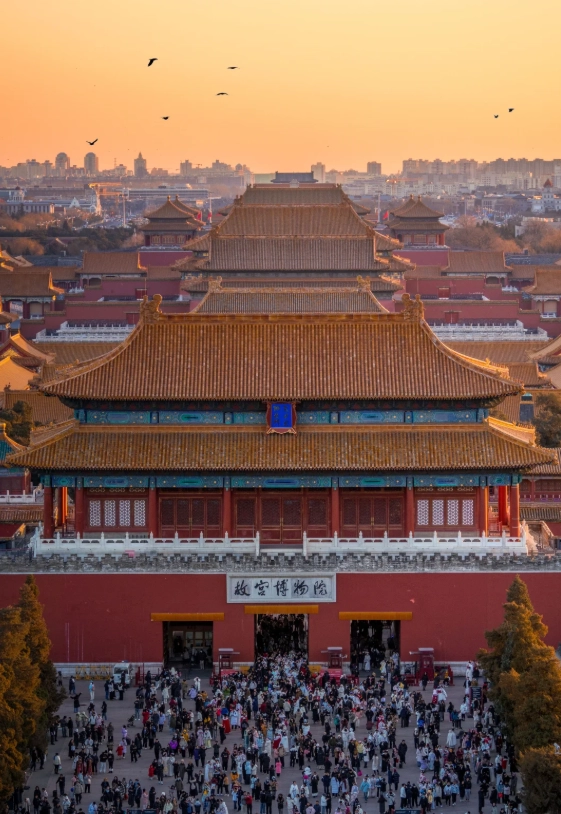
Accommodation Costs: From Hostel to Luxury
Hotels in Beijing have a huge price range. You can find a clean youth hostel dorm bed for around 80–120 RMB ($11–17) per night. Mid-range options like Hanting or Home Inn (Chinese chains with decent English service) run 250–400 RMB ($35–56). If you want a 5-star Western brand like the Peninsula or China World Hotel, expect 1,200–2,500 RMB ($170–350).
Pro tip from my own booking nightmares: Book on Trip.com or Ctrip, not Western OTAs—prices are 20–30% lower. Also, always check if the hotel requires a deposit in cash when you check in; many mid-range hotels still do, and not having cash can be a hassle. I once had a guest who only had credit cards—he spent 20 minutes at reception while they tried to process an authorization. Save yourself the stress: carry about 500–1,000 RMB cash for deposits and street food.
Food & Drink: Street Eats vs. Fine Dining
Food is where you can really save. A proper breakfast of jianbing (savory crepe) and soy milk costs about 8–15 RMB ($1–2). My personal favorite jianbing stall is right outside the Zhangzizhong Road subway exit (Line 5, Exit D)—the lady there speaks zero English but she’s fast. For a sit-down meal of Beijing roast duck, expect 150–250 RMB ($21–35) per person at a place like Sijiminifu (Dongsi Branch). Avoid the super-touristy Quanjude: their duck is fine but the price is inflated. I always steer my groups to Jindingxuan for dim sum; their lunch deals cost around 60 RMB ($8.5) per person.
One painful lesson: At many small restaurants, they don’t take foreign credit cards. Always ask before you eat. WeChat Pay or Alipay is the norm, but as a foreigner you can’t always link your card. So carry cash as backup. I also recommend you download the Dianping app (it has an English version now) to see real prices and ratings from locals.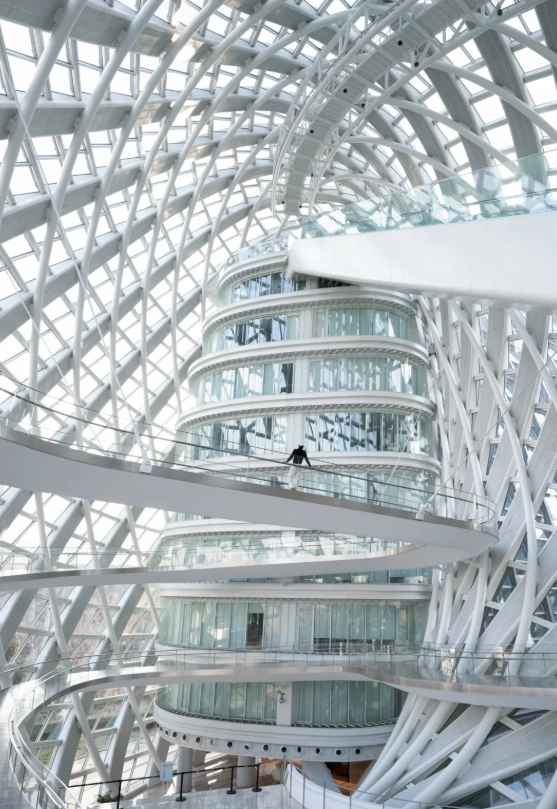
Transportation: Subway, Taxi & Didi
The Beijing subway is incredibly affordable—a single ride costs 3–9 RMB ($0.40–1.30) depending on distance. A day pass doesn’t exist, but if you ride 4–5 times, you’ll spend under 30 RMB ($4). Taxis start at 13 RMB ($1.80), and a cross-city trip (say, from the Forbidden City to the Summer Palace) costs about 60–80 RMB ($8–11). Didi (Chinese Uber) is slightly cheaper than taxis, but you need the app—setting it up as a foreigner can be tricky. I recommend having your hotel reception help you register; otherwise, the official taxi queue at airports is reliable.
My biggest frustration: During rush hour (5–7pm), taxis are impossible to hail. The subway is your best friend then, even if it’s packed. Always keep a subway map on your phone.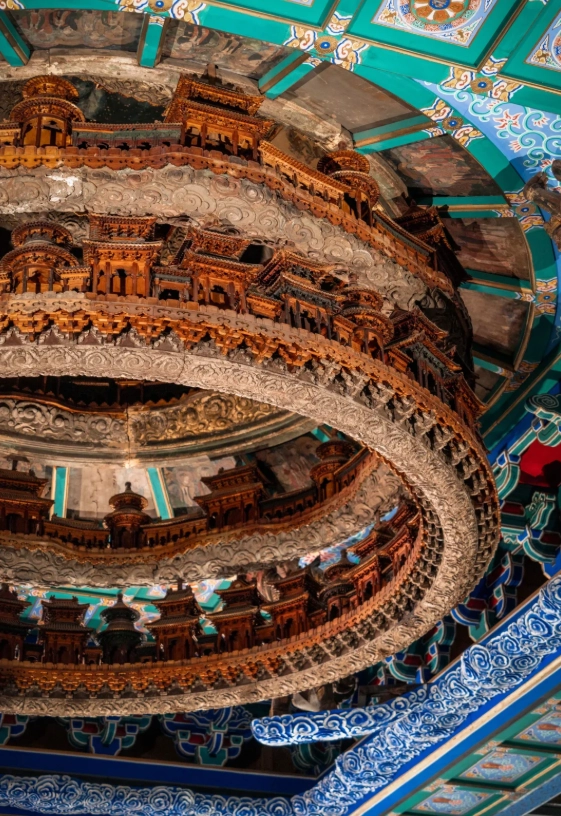
Attraction Tickets: The Real Numbers
| Attraction | Adult Ticket (RMB) | Notes |
|---|---|---|
| Forbidden City | 60 (peak season 80) | Must book online via wechat miniprogram at least 7 days ahead; no tickets sold at gate |
| Great Wall (Mutianyu) | 45 | Add cable car 120 RMB round trip; bus from Dongzhimen costs 20 RMB each way |
| Summer Palace | 30 (peak 60) | Combined ticket with garden inside is 60/80; I suggest just the base ticket |
| Temple of Heaven | 15 (peak 30) | Go before 8am to see locals doing tai chi—free to enter the park early |
| National Museum | Free | ID required; reserve online 1 day ahead |
Most attractions have a standard high season (April–October) and low season (November–March). If you’re on a tight budget, visit from mid-November to February—not only are tickets cheaper, but also accommodation drops by 30%.
Here’s a specific mistake I see all the time: tourists lining up at the Forbidden City south gate at 10am. The line snakes for 30 minutes in the sun. Instead, take the subway to Tiananmen West (Line 1, Exit B), walk into the park through the west gate—almost no queue. Then exit through the east gate after your visit to Donghuamen night market.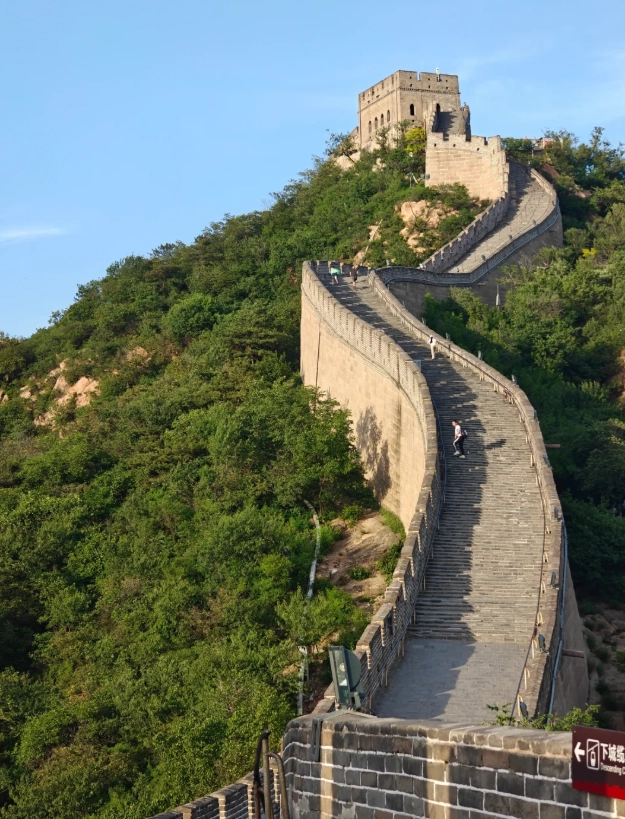
Money-Saving Tips Only Locals Know
#1: Drink water from your hotel—bottled water is cheap (2 RMB) but adds up. Tap water is not potable, but hotel kettles work fine.
#2: Skip the Hop-On Hop-Off bus (240 RMB)—the subway covers everything for a fraction.
#3: Eat at university areas like Wudaokou or Zhongguancun—massive portions for under 20 RMB.
#4: Use public toilets for free; many are clean. Carry toilet paper though.
#5: If you’re in a group of 4+, take Didi instead of subway if the distance is short—it often costs the same.
And one more thing: don’t exchange money at the airport. The rate is terrible. Use a bank ATM in the city. I always tell my clients to bring a debit card that refunds ATM fees—like Schwab or Revolut.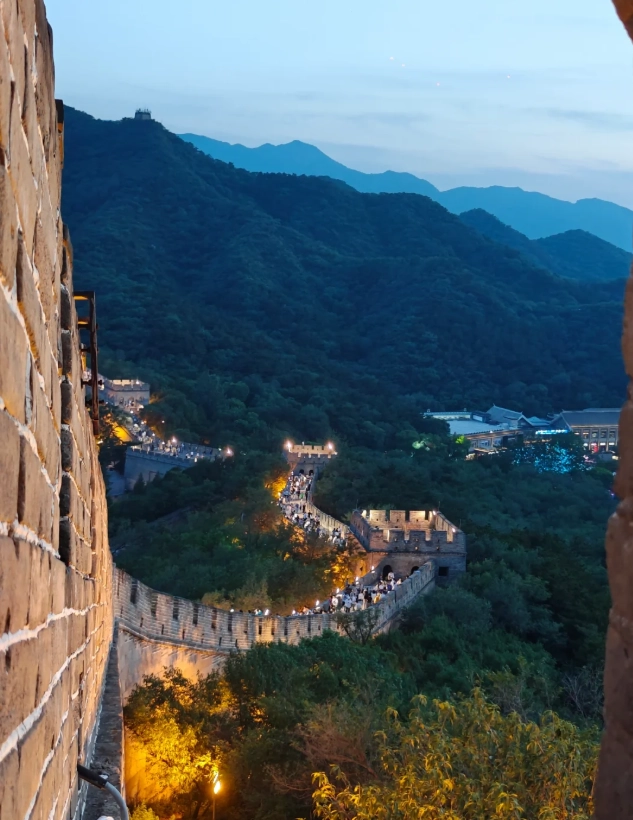
Frequently Asked Questions
Verified and fact-checked by the editorial team. All prices updated as of the latest available data. This content has been fact-checked to ensure informational precision.





No comments yet.