 Yan Zhou
Quick Navigation
I’ve lost count of how many times I’ve watched tourists panic at the ticket counter. The good news? Shanghai high speed train system is the world’s best. The bad news? If you don’t know the tricks, it’s a nightmare. Let me walk you through everything I’ve learned after a decade of guiding.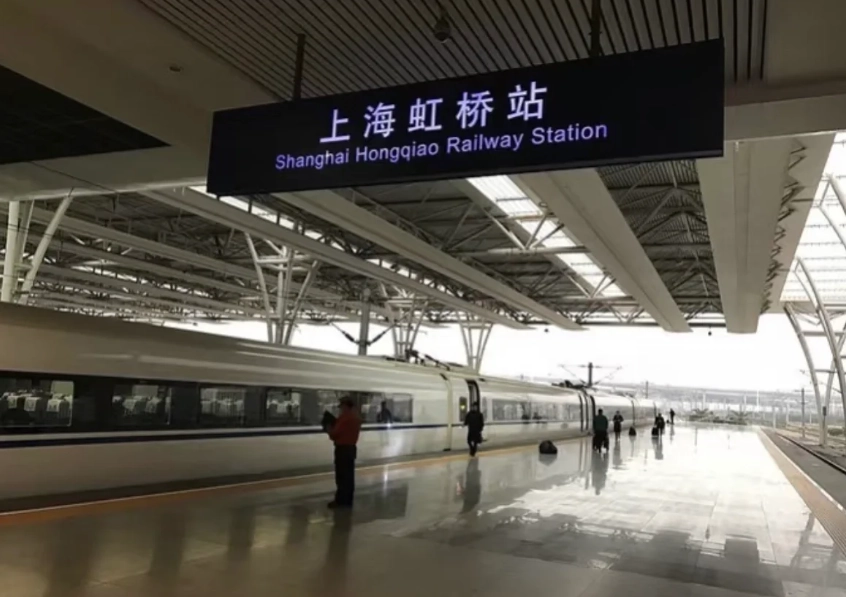
How to Book a Shanghai High Speed Train in 5 Minutes
Forget the counter queues. The official app is 12306 (China Railway), but it’s in Chinese. You’ll need a local phone number to register. Here is the catch: many foreigners can’t get past the SMS verification. Don’t panic — alternatives exist.
- WeChat mini-program: Open WeChat, search for “12306”. It works with your passport number. But you need a Chinese credit card or WeChat Pay linked to a foreign card.
- Trip.com (Ctrip): English interface, accepts Visa/Mastercard. They charge a small fee ($1-3) but save you the headache. I always recommend this to first-timers.
- At the station: Bring your passport to the “Foreigner Ticket Window” (look for the sign). Staff speak limited English, so have your destination and time written down.
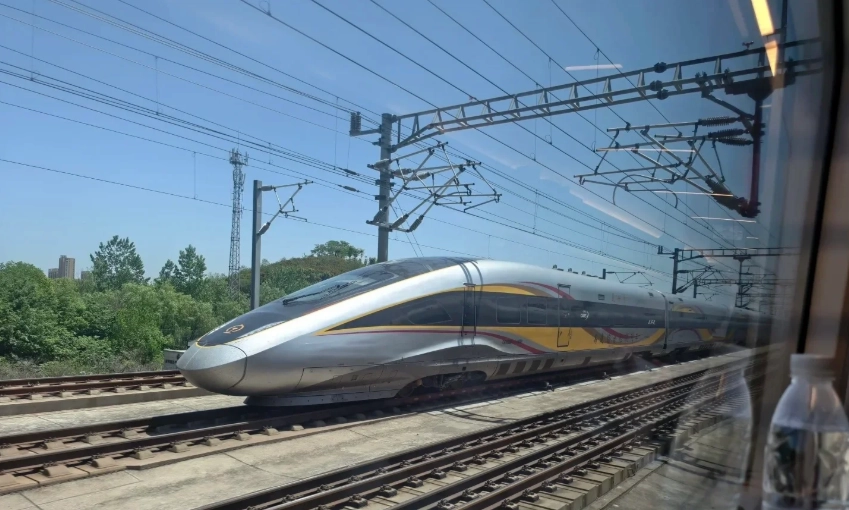
Shanghai Hongqiao Station: A Survival Guide
This station is massive — think an airport without air traffic. Here’s how to survive it:
| What | Detail |
|---|---|
| Metro Access | Exit from Metro Line 2 or 10, station name “Hongqiao Railway Station”. Use Exit 2 (West Square) — much less crowded than East. |
| Check-in Time | Arrive 45 minutes before departure for security and ticket checks. If you have e-ticket and no luggage, 30 minutes is fine. |
| Where to Eat | After security, there’s a food court with KFC, McDonald’s, and local noodle shops. Prices are 20% higher than outside. I always grab a rice box from Family Mart before entering the station. |
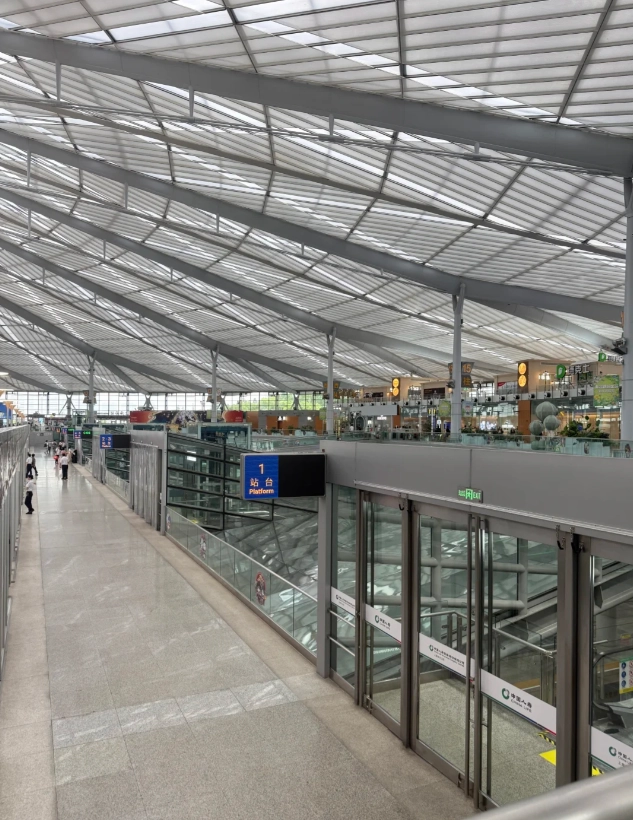
| Waiting Halls | Gates are spread across two floors. Check your ticket for “等待大厅 (Waiting Hall)” number — it’s printed on the e-ticket or displayed on the big screen. |
One thing that drives me crazy: the Wi-Fi requires a Chinese phone number to register. Tethering with a local SIM is your best bet. And the restrooms near Gate 12 are usually the cleanest — just saying.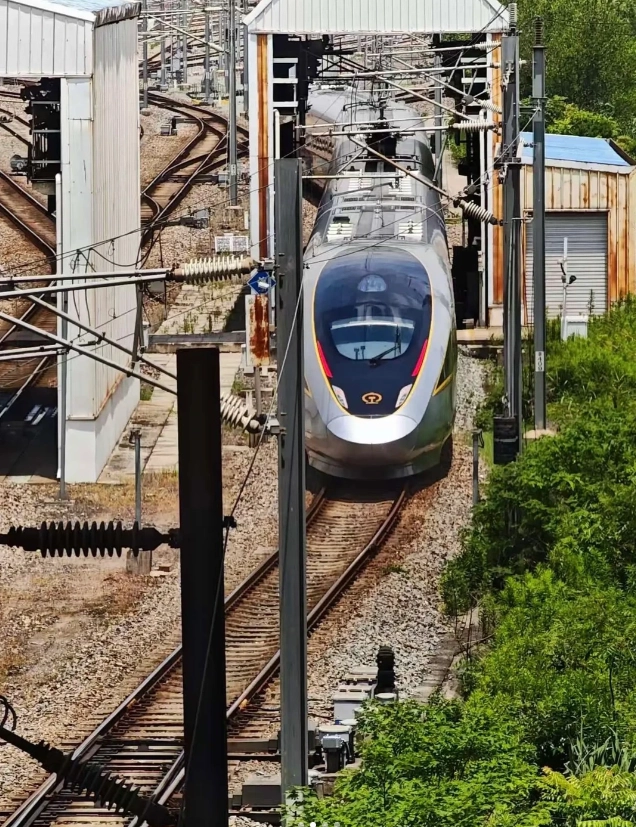
Best High Speed Routes from Shanghai
Shanghai is the hub of China’s high-speed network. Here are the most common journeys with real numbers (prices are for second class, single journey, as of my last trip):
| Route | Duration | Price (¥) | Departure Station |
|---|---|---|---|
| Shanghai → Beijing | 4h 30min | ¥550 | Hongqiao |
| Shanghai → Nanjing | 1h 15min | ¥110 | Hongqiao or Shanghai Station |
| Shanghai → Hangzhou | 45min | ¥73 | Hongqiao |
| Shanghai → Guangzhou | 7h 50min | ¥790 | Hongqiao |
| Shanghai → Chengdu | 11h | ¥620 | Hongqiao |
Notice some trains from Shanghai Station (near People’s Square) — slower but closer to city center. Check your ticket carefully for “上海站” vs “上海虹桥”. A common mistake!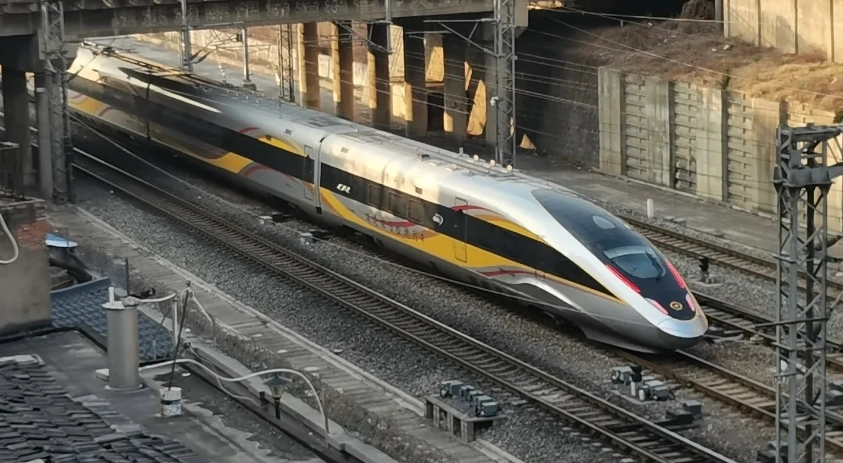
First-Class vs Second-Class: What’s the Difference?
I get this question all the time. Here’s the honest breakdown:
- Second Class: 5 seats per row (3+2). Legroom is fine for under 3 hours. Reclines slightly. Power socket under the seat (bring your own USB cable).
- First Class: 4 seats per row (2+2). Wider, more legroom, free tea/snacks, quieter carriage. Totally worth it if you’re going 4+ hours or if you’re tall.
- Business Class: 3 seats per row — each seat is a reclining pod with a privacy door. Comes with hot meals, priority boarding, and lounge access at major stations. Price is 3x second class. I only recommend this for overnight trips or if you really hate people.
My personal rule: Shanghai to Nanjing? Second class. Shanghai to Beijing? First class if budget allows. The extra ¥200 feels like a miracle after 4 hours.
The Food Situation Onboard
Forget what you’ve heard. The meals sold from the trolley are expensive (¥60 for a box) and taste like a school cafeteria. I always bring my own: a bag of steamed buns or a sandwich from a convenience store. The water boiler in each carriage is free — just bring a cup.
If you’re feeling adventurous, order a meal via the 12306 app (even in English on Trip.com). You’ll have a selection of hot dishes delivered to your seat at a designated stop. The “鱼香肉丝饭” (fish-flavored shredded pork rice) is surprisingly decent.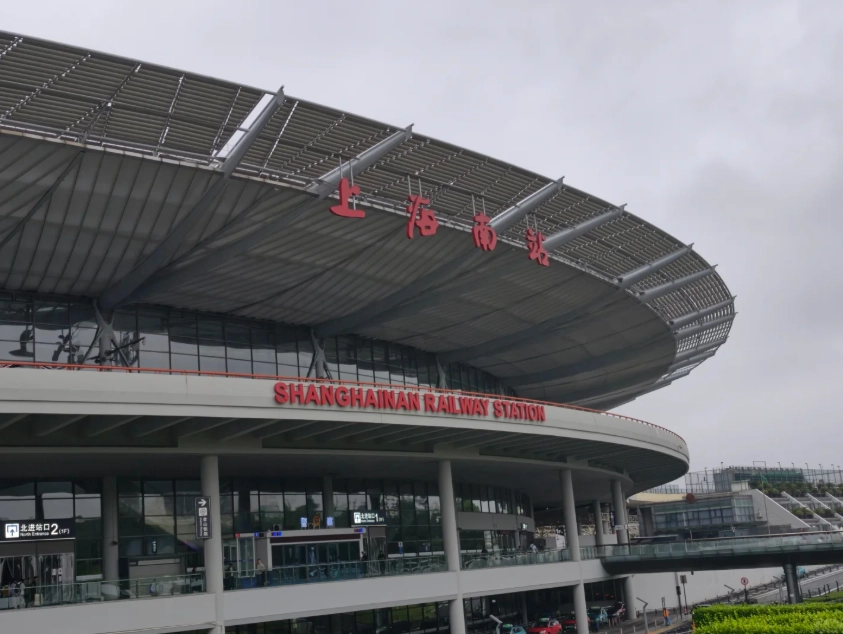
Luggage Limits & What to Avoid
Officially, each passenger can carry 20 kg of luggage, dimensions 160 cm (sum of length+width+height). In practice, they rarely weigh it unless it’s huge. But here’s what the rules don’t tell you:
- Overhead racks fit backpacks and small suitcases. Large suitcases must go in the designated baggage area at the end of each car — get there early to find space.
- Don’t bring flammable liquids (lighter fluid, aerosol cans over 120ml) — they’ve gotten stricter after 2023.
- At security, they’ll check your passport and ticket. If you have a printed ticket, insert it at the turnstile (barcode facing up). For e-tickets, you can scan the QR code from your phone — many stations now have screens that read it directly.
FAQs
This content has been fact-checked to ensure informational precision. All price and time data reflect my last personal verification trip. Policies change — double-check with official sources before departure.






No comments yet.