 Lei Li
Standing before the Meridian Gate, the sheer scale of The Forbidden City hits you. It's not just a palace; it's a city within a city, a labyrinth of crimson walls and golden roofs that once housed emperors and their courts. I've walked its central axis multiple times, and each visit reveals a new detail—a dragon carving I'd missed, the play of light on a marble terrace, the quiet of a side courtyard at midday. Most first-time visitors make the same mistakes: they follow the main crowd, rush through the central halls, and leave feeling overwhelmed but not truly connected. This guide is about experiencing the palace, not just checking it off a list.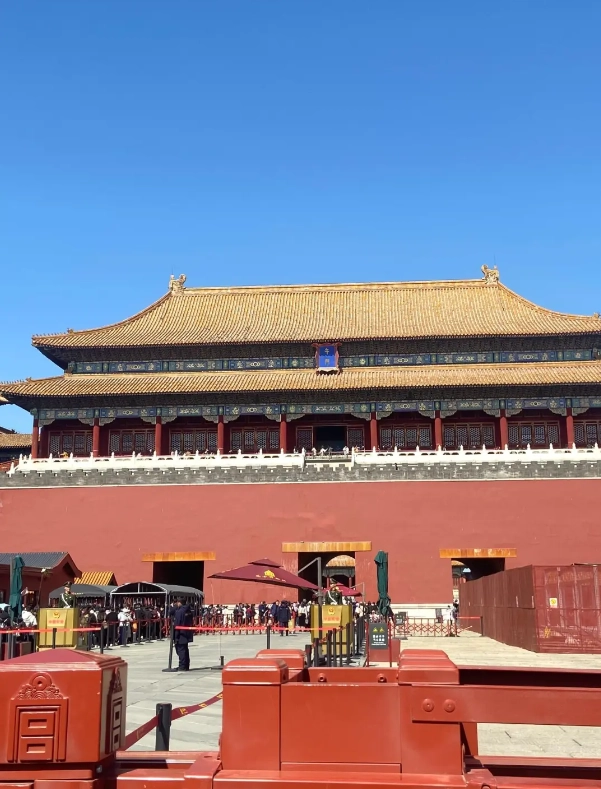
Your Quick Guide to Navigating This Article
Planning Basics: Tickets and Timing
Let's get the logistics out of the way first. The official name is the Palace Museum, but everyone calls it The Forbidden City. It's located right in the center of Beijing, north of Tiananmen Square. The only public entrance is through the Meridian Gate (Wumen) on the south side, and you exit at the Gate of Divine Prowess (Shenwumen) to the north.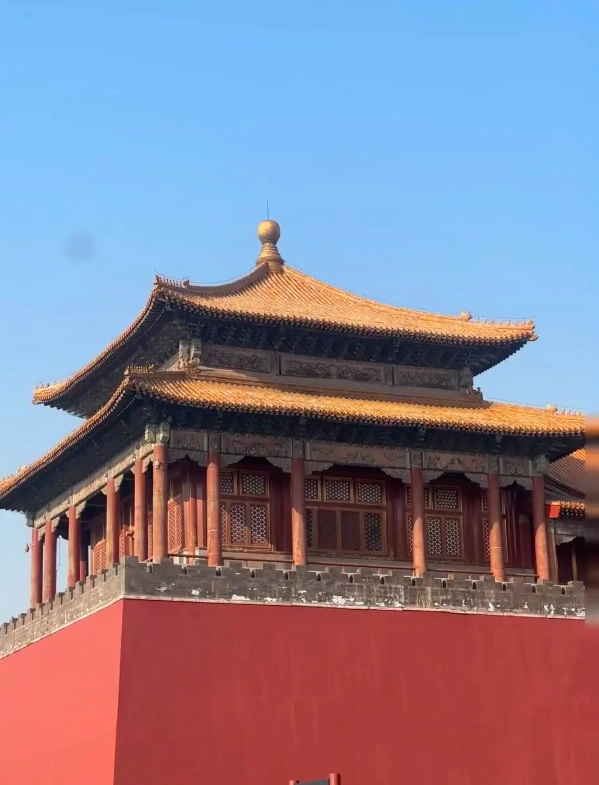
Address: 4 Jingshan Front St, Dongcheng, Beijing, China.
Getting There: Take Beijing Subway Line 1 to Tiananmen East Station (Exit B) or Tiananmen West Station (Exit B). Follow the signs. The walk from the subway involves passing through Tiananmen Square security checks, so factor in an extra 15-20 minutes.
Key Takeaway: There is no ticket booth at the entrance. You must book online in advance. Showing up without a pre-purchased ticket means you will not get in.
| Item | Details | Notes |
|---|---|---|
| Opening Hours | 8:30 AM - 5:00 PM (Apr 1 - Oct 31) 8:30 AM - 4:30 PM (Nov 1 - Mar 31) |
Last entry is 1 hour before closing. Galleries close 30 mins earlier. |
| Closed On | Mondays (except Chinese national holidays) | Always check the official website for holiday closures. |
| Standard Ticket (Apr-Oct) | CNY 60 (approx. $8.50) | Includes access to the main palace complex. |
| Standard Ticket (Nov-Mar) | CNY 40 (approx. $5.50) | Off-season offers lower prices and fewer crowds. |
| Treasure Gallery & Clock Gallery Ticket | CNY 10 each (approx. $1.40) | Highly recommended. Purchased separately inside. |
The Best Time to Visit The Forbidden City
Everyone says "go early," but let's define "early." The gates open at 8:30 AM. To be among the first inside, you need to be at the Meridian Gate security checkpoint by 8:00 AM. The difference between entering at 8:35 and 10:00 AM is profound—the central courtyards feel serene, the light is soft for photography, and you have space to breathe. Late afternoons (after 3:30 PM) are also surprisingly good, as most tour groups are leaving. The low-angle sun casts long shadows, making the architecture glow. Avoid weekends and Chinese public holidays if humanly possible; the crowd density can become oppressive.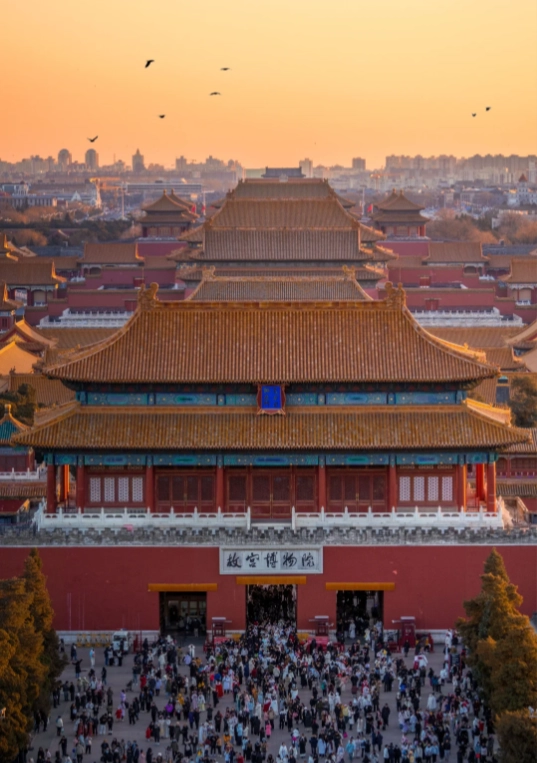
How to Buy Forbidden City Tickets
This is the single biggest hurdle for visitors. Tickets are sold exclusively online through the official Palace Museum website or its WeChat mini-program. They are released 7 days in advance at 8:00 PM Beijing time. For peak season (spring, autumn, summer holidays), they sell out within minutes. I've watched the countdown timer tick to zero and seen all morning slots disappear in under two minutes.
You will need to present the original passport used to book the ticket at the entrance. They scan the passport and match it to the booking. Electronic copies or driver's licenses are not accepted. If you're traveling with family, you must book each ticket with the individual's passport details. There is no "group booking" option that bypasses this.
Your Forbidden City Tour: A Smarter Route
The classic mistake is to march straight up the central axis from the Meridian Gate to the Gate of Divine Prowess. You see the biggest halls, but you experience a river of people and miss the soul of the place. Here's a route I've refined over several visits that balances grandeur with intimacy.
Start at the Meridian Gate (Wumen). Don't just pass through. Climb up to the gate tower if it's open (it sometimes houses exhibitions). The view back over the massive square and forward into the first courtyard sets the scene.
Cross the Golden Water Bridges and head for the Hall of Supreme Harmony (Taihedian). Yes, see the big one. But instead of fighting for a front-row view, notice the details: the rows of bronze incense burners, the marble ramps with dragon carvings. The scale is meant to overwhelm subjects—let it.
Here's the pivot. After the Hall of Preserving Harmony (Baohedian), most people go straight north into the Inner Court. Turn left (west) instead. Walk towards the Palace of Compassion and Tranquility (Cining Gong) area. Suddenly, the crowds thin. You'll find older palace ladies' quarters, quieter gardens, and architectural styles that feel less rigidly ceremonial.
Make your way to the Six Western Palaces. These interconnected courtyards housed imperial concubines. The Palace of Eternal Spring (Changchun Gong) often has smaller, fascinating exhibitions on palace life. You can peek into living quarters and get a sense of the confined, if opulent, reality behind the walls.
Now, visit the Treasure Gallery (Zhenbao Guan) in the Palace of Tranquil Longevity (Ningshou Gong) area. This requires the separate CNY 10 ticket. It's worth every cent. The craftsmanship in the jade, gold, and gemstone pieces is staggering. It's also usually air-conditioned, a welcome respite in summer.
Rejoin the central axis at the Imperial Garden. You've avoided the peak crowd here. Explore the garden's rockeries and pavilions, then exit via the Gate of Divine Prowess.
This route takes 4 to 5 hours at a comfortable pace, allowing for stops and detours.
Beyond the Throne: Hidden Gems Most Miss
Anyone can find the throne. Finding the character for "longevity" hidden in the ceiling patterns of the Palace of Heavenly Purity takes a keener eye. Here are spots where the palace feels more personal.
The Corner Towers. The four exquisitely intricate towers at each corner of the wall are iconic from the outside. From Jingshan Park across the street, you get the famous postcard view. But few notice the unique 28-roof-beam structure, a masterpiece of carpentry.
The Nine-Dragon Screen. Located in the Palace of Tranquil Longevity area, this glazed-tile screen is one of only three of its scale in China. The dragons are vibrant and dynamic. It's a favorite for photos, but go around the side—the perspective along the length of the screen is more dramatic than head-on.
The Imperial Garden's "Four Deities" Pattern. In the pebble mosaic pathways of the garden, look for the representations of the Azure Dragon, White Tiger, Vermilion Bird, and Black Tortoise. They're easy to walk right over.
The Roof Figurines. The number of small statuettes on the roof ridges indicates the importance of the building. The Hall of Supreme Harmony has ten, the maximum. Look for buildings with seven or nine; they mark significant halls. It's a simple code that reveals the hierarchy of the architecture around you.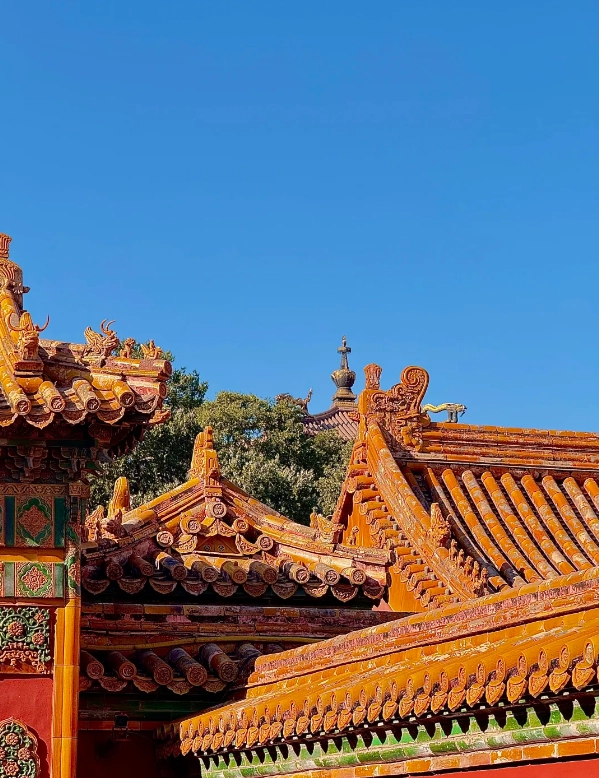
Practical Tips for a Smooth Visit
Wear the most comfortable shoes you own. The walking surface is uneven stone and brick for miles. I made the mistake of wearing new sneakers once; it was a regretful day.
Bring water and snacks. While there are a few cafes inside, they are overpriced and often crowded. There are limited free water refill stations, so carrying a bottle is wise. Sun protection is non-negotiable—hat, sunscreen, sunglasses. The vast courtyards offer little shade.
Consider an audio guide (available for rent at the entrance in multiple languages) or downloading a reputable audio tour app before you go. The signage is basic, and understanding the function of each hall transforms ruins into a living space.
Photography is allowed in most outdoor areas, but flash is prohibited indoors. Some galleries ban photography entirely. Be respectful of the signs.
Your exit leads straight to Jingshan Park. For a small fee, climb to the top of the hill (it's man-made from the moat's excavated earth) for that iconic, panoramic view of The Forbidden City's roofscape. It's the perfect way to end your visit and comprehend the symmetrical layout you just navigated.
Your Forbidden City Questions Answered
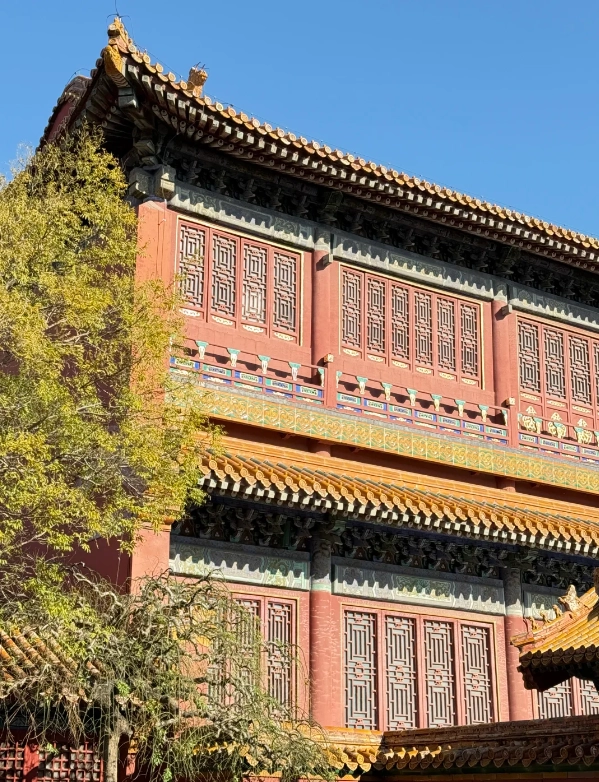 What's the biggest mistake first-time visitors make inside the palace?
The Forbidden City isn't a museum you simply observe. It's an environment you move through, a physical story you walk within. By planning your tickets carefully, choosing a smart route, and looking beyond the obvious, you trade a crowded checklist for a personal encounter with China's imperial past. The memory that stays with me isn't of the throne room, but of the quiet echo in a side courtyard, wondering about the lives once lived within its walls. That's the experience to seek.
This article is based on multiple personal visits and information from the official Palace Museum website. Details like ticket prices and opening hours are subject to change; always verify on the official site before your visit.
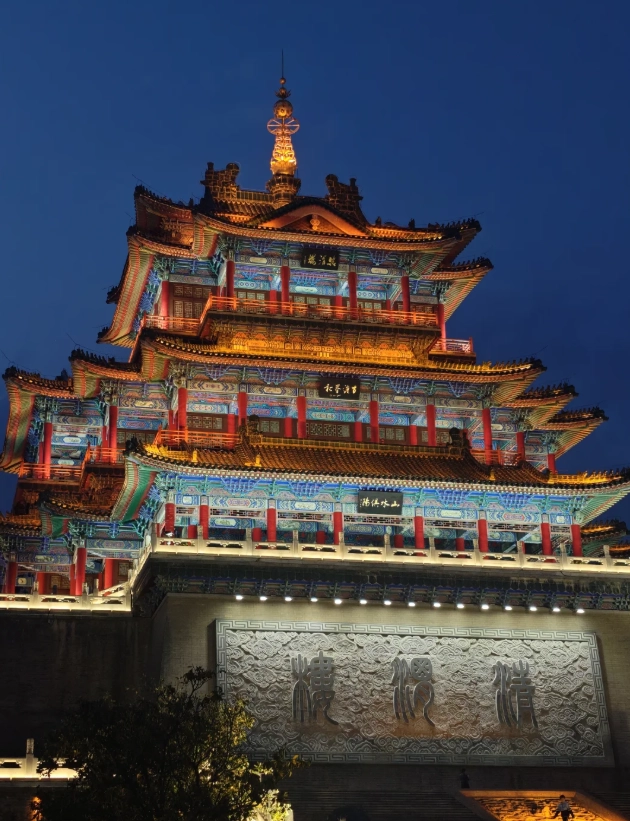
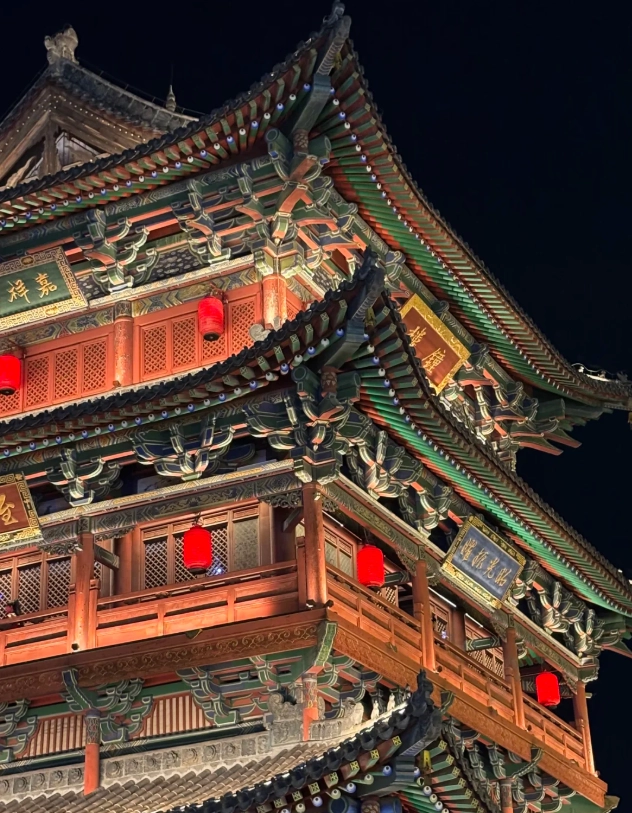
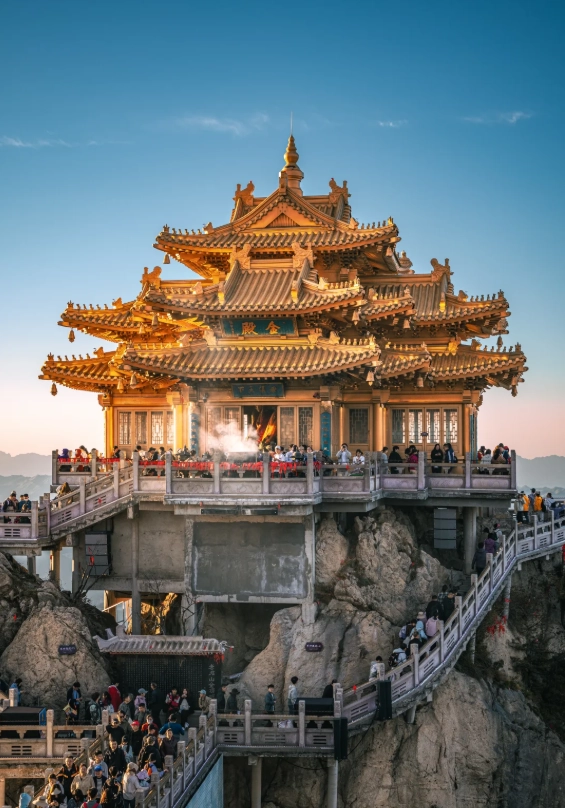





Visited on a crisp autumn afternoon and it was magical. The orange leaves against the red walls created incredible photo opportunities. The sheer precision of the architecture — the symmetrical layout, the dragon motifs, the marble staircases — it's a masterpiece of ancient engineering. I spent almost four hours wandering and didn't get bored once. The exit through Jingshan Park gives you the perfect panoramic view. Absolutely worth every penny.
One of the most impressive places I've ever been! I booked a guided tour with a local historian and it made all the difference — he pointed out hidden symbols and stories I never would have noticed. The Hall of Supreme Harmony is jaw-dropping with its golden throne and massive bronze cauldrons. I also loved the Imperial Garden with its ancient cypress trees. Pro tip: bring water and wear comfortable shoes, you'll walk miles. A must-do in Beijing!
Honestly, I was disappointed. Maybe I hyped it up too much in my head, but it just felt like a sea of red walls and endless courtyards with very little actual content inside. Most of the buildings are roped off so you can only peek through windows at replica furniture. The crowds were insane and the heat in summer was brutal. Spent two hours shuffling along and left feeling like I'd been through a theme park queue, not a historical site. Not worth the hassle for me.
Pretty amazing but also overwhelming. So many people even on a weekday — I felt like I was in a giant conga line of tourists for most of the visit. The halls and gardens are gorgeous, no doubt, but the constant crowd noise took away from the serenity I was hoping for. The ticket price felt a bit high given the congestion, but the architecture alone makes it worth seeing once. Just go with realistic expectations.
Absolutely breathtaking! The sheer scale of the Forbidden City left me speechless. Walking through the massive gates and seeing the intricate details on every roof and pillar was like stepping back in time. I went early in the morning and had a few quiet moments in the inner courtyards — pure magic. The audio guide is a must, it really brings the history to life. Can't recommend this enough, a 10/10 experience!
I read all the tips beforehand so I was prepared—and it still exceeded expectations. Walking through the Gate of Supreme Harmony gave me actual goosebumps. The sheer historical weight is palpable. Took the side alleys to avoid the main crowd flow and discovered some quiet, crumbling courtyards that felt like secret gardens. Best memory of my China trip.
As a photographer, I was in heaven—the symmetry of the halls, the golden glazed tiles, the endless red walls. Pure visual gold. But I have to be honest: the restrooms near the exit were disgusting, and the café served overpriced instant noodles. If you can ignore the tourist-trap food and focus on the imperial splendor, it's a solid 4-star experience.
I had mixed feelings. The architecture is undeniably stunning, but the crowds were overwhelming even on a Tuesday morning. You're constantly shuffling shoulder-to-shoulder, which ruined the peaceful atmosphere I was hoping for. Also, some of the signboards are faded and hard to read. A solid 3/5 for me—worth a quick visit, but I wouldn't line up for hours again.
Went on a weekday in late October, and the autumn colors made every courtyard look like a painting. The ticket booking system was smooth, and the staff at each hall were polite despite the constant flow of people. One tip: bring your own water—prices inside are crazy. Definitely a must-see, even if you're not a history buff.
Honestly, the sheer scale of the Forbidden City is mind-blowing. I spent nearly four hours there and still felt like I only scratched the surface. The intricate dragon carvings on the marble ramps literally took my breath away. My only regret is not renting an audio guide—so many fascinating stories I missed. 10/10 would recommend going as early as possible to beat the crowds.
Exactly what I needed for my first trip to Beijing. The tips on avoiding peak hours (go right at opening!) and bringing a portable charger were spot on. I especially appreciated the suggestion to download the audio guide app beforehand – it made the experience so much richer. I ended up spending 4.5 hours exploring and still didn't see everything. A fantastic resource that turned a potentially overwhelming visit into one of the best days of my trip. Five stars without hesitation.
Useful for logistics, but I was hoping for more on the cultural or architectural details. The article mentions 'paintings and artifacts' without describing any specific must-see pieces. Also, zero advice on finding shade or where the few benches are – my elderly mom nearly passed out from the heat halfway through. A good starting point, but misses the mark on comfort and depth. Three stars because the ticket-booking link actually worked.
I followed this article religiously and had a smooth, stress-free day at the Forbidden City. The tip about entering from the east gate instead of the main entrance during peak season was pure gold – I waited only 10 minutes while the main line was snaking around the block. The breakdown of what to look for in each hall gave me a real sense of history. Worth every second of reading before I left my hotel. Highly recommend!
Decent tips, but nothing I couldn't have found on a dozen other blogs. The article says 'book in advance', which is obvious. What I really needed was which tour routes avoid the worst of the gift shops and photo-trap spots. Also, the writing feels a bit generic – no mention of the actual smell of incense near the inner court or the surprise of finding the stone dragon carvings. It's okay, but not the essential guide it claims to be.
This guide saved me so much time! I had no idea about the separate ticket windows for foreigners and the two-hour limit per section. Arrived early as suggested and practically had the Hall of Supreme Harmony to myself before the crowds hit. My only regret is not reading the part about comfortable shoes – my feet were killing me by noon! Still, an absolute 5-star read for first-timers.