 Lei Li
Quick Navigation
I still remember the first time I stood at the Zhoukoudian Peking Man Site. The air felt different—thick with history, not just the Beijing smog. This isn't just another tourist spot; it's where scientists uncovered bones that rewrote the story of human evolution. If you're thinking about visiting, you probably have questions. Is it worth the trip from downtown Beijing? What should you expect? Let me walk you through it, based on my own visits and chats with local guides.
Zhoukoudian sits in Beijing's Fangshan District, about 50 kilometers southwest of the city center. It's a UNESCO World Heritage Site, recognized for its pivotal role in paleoanthropology. The site yielded fossils of Homo erectus, often called Peking Man, dating back hundreds of thousands of years. But beyond the textbooks, it's a place where you can touch—figuratively, of course—the echoes of our ancient past.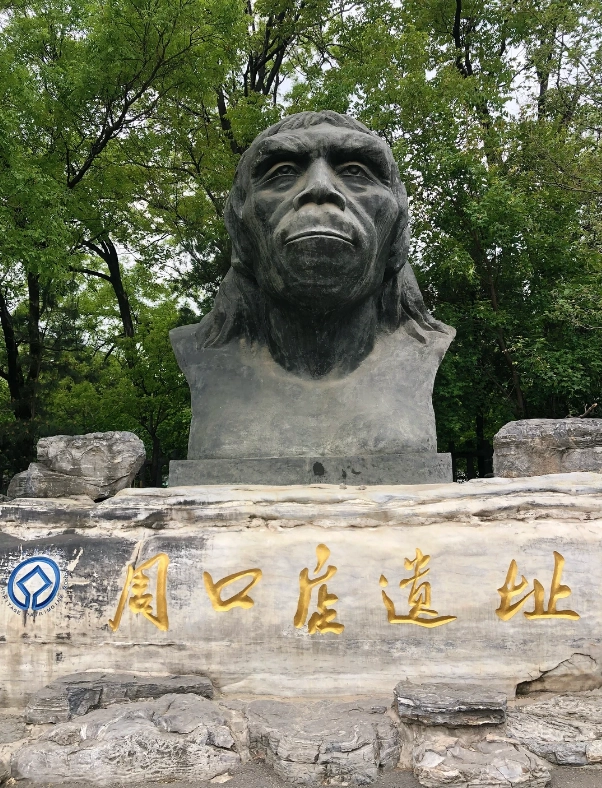
What is the Zhoukoudian Peking Man Site?
Think of Zhoukoudian as a time capsule. In the 1920s, excavations here revealed skulls, tools, and evidence of fire use by early humans. These finds suggested that Homo erectus lived in this area around 750,000 years ago. The site isn't just one hole in the ground; it's a series of caves and dig sites spread across a limestone hill. Today, it's managed as a museum and protected area, offering a mix of indoor exhibits and outdoor exploration.
Many visitors come expecting a grand, polished attraction like the Forbidden City. It's not that. Zhoukoudian feels raw and academic. The significance is huge—this is where key debates about human migration out of Africa got fuel. But on the ground, it's quieter, more about contemplation than crowds. I found that refreshing, though some might call it underwhelming if they're after flashy displays.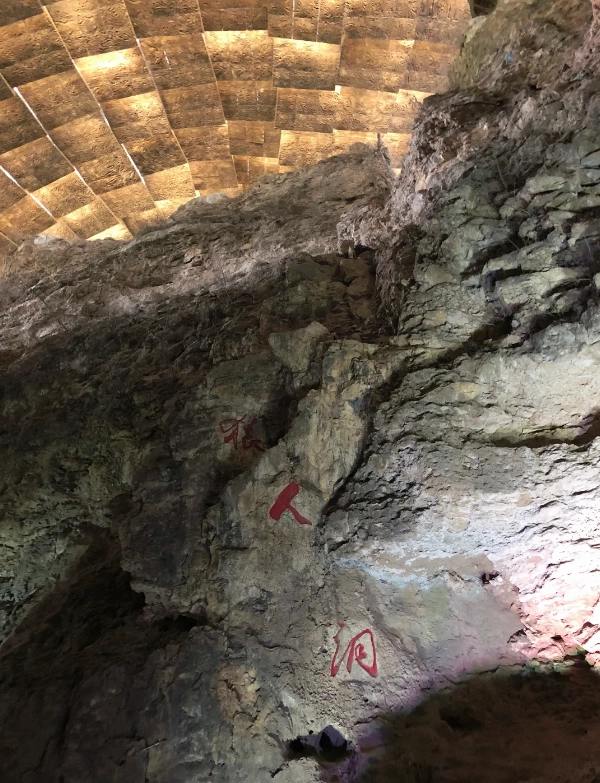
How to Get to Zhoukoudian
Getting there is half the adventure. Public transport works, but it requires patience. From central Beijing, you have a few options.
By Public Transport
Take Subway Line 9 to Guogongzhuang Station. Exit and walk to the nearby bus stop for Bus 917 or Bus 836. Look for buses heading to Fangshan. Tell the driver you're going to Zhoukoudian (周口店 in Chinese), and they'll usually shout out the stop. The ride takes about 1.5 to 2 hours, depending on traffic. From the bus stop, it's a 10-minute walk to the site entrance. I did this on a weekday morning; the buses weren't crowded, but the signage was minimal. Having a maps app like Baidu Maps open helped.
By Car
If you drive, take the G4 Beijing-Hong Kong-Macao Expressway, exit at Zhoukoudian, and follow signs. Parking is available near the entrance for a small fee—around 10 RMB for the day. The roads are decent, but the area gets foggy in winter, so check weather forecasts. Rideshare apps like Didi work too; a trip from central Beijing costs roughly 150-200 RMB one-way. I'd recommend carpooling if you're with a group to split costs.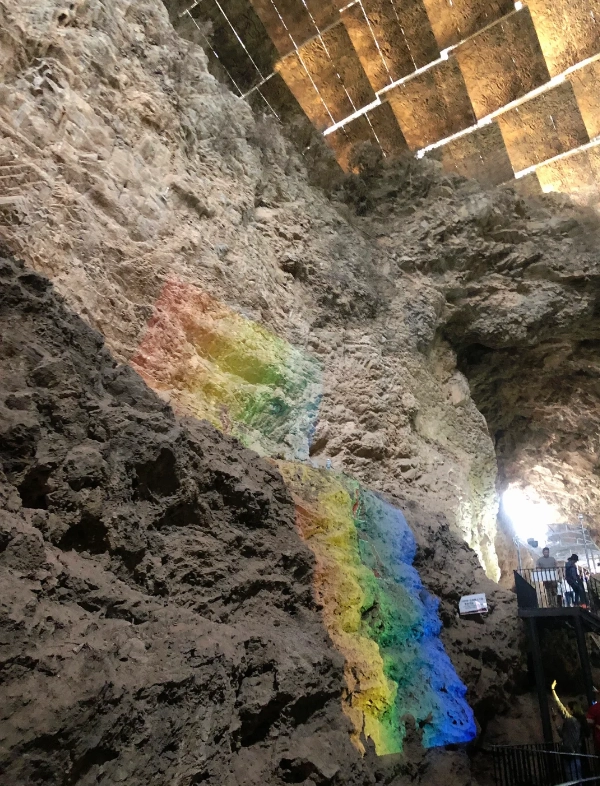
Pro tip: Don't rely solely on English signs. While major labels are bilingual, some bus stops and local directions are only in Chinese. Screenshot your destination or have a translation app ready. I saw a few tourists struggling near the bus terminal because they missed the turn-off.
Practical Visitor Information
Here's the nitty-gritty you need to plan your visit. I've compiled key details based on my last trip and official sources like the UNESCO website and local management notices.
| Item | Details |
|---|---|
| Address | Zhoukoudian Town, Fangshan District, Beijing, China. GPS coordinates: 39.735°N, 115.925°E. |
| Opening Hours | 9:00 AM to 4:30 PM, Tuesday through Sunday. Closed on Mondays (except national holidays). Last entry at 4:00 PM. |
| Ticket Price | Adults: 30 RMB. Students and seniors (with ID): 15 RMB. Children under 1.2 meters: Free. Tickets can be purchased on-site; no online booking required for general visits. |
| Best Time to Visit | Spring (April-May) or autumn (September-October). Summers are hot and humid; winters can be chilly with reduced outdoor access. |
| Facilities | Basic restrooms, a small gift shop, and a café selling snacks and drinks. No full-service restaurant on-site. |
| Accessibility | Partial wheelchair access in exhibition halls, but outdoor areas have uneven terrain and stairs. |
Note that prices and hours might shift during holidays, so it's wise to double-check with local sources like the Beijing Municipal Administration of Cultural Heritage if you're visiting around peak times. I went in October, and the weather was perfect—cool enough for walking but not cold.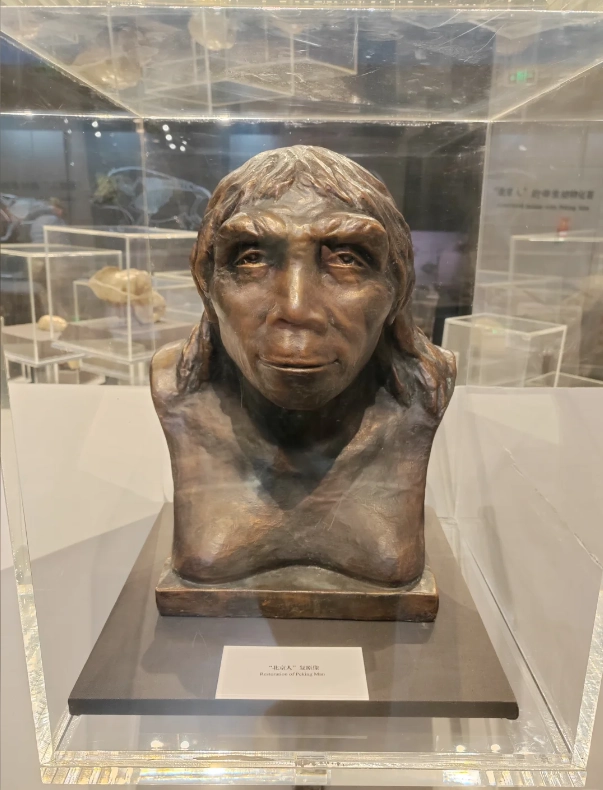
What to See and Do
The site divides into two main parts: the indoor exhibition hall and the outdoor excavation areas. Spend at least 3-4 hours to cover both without rushing.
The Exhibition Hall
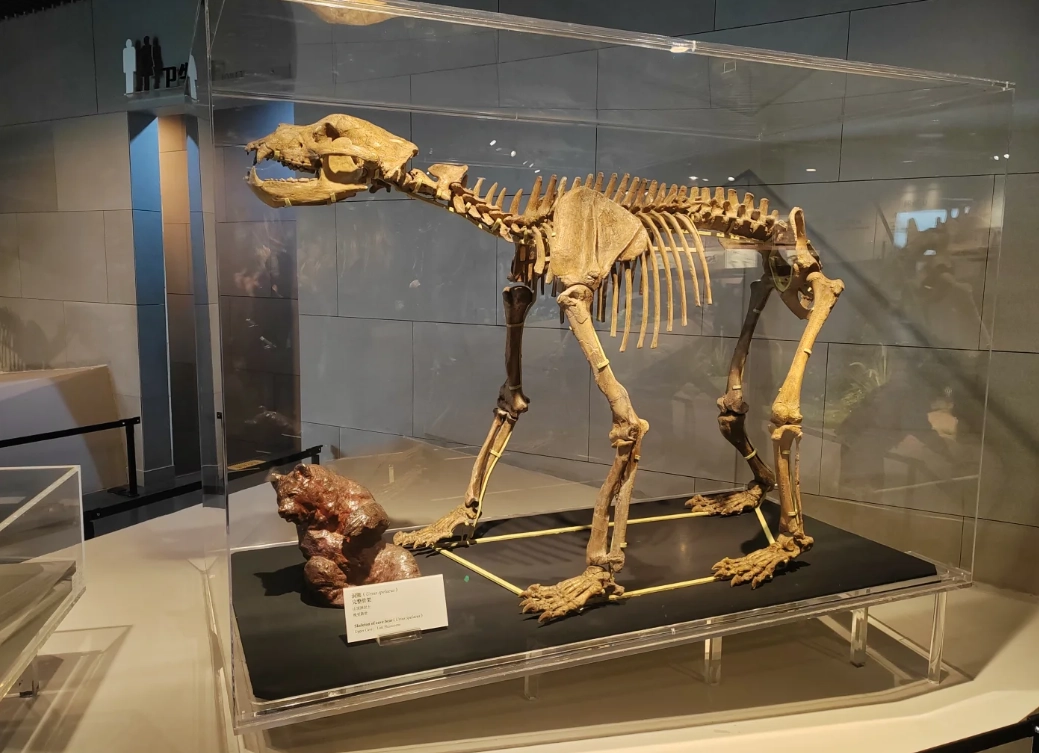
This is where the fossils are—replicas, actually. The original Peking Man fossils were lost during World War II, a fact that still stings historians. The hall displays detailed casts, stone tools, and interactive panels explaining human evolution. I lingered near the skull reconstructions; seeing the brow ridges up close gave me chills. The English descriptions are decent, but some panels felt dated. If you're with kids, the hands-on sections on tool-making can be a hit.
The Excavation Sites
Outside, follow marked paths to caves like Locality 1, where the first major finds happened. The terrain is rocky, with stairs and railings for safety. Wear sturdy shoes—I slipped once on a damp step. The caves themselves are fenced off, but you can peer into the dig pits. What struck me was the silence; standing there, you imagine early humans huddled around fires. It's not visually stunning like a mountain vista, but the weight of history is palpable. Bring water; there are few shade spots along the trail.
Another highlight is the nearby Peking Man Museum, a separate building with more artifacts. It's included in your ticket. I found it less crowded, perfect for diving deeper into the science.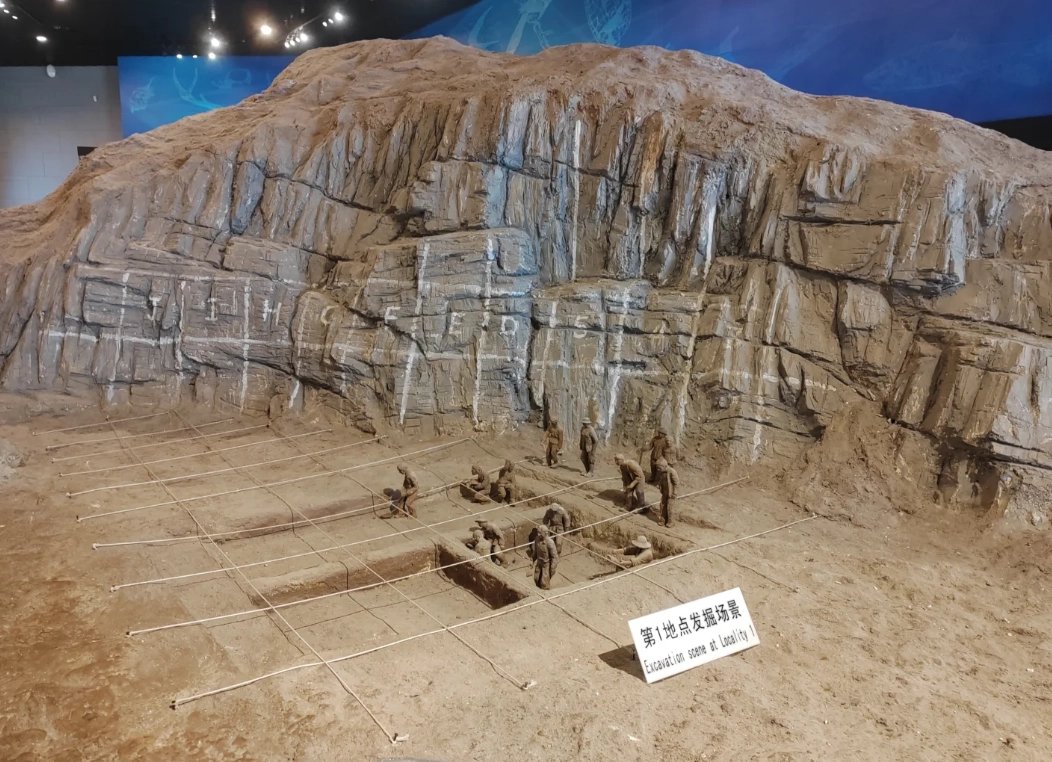
My Personal Experience at Zhoukoudian
I visited on a Tuesday morning, arriving around 10 AM. The crowd was thin—mostly local school groups and a few foreign researchers. One thing guidebooks don't mention: the smell. The limestone caves have a distinct, earthy odor, like damp soil mixed with minerals. It added to the authenticity, but if you're sensitive, be prepared.
I chatted with a guard who's worked there for 20 years. He pointed out a spot near Locality 3 where tourists often miss a small display of animal fossils. It's not on the main map, so ask staff. That kind of insider knowledge makes a difference. Lunch was a challenge; the on-site café only had instant noodles and tea. I'd packed sandwiches, which was a lifesaver.
The site feels remote, even though it's technically in Beijing. Cell service was spotty in the outdoor areas, so download maps or info beforehand. I left around 2 PM, feeling like I'd stepped out of a time machine. It's not a glamorous day out, but if you're into history, it's profound.
Common Mistakes to Avoid
Based on my visits and observing others, here are pitfalls to dodge.
- Underestimating travel time: Many assume it's a quick trip from downtown. It's not. Allocate a full day, especially if using public transport. I saw a family arrive at 3 PM only to rush through.
- Skipping the exhibition hall: Some head straight outdoors, but the hall provides context that makes the caves meaningful. Without it, the site might seem like just holes in rocks.
- Ignoring weather: Check forecasts. Rain can make paths slippery, and summer heat is brutal with little shade. I went once in July and regretted it—sweating through my shirt isn't fun.
- Expecting English everywhere: While major signs are bilingual, audio guides or staff explanations might be limited. Brush up on basic Chinese or use a translation app. I met a tourist who missed the bus back because he couldn't ask for directions.
- Overlooking nearby eats: The on-site food is basic. Plan to eat in Fangshan town before or after. There's a decent noodle shop a 15-minute walk away—look for the red sign with "拉面" (hand-pulled noodles).
These might seem small, but they can make or break your visit.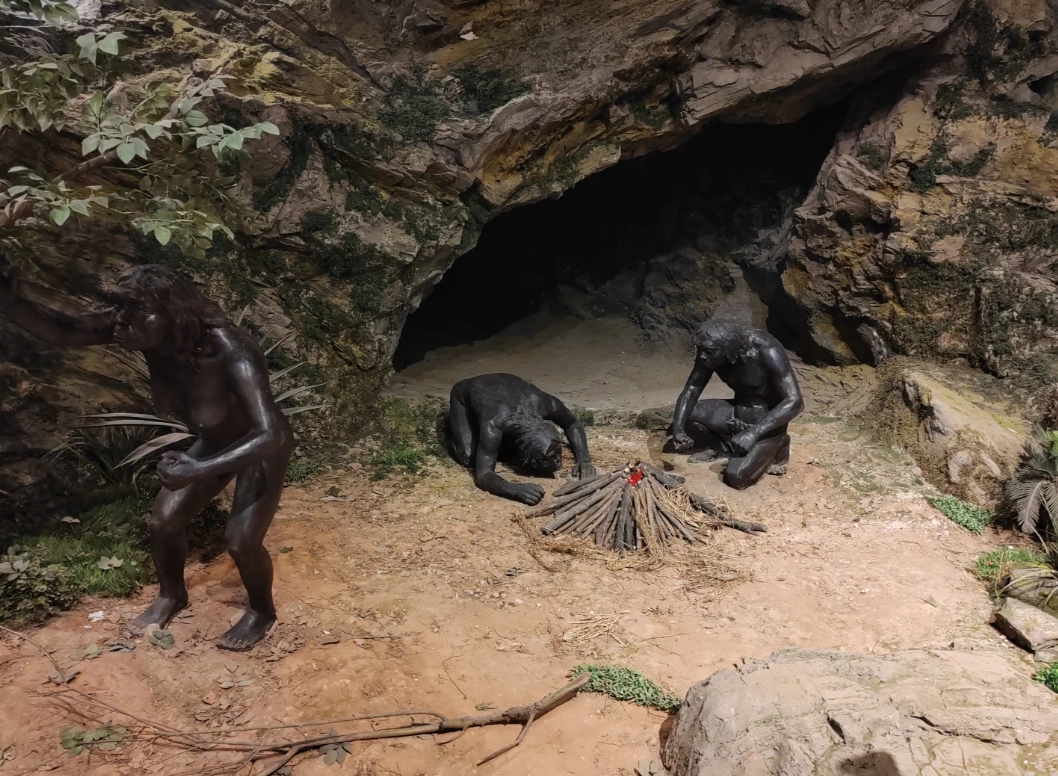
Frequently Asked Questions
 Are there guided tours available?
Zhoukoudian isn't just a checkbox for history lovers; it's a place that makes you ponder deep time. The logistics might seem daunting, but with a bit of planning, it's manageable. I've been twice, and each time I noticed something new—a fossil imprint I'd missed, a quiet corner with a view. It's not perfect—the facilities could use an upgrade, and the remoteness tests patience—but that's part of its charm. If you go, go with curiosity, not just a camera.
This article is based on personal visits and fact-checked against official sources like UNESCO and local management reports. Details are current as of my last visit; always verify before your trip.





Honestly, I was disappointed. Getting here from Beijing took nearly two hours on a bumpy bus, and the site itself felt neglected. The 'museum' is basically one hall with a few replicas and lots of Chinese-only text (no English translation on many panels). The cave area was closed for 'maintenance' when I visited, which wasn't mentioned on the website. For the ticket price, I expected more. Maybe skip this unless you're a hardcore paleontology fan.
Solid visit overall, but I was a bit underwhelmed by the condition of some exhibits. The main excavation cave is impressive, but the glass display cases in the museum were dusty and the lighting made it hard to read the labels. The audio guide had some interesting details but felt outdated. Still, the setting is lovely and the entrance fee is reasonable. If they freshen up the installations, this would easily be a 5-star experience.
I came for the hiking as much as the history, and this place delivered on both. The surrounding hills are peaceful, with well-marked paths through pine forest and limestone outcrops. The main archaeological site is humble but powerful—just a roped-off area inside the cave, but imagining the dig that changed our understanding of human origins was humbling. The outdoor exhibits of other fossil spots nearby were a nice bonus. A thoughtful, quiet experience away from Beijing's chaos.
Took my two kids (ages 8 and 11) and they were genuinely fascinated! The interactive displays in the museum, especially the 3D animation of early hominid life, held their attention for over an hour. Walking the short trail to the cave felt like a mini adventure—they loved pretending to be archaeologists. The staff were friendly and even let the kids handle a replica skull. Great educational value for the whole family. Highly recommend coming early to beat the crowds.
Absolutely blown away by the authenticity of this site. Standing inside the actual cave where Peking Man was discovered gave me chills. The museum exhibits are well-curated with clear timelines and actual fossil casts (the originals are in Beijing). The guided tour was worth every yuan—our guide pointed out subtle markings on the cave walls that I would have missed. Only wish the on-site café had more options, but that's minor. A must for anyone interested in human evolution!
Decent stop if you're already in the area. The excavation site is roped off, which I understand for preservation, but it limits the 'wow' factor. The museum has some interesting fossils and dioramas, though the lighting could be better. Note: there's no café, so pack snacks. I'd say 3.5 stars — rounded up to 4 for the effort of the staff who answered my questions patiently.
What a gem! I came here on a sunny weekday and practically had the whole place to myself. It's a bit off the beaten path but easy to reach by bus. The blend of history and nature is perfect — I spent hours exploring the trails and reading the plaques. As a solo traveler, I felt safe and well-informed. Highly recommend pairing it with a visit to the nearby Zhoukoudian Museum.
Honestly, I was a bit underwhelmed. The site is historically significant, but the facilities feel outdated. The restrooms were dirty and the signage in English was hard to follow. For the price, I expected a more polished experience. The cave itself is small and fenced off, so you can't really get close. Might be better for die-hard archaeology fans only.
A solid 4. The site itself is impressive, especially the life-sized reconstructions of Peking Man. The audio guide was informative but a bit dry. I wish there were more interactive exhibits for kids. Still, the entrance fee was reasonable (around 30 yuan) and the staff were friendly. Worth a half-day trip from Beijing.
Absolutely fascinating! The museum displays are well-curated, and walking through the actual cave site gives you chills. I loved how they preserved the excavation layers. Definitely a must-see for anyone interested in human evolution. The surrounding hills are also beautiful for a short hike. Bring water and comfortable shoes!
Incredible piece of world heritage tucked away in a quiet suburb. I went on a weekday and had the whole place almost to myself—super peaceful. The highlight for me was the upper cave area where you can see the original excavation trenches left by the scientists. The audio guide (available in English) was clear and well-paced. My only advice: wear sturdy shoes because the paths are uneven, and bring water since there's no café. Five stars for the raw, unfiltered connection to our deep past.
Honestly, a little underwhelming. I've visited other UNESCO World Heritage sites and expected more wow factor. The main cave is roped off so you can't really get close, and the replica skulls look plastic and cheap. The museum has potential but feels stuck in the 1980s—lots of text-heavy panels with zero interactivity. For the ¥30 admission it's fine, but I wouldn't go out of my way again. The staff just sat around chatting and didn't offer any info. Disappointing given the site's global importance.
Took my two kids (ages 10 and 13) here during a school break. They loved the hands-on fossil rubbing activity and the short film about the excavation. The outdoor trail between the different cave sections kept them engaged—they pretended to be archaeologists! My only gripe is the lack of decent food options nearby; we had to survive on snacks from a vending machine. Also, the souvenir shop is overpriced for what it is. Overall a solid family outing that teaches real science.
Unique and educational, but be prepared for a bit of a trek. The site itself is amazing—standing in the actual cave where Homo erectus lived gave me chills. However, getting there from downtown Beijing took nearly two hours by bus, and the last stretch is on a dusty road. The museum is a bit dated; some displays have faded labels and broken lighting. Still, the staff were friendly and the price is very reasonable (only ¥30). Worth it for the history, but manage your expectations on the facilities.
Absolutely fascinating! As someone who's been obsessed with human evolution since college, this site exceeded all expectations. The excavated cave system is incredibly well-preserved, and the on-site museum does a stellar job explaining the significance of the Peking Man discoveries. Our guide was knowledgeable and passionate—she even pointed out subtle layers in the sediment that told the story of ancient climate shifts. The walkways are well-maintained, and the surrounding hills add a serene backdrop. A must-see for anyone interested in our shared origins.