 Wei Zhang
Quick Navigation
Three hours. That’s how long my clients waited in the sun at the South Gate last week. Forget the glossy brochures—if you don’t know the exact WeChat mini-program trick, you aren’t getting in. Chongqing’s transport system is a beast. I’ve guided hundreds of foreigners through it, and the biggest headache is always the same: too many hubs, confusing signage, and payment apps that reject your international card. Here is exactly how to skip the queues, handle the payment nightmare, and move between hubs like a local in under two hours.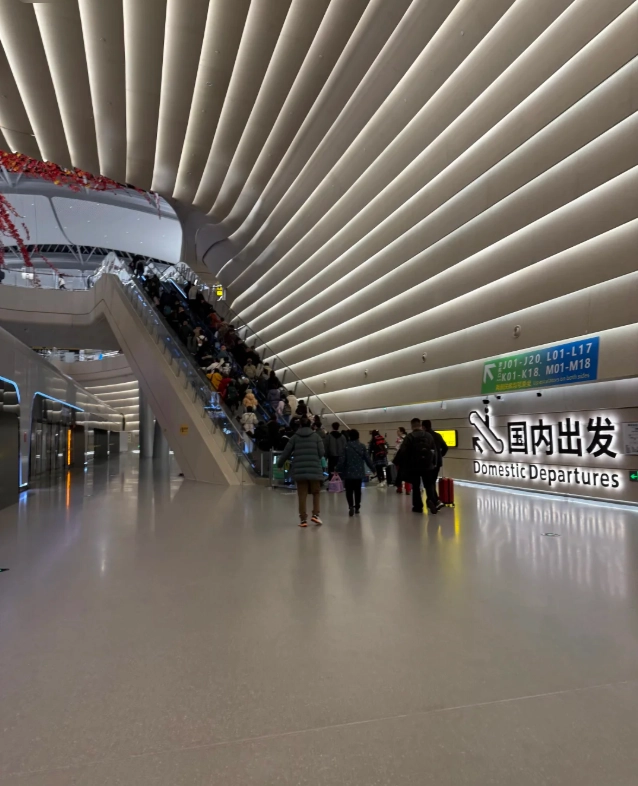
Airport to City: Chongqing Jiangbei International
Chongqing Jiangbei International Airport (CKG) has three terminals: T1 (closed for renovation), T2 (domestic), and T3 (international + most domestic). Most international flights land at T3. Exit through Gate 4 or 5 and you’ll see the metro entrance clearly marked.
Metro Line 10 connects T3 to downtown (e.g., Hongqihegou station, a major transfer hub). Trains run every 8 minutes from 6:30 AM to 10:30 PM. The ride to Hongqihegou takes about 35 minutes and costs ¥6. To get to Jiefangbei (the central business area), transfer to Line 2 at Zengjiayan—total time about 50 minutes.
Taxi: A taxi from T3 to Jiefangbei costs about ¥60-80 and takes 40 minutes without traffic. But be warned: during rush hour (5-7 PM) it can stretch to 90 minutes. Always ask the driver to use the meter (“dǎ biǎo”). If they refuse, get out and flag another cab.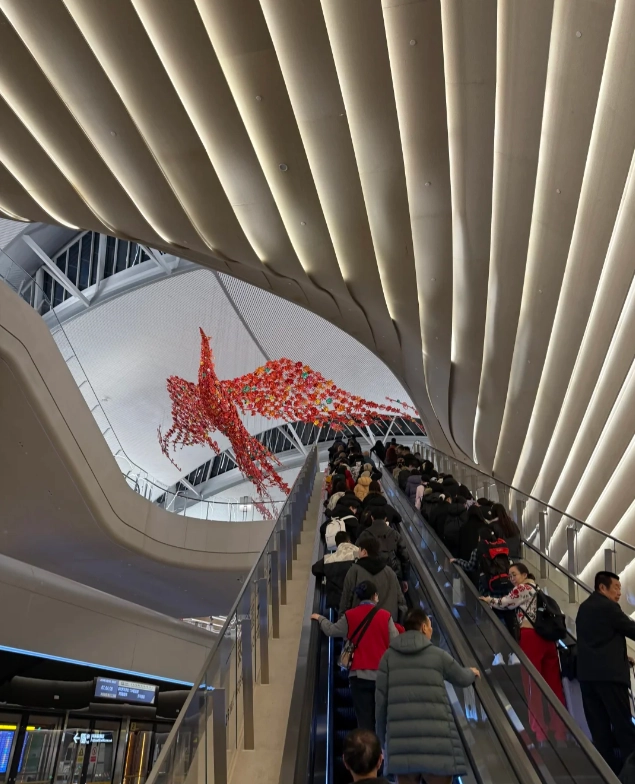
Payment at the Airport
Don’t assume you can buy a metro ticket with cash—most machines now require WeChat Pay or Alipay. If you don’t have these set up, head to the manual ticket counter near Exit 4 in T3. They accept cash and international credit cards (Visa/Mastercard) but only for single-journey tickets. Better solution: download Alipay and add your card before you arrive. I’ve seen too many travelers stuck at the machine.
Railway Stations: Which One and How to Get There
Chongqing has four major train stations, and picking the wrong one can ruin your day. Here’s the breakdown:
| Station | Main Routes | Best for | Metro Access |
|---|---|---|---|
| Chongqing North Station (Bei Zhan) | High-speed to Chengdu, Xi’an, Beijing | Most travelers; largest hub | Lines 3, 4, 10, Circle Line |
| Chongqing West Station (Xi Zhan) | High-speed to Guiyang, Kunming | Southern destinations | Line 5 (long walk from platform to concourse) |
| Shapingba Station | High-speed to Chengdu, local trains | Near Ciqikou and university area | Line 9, Circle Line |
| Lianglukou Station (old central) | Conventional trains, some high-speed | Budget travelers, but poorly connected | Lines 1, 3 (walk 10 mins underground) |
How to get to the station: If you’re staying in Jiefangbei, take Line 1 to Lianglukou, then transfer to Line 3 for North Station (total ~30 mins). For West Station, Line 1 to Shapingba, then Line 9 or a taxi (¥15).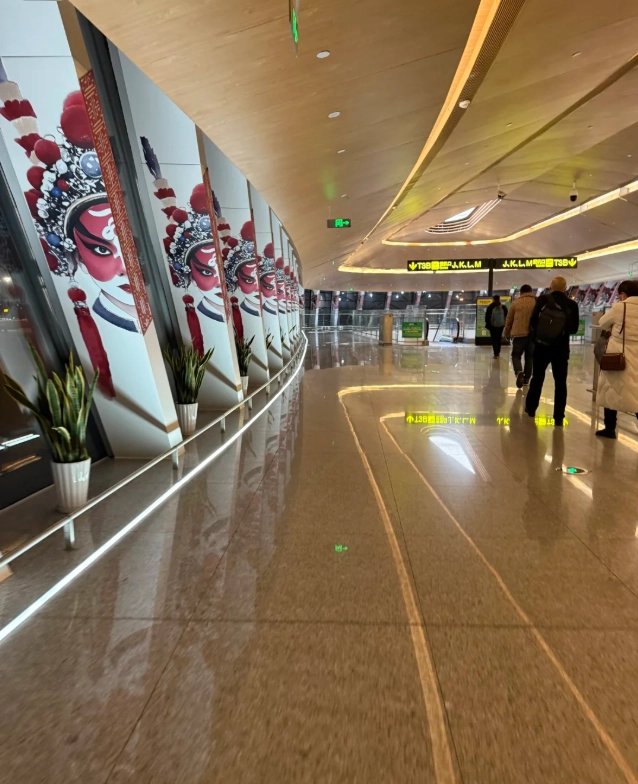
Metro Basics: The Lifeline of Chongqing
The Chongqing Metro is one of the cheapest and fastest ways to get around—single rides cost ¥2-10 depending on distance. As of 2025, there are 11 lines, but as a tourist you’ll mainly use Lines 1, 2, 3, and 6.
Key lines for tourists:
- Line 1 (blue): Runs east-west, connects Chaotianmen (cruise port), Jiefangbei, Lianglukou, and Shapingba (Ciqikou).
- Line 2 (green): The famous scenic line—it runs along the Jialing River and has a stop at Liziba (the train passes through a residential building). Get off at Liziba for the photo op; the best view is from the 7th-floor platform.
- Line 3 (red): North-south spine, connects airport, North Station, and Guanyinqiao shopping area.
- Line 6 (pink): East-west across the Yangtze River, useful for reaching Hongyadong (get off at Xiaoshizi, Exit 8).
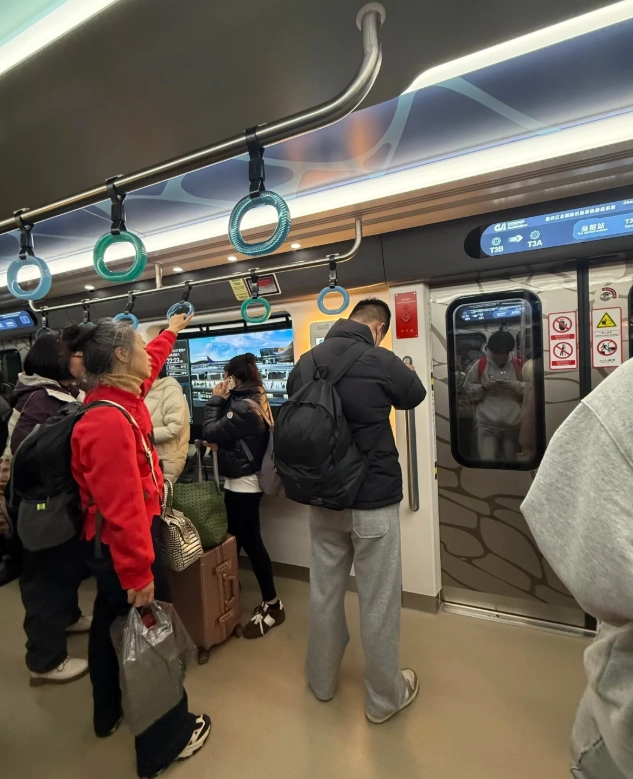
How to Buy Metro Tickets
Most ticket machines are touchscreen and have an English mode button. However, payment is limited to Alipay, WeChat Pay, or a local transport card. If you have a foreign credit card, the machine won’t accept it—use the manual counter instead. The transport card (called “Chang’e” or “Yikatong”) can be purchased at any station for ¥20 deposit, then topped up. It also works on buses and some taxis.
Taxis & Ride-Hailing: What Works & What Doesn’t
Regular taxis start at ¥10 (first 3 km) and are plentiful in the city center. But here’s the problem: many drivers speak no English, and they won’t understand written addresses unless they’re in Chinese. Always have your destination written in Chinese on your phone. Show them the address, not a map pin—the GPS in their cars sometimes lag.
Ride-hailing: Didi is the dominant app. You can download Didi in English and link your international credit card (Visa/Mastercard). But get this—occasionally the payment fails, and you end up owing the driver cash. To avoid embarrassment, keep ¥50-100 in small bills. Didi rides within the city average ¥15-30.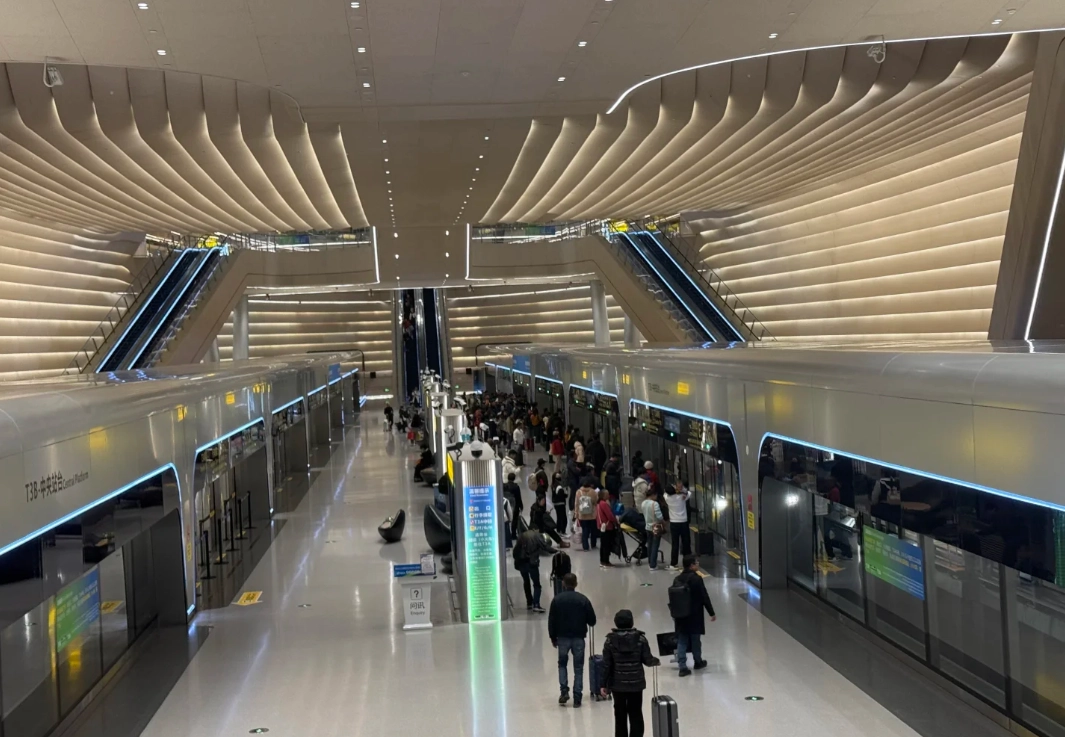
The Airport Taxi Scam
At the airport taxi stand, some drivers will offer a flat rate of ¥150 to Jiefangbei. The meter would be less than ¥80. Decline politely and insist on the meter. If they refuse, walk to the official taxi queue (not the touts by the exit).
Payment Tips: Surviving Without Cash
Chongqing is nearly cashless. Alipay and WeChat Pay are accepted everywhere: taxis, metro, street food, even public toilets sometimes. But international cards are rarely accepted outside five-star hotels and high-end restaurants.
What I do for new arrivals: Set up Alipay before you fly. Add your Visa or Mastercard (most banks work). Once in China, top up your Alipay balance at a convenience store (like 7-Eleven) using cash—they’ll load it for you instantly. This way, even if your card doesn’t work, you have a backup fund.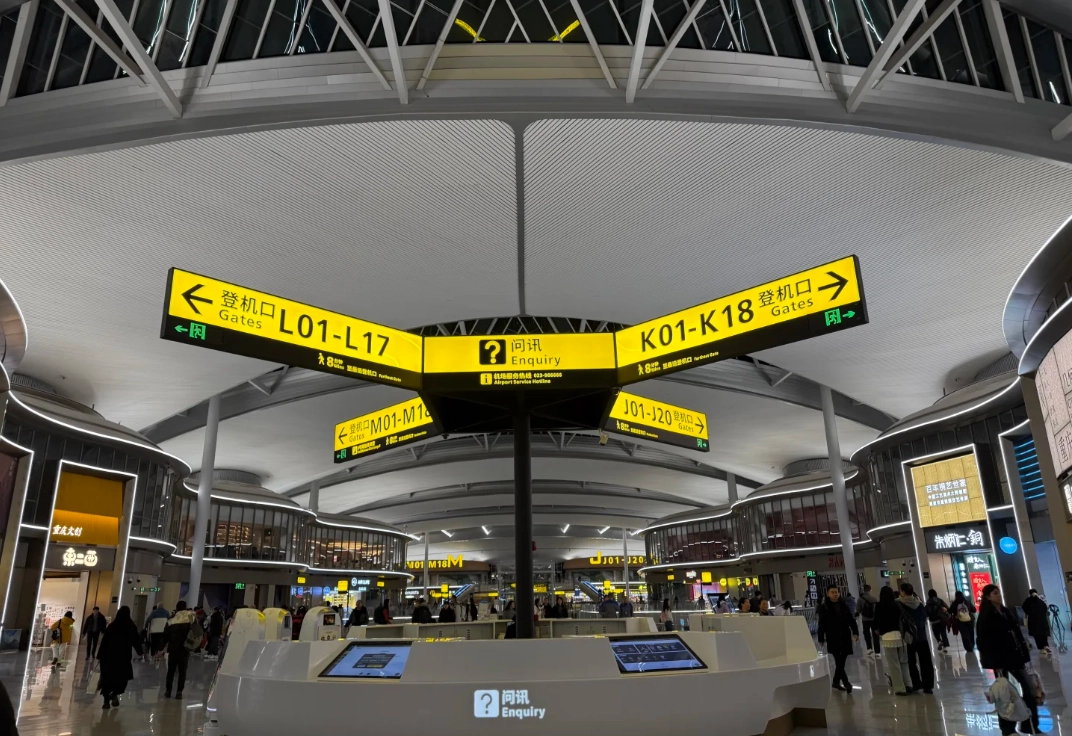
Frequently Asked Questions
Verified and fact-checked by the editorial team.







No comments yet.