 Bo Wu
Bo Wu
Let's get one thing straight—the 798 Art District isn't just a collection of galleries. It's a feeling. You walk in from the chaotic Beijing traffic, past the unassuming main gate on Jiuxianqiao Road, and suddenly you're surrounded by soaring factory halls with sawtooth roofs, rusting pipelines turned into sculptures, and the quiet hum of creative energy. I've lost count of my visits over the years, and each time I find a new corner, a freshly painted mural, or a gallery that makes me stop and think. This guide isn't a dry list of facts. It's what I wish I knew before my first confusing, wonderful trip.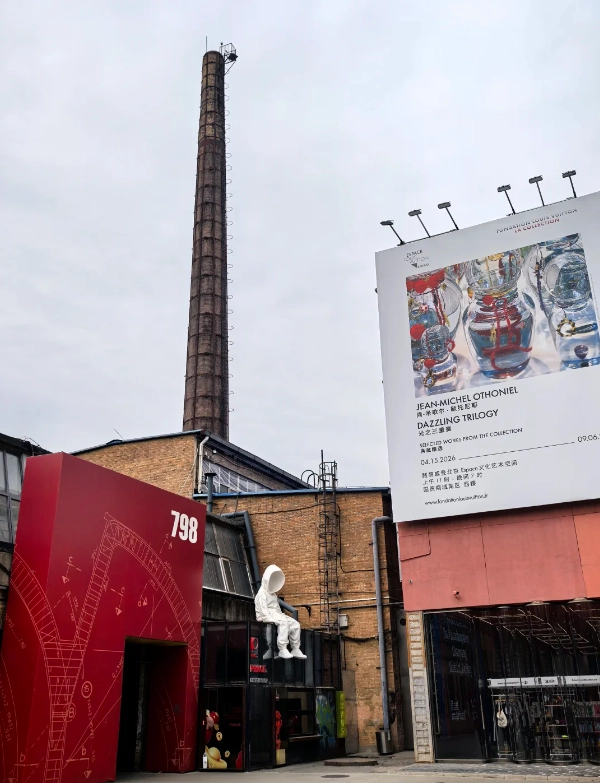
What's Inside This Guide
From Factory to Gallery: The Unexpected History
Most people see the cool art and industrial chic, but miss the story. This area was built in the 1950s as Factory 798, part of a massive East German-aided electronics complex. The architecture is Bauhaus-influenced—functional, spacious, flooded with north light (ideal for precise assembly work, and later, perfect for displaying art). By the 1990s, the factories were fading. Then artists started moving in, attracted by the cheap, huge spaces.
The transformation wasn't a government-led tourism project. It was organic, messy, and controversial at first. I've spoken with older shopkeepers who remember when artists first arrived, and they thought it was strange. Today, that tension is part of the charm. You're not in a sterile museum; you're in a living, evolving ecosystem where history literally forms the canvas.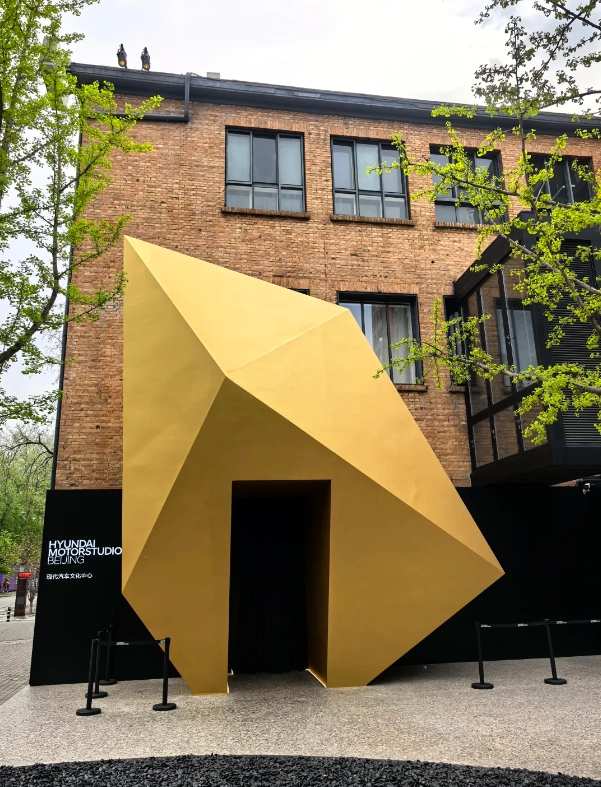
A Pro Tip: Look up. Notice the original factory signage, the faded Maoist slogans on some walls, and the industrial cranes left in place as installations. This context is what separates 798 from a standard gallery district.
Planning Your Visit: Hours, Tickets & Getting There
Here's the first thing that trips people up: 798 Art District itself has no entrance fee and is open 24/7. It's a public area. The individual galleries and museums inside have their own hours and admission policies. Most galleries are free, but major exhibitions or private museums charge, usually between 30 to 150 RMB.
Address: 798 Art District, No. 4 Jiuxianqiao Road, Chaoyang District, Beijing. The area is huge, with multiple gates. The main one is on Jiuxianqiao Lu.
Gallery Hours: Typically Tuesday to Sunday, 10:00 AM to 6:00 PM. Many are closed on Mondays. Always check the specific venue's social media (like WeChat) for latest hours, as they change for installation periods.
Getting There: The subway is your best friend. Take Line 14 to Wangjing South station (Exit A). From there, it's a 15-minute walk south. You'll see the industrial aesthetic begin. Alternatively, from Line 15 get off at Wangjing station and walk west. Taxis or ride-hailing apps (Didi) can drop you at any gate, but specify "798 Yishu Qu" clearly. Driving is a nightmare—parking is scarce and expensive.
Navigating the Maze: A Strategy for Exploration
My biggest mistake on my first visit was trying to "see everything." It's impossible and exhausting. The district is a labyrinth of alleys and repurposed factory buildings. Instead, pick a zone.
I recommend starting at the main gate on Jiuxianqiao Road. Grab a free paper map from the visitor center if it's open, but honestly, I just use my phone's maps app now—getting a little lost is part of the fun. Focus on the central spine first, where you'll find heavy-hitters like the UCCA Center for Contemporary Art. Then duck into the smaller alleys to the north and south for independent studios and surprise finds.
Wear comfortable shoes. The ground is uneven in places, and you'll be walking for hours. The light is best in the morning and late afternoon, casting long shadows through those iconic factory windows—prime time for photography.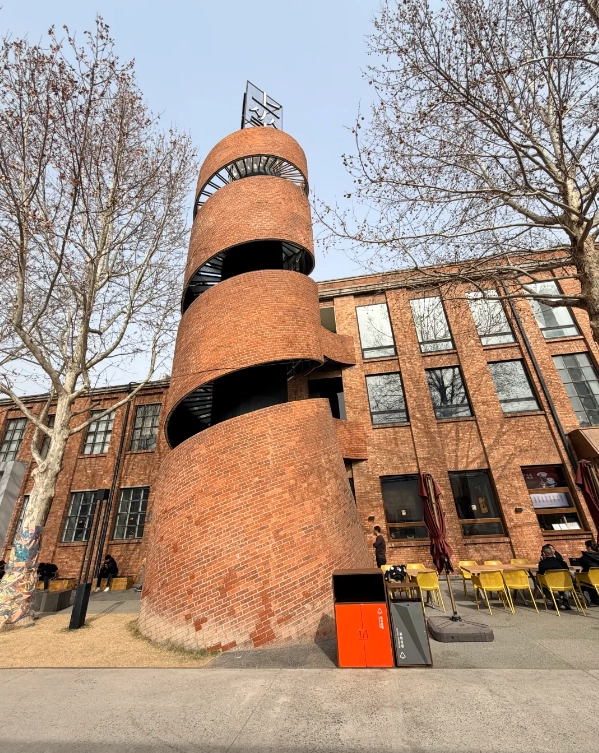
Galleries Worth Your Time (And Some That Aren't)
With over 200 galleries, studios, and cultural institutions, you need to be selective. Here’s a breakdown of venues based on my repeated visits, from the essential to the overrated.
| Venue Name | Type & Focus | My Take & Practical Notes |
|---|---|---|
| UCCA Center for Contemporary Art | Major non-profit museum. Large-scale, curated exhibitions, often featuring big-name Chinese and international artists. | The anchor of 798. Always has a significant show. Check their website for the current exhibition—it's usually worth the ticket (around 100-150 RMB). The space itself, a converted factory hall, is stunning. |
| Pace Beijing | Commercial gallery. High-end, established international artists. | Impeccably presented, feels like a New York gallery dropped into Beijing. Free entry. Even if the art isn't your style, go to see how a world-class gallery utilizes the industrial space. |
| Galleria Continua | Commercial gallery. Focus on immersive, large-scale installations. | Another must-see for the space alone. They consistently host ambitious works that interact dramatically with the architecture. Free. |
| Beijing Minsheng Art Museum | Private museum. Focus on contemporary Chinese art, often thematic group shows. | Has a strong academic bent. Their exhibitions can be hit or miss, but when they hit, they provide deep context on China's art scene. Usually charges admission. |
| Small Alley Studios | Independent artist studios and micro-gallies. | This is where you find the raw, emerging talent. Don't be shy to peek into open doors. You might see an artist at work. These spaces are the true soul of 798, in my opinion. |
A word on the "overrated": There are a number of shops masquerading as galleries, selling mass-produced decorative art. You'll recognize them by the uniform, tourist-friendly style (endless calligraphy or pop-art Mao portraits). It's fine to browse, but don't confuse this with the district's cutting-edge output.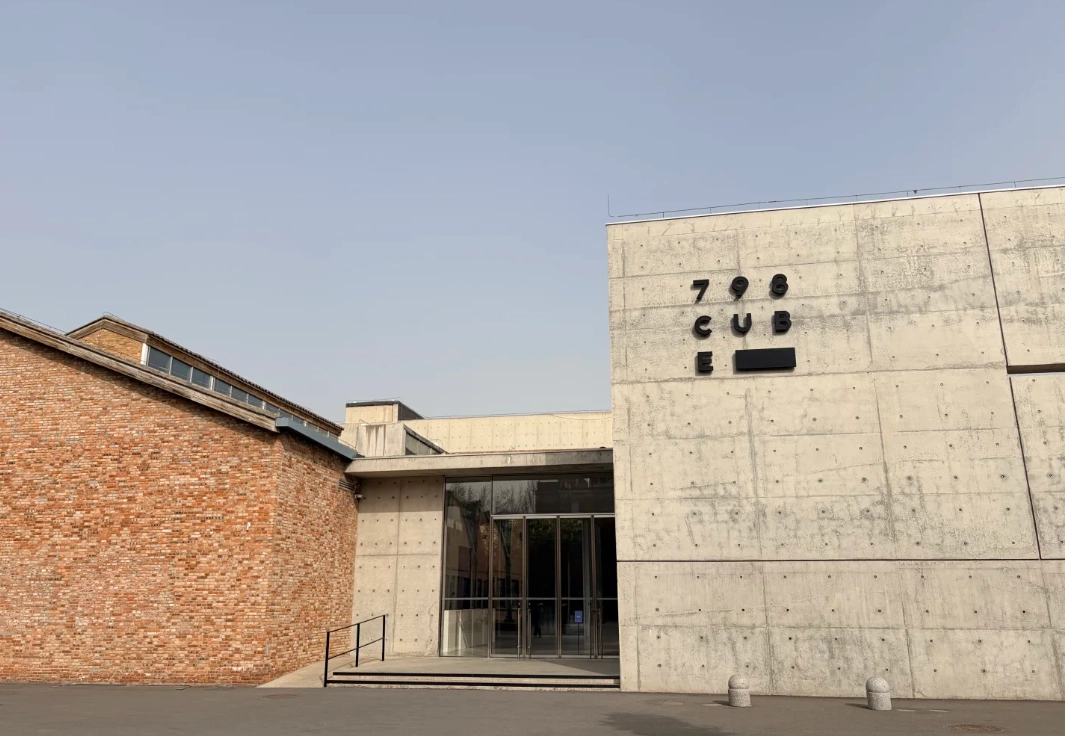
More Than Art: Where to Eat, Drink, and Shop
You'll need fuel. The food scene here has evolved from basic noodle shops to some genuinely great spots.
For Coffee & A Breather: Atelier is my personal favorite. Tucked away in a quiet corner, it has a minimalist, workshop vibe, great coffee, and a small outdoor patio. It's where many local artists seem to hang out. For something more central, Soloist Coffee Co. in a two-story space with vintage decor is reliable and has strong brews.
For a Proper Meal: Skip the generic Western cafes. Head to Yi House for modern Chinese cuisine in a serene, design-forward setting—it's on the pricier side but a treat. For a quicker, delicious bite, find the Lao Gan Ma Noodle Shop (it's unassuming, look for the red signage)—it serves fantastic, hearty northern Chinese noodles at local prices.
For Unique Souvenirs: Avoid the cheap trinkets. Look for design shops like Brand Nu which sells creative products from Chinese designers—think ceramics, accessories, and home goods you won't find elsewhere. Some of the better galleries also have art book shops attached.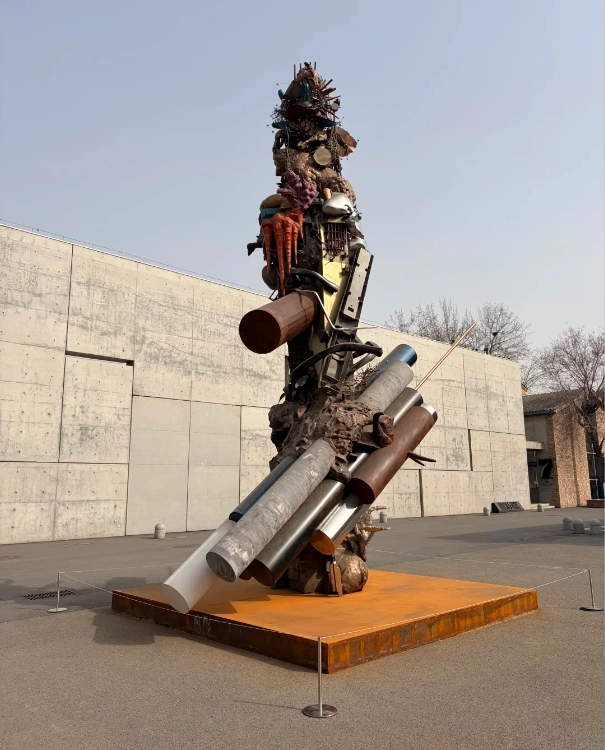
Answering Your Practical Questions
Is 798 Art District good for kids, or is it too abstract?
It can be fantastic for older, curious kids. The industrial landscape itself is like a giant playground. They'll love the large-scale sculptures and installations outside. Avoid the quieter, contemplative gallery spaces with young children—the "do not touch" anxiety isn't fun for anyone. Time your visit with one of the occasional weekend art workshops or family days some institutions host.
What's the best day to visit 798 to avoid crowds and see galleries open?
Aim for a Tuesday, Wednesday, or Thursday. Weekends, especially Saturdays, are packed with local tourists and families. Many galleries are closed on Mondays, making Tuesday the sweet spot—freshly opened for the week and relatively quiet. I've found Friday afternoons pleasant too.
 I only have 2-3 hours. What's the absolute minimum I should do?
Enter from the main gate. Walk straight down the central road, pop into UCCA if the exhibition interests you (check online first). Then, take the first major left turn and explore the dense network of alleys there for 45 minutes. Find Atelier for a coffee break. On your way back, stop by Pace Beijing. This gives you a taste of the scale, the history, and the commercial/independent mix.
How do I know what exhibitions are on during my visit?
Don't rely on static websites. Search for "798 Art District" or specific venue names like "UCCA" on Instagram or Xiaohongshu (Little Red Book) in the days before your visit. Artists, galleries, and visitors post real-time updates and photos of current shows. It's the most accurate way to see what's visually appealing right now.
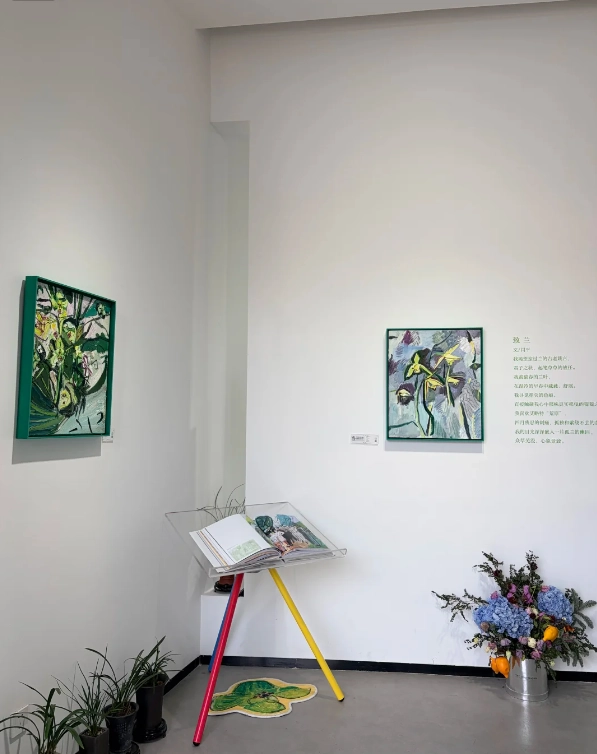 The 798 Art District refuses to be pinned down. It's a historical artifact, a commercial hub, an artist colony, and a tourist attraction all at once. That friction is what makes it compelling. Go with an open mind, comfortable shoes, and the willingness to wander. Let the rusted pipes guide you, and you'll find more than just art—you'll find a unique chapter of Beijing's story, still being written.





Absolutely loved every minute here! The energy is infectious—street musicians, impromptu performances, and artists painting live outside their studios. I stumbled into a free exhibition on Chinese contemporary photography that was world-class. Also, don’t skip the food: there’s a microbrewery pouring a fantastic IPA and a wood-fired pizza joint that uses local ingredients. This place captures Beijing’s creative soul perfectly. Will definitely come back next trip.
I was pretty disappointed, to be honest. Maybe I came on the wrong day, but half the galleries were closed or undergoing renovations, and the ones that were open charged crazy entrance fees for tiny, underwhelming exhibits. The whole area felt more like a tourist trap than a genuine art hub—overpriced coffee and endless shops selling the same cheap trinkets. Navigating the area was also a pain because the map signs are confusing. Not my cup of tea.
Pretty solid afternoon out, though I’d say it’s a bit overhyped in places. The galleries are interesting, but a few of them feel more like souvenir shops than actual art spaces. I did enjoy the street art and the overall vibe, and there’s a great little dumpling place tucked behind the UCCA. My main complaint is the weekend crowds—it’s hard to take a decent photo without someone photobombing. Still worth a visit, just manage your expectations.
Honestly one of the coolest neighborhoods I’ve ever walked around in. The contrast between the rusty pipes and colorful murals is pure magic. I went on a weekday afternoon, so it wasn’t too crowded, and the golden hour light hitting the old brick walls was chef’s kiss. Some of the installations are mind-blowing—especially the giant metal sculptures near the main alley. Bring a camera and comfortable shoes, you’ll want to explore every corner.
Spent a whole Saturday here and still felt like I barely scratched the surface. The industrial architecture is stunning—those old factory buildings with peeling paint and massive windows make for incredible photo ops. I loved the mix of high-end galleries and quirky little studios where you can actually chat with the artists. Ended up buying a small print from a local painter and had the best flat white at a hidden courtyard café. If you’re into contemporary art at all, this place is non-negotiable.
798 was the highlight of my Beijing trip. I’m not even a big art person, but the atmosphere is contagious. I joined a free walking tour that started at 2pm – our guide, a local artist, explained how the district evolved from electronics factories. The stories made the art come alive. Bought a small print from a young painter for 150 yuan, and it’s still my favorite souvenir. Can’t wait to return.
This place blew my mind! As a photographer, 798 is a paradise. The peeling paint on the old factory walls, the rusted pipes, the quirky sculptures – every corner is a frame-worthy shot. I especially loved the hidden bookshop tucked behind a metal stairway; the owner was super friendly and recommended a local gallery opening that night. Felt authentic, not touristy at all. Highly recommend for creative souls.
Decent place for a casual stroll, but honestly overhyped. Most galleries have the same abstract works that look like they were churned out for tourists. The graffiti alley is fun for a quick photo, but after an hour you’ve seen it all. Plus, the food trucks are overpriced. Got a sad bowl of noodles for 60 kuai. If you’re in Beijing and have time to kill, sure. Otherwise, skip.
I spent a full afternoon here and loved every minute. The contrast between the old factory pipes and modern installations is incredible. My favorite spot was the UCCA museum – the current exhibition was thought-provoking. Grabbed a flat white at a small courtyard cafe, sat outside, and just watched people sketch. Perfect mix of grit and creativity. Will definitely come back.
Honestly, 798 is a mixed bag. The industrial architecture is cool, but it’s way too crowded on weekends. I waited 20 minutes just to get into one gallery, and the coffee shop charged 50 yuan for a mediocre latte. Some street art is stunning, but the sheer number of selfie sticks completely killed the vibe for me. If you’re a serious art lover, go on a weekday morning.
Nice for a few hours of snapping photos, but a chunk of the area was under renovation when I visited, which was disappointing. The open-air installations were cool, but the indoor galleries were inconsistent—some were amazing (the one with the light projections), others felt like empty souvenir shops. Would recommend checking which spots are open beforehand. Rating 4 because the overall atmosphere saved it.
This place blew my mind! The contrast between the rusty pipes and the colorful murals is pure magic. I loved how every corner had something unexpected—a tiny gallery hidden behind a noodle shop, a sculpture made of old machine parts. The vibe is so relaxed and artsy. Already planning my next trip back!
Honestly, a bit overhyped. The district is huge and interesting to walk around, but many of the 'art' pieces felt like generic Instagram traps. Prices for entry to some galleries were steep for what you get—€15 for a room of empty canvases? No thanks. Plus, it was crowded even on a weekday. Not terrible, but I wouldn't go out of my way again.
Great atmosphere overall, but some galleries felt a bit too commercial—lots of overpriced trinkets. The main exhibitions were solid, though I wished there were more free installations. Still, the industrial architecture and street art made up for it. A solid 4 stars—worth a half-day trip if you're into modern art.
Absolutely loved this place! The mix of old factory buildings and cutting-edge art is incredible. We spent a whole afternoon wandering through galleries and stumbled upon a live graffiti session—so vibrant. The coffee at one of the converted warehouse cafes was surprisingly good too. A must-visit for anyone who appreciates creativity and history!