 Hui Lin
Most people come to Beihai Park for the iconic White Dagoba. I did too, on my first visit years ago. I snapped a photo from across the lake and thought I'd seen it all. I was wrong. Beihai Park is a layered experience, an imperial garden where every turn reveals a quiet courtyard, a hidden pavilion, or a slice of history you won't find in a quick guidebook stroll. It's not just a photo stop; it's a place to understand how Chinese emperors conceived of leisure, nature, and power within a single, sprawling canvas.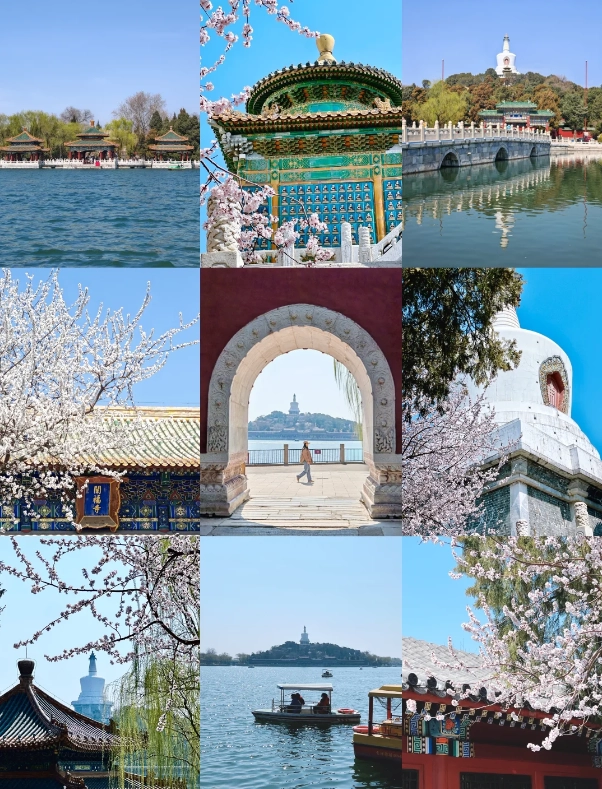
Let's Navigate Your Beihai Park Visit
- The Layered History of Beihai Park
- What to See in Beihai Park: Beyond the White Dagoba
- Beihai Park Practical Info: Tickets, Hours & Transport
- What is the Best Time to Visit Beihai Park?
- How to Get to Beihai Park by Public Transport
- Crafting Your Perfect Half-Day Beihai Park Itinerary
- Your Beihai Park Questions Answered
The Layered History of Beihai Park
Beihai Park's story begins in the 10th century, making it one of the oldest and most authentically preserved imperial gardens in China. While the Forbidden City shouts power, Beihai Park whispers it. It was built as a pleasure garden, a retreat. The centerpiece, the man-made lake with its islands, was directly inspired by a mythical fairyland described in ancient texts—a pond of perfection with three sacred mountains. The emperors literally built their version of paradise here.
The White Dagoba, the park's most famous landmark, was added in 1651 by the first Qing emperor to celebrate his visit from Tibet. It's a political and religious statement in one. But walking around, you feel the cumulative efforts of dynasties. The Nine-Dragon Wall is a Ming relic. The circular walled city, the Tuancheng, dates back even further to the Yuan Dynasty. It's not a static museum; it's a palimpsest of a thousand years of imperial taste.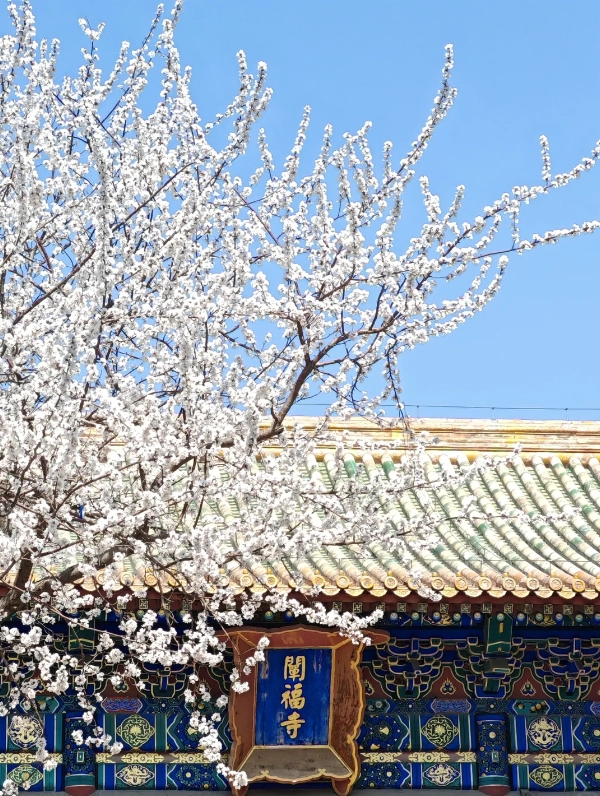
What to See in Beihai Park: Beyond the White Dagoba
If you just walk the main lake path, you'll miss the soul of the place. Here’s what deserves your time, ranked by the depth of experience they offer.
The Quiet Heart Studio (Jingxinzhai)
Tucked away in the northeast corner, this is my top recommendation for anyone wanting to escape the crowds. It's a garden within a garden, a maze of interconnected pavilions, rockeries, and winding corridors built during the Qing Dynasty. The name means "Studio of the Peaceful Heart," and it delivers. I spent a good 40 minutes here and saw maybe five other people. The water channel running through it, designed to mimic a mountain stream, is a masterpiece of subtle landscaping. This is where you see the imperial obsession with miniaturized, perfect nature.
The Circular City (Tuancheng)
Many visitors skip this separate walled enclosure at the south entrance because it requires a separate, combined ticket. That's a mistake. Tuancheng feels like a hidden fortress. Inside, you'll find the magnificent Jade Buddha Hall and a 12th-century, 3.5-meter-tall jade vase from the Yuan Dynasty that survived wars and fires. The atmosphere is more intimate and concentrated. The ancient pines here are characters in their own right.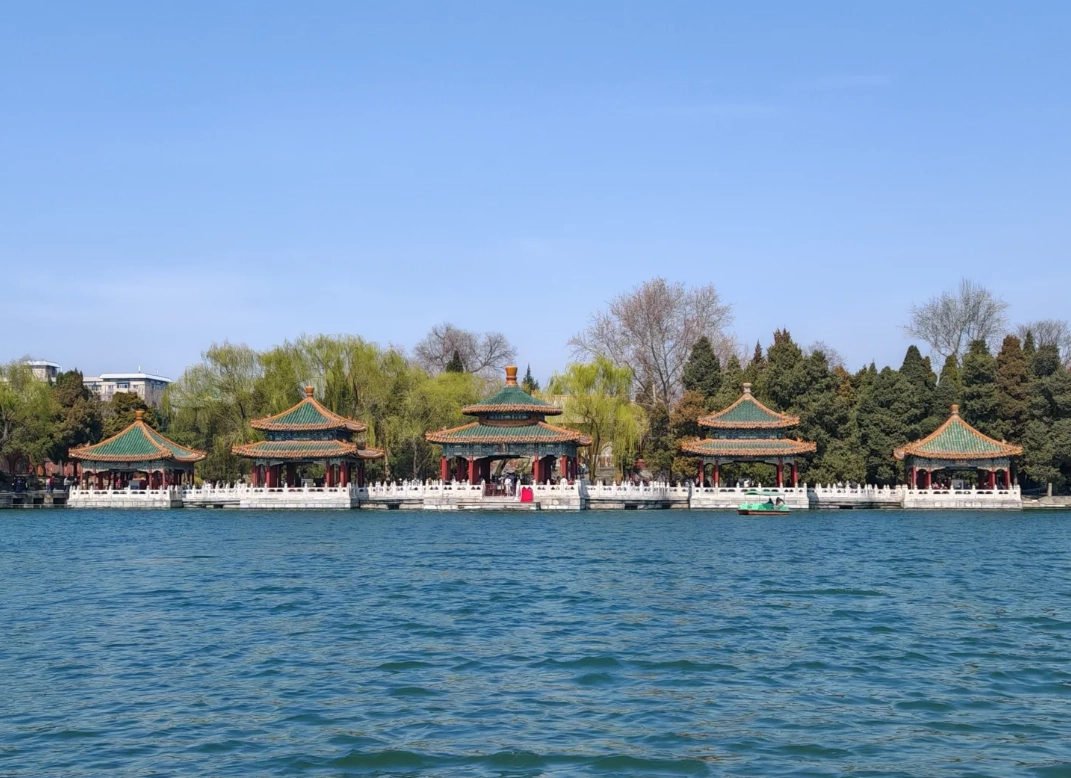
The Nine-Dragon Wall (Jiulongbi)
Yes, it's famous. But here's the thing most people miss: there are three famous Nine-Dragon Walls in China. The one in Beihai Park is the oldest and, in my opinion, the most vibrant. The glazed tiles retain a stunning depth of color. Don't just look at the front. Walk to the ends and see the two additional dragons coiled on each side wall, making a total of nine. The sheer, defiant blue of the background tiles is what stays with you.
The White Dagoba (Baita)
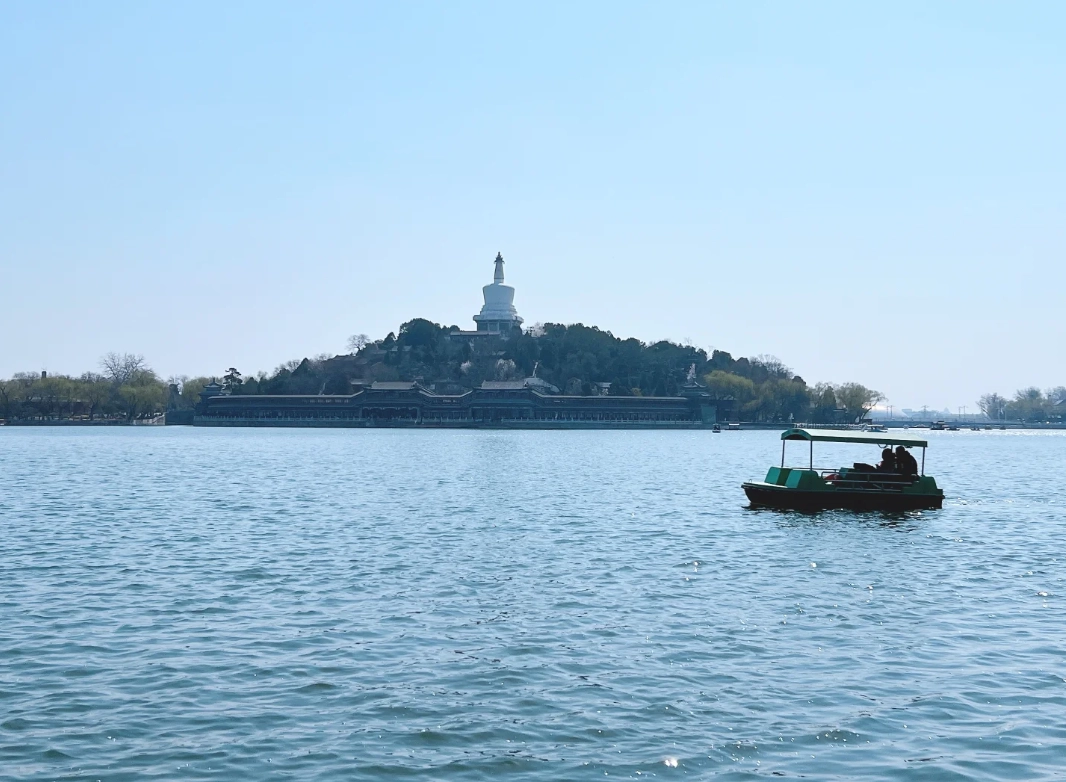
It's iconic for a reason. The view of it from across the lake, especially with willow branches framing it, is classic Beijing. You can climb up to its base on Qionghua Island. The view from there is decent, but honestly, the climb is steep and the platform can be cramped. The better experience is to admire it from various points around the lake. Pro tip: it's often under maintenance scaffolding, which can be a disappointment. I've seen it shrouded in green nets more than once.
My Personal Ranking of Beihai Park Highlights
For Atmosphere & Solitude: The Quiet Heart Studio. It's the park's best-kept secret.
For Historical Density: The Circular City (Tuancheng). Feels like a time capsule.
For Artistic Impact: The Nine-Dragon Wall. The colors are unreal.
For The Classic Photo: The White Dagoba from the north shore. Go in the late afternoon light.
Most Overrated Activity: Taking the ferry straight to Qionghua Island. You miss the slow reveal of the park by walking.
Beihai Park Practical Info: Tickets, Hours & Transport
Let's get the essential facts straight. The information on some travel sites can be outdated. Here’s the current situation as of my last visit.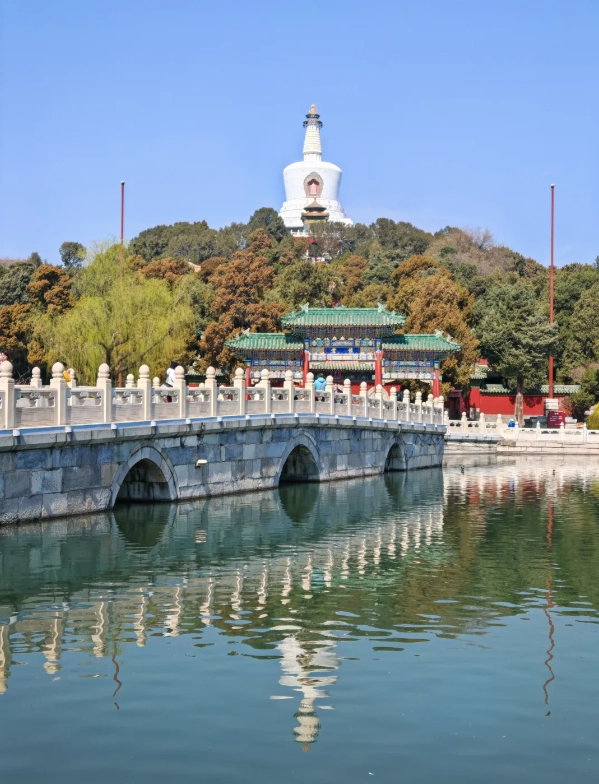
| Item | Details | Notes & Tips |
|---|---|---|
| Park Entrance Fee | ¥10 (Apr-Oct), ¥5 (Nov-Mar) | Purchase easily at automated kiosks by the gates with WeChat Pay or Alipay. |
| Combined Ticket (Park + Tuancheng) | ¥20 (Apr-Oct), ¥15 (Nov-Mar) | This is the one to get. Tuancheng is worth the extra few yuan. |
| Opening Hours | 6:30 AM - 9:00 PM (Apr-Oct) 6:30 AM - 8:00 PM (Nov-Mar) |
Last entry is one hour before closing. Ticket booths close earlier. |
| Boat Ride Fee | ¥10 - ¥20 per person (one-way) | Operates seasonally, usually April to October. Saves time, kills the experience. |
| Suggested Visit Duration | 3 - 4 hours at a relaxed pace | To see the main sites without rushing. A full day if you want to read every plaque and sit by the lake. |
Address: No.1 Wenjin Street, Xicheng District, Beijing. It's directly northwest of the Forbidden City's exit.
What is the Best Time to Visit Beihai Park?
Timing is everything to avoid turning a serene garden into a crowded promenade.
Time of Day: Go early. I mean, 6:30 AM early if you can. The gates open, and you'll share the park with locals practicing tai chi, flying kites, and dancing. The light is soft, the air is fresh, and you have the iconic views mostly to yourself. The second-best window is after 4 PM. Most tour groups are heading out for dinner.
Day of the Week: Avoid weekends and Chinese public holidays at all costs. A Tuesday or Wednesday is ideal.
Season:
| Season | Pros | Cons & What to Expect |
|---|---|---|
| Spring (Apr-May) | Willows turn green, flowers bloom. Pleasant temperatures. | Can be windy and dusty (Beijing spring). Peak tourist season begins. |
| Summer (Jun-Aug) | Lush greenery, lotus flowers on the lake. | Hot, humid, and crowded. Midday sun is intense. |
| Autumn (Sep-Oct) | Perfect weather. Clear skies, golden leaves. The best season, hands down. | Also the most popular. Bookmark this as your top choice. |
| Winter (Nov-Mar) | Cheaper tickets. Stark, beautiful scenery if it snows. Fewer crowds. | Very cold, bare trees. Boats don't operate. The lake may be frozen (a unique sight). |
How to Get to Beihai Park by Public Transport
Taking a taxi to the main south gate is easy, but you'll likely sit in traffic. The Beijing subway is faster and drops you close.
For the Main South Gate (closest to Tuancheng & Qionghua Island):
Take Subway Line 6 to Beihai North Station. Use Exit B. Walk south for about 10 minutes. You'll see the park walls on your right. This is the most straightforward route.
For the North or East Gates (quieter entries):
From the same subway station (Beihai North, Exit B), you can walk east along Di'anmen West Street and enter through the less-crowded north gate. This puts you closer to the Quiet Heart Studio right away.
Avoid driving. Parking near the park is notoriously difficult and expensive.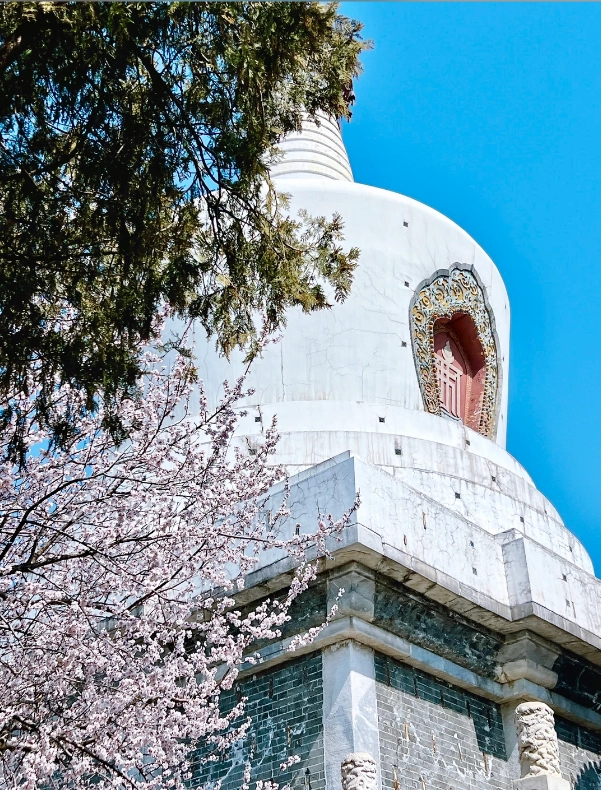
Crafting Your Perfect Half-Day Beihai Park Itinerary
Here’s how I would structure a 3.5-hour visit to maximize enjoyment and minimize backtracking.
Start at the South Gate (Main Entrance). Enter, buy your combined ticket, and explore the Circular City (Tuancheng) first thing. Spend 45 minutes here before the crowds build.
Cross the bridge to Qionghua Island. Walk around the base, see the White Dagoba up close, but consider skipping the climb unless the line is short. The island itself is pleasant. (45 mins)
Walk counter-clockwise around the lake's north shore. This is the scenic stroll. You'll pass the Five-Dragon Pavilions. Stop for photos looking back at the White Dagoba across the water. (30 mins walking)
Detour into the Quiet Heart Studio. This is your reward. Get lost in the corridors, find a quiet bench. (40 mins)
Continue to the Nine-Dragon Wall. It's on the north side. Admire it, then you can either complete the lake loop back to the south gate or exit from the nearby north gate, which is close to the Beihai North subway station.
This route flows naturally and saves the best hidden gem (Quiet Heart Studio) for the middle of your visit when you need a break.
Your Beihai Park Questions Answered
Can you walk from the Forbidden City to Beihai Park?
Absolutely, and it's a logical pairing. Exit the Forbidden City from its north gate. You'll be right in Jingshan Park's front yard. Walk straight west along the moat road for about 10-15 minutes, and you'll reach the south gate of Beihai Park. It's a flat, easy connection. Doing both in one day is ambitious but doable if you start very early at the Forbidden City.
Is Beihai Park worth visiting in winter?
It depends on your tolerance for cold. If you bundle up, a winter visit has a stark, quiet beauty you won't see any other time. The frozen lake is surreal, and the architecture stands out against leafless trees. The huge downside is that many of the smaller gardens, like the Quiet Heart Studio, can feel barren, and the boats aren't running. Go for the atmosphere and the photos, not for the lush garden experience. The reduced ticket price and empty paths are a major plus.
 What's the biggest mistake first-time visitors make at Beihai Park?
Rushing straight to the White Dagoba and leaving. They treat it like a checkbox. The park's magic is in its periphery—the walled gardens, the lakeside corridors, the spots where you can sit and watch the light change. Allocating less than two hours is the other common error. You need time to let the scale and detail of the place sink in.
Are there food options inside Beihai Park?
Yes, but manage your expectations. You'll find small kiosks selling bottled water, ice cream, and simple snacks like sausages and instant noodles. There are a couple of basic sit-down restaurants near the north shore serving standard Chinese tourist fare (noodles, fried rice). The quality is mediocre and overpriced. My strong advice is to eat a good breakfast before you go, bring a bottle of water and some snacks, and plan your proper meal for after you exit. The hutongs around the north gate have far better and more interesting options.
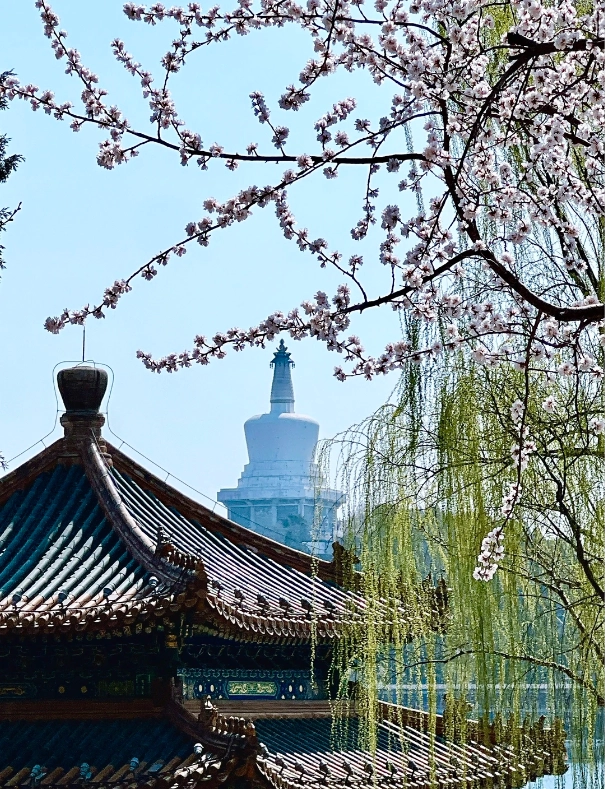 Beihai Park isn't a single attraction; it's a landscape of moods. Some parts feel grand and imperial, others intimately poetic. The key is to slow down. Let yourself wander down a side path. Skip the boat ride and walk the shoreline. Find that empty pavilion and just sit for ten minutes. That's when you stop being a tourist and start to feel what the emperors were trying to create—a perfect, peaceful world within a city's walls.
This guide is based on multiple personal visits and cross-referenced with official park information.
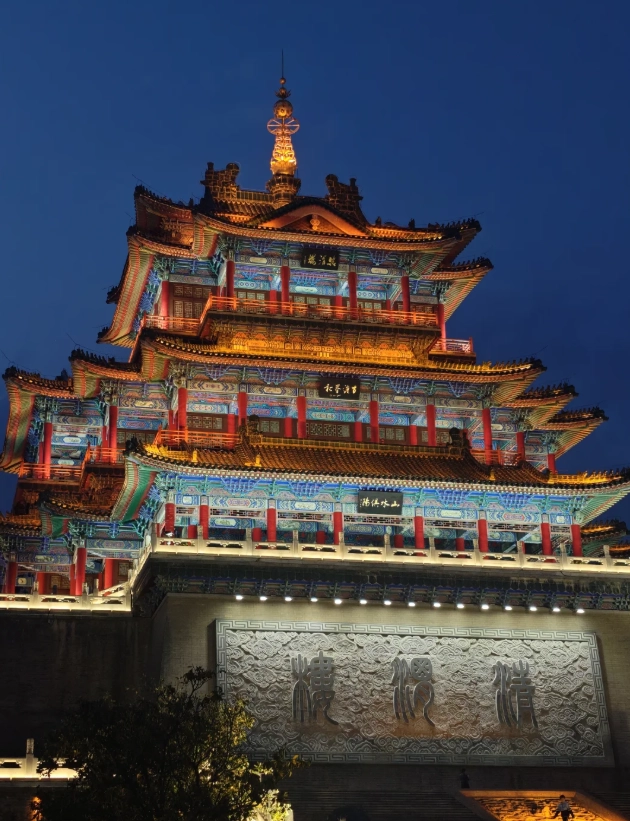
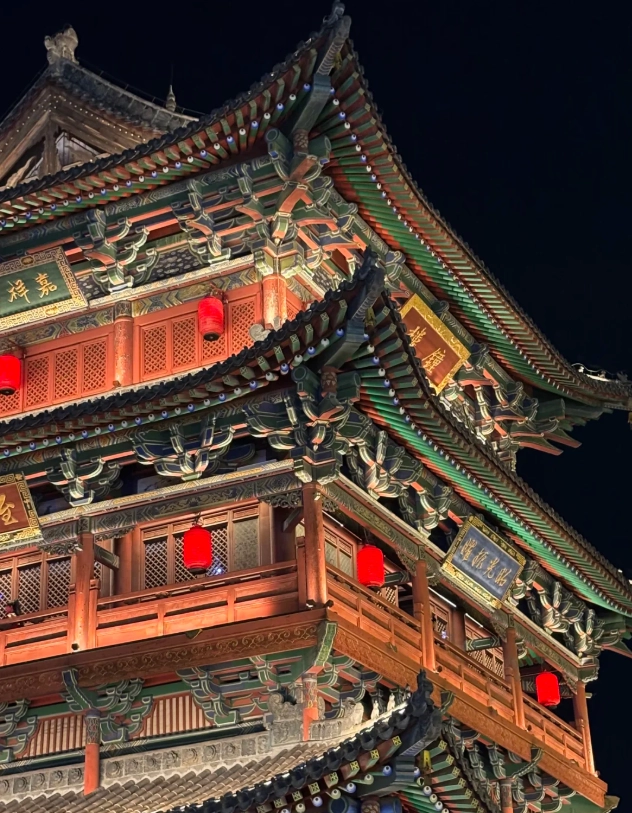
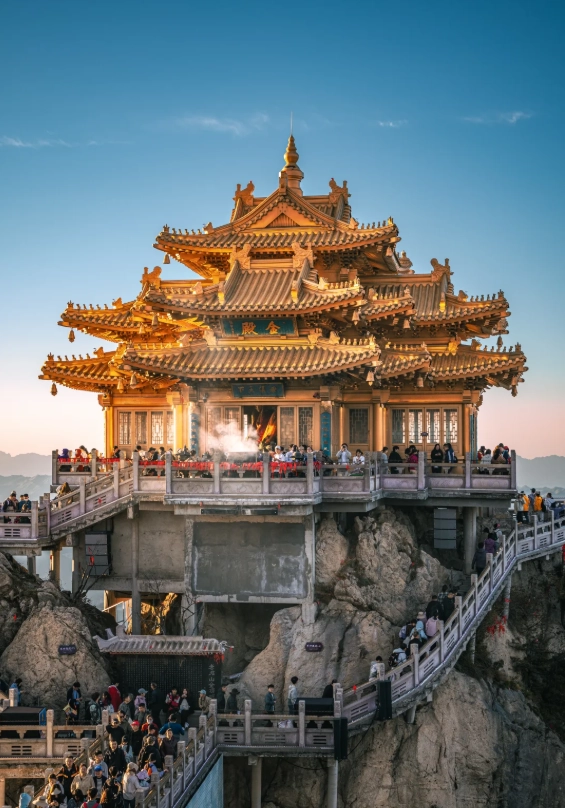





Hands down one of the best photo spots in Beijing. The reflection of the White Pagoda in the lake at sunrise is unreal. I spent almost two hours just walking around the perimeter, capturing different angles. The gardens are well-maintained and the atmosphere is calm and romantic. A perfect spot for couples or solo travelers who love nature and history.
Honestly, I was a bit disappointed. Maybe I came on a bad day (it was a holiday), but the place was packed like a subway station. The queues for the ferry were ridiculously long, and some paths felt crowded and noisy. The garden itself is pretty, but the experience was ruined by the sheer number of people. Not worth the hassle if you ask me.
A true gem in the heart of Beijing! I’ve been coming here for years and it never gets old. The combination of traditional Chinese architecture, serene lake, and the iconic White Pagoda is breathtaking. If you’re into photography, bring your camera — every angle is a masterpiece. Definitely worth a full afternoon.
Beautiful garden with a lot of history, but it gets insanely crowded on weekends. The ticket price is reasonable, though I wish there were more benches to sit and rest. The walk around the lake is lovely, and the九龙壁 (Nine Dragon Wall) is a must-see. Overall a solid 4-star experience — just plan your visit on a weekday.
Absolutely loved this place! The lake views with the White Pagoda in the background are postcard-perfect. I went early on a weekday and had almost the whole garden to myself. Renting a paddleboat was the highlight of my trip — pure serenity. Can’t recommend it enough if you want a peaceful escape from the city chaos.
Nice historical spot but the service left something to be desired. The park itself is gorgeous – the round city building and the white dagoba are iconic for a reason. But I found the restrooms were quite dirty and the signs in English were confusing (took us 15 minutes to find the ticket booth for the island). Also, some local people were feeding the ducks bread which I think isn't allowed? We ended up having a good time because the scenery is hard to beat, but the management could really step it up. 4 stars for the beauty, minus one for the upkeep.
Best afternoon I’ve had in Beijing! We rented one of those swan paddleboats and just glided around the lake. The breeze was perfect, the willows were swaying, and every angle gave a different view of the pagoda. We even saw some turtles sunbathing on a rock. The park itself is beautifully maintained – clean pathways, plenty of benches to sit and people-watch. The snacks at the little stall near the East Gate were surprisingly good (try the candied hawthorn sticks). Can't recommend the boat experience enough!
Eh, it was okay. Maybe I built it up too much after reading all the hype. The lake was nice but there were way too many tourists elbowing for photos near the White Pagoda. The round-the-lake walk felt a bit repetitive after a while, and the ticket price (20 RMB for the park plus another 10 for the island) felt steep for what you get. Some of the smaller temples were locked. If you’ve been to the Summer Palace, this feels like a smaller, more crowded version. I’d say skip it if you’re short on time.
Really lovely park overall. We spent about 3 hours walking from the South Gate up to the White Pagoda – the climb is worth it for the view of the Forbidden City in the distance. The only downside was that the tea house near the north shore was closed for renovation, and it got pretty crowded around noon. But the willow trees leaning over the water and the local musicians playing erhu near the pavilions gave it such a peaceful vibe. Definitely worth a visit, just go early.
Absolutely stunning! The way the White Pagoda rises above the lake is postcard-perfect. We went on a crisp autumn morning and the reflections in the water were breathtaking. Rented a paddleboat near the South Gate and floated around for an hour – pure serenity. The ancient cypress trees must be centuries old. This is hands down the best imperial garden in Beijing. Don't miss the little bridge with the nine dragon screen replica nearby. 5 stars, no doubt!
Couldn't have asked for a better afternoon. Rented a paddleboat on the lake, watched locals practicing tai chi under the willow trees, and climbed up to the White Pagoda for a panoramic view of the city. Clean bathrooms and plenty of ice cream vendors — a perfect mix of nature and history. Will definitely come back!
The park itself is gorgeous — the blend of traditional Chinese architecture and the water is stunning. But the food stalls inside are overpriced and mediocre (the noodle bowl was cold). Also, the exit signs are confusing; I ended up walking in circles near the north gate. Great scenery, but logistics need improvement.
I brought my elderly parents here on a weekday morning and it was perfect — flat paths, plenty of benches, and the rickshaw tour inside saved their legs. The staff at the ticket booth were friendly and spoke enough English to help us. A calm, beautiful escape from the city chaos. Highly recommended for a relaxed morning.
Nice park with great views of the White Pagoda, but the ticket price felt a bit steep for what you get — especially since some of the smaller temples were closed for renovation when I visited. Still, the lake walk is lovely, and you can’t beat the location. Worth an hour or two, but not a full day.
Absolutely stunning in the fall! The pagoda on the island is picture-perfect, and the boat ride across the lake was so peaceful. We spent almost 4 hours just wandering and taking photos. Definitely a must-see if you're in Beijing — way less crowded than the Forbidden City, and the imperial garden vibe is unbeatable.