 Ming Yang
Quick Guide to This Article
I've led dozens of groups around the Barkhor Street Kora, and I'll tell you straight: the guided tours skip the best parts. Most travelers end up shuffling with the masses, missing the quiet side alleys and the perfect photo spots. Let me show you how to walk this sacred circuit like someone who lives here.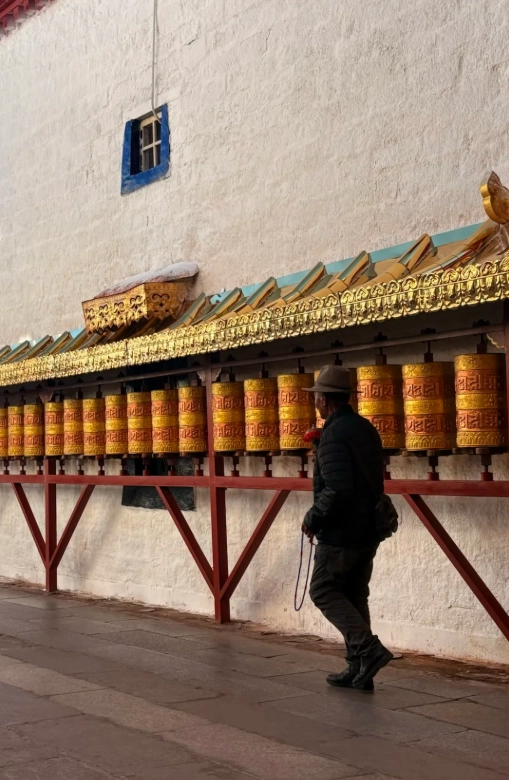
What Exactly Is the Barkhor Street Kora?
The Barkhor Street Kora is a 1.5-kilometer circumambulation route encircling the Jokhang Temple in the heart of Lhasa. For Tibetan Buddhists, walking the kora is an act of devotion—spinning prayer wheels, reciting mantras, and prostrating along the way. For visitors, it's a cultural immersion like no other. The street bustles with pilgrims from all over Tibet, monks in maroon robes, and vendors selling everything from yak butter tea to turquoise jewelry.
Important: Always walk clockwise. Going counterclockwise is considered disrespectful and may draw irritated looks from locals.
The kora is free to walk anytime (the street is public), but Jokhang Temple itself charges 85 RMB for entry (cash or WeChat Pay, no credit cards). You'll need to book a time slot via the official WeChat mini-program—ask your hotel receptionist for help if the Chinese interface baffles you.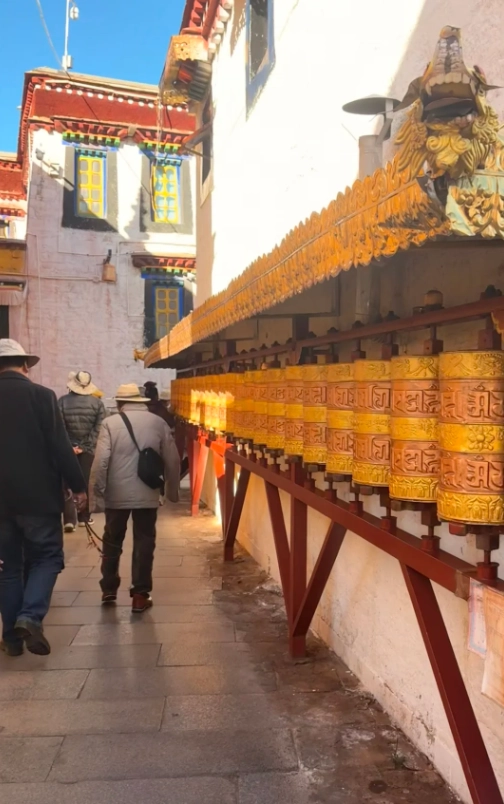
Best Time to Walk the Kora (and When to Avoid)
Let's cut through the generic advice. Many guides say 'go early morning.' But when exactly? Here's a breakdown from my experience.
| Time Window | Experience | Best For |
|---|---|---|
| 6:30 AM – 8:30 AM | Dark, quiet, with mostly elderly pilgrims and monks. The prayer wheels are cold but the atmosphere is deeply spiritual. | Photography (soft sunrise light), avoiding crowds |
| 9:00 AM – 11:00 AM | Peak heat and crowds. Tourist groups flood in. You'll be shoulder-to-shoulder. | People-watching if you don't mind crowds |
| 1:00 PM – 3:00 PM | Less crowded than morning but still busy. The sun beats down hard—bring water and a hat. | Shopping (shops are fully open), quick walk |
| 4:30 PM – 6:30 PM | The golden hour. Pilgrims return for evening prayers. The light casts a warm glow on the white walls. | Best photo opportunity, calm atmosphere |
My personal favorite is the 6:30 AM slot. You'll see locals performing full prostrations—bowing flat on the ground—and the kora feels like a secret shared between you and the city. Plus, afterward you can grab a fresh cup of sweet butter tea at a nearby stall.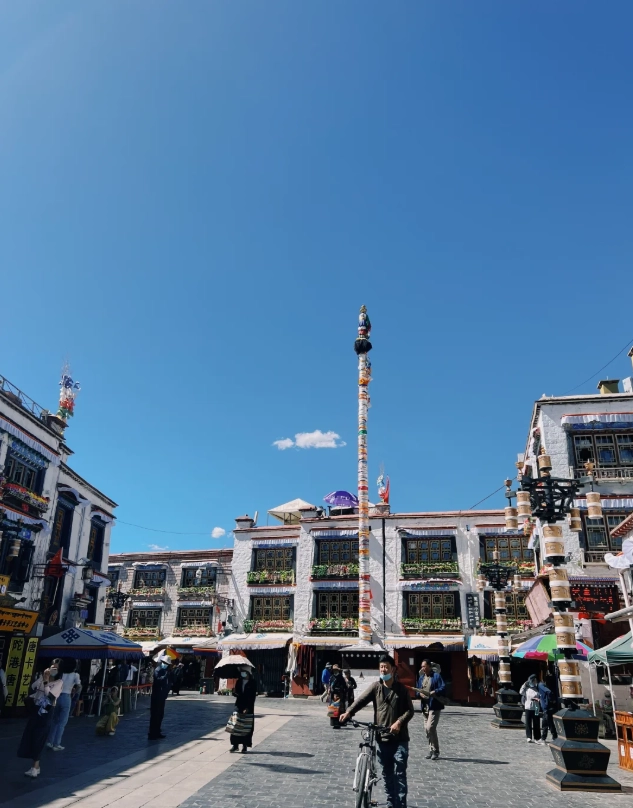
How to Walk the Kora: Step-by-Step Route
The main kora is straightforward: start at the north entrance near the Dazhao Temple square (the large square with incense burners). Walk clockwise along the outer ring. But here's where it gets interesting—I've mapped out a route that breaks away from the tourist trail.
- Start at the Gyi Lang Portico (northwest corner). This is where many pilgrims begin their kora. Touch the prayer wheel as you pass—it's said to bring good karma.
- After 200 meters, take a right into Yutok Lane. This narrow alley is lined with old Tibetan houses and tiny chapels. Peek inside the Ganden Khangsar chapel if it's open—the murals date back 300 years.
- Rejoin the main kora at the south bend. You'll pass by stalls selling handmade prayer flags. I always buy a set here for 10 RMB—cheaper than the tourist shops.
- Circle back to the east side, where you'll see the massive golden rooftop of Jokhang. Stop at the viewing platform near the entrance for an elevated photo.
- Finish at the Barkhor Night Market entrance (opens around 6 PM). Grab a bowl of thukpa (noodle soup) from the stall on the left—the owner speaks no English but will smile and serve you the best broth in town.
The entire walk takes about 45 minutes if you don't stop, but I always budget 1.5 hours with time for photos and minor detours.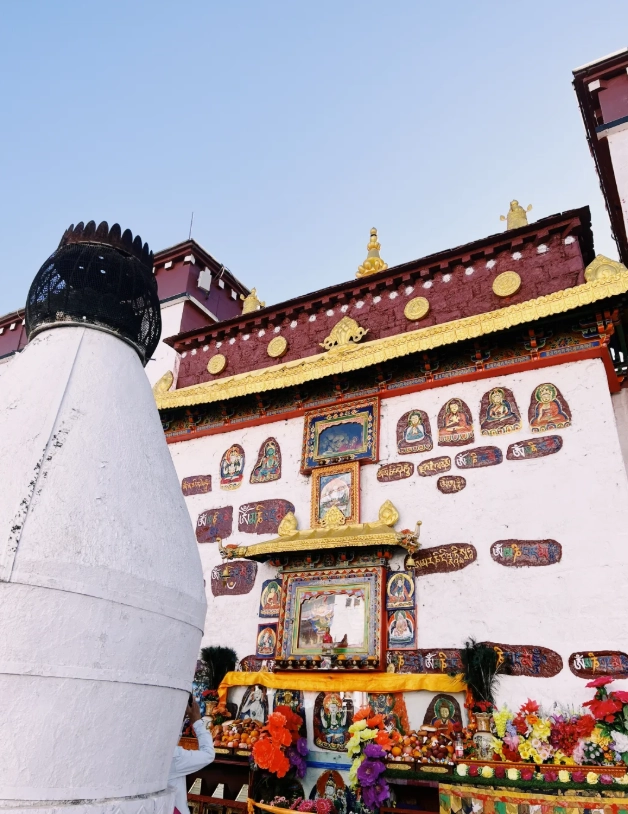
Insider Shopping Tips on Barkhor Street
Barkhor Street is famous for its market, but most souvenirs are mass-produced in factories far from Tibet. Here's how to spot the real stuff:
- Prayer flags: Look for faded, slightly rough cotton flags (40-50 RMB for a string). New, bright ones are cheap imports.
- Turquoise and silver jewelry: Bargain hard. Start at 30% of the asking price. If the vendor refuses, walk away—they'll call you back.
- Thangka paintings: Unless you're an expert, don't spend big. Many are printed. Ask for 'hand-painted' and check the brushstrokes.
- Butter lamps: Small copper ones cost around 60 RMB. Avoid the ones with plastic components.
My go-to shop is Norbu's Treasures at 128 Barkhor Street (look for the green door). The owner, a former monk, can tell you the story behind each item. Cash is preferred; no credit cards.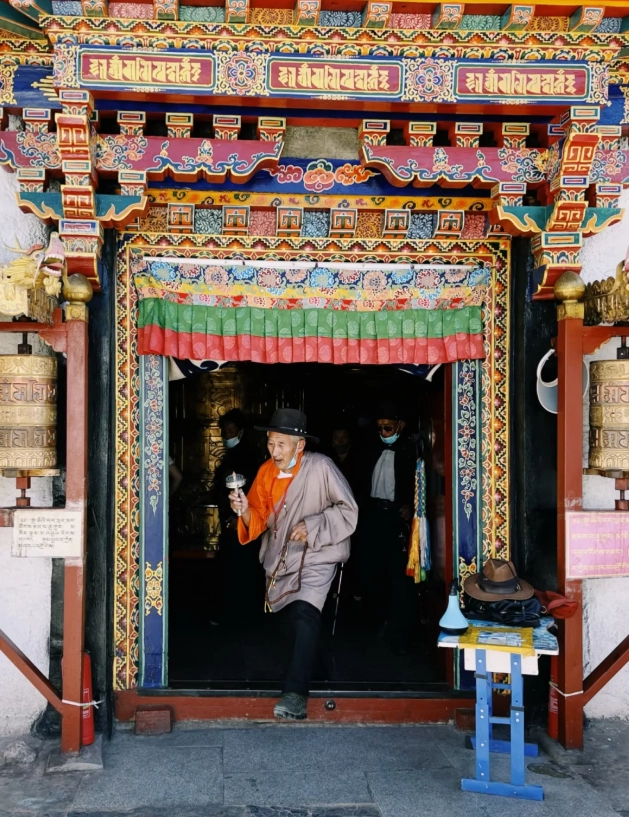
Where to Eat and Rest Along the Kora
You'll work up an appetite. Skip the touristy rooftop restaurants with 'Tibetan food' that tastes like cafeteria fare. Here are my picks:
| Place | Specialty | Price Range | Notes |
|---|---|---|---|
| Yak Café | Yak butter tea, momos (dumplings) | 15-30 RMB per item | English menu available. Free Wi-Fi (weak but works). Opens 7 AM – 10 PM. |
| Tsampa House | Tsampa (roasted barley flour) with milk tea | 10-20 RMB | No English menu, but point at what others are eating. Closes at 8 PM. |
| Barkhor Sweet Tea Stall | Sweet milk tea, boiled eggs | 5 RMB per cup | Street stall located near the north gate. Cash only. Perfect for a quick rest. |
My must-order: At Yak Café, I always get the plate of mixed momos (steamed and fried) with chili dip. Costs 28 RMB and fills you up.
FAQs About Barkhor Street Kora
Verified and fact-checked by the editorial team.





No comments yet.