 Ming Yang
I've led dozens of tours to Namtso Lake over the years, and altitude sickness is the one thing that catches even the fittest travelers off guard. You might have read that the lake sits at 4,718 meters (15,479 feet), but reading that number and actually feeling it are two different things. Let me walk you through what you need to know — not just the textbook stuff, but the real‑world tricks I've learned from watching hundreds of people.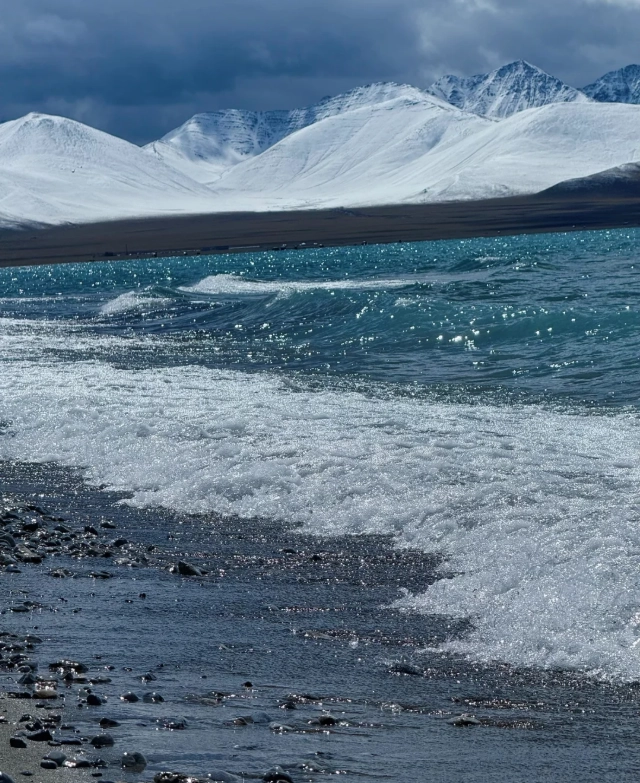
Why Namtso Hits Hard
Namtso is no ordinary high‑altitude destination. The drive from Lhasa (3,650m) takes about 4 hours, but you climb almost 1,100 meters in that short ride. Your body doesn't get time to adjust. Most altitude sickness cases I've seen hit between hours 2 and 6 after arrival. It's also windy as hell — the lake creates its own microclimate, and the combination of cold wind and low oxygen speeds up dehydration. Dehydration mimics altitude sickness, making everything worse.
Here's the catch: even if you've been fine in Lhasa or even Everest Base Camp (5,364m), Namtso can still knock you down. Why? Because the overnight stay at the lakeside guesthouses is what does it. Sleeping at altitude is when your oxygen saturation drops the most.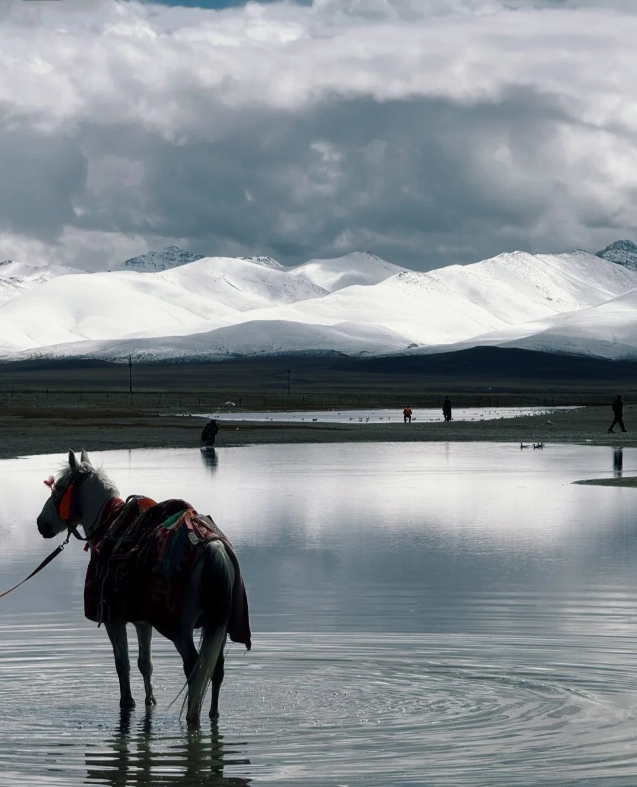
Symptoms: What to Watch For
I always tell my clients: "Don't wait for a headache to become a migraine." The early signs are subtle. Here's what to look for:
- Persistent headache that doesn't go away with rest or mild painkillers
- Nausea or loss of appetite — if you can't finish your meal, that's a red flag
- Dizziness or lightheadedness when standing up quickly
- Shortness of breath even while sitting
- Fatigue way beyond what's normal — feeling like you haven't slept in days
Prevention Strategies That Actually Work
1. Acclimatize in Lhasa First
I never take a group to Namtso unless they've spent at least 2 full days in Lhasa. The first day in Lhasa, do nothing — I mean it. Walk slowly, nap, drink water. On the third day, you're ready for the higher climb.
2. The Medication Debate
Diamox (acetazolamide) is your friend. But many tourists don't take it correctly. You need to start 24 hours before gaining altitude, and continue for 2 days after. The typical dose is 125 mg twice a day. Side effects (tingling fingers, weird taste) are annoying but harmless. I've also found that taking ibuprofen at the first sign of headache works better than paracetamol because it's anti‑inflammatory.
3. Hydration Is Non‑Negotiable
At 4,700 meters, you lose water through breathing faster than you think. I carry a 1‑liter bottle and force myself to drink it every 2 hours. Add electrolyte tablets — the local shops sell a brand called "Pocari Sweat" powder, which works great. Avoid alcohol completely the night before and during your visit.
4. Sleep Strategy
If you're staying overnight (which I recommend for the sunset), request a room on the ground floor. The guesthouses are basic — no oxygen enrichment. Elevating your head with extra pillows helps. Bring your own sleeping bag liner; the beds are dusty and the cold makes it harder to sleep.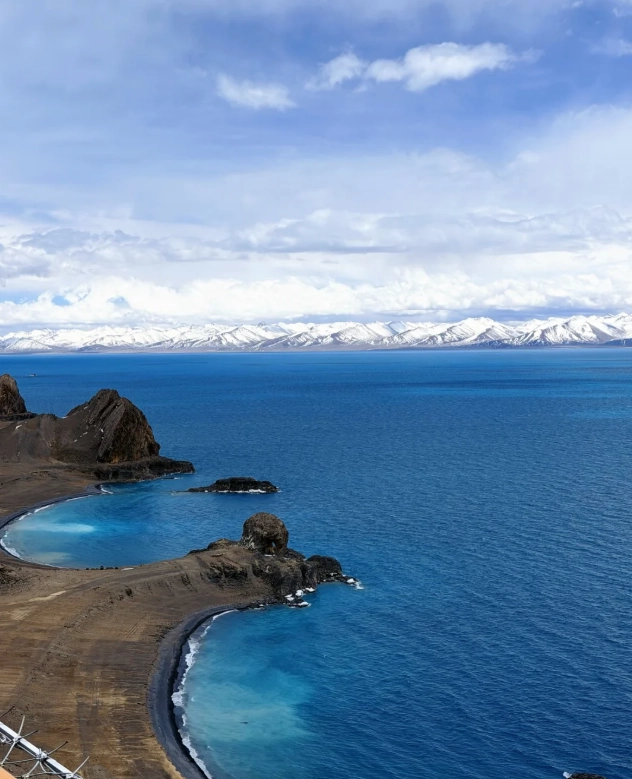
What If You Get Sick
Despite all prep, sometimes it happens. Here's my protocol:
- Stop ascending — obviously, you're already at the lake, so don't hike up the nearby hills.
- Immediate descent is the only cure for severe symptoms. The nearest lower point is Damxung town (4,300m) about 1 hour drive, or better, Dangxiong (4,200m). If you can't drive, the guesthouse can arrange a private car for around 300–500 CNY. I've had to send two clients down in the past three years — both recovered within hours.
- Portable oxygen cans are sold in Lhasa pharmacies. They're not a cure, but they buy you 20‑30 minutes of relief if you're waiting for transport. I always carry one in my daypack.
- Dexamethasone is a steroid that can reduce brain swelling (HACE). It's prescription‑only. I've used it twice in extreme cases, but only after consulting a doctor by phone. The guesthouse staff can connect you to a clinic in Lhasa.
Never leave a sick person alone. Altitude sickness can progress quickly. Check on each other every hour if someone is showing symptoms.
Practical Tips From My Tours
Getting to Namtso
Most people start from Lhasa. You can join a tour (around 400–600 CNY per person for a day trip, 800–1200 for overnight), hire a private driver (1500–2000 CNY), or drive yourself if you have a permit. Note: Foreigners generally need to book through a registered travel agency because of the restricted area rules. I use Trip.com or local agencies like Tibet Vista — they handle the permits.
What to Bring
| Item | Why It Matters |
|---|---|
| Warm layers (fleece, down jacket) | Temperature drops to -5°C even in summer at night |
| Sun protection (SPF 50+ hat, sunglasses) | UV is brutal; snow blindness is real |
| Lip balm with SPF | Chapped lips are painful and common |
| High‑energy snacks (nuts, chocolate) | Appetite often drops; easy calories help |
| Reusable water bottle + electrolytes | Hydration, as mentioned |
| Portable oxygen can (buy in Lhasa) | Emergency backup |
Avoid These Mistakes
- Don't shower on arrival. Hot water dilates blood vessels, which can worsen dizziness and drop your blood pressure. I've seen three people faint in the bathroom. Wait until the next morning.
- Don't eat a heavy meal. Your digestion slows at altitude. Stick to soup, toast, or porridge. The yak meat dishes are tempting but save them for Lhasa.
- Don't walk fast. I call it the "Buddha pace" — take one step, breathe, take another. Seriously, the elderly Tibetan pilgrims move slower than anyone and they're the ones who never get sick.
My Favorite Time to Visit
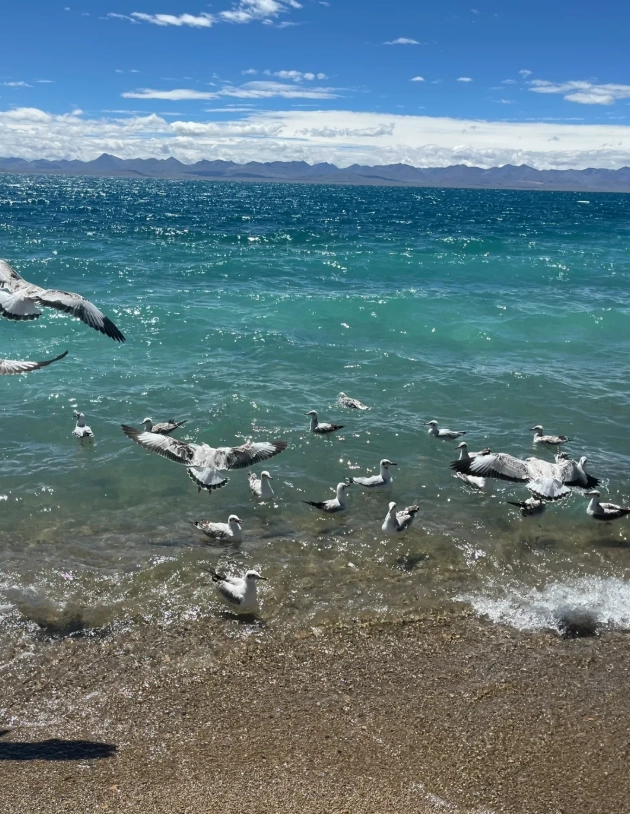
Late May through early October is the main season. But I prefer June and September — fewer crowds, and the weather is more stable. July and August can be rainy, but the lake is still beautiful. The worst time for altitude sickness? December to February. The cold adds another stressor, and the guesthouses are freezing.





No comments yet.