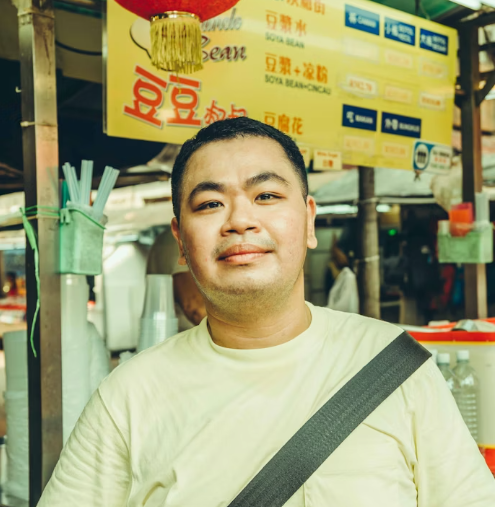
 Peng Gao
Let's be honest. When you search for "Xi'an famous foods," you get a list: roujiamo, liangpi, yangrou paomo. It's not wrong, but it's like being told the ingredients of a painting without seeing the brushstrokes. Having spent weeks wandering Xi'an's alleyways, my sleeves stained with chili oil and my notes full of vendor names, I realized the real story isn't just what to eat—it's the where, the how, and the unspoken rules that turn a meal into a memory. This isn't a generic list. It's a roadmap to the flavors that define this ancient city, written for anyone who wants to eat well, not just check boxes.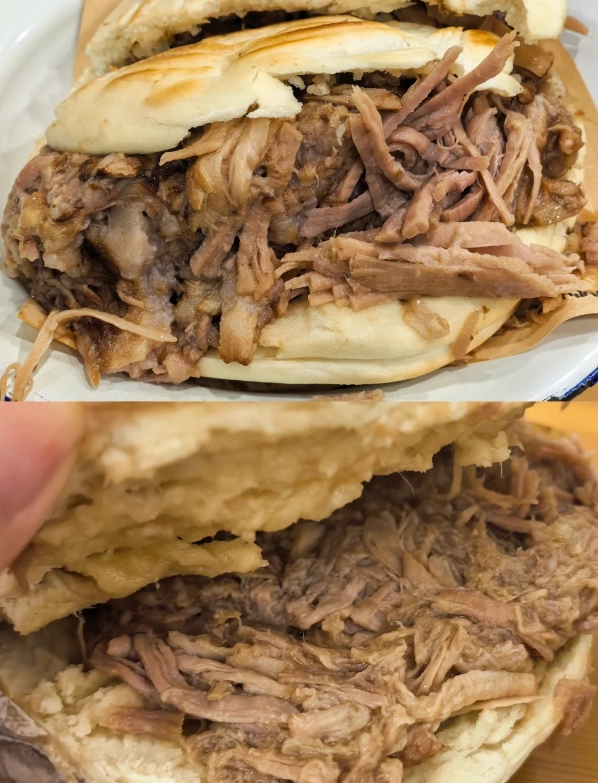
What's in This Guide?
The Essential Dishes You Can't Miss
Forget fancy plating. Xi'an's culinary soul is in its street food and humble shops. These are the pillars. If you leave without trying these, you missed the point.
The Unbeatable Trifecta
Roujiamo (Chinese Hamburger): The king. Don't call it a sandwich; locals will gently correct you. The magic is in the bread—a flat, crispy-on-the-outside, chewy-on-the-inside "mo" baked in a clay oven. The filling is stewed meat, usually pork belly, but the beef version in the Muslim Quarter is legendary. The meat should be juicy, shredded, and heavily spiced with cumin and pepper. A bad roujiamo has dry meat and stiff bread. A good one is a perfect, greasy handful.
Biangbiang Noodles: Named for the sound the dough makes when slapped against the counter. These are belt-like noodles, wide, thick, and incredibly long. They're served in a simple but explosive sauce: chili oil, vinegar, soy sauce, and garlic, often topped with pork belly chunks and vegetables. It's a textural wonder—chewy, slick, and numbing from the Sichuan pepper. You don't slurp these; you wrestle with them.
Yangrou Paomo (Pita Bread Soaked in Lamb Soup): This is a ritual, not a quick bite. You're given a flatbread and a bowl. Your job is to tear the bread into tiny, pea-sized pieces. This takes 10-15 minutes. Then, the server takes your bowl, adds stewed lamb, and pours over a rich, milky-white lamb broth. The bread soaks up the soup, becoming soft and flavorful. You eat it with pickled garlic and chili paste. It's hearty, communal, and deeply satisfying on a cold day.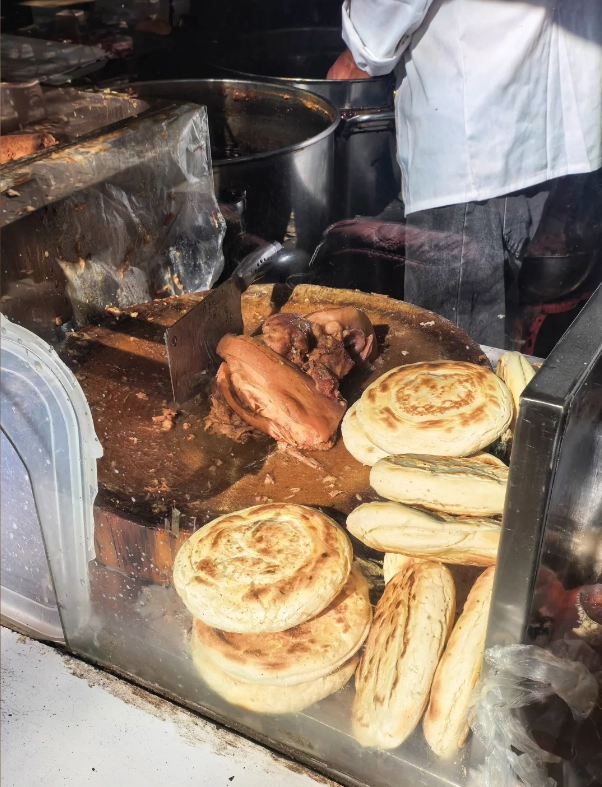
Where to Eat Them: My Personal Shortlist
Location is everything. A dish can be famous, but the wrong shop ruins it. Based on multiple visits and conversations with drivers and shopkeepers, here are my top picks. I've prioritized places that are accessible, consistently good, and give you that authentic feel.
| Dish | Shop Name & Address (Landmark) | What to Know / Order | Approx. Price | Hours (Typical) |
|---|---|---|---|---|
| Roujiamo | Lao Sun Jia (Multiple branches). For the classic, head to their location just outside the south gate of the Muslim Quarter on Beiyuanmen Street. | Get the pork belly roujiamo. It's their signature. The bread is always fresh. Expect a line, but it moves fast. Skip the seated area; eat it standing like everyone else. | 12-15 RMB | 8:00 AM - 9:00 PM |
| Beef Roujiamo | Any bustling stall deep inside the Muslim Quarter. Look for a vendor with a large simmering pot of beef and a steady queue. | The beef is cumin-heavy and less fatty than pork. Ask for "la zi duo" if you want it spicy. The bread here is often slightly denser. | 15-20 RMB | 10:00 AM - Late |
| Biangbiang Noodles | Biángbiáng Miàn (The one with the complex character). Address: 6 Dongmutou Shi, near the Bell Tower. Look for the huge character on the sign. | This is a proper restaurant. Order the "san he yi" (three-in-one) biangbiang mian. The portion is huge—one bowl can sometimes feed two light eaters. | 25-35 RMB | 10:30 AM - 10:00 PM |
| Yangrou Paomo | Tong Sheng Xiang. A historic restaurant. One main branch is at 12 Xiyang Shi, not far from the Drum Tower. | This is the full-sit-down experience. They'll guide you through the tearing process. Go for the lamb paomo. The broth is exceptionally clear and flavorful without being gamey. | 35-50 RMB | 9:00 AM - 9:30 PM |
| Liangpi (Cold Skin Noodles) | Wei Jia Liangpi in the Muslim Quarter. It's a tiny storefront with a few stools, often with a crowd. | The liangpi here is chewy, not rubbery. The sauce is perfectly balanced—sour, spicy, garlicky, with a hint of sesame paste. Get it "pei mianjin" (with gluten puffs). | 10-12 RMB | 9:00 AM - 8:00 PM |
A note on the Muslim Quarter: It's chaotic, sensory overload. The best strategy? Wander until you see a stall with a long line of locals, not tourists holding selfie sticks. The quality variance is high, but a queue is usually a reliable indicator.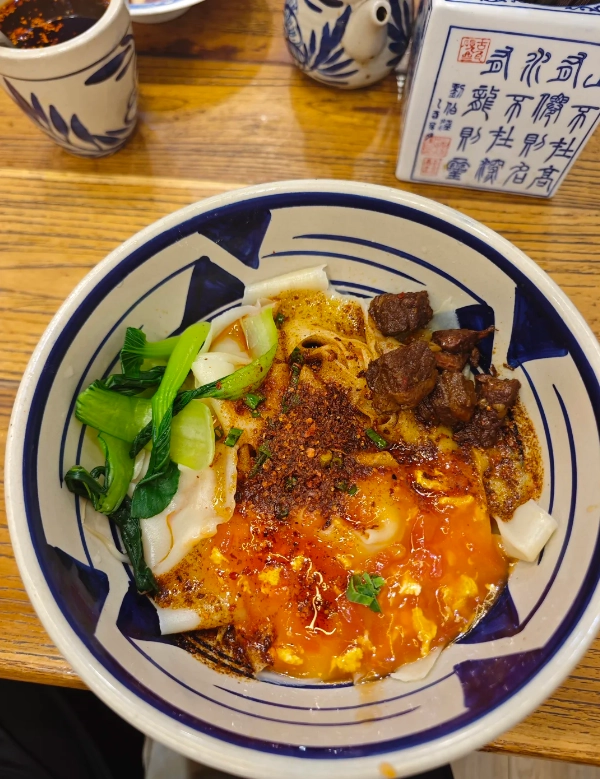
How to Order Like a Local (And Avoid Looking Like a Tourist)
This is where most guides stop, and where you can gain a real edge. Observing how locals navigate these spots taught me a few subtle tricks.
Master the Point-and-Nod System: In busy street stalls, lengthy conversations are rare. See what others are getting? Point at it, hold up fingers for quantity, and nod. "Zhe ge, yi ge" (This one, one). Works perfectly.
Spice Level is a Conversation: Don't just say "spicy." They'll assume you can't handle it. If you want the real deal, say "yao la de" (I want the spicy one) or "zhengchang la du" (normal spice level). If you see a jar of raw chili flakes on the counter, adding your own is always an option.
Timing is Key: Roujiamo shops are best mid-morning or late afternoon when the bread is fresh but the lunch rush has died down. Yangrou paomo is a lunch thing. The Muslim Quarter is most vibrant from late afternoon into the evening. Going at 11 AM feels strangely quiet.
The Budget Reality: You can eat spectacularly well for very little. A filling street food meal (one roujiamo + one bowl of liangpi) costs 20-25 RMB. A sit-down noodle feast is 30-40 RMB. Splurging on a multi-dish restaurant meal might hit 80-100 RMB per person. Cash is still king in many small stalls, though mobile pay is ubiquitous.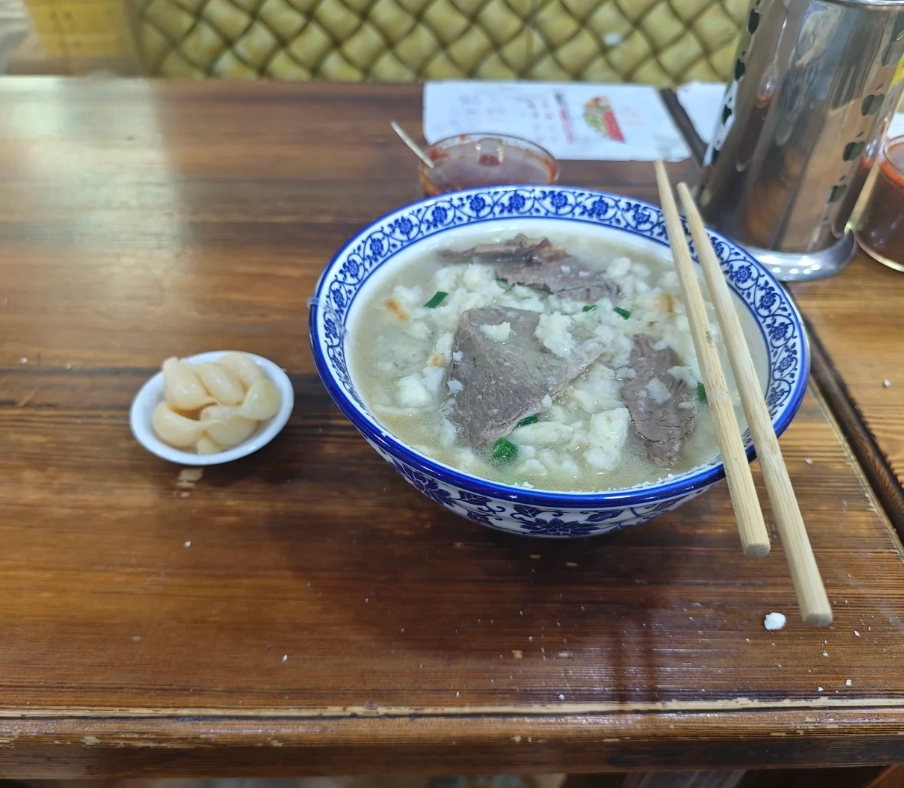
What Makes Xi'an's Noodles So Unique?
It's not just biangbiang. Xi'an has a noodle for every mood, and the obsession runs deep. The difference lies in the wheat and the technique.
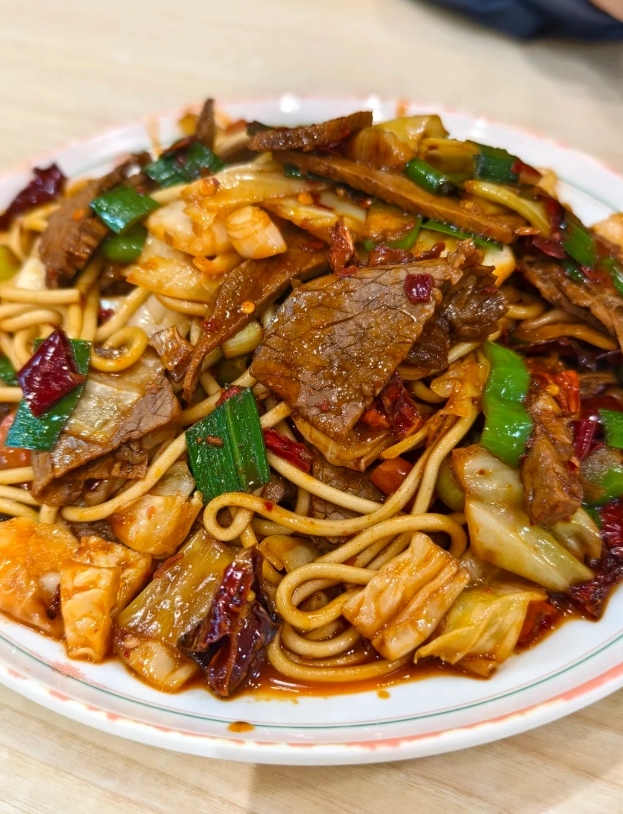
Shaanxi wheat has a higher protein content, leading to a chewier, more resilient noodle. Then there's the shaping: pulling, slicing, shaving, and pinching. Youzha Mian are noodles pressed through a sieve directly into boiling oil, then served in a soup—a textural marvel. Qishan Saozi Mian are thin, hand-rolled noodles in a sour and spicy broth with minced pork.
My personal non-consensus tip? Seek out a small shop for "suan tang shui jiao" (sour soup dumplings). They're smaller than typical dumplings, served in a tangy, peppery broth with copious cilantro. It's a less famous dish, but after a few heavy meals, its sharp, cleansing flavor was a revelation. A good place to try is around the Xiaozhai area, where university students eat.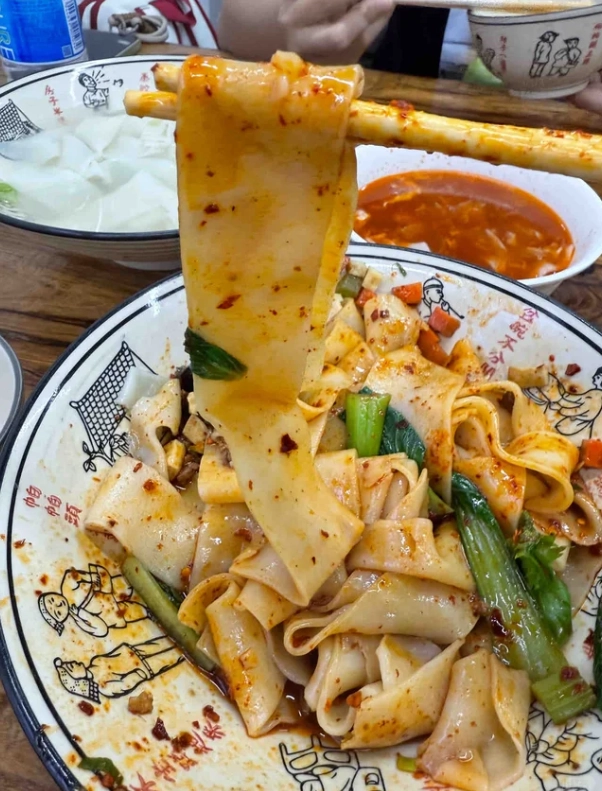
Your Xi'an Food Questions, Answered
Is Muslim Quarter street food safe to eat for travelers?
Focus on stalls with high turnover. See a pot of soup that's been simmering all day? That's a good sign—it's kept at a safe temperature. I avoided raw vegetables from street vendors and stuck to items that were cooked to order or kept piping hot. Hydrate with bottled water or sealed drinks. In dozens of meals, I never had an issue by following these simple rules.
What's one mistake tourists make when ordering yangrou paomo?
They don't tear the bread small enough. Large chunks won't absorb the broth properly, leaving you with soggy dough balls and a bland soup. Take your time. Tear it until the pieces are the size of your thumbnail. The staff will notice and appreciate it—they might even give you a nod of approval.
I don't eat lamb. What are my best options in Xi'an?
Plenty. The pork roujiamo is a classic. Liangpi is vegan-friendly (just confirm they don't use meat-based broth). Biangbiang noodles often come with a pork topping, but you can frequently ask for the vegetarian version ("su de"). Also, explore "guo tie" (pan-fried dumplings) filled with pork or vegetables, and "hulu ji" (gourd chicken), a steamed chicken dish that's surprisingly light and flavorful.
How do I find authentic food spots outside the touristy Muslim Quarter?
Walk two or three blocks in any direction. The streets surrounding the Quarter are full of local eateries. Look for places with simple plastic stools, menus only in Chinese, and a clientele that looks like they're on their lunch break. Another tactic is to visit a local food court in a mall like Saige Mall—the variety and quality are aimed at locals, not tourists.
This guide is based on firsthand experience and observations from multiple visits to Xi'an. Details like shop locations and characteristics were verified during these trips. Menus, prices, and hours are subject to change.





I've been following Xi'an food blogs for years, and this guide still managed to surprise me. The section on hui-min street hidden gems is worth the price alone. I love how the author includes both classic restaurants and modern fusion twists—like the cold skin noodles with chili oil that changed my life. Only reason I'm giving 5 stars is because it's rare to find a guide that's both comprehensive and genuinely entertaining to read. A must-pack for any food traveler.
Bought this as a gift for my brother who's moving to Xi'an for work. He texts me almost every day saying how helpful it is—just yesterday he found an amazing jiaozi spot because of the 'locals only' tip in this guide. The restaurant recommendations are spot-on, and the breakdown of spice levels saved him from a few tears. Highly recommend for anyone who wants to eat like a true Xi'aner, not just a tourist.
Was super excited to get this after seeing rave reviews online. Unfortunately, it felt a little rushed. A few dishes I specifically looked up (like suan cai yu) were barely mentioned, and the writing style comes off as someone trying too hard to be 'insider-y.' Not terrible—I did learn about biangbiang noodles which were amazing—but for the price I expected more depth. Decent if you're a total newbie, but skip if you already know your way around a Xi'an menu.
I've eaten at Xi'an Famous Foods in NYC before, so I wanted a deeper dive into the actual Xi'an dishes. This guide delivers on history and cultural context—I now understand why yangrou paomo is such a big deal. The photos are decent but I wish there were more step-by-step instructions on how to order and eat the dishes (especially for broke the bread yourself kind). Still, it's a solid 4-star read for anyone serious about Chinese street food.
Finally a guide that doesn't just list the obvious tourist spots! I used this during my 4-day trip to Xi'an and it helped me find a hole-in-the-wall liangpi shop that blew my mind. The author clearly knows the local scene and gives practical tips like which branch to visit and what time to avoid crowds. My only tiny gripe: the map could be a bit more detailed for first-timers. Still, this is hands down the best food guide I've ever bought. Absolute lifesaver.
Really enjoyed the passion behind the writing. You can tell the author loves Xi'an food and knows their stuff. The section on the different types of liangpi (sesame vs. spicy) was eye-opening. My only gripe is that the article is a bit long-winded in places — I found myself skimming paragraphs that could have been tighter. That said, I've already bookmarked it for my trip next month. Great resource overall.
Honestly, I was a bit let down. The coverage of the famous dishes is fine if you already know what to look for, but as a first-timer I needed practical info — like which stalls are worth the queue, what the price range is, or even just the opening hours. It felt more like a blog post bragging about how much the author ate rather than a real insider guide. A few photos would have helped too. Not terrible, but I expected more depth.
If you're a chili head like me, this article is your new best friend. The way they described the wide belt noodles in hot oil — I could almost hear the sizzle. I tried making the biangbiang noodles at home after reading their tips on the oil temperature and it turned out incredible. Only wish they'd included a few more dishes with that insane Tianshui chili kick. Still, this got me fired up for my next Xi'an trip.
Solid article overall. I love that they focused on the classics like yangrou paomo and liangpi, and the descriptions are vivid enough to make you hungry. I'm knocking off one star though because I felt like they glossed over some of the more niche street snacks — where's the love for jing gao (steamed persimmon cake)? Also, a map of the Muslim Quarter would have been super helpful. Still, a good starting point for foodies.
This guide totally nailed it. I spent a summer in Xi'an a few years back and reading this brought back all the smells and sounds of the night markets. The part about the crispy pork belly in the roujiamo? Exactly how I remembered it. And they even mentioned the tiny shop off West Street that I thought only locals knew. If you're planning a trip, print this out and bring it with you. Absolute must-read.
This insider's guide turned my Xi'an trip into a food adventure. Every single dish I tried from the list was incredible, especially the biang biang noodles. I even made friends by sharing the recommendations. Perfect for solo travelers who want to eat like a local.
As a vegetarian, I found this guide very limited. Almost all the must-eat dishes are meat-heavy. The one veggie option mentioned was bland. If you're not a carnivore, look elsewhere. The writing is engaging though, so 3 stars for effort.
Decent list but felt a bit too focused on the touristy spots. I tried the yangrou paomo at a place from the guide and it was average, not the life-changing experience described. Maybe my expectations were too high. Also missing some hidden gems I found later.
Very helpful overview of Xi'an's food scene. I appreciated the insider tips about timing to avoid crowds. Only gave it 4 stars because I wish there were more photos or a map for the less famous stalls. Still, it saved me a lot of research time.
This guide was spot-on! I followed the recommendation for the cumin lamb burger at the original shop—absolutely mind-blowing. The directions were clear and the dish descriptions made me drool before I even arrived. A must-have for anyone visiting Xi'an.