 Jian Zhao
Let's get this out of the way first. If you think Xi'an noodles are just one thing, you're missing the whole point. The city's noodle scene is a universe of textures, widths, sauces, and broths, each telling a different story of Shaanxi province. I've spent years living here, and my biggest mistake early on was sticking to the places right next to the Bell Tower. The real magic happens in the unassuming alleys where the air is thick with the sound of dough slapping on counters and the scent of chili oil and vinegar.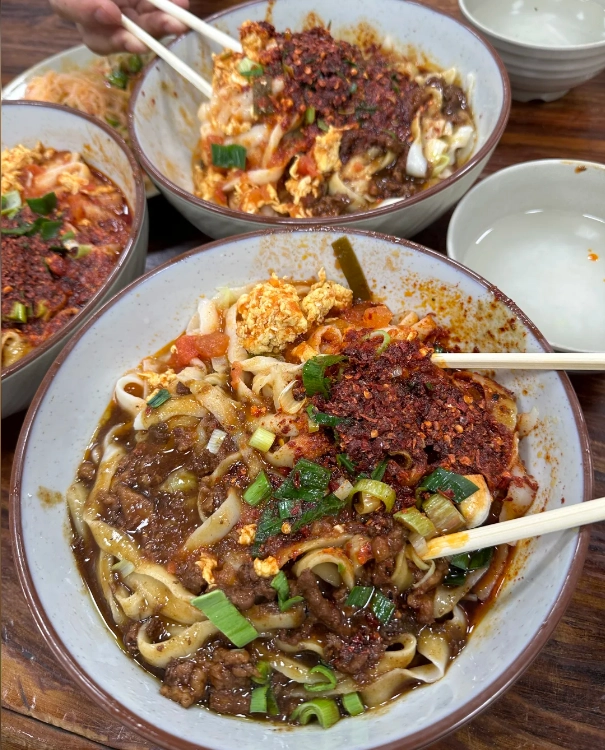
This isn't a listicle of every noodle shop. It's a field guide based on walking those alleys, talking to owners, and yes, eating a lot of noodles. I'll show you where to go, what to order, and how to avoid the common pitfalls that leave tourists with a bland, overpriced bowl.
What’s Inside This Guide
The Core of Xi'an Noodles: It's Not Just the Noodle
Most discussions focus on the famous biangbiang noodles, named for the sound the dough makes when slapped. They're a spectacle—wide, belt-like ribbons. But fixating only on them is like going to Italy and only eating spaghetti. The foundation of Xi'an's noodle culture is wheat, shaped by hand into countless forms.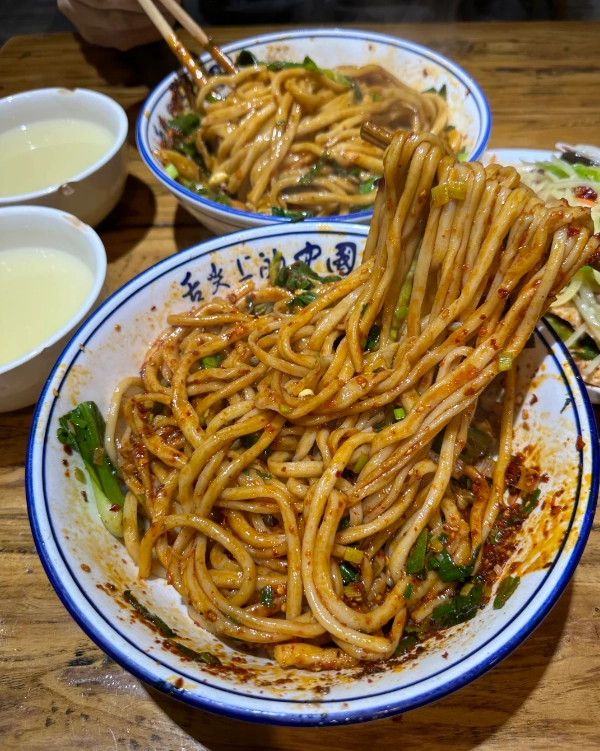
Understanding the Key Styles
You need to know what you're looking at. The main categories aren't just about shape; they dictate the entire eating experience.
- Hand-Pulled Noodles: The ultimate test of skill. Chefs stretch and fold dough into thin, even strands. The texture is springy and uniform. You'll find these in beef or mutton soups.
- Knife-Cut Noodles: The chef holds a block of dough and shaves strips directly into boiling water. The edges are rough, perfect for grabbing thick sauces. Each piece has a different thickness, creating a varied mouthfeel.
- Poked Noodles: A thicker, chewier round noodle rolled by hand. They have serious bite and stand up to robust, oily sauces without getting soggy.
The sauce or soup is the other half of the equation. A rich, slow-simmered mutton broth for hand-pulled noodles. A fiery, numbing sauce of chili oil, Sichuan pepper, and vinegar for biangbiang noodles. A savory, cumin-heavy minced meat sauce for poked noodles. The noodle type is chosen specifically to carry its partner.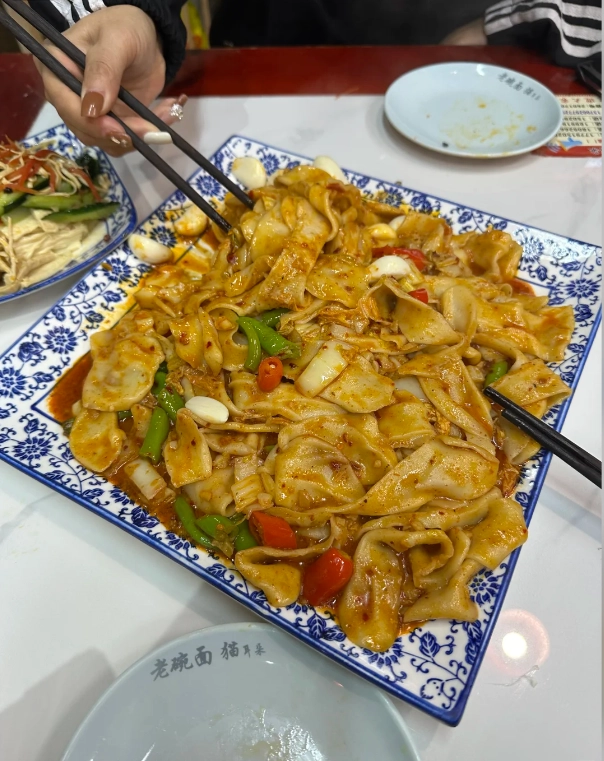
A quick note on "Biang": The character is famously complex. While it's fun, don't let a shop's ability to write the character fool you into thinking their noodles are the best. I've had mediocre biangbiang noodles from places with giant character murals and incredible ones from shops with no sign at all. Judge by the queue of locals, not the calligraphy. For more on the cultural background, resources like Wikipedia's entry on Biangbiang noodles provide good context.
Top Xi'an Noodle Spots: My Personal Picks
These are places I return to. They balance quality, atmosphere, and value. Some are famous, others are hidden gems. I'm including practical details so you can actually go there.
| Shop Name & Area | What to Order (The Signature Bowl) | Address & Key Info | My Notes & Price Range |
|---|---|---|---|
| Lao Sun Jia Near Bell Tower | Beef Hand-Pulled Noodles in Soup | Multiple branches. A central one is at 78 Beiyuanmen, Lianhu District. Open 10:00 AM - 10:00 PM. | This is a historic institution. The broth is clear but deeply flavored, simmered for hours. The beef is tender, the noodles are perfectly springy. It's a masterclass in simplicity. Can be crowded with tour groups at peak times. ~25-35 RMB. |
| Ma Hong Xiao Chao Pao Mo Muslim Quarter |
Stir-Fried Ripped Bread with Meat | 46 Hongbu Street, Beilin District. Open 9:00 AM - 9:30 PM. | Okay, technically this is torn bread, not noodles, but it's a noodle-adjacent staple you must try. The "xiao chao" version is stir-fried with tomato, egg, chili, and bits of meat—it's tangy, savory, and rich. You rip the bread yourself, which is part of the fun. ~30-40 RMB. |
| Liu Xiang Mian Guan City Center, off the main drag |
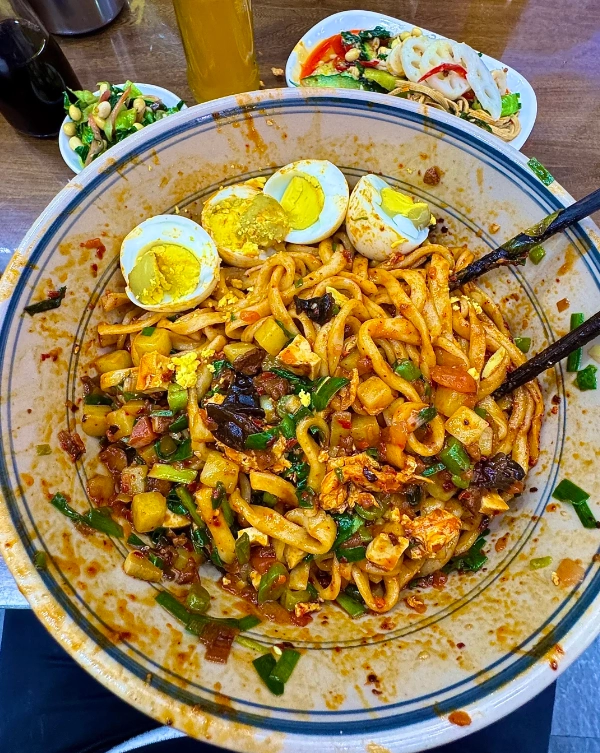
Their namesake: Thick Poked Noodles with Meat Sauce | In an alley off Liu Xiang, near the corner of Jiefang Road. Look for the crowd. Open 11:00 AM - 3:00 PM, 5:00 PM - 9:00 PM. | This is a local legend. No frills, just one main dish. The noodles are thick, chewy, and coated in a hearty sauce with chunks of stewed pork, potatoes, and carrots. The vinegar and chili oil on the table are essential—add generously. Portions are huge. ~20 RMB. |
Let me tell you about Liu Xiang Mian Guan specifically. You walk down a non-descript alley, and suddenly there's a line. The dining room is basic, noisy, and shared tables are the norm. The waitstaff shouts orders. When your bowl arrives, it looks monochromatic—beige noodles, beige sauce. But mix it up. The first bite is all about the noodle's resistance. Then the savory sauce, the soft potato, the sharp kick of your own added vinegar. It's not elegant. It's profoundly satisfying. This is the anti-tourist-trap experience.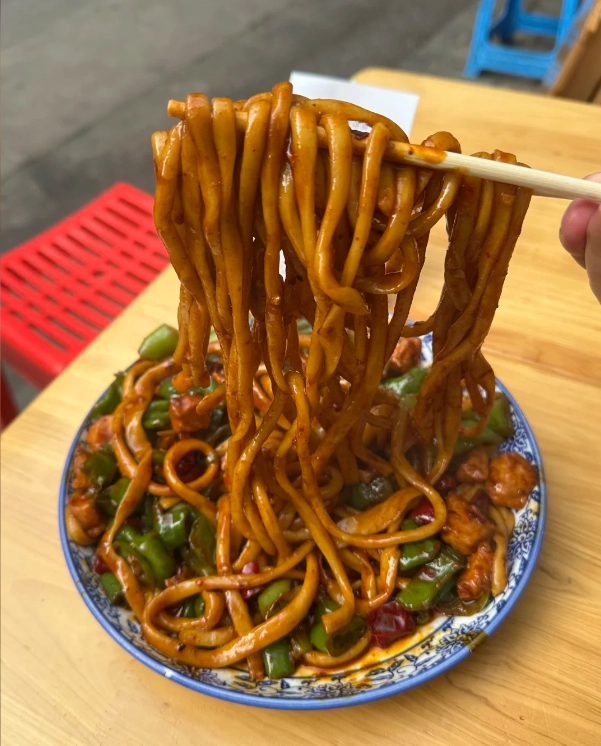
A Warning on "Must-Visit" Lists
You'll see certain chains on every online list. Some are fine for consistency. But I find they often prioritize speed and scale over depth of flavor. The broth can taste watered down, the chili oil lacks fragrance. My rule: if the shop has more than 10 nearly identical branches in the city center and an English picture menu plastered everywhere, temper your expectations. It might be good, but it's unlikely to be great.
How to Order Xi'an Noodles Like a Local
Walking into a busy local shop can be intimidating. Here's the playbook.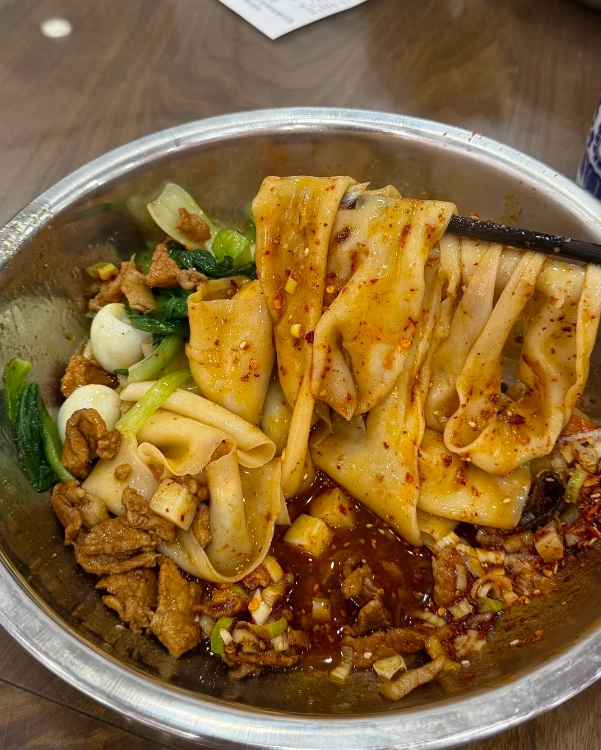
Step 1: Find a seat, or signal you're waiting. Often, you secure a seat first, then order. A nod to a free spot or hovering near a finishing table is understood.
Step 2: Know your order terms. It's not just "one noodle."
- For soup noodles: Specify the meat—"niúròu miàn" (beef), "yángròu miàn" (mutton).
- For dry noodles like biangbiang: Say "yī wǎn biángbiáng miàn" (one bowl).
- Critical customization: "làzi" (chili) and "cù" (vinegar). Point and say "duō jiā làzi" (add more chili) or "shǎo jiā làzi" (less chili). Locals add a lot of both.
Step 3: Use the condiments. Every table has raw garlic, chili oil in a jar, and vinegar. Take a clove of garlic, peel it, and take a bite with your noodles. It cuts through the richness. Add more chili or vinegar to your bowl as you eat.
Step 4: The sound matters. Slurping is not just acceptable; it's part of enjoying the noodles and cooling them down. Don't be shy.
One subtle mistake I see: people not mixing their dry noodles thoroughly. The sauce settles at the bottom. Use your chopsticks and lift from the bottom, folding the sauce up through the noodles for the first minute. Otherwise, your first half is plain, and your last half is overly salty.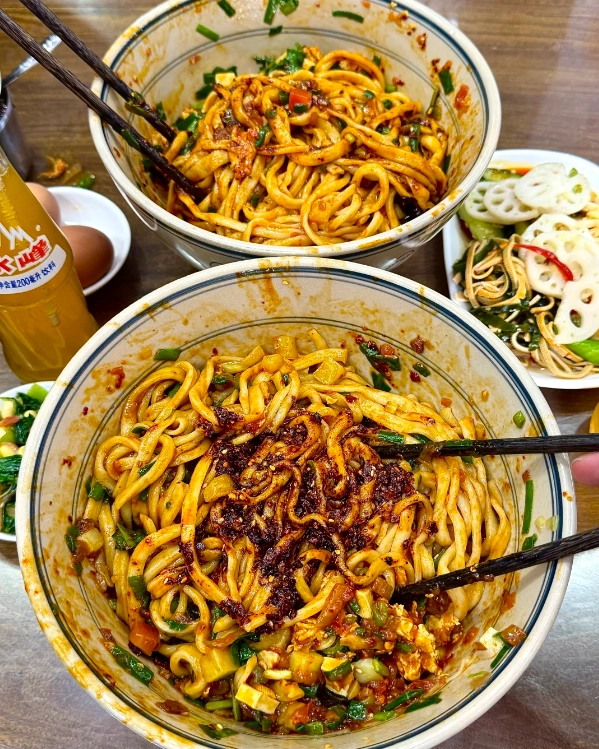
Your Xi'an Noodle Questions, Answered
Where in Xi'an can I find the most authentic noodles without the tourist crowds?
I can't handle spicy food. Can I still enjoy Xi'an noodles?
 What's the difference between Roujiamo and noodle dishes? Are they a meal together?
Is it safe to eat at the small street stalls in the Muslim Quarter?
Finding the right bowl of noodles in Xi'an is a journey of taste and texture. It's about stepping away from the obvious and trusting the wisdom of the local queue. Remember, the best meal might be in the least impressive-looking room. Bring your appetite, a willingness to point and gesture, and don't forget the garlic.
This guide is based on personal, repeated visits to these establishments and ongoing conversations with local food enthusiasts. Details like operating hours and prices are checked regularly, but can change.





Came across this guide before my backpacking trip and it saved me hours of research. The detailed directions to that old-school noodle joint near the Bell Tower were spot-on—tucked down an alley I'd never have found myself. The hand-pulled noodles were incredibly springy, the broth rich and beefy, and the price was stupid cheap. Trust this guide, it's the real deal.
I was nervous about navigating Xi'an's food scene on my first trip, but this guide made everything easy. It doesn't just list noodle places—it gives you the story behind each style, what to order, and even how to eat like a local. The oil-splashed noodles at the spot it recommended were life-changing. That crackling hot oil hitting the chili flakes? Unforgettable. Five stars.
Hands down the best travel guide I've used for Xi'an! Followed it to a tiny shop for biangbiang noodles and the experience was unreal—the chef pulled the dough right in front of me, and the chewy texture with that spicy vinegar sauce was perfection. Every recommendation I tried matched exactly what the guide described. Don't visit Xi'an without this!
This guide pointed me to some solid bowls, especially the yangrou paomo spot near the Muslim Quarter—that was legit. But I wish it had included more hidden gems that locals actually go to, instead of just the tourist-heavy ones. The descriptions of each dish were helpful though. Overall a good starting point, just not the full picture.
I picked up this guide hoping to hit the best noodle spots in Xi'an, but honestly, it let me down. Two of the top recommendations were closed when I got there—one had a sign saying it moved months ago. The other place had a line that wrapped around the block, and the wait was over an hour for average noodles. Felt like the info wasn't updated. Disappointing for a so-called practical guide.
Decent spot for a quick bite after wandering the Muslim Quarter. I ordered the spicy hot oil noodles—great kick and the hand-pulling was on point. However, the seating area was cramped and a bit dirty, with empty bowls sitting on the next table for way too long. Flavor wise it's a solid 4, but the hygiene drags it down a notch.
Hands down the best bowl of noodles I've ever eaten. The knife-cut noodles with tomato egg sauce were simple but executed perfectly—silky strands, fresh tomatoes, and a hint of ginger. The owner came by to ask if everything was good, which was a nice touch. If you only visit one noodle spot in Xi'an, make it this one.
I really wanted to love this place after reading the guide, but my experience was just okay. The yangrou paomo (lamb soup with bread) was lukewarm when served, and the bread pieces were too soggy. The flavor was decent but lacked the punch I expected. Staff seemed rushed and didn't explain the dish. For the hype, I left a little disappointed.
Solid bowl of liangpi (cold skin noodles) on a hot day, but honestly the portion felt a bit small for the price. The sesame sauce was delicious and the chili oil had great depth. Service was quick, though the plastic stools were not very comfortable. Good, but not mind-blowing—I'd come back for a quick lunch if I'm nearby.
Absolutely incredible! I had the hand-pulled biang biang noodles with spicy beef, and the texture was perfect—chewy, fresh, and soaking up all that rich, aromatic oil. The staff even let me watch the chef pull the noodles from behind the counter. A true Xi'an experience right in the heart of the city. Will dream about this bowl forever.
This guide is a lifesaver for spice enthusiasts! Every spot I visited nailed the heat level, especially the little stall recommended for hot and sour noodles. The portion sizes were generous, and I loved that the guide included both famous shops and hidden gems. Already planning my next trip back just for the food.
Honestly, I was a bit disappointed. The guide hyped up a place that ended up having overcooked noodles and a bland broth. Maybe I caught them on a bad day? The atmosphere was nice though, and the staff were friendly. Overall, it’s a decent starting point, but take the ratings with a grain of salt.
Great read with beautiful photos, but I found the descriptions a little too glowing. The noodle shop I tried based on the guide had good lamb soup noodles, but the service was rushed and the seats were cramped. I’d still give it a 4 because the flavors were authentic—just don’t expect a relaxing meal.
Solid recommendations overall. I tried three places from the list, and two were fantastic. The third one (a popular chain) was just okay—the broth was a bit salty for my taste. Still, the guide is well-researched and easy to follow. Just wish it mentioned more budget-friendly options near the city center.
Absolutely loved this guide! Followed it to a little spot near the Muslim Quarter and had the most incredible hand-pulled biang biang noodles. The texture was perfect—chewy and absorbent—and the chili oil was fragrant without being overpowering. The guide’s tip about going early to avoid the lunch rush saved me a 30-minute wait. 10/10 would recommend to anyone visiting Xi’an.