 Jian Zhao
You've hiked the breathtaking plank paths, marveled at the waterfalls, and filled your camera with the deep greens and blues of Jinsi Grand Canyon. Now, as you head back towards the real world, you might be thinking: is there anything worth buying here to remember this place? The answer is a definite yes, but you need to know where to look. Shopping at Jinsi Grand Canyon isn't about sprawling malls or tourist traps. It's a subtle, almost secretive hunt for genuine local crafts and natural products tucked away near the park entrance and along the quieter trails. I spent a full day navigating this, talking to vendors, and getting my hands on everything from wild honey to hand-carved walnuts. This guide cuts through the generic advice and tells you exactly what to buy, where to find it, and how to avoid the common pitfalls that catch first-time visitors.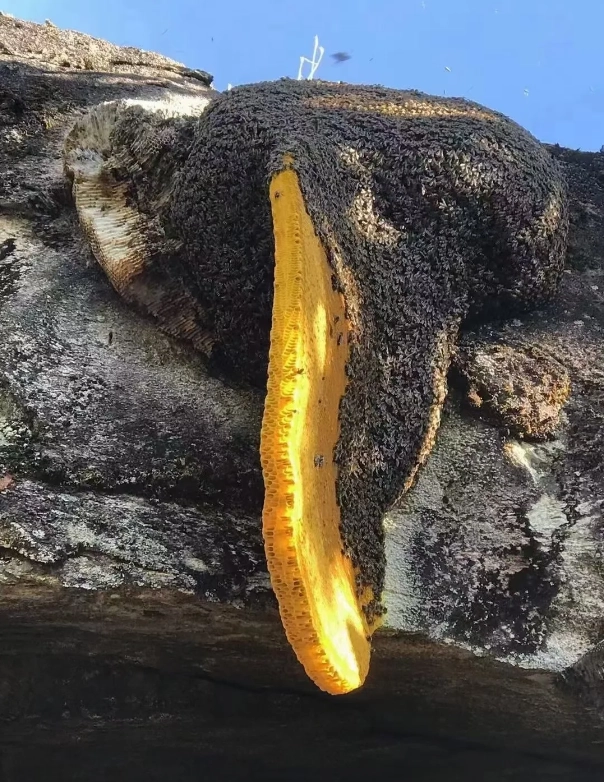
Your Quick Navigation Map
Where to Shop at Jinsi Grand Canyon: The Two Key Areas
Forget the idea of a central shopping street. Commerce here is decentralized and tied directly to the flow of visitors. Your shopping will happen in two distinct zones, each with a completely different vibe.
The Main Entrance & Visitor Center Plaza
This is your primary and most convenient shopping hub. After you exit the ticketing gates but before you walk towards the shuttle buses, you'll find a small cluster of shops on your right-hand side. I almost missed them, distracted by the crowd heading for the buses.
The standout here is a store called "Canyon Local Goods." It's the most organized shop in the area. Address/Navigation: Directly opposite the main visitor center building, next to the public restrooms. Opening Hours: 8:30 AM to 6:00 PM, matching the park's general operating hours. Best Time to Browse: Late afternoon, between 4:30 PM and 5:30 PM. The morning rush is over, and the staff have more time to chat. I went at 4:45 PM and had a lovely, unhurried conversation with the owner's daughter. What They Sell: This is your one-stop shop for quality-controlled local products. They focus on packaged foods and select handicrafts. You'll find shelf-stable items like boxed walnut cakes, various dried mountain mushrooms and fungi (like wood ear and shiitake), high-quality dried persimmons, and their star product: raw, unfiltered cliff honey from the surrounding Qinling mountains. Payment: They accept Alipay and WeChat Pay via QR code. I asked specifically about cards – they do not accept international credit cards. Cash (RMB) is still king here, and having some small bills makes things smoother. English: Basic at best. The younger staff might know words like "honey," "walnut," and numbers. Use your translation app for anything complex.
Surrounding this shop are a few smaller stalls selling more generic items: bottled water, instant noodles, cheap bamboo walking sticks (which are actually a great buy if you forgot yours), and mass-produced "I ♥ Jinsi Grand Canyon" keychains. You can skip these unless you're in dire need of supplies.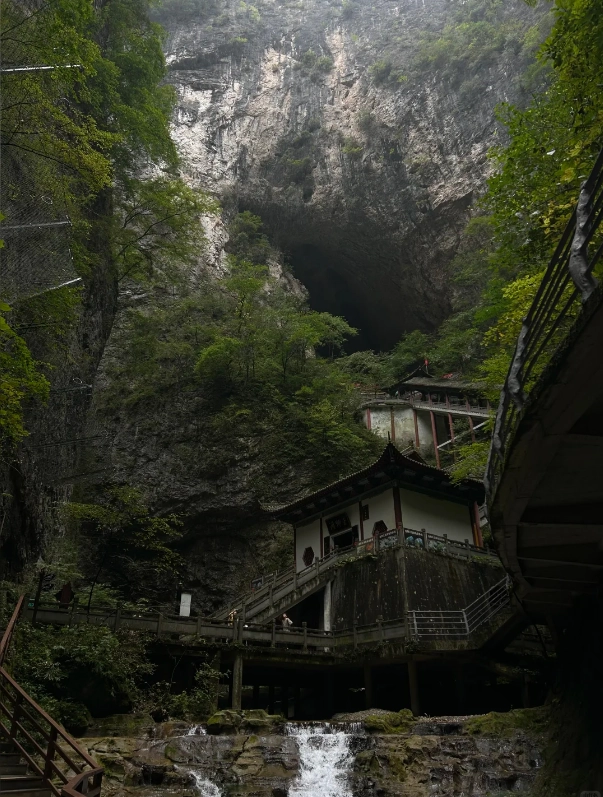
Vendors Along the Hiking Trails
This is where the experience gets interesting. As you hike, especially on the routes less traveled like some of the side paths off the Golden Silk Waterfall area, you might encounter individual elderly vendors. They typically sit on a small stool with a basket or a cloth spread on the ground.
I met one such shifu (master/elder) on a shaded stone near the Black Dragon Gorge. He wasn't aggressive at all; he just nodded as I passed.
What They Sell: Extremely localized, small-batch items. Think freshly gathered walnuts in their green husks (in autumn), small bundles of wild herbs they claim are for traditional medicine (like dangshen), and the most authentic souvenir: hand-carved walnut shell trinkets or worry stones. These are not the polished ones from the shop. They are rough, unique, and you can sometimes watch them being made. Operating Hours: Erratic. They appear on sunny days during peak season, usually between 10 AM and 4 PM. Payment: Cash only, and in small denominations. I bought a carved walnut for 15 RMB. Trying to scan a QR code here would be futile. The Vibe: This isn't really shopping; it's a micro-transaction of goodwill. The prices are low, the items are curiosities, and you're directly supporting a local resident. It feels more meaningful than buying a factory-made magnet.
My Personal Tip: The shops right by the ticket checkpoint as you enter the park are the most expensive. They bank on your pre-hike excitement. Wait. Do all your serious browsing and buying on your way out, at the "峡谷风物" shop. Your backpack will be lighter for the hike, and you'll have a better sense of what you actually want to remember.
What to Buy: Authentic Local Souvenirs from Jinsi Grand Canyon
Let's talk specifics. What's actually worth your money and luggage space? Based on my visits and talks with locals, here’s the hierarchy of purchases.
| Souvenir | What It Is & Why Buy It | Where to Find It | Price Range (RMB) & Tips |
|---|---|---|---|
| Raw Cliff Honey (崖蜜, Yá Mì) | The undisputed champion. Bees forage on the diverse flora of the Qinling Mountains, giving the honey a complex, almost herbal flavor. It's often sold crystallized in jars. | Best selection at "峡谷风物." Occasionally from trail vendors in unlabeled jars (higher risk/reward). | 40 - 80 for a small jar (250g). Look for honey with visible pollen grains and a thick, creamy consistency. Avoid perfectly clear, runny honey—it's likely processed or adulterated with syrup. |
| Walnut-based Products | Walnuts are a regional specialty. You can buy them raw, as sweet cakes, or as oil. | "峡谷风物" for cakes and packaged kernels. Trail vendors for fresh-in-husk walnuts (seasonal). | 15 - 30 for a box of cakes. 5 - 10 for a handful of fresh walnuts from a vendor. The oil is expensive (100+) and bulky; only buy if you're a serious foodie. |
| Wild Mountain Mushrooms & Herbs | Dried wood ear, shiitake, and other fungi. Locals use them for soups and health tonics. | "峡谷风物" shop. This is the safest bet for quality and food safety. | 20 - 60 per bag. Check the bags for moisture or mold. They should be bone-dry and whole, not crumbled to dust. |
| Hand-Carved Walnut Shells | A unique, rustic craft. Artists carve tiny landscapes, zodiac animals, or Buddhist symbols into walnut halves. | Almost exclusively from the elderly trail vendors. | 10 - 25. Don't expect perfection. The charm is in the slight asymmetry and visible knife marks. A perfectly smooth, identical one is probably machine-made and bought wholesale. |
A word on "jade" or "special stones": You might see some stalls with colorful stones claimed to be from the canyon riverbed. I'm skeptical. The real geological treasures are protected. These are likely tumbled stones from elsewhere. They're pretty, but don't pay a premium for a "rare Jinsi stone" story.
How to Shop Smart: Payment, Bargaining & Logistics
This isn't a big city market, so the rules are different.
Payment Reality Check: Assume you will need Chinese mobile payment (Alipay/WeChat Pay) or cash. International cards are useless here. I loaded my Alipay TourPass before my trip, which was a lifesaver. Have at least 200 RMB in cash as a backup, especially for the trail vendors.
The Bargaining Dance: In the official "峡谷风物" shop, prices are fixed. No haggling. It's actually a relief. With the independent trail vendors, there's room. The key is subtlety. They quote a price (e.g., 20 RMB). You smile, pause, and say, "十五块行吗?" (Shí wǔ kuài xíng ma? – Is fifteen okay?). If they hesitate, meeting at 18 RMB is a fair and friendly outcome. Don't aggressively drive down a price from 20 to 5. It's disrespectful for such small amounts.
Getting Your Purchases Home: Think about weight and fragility. That beautiful glass jar of honey is heavy. I made the mistake of buying it at the start of my trip and carried it for two weeks. Buy consumables like honey and mushrooms at the end of your Shaanxi journey. For the carved walnuts or other small trinkets, they're easy. The shops provide simple plastic bags, but bringing a small reusable tote is better.
One logistical headache solved: There are no dedicated parcel or shipping services at the park. You carry what you buy.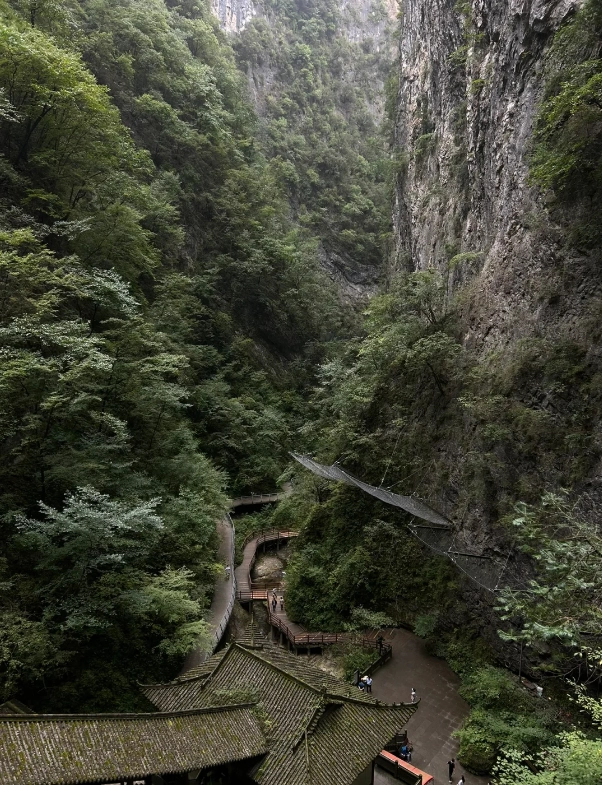
Your Jinsi Grand Canyon Shopping Questions Answered
 Are the prices inflated for tourists? How do I know I'm not getting ripped off?
Finally, adjust your expectations. Shopping at Jinsi Grand Canyon is a small, focused part of the visit. It won't take hours. But by knowing where to go and what to look for, you can bring home a piece of the Qinling Mountains that's far more authentic than a plastic keychain. It’s about finding that one jar of honey whose taste will always bring back the memory of the canyon's mist, or a roughly carved walnut that fits perfectly in the palm of your hand.
This guide is based on my personal visits and observations. Details like vendor presence can change with seasons and park management policies.






To be honest, the shopping felt like every other tourist attraction I've been to in China. Same mass‑produced keychains, same “local” snacks wrapped in plastic, and the prices were noticeably higher than what you'd pay in town. I bought a small wooden comb that started splintering after two days. The canyon itself is gorgeous, but the shopping district is just a cash‑grab. If you really want a souvenir, wait until you're back at the city market. Not the worst, but definitely overhyped.
Took my two kids here after the canyon hike. The shopping area is lively and well‑organized, with lots of fun trinkets for kids – they loved the little animal‑shaped whistles and painted rocks. The reason I'm giving 4 instead of 5 is the crowds. It was packed, and the narrow aisles made it hard to browse with a stroller. Also, one souvenir stall had a long line just to pay. That said, the staff were friendly and the items were clean and well displayed. Worth a stop, but go early.
Honestly, I expected huge tourist markups, but the shopping here is surprisingly affordable. Got a set of three ceramic coasters with canyon scenery painted on them for only 15 yuan. Also grabbed a bamboo water bottle that I've been using every day since. The stalls are a mix of handmade crafts and local snacks – try the dried persimmons, they're addictive. No hard sales pressure either, which I really appreciated. A rare combination of quality and value.
If you're a tea lover, this is paradise. The specialty tea shops near the canyon entrance stock fresh green tea and oolong from the nearby mountains. I sampled five different varieties before settling on a bag of jasmine pearls – the aroma alone is worth the trip. The shop owner explained the growing process with genuine passion. Only downside is that the packaging could be a bit nicer for gifting, but the quality more than makes up for it. Will come back just for the tea.
Spent an afternoon at the Jinsi Grand Canyon shopping area and was blown away by the handwoven textiles and local wood carvings. The stalls are tucked right along the canyon rim, so you get these stunning views while browsing. I picked up a beautiful embroidered scarf and a little wooden flute for my nephew. Prices felt fair, and the vendor even let me try on the scarf and take a photo by the cliff. Definitely a must-visit if you're looking for authentic souvenirs that actually feel connected to the place.
Avoid the main strip and head to the little courtyard behind the visitor center. That's where the real bargains are. I got a hand-painted ceramic bowl for just $8 and the vendor was happy to wrap it safely for my flight. The whole vibe was laid-back and the canyon views from the shop's back patio were unreal.
The handmade silver jewelry caught my eye immediately. I chatted with the artisan for a while—she explained the traditional techniques her family has used for generations. Ended up buying a pair of earrings that are lightweight and comfortable. Only downside: no price tags, so haggling felt awkward.
I wasn't expecting much from a canyon gift shop, but the selection of local honey and spicy chili jams was a pleasant surprise. Bought three jars to take home—the service was friendly and the lady even let me sample everything. Great spot to grab unique edibles that actually taste like the region.
Honestly, the shopping area felt way too crowded and overpriced for what it is. I bought a small carved stone souvenir for $15 and it broke before we even got back to the hotel. The kids were cranky and there weren't enough benches to sit on. Not worth the detour unless you really need a magnet.
I picked up some beautiful handwoven textiles at a stall near the main overlook—super soft alpaca wool scarves. The seller told me they come from a local cooperative, and the colors are just stunning. Definitely better quality than what you'll find in tourist traps downtown. Just wish I'd bargained a bit more.
Grabbed some candied ginger and a few postcards – the ginger was great but the postcards were faded and the selection tiny. The shopkeeper was friendly though. Overall, it’s a quick stop, not a shopping destination. I’d give it a solid “okay” but nothing special.
Ended up buying a hand-carved wooden prayer wheel from an elderly craftsman near the eastern gate. He took his time explaining the carvings. A bit pricey (200 yuan) but it’s clearly high quality. If you're patient, there are real gems here. Would recommend going early before the crowds.
Honestly, the shopping area felt crammed and the vendors were pushy. I grabbed a pack of local tea out of pity – it was dusty and the flavor is meh. For a place with such epic views, the shopping experience is a letdown. Maybe skip it unless you really need a souvenir.
Bought some dried yak meat and a small thangka painting. The thangka is lovely, but the seller rushed me a bit. Prices are okay for tourist level, but I wish they had more local crafts instead of the same keychains everywhere. Still, happy with my haul.
Stopped by the market near the visitor center after our hike. Picked up a handwoven wool scarf from a local lady – the colors are incredible, like the canyon at sunset. She even showed me how they make the dye. Felt authentic and not overpriced at all. Definitely a highlight of the trip!